
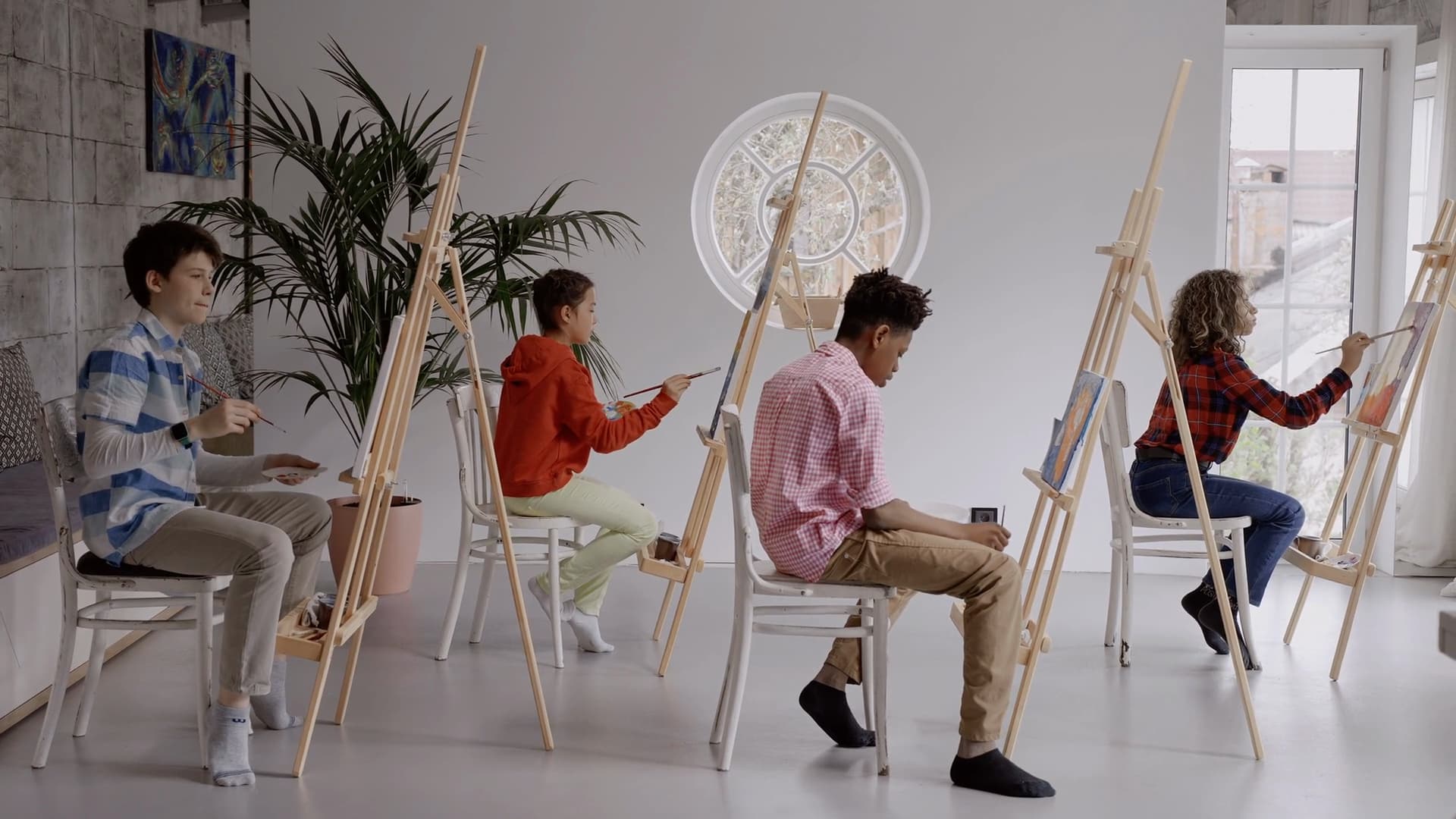
Our Education System
The REMAT Curriculum
- Self-Developed Spiral Curriculum
- Built On Jerome S. Bruner's Theory
- Ages 3 To 18
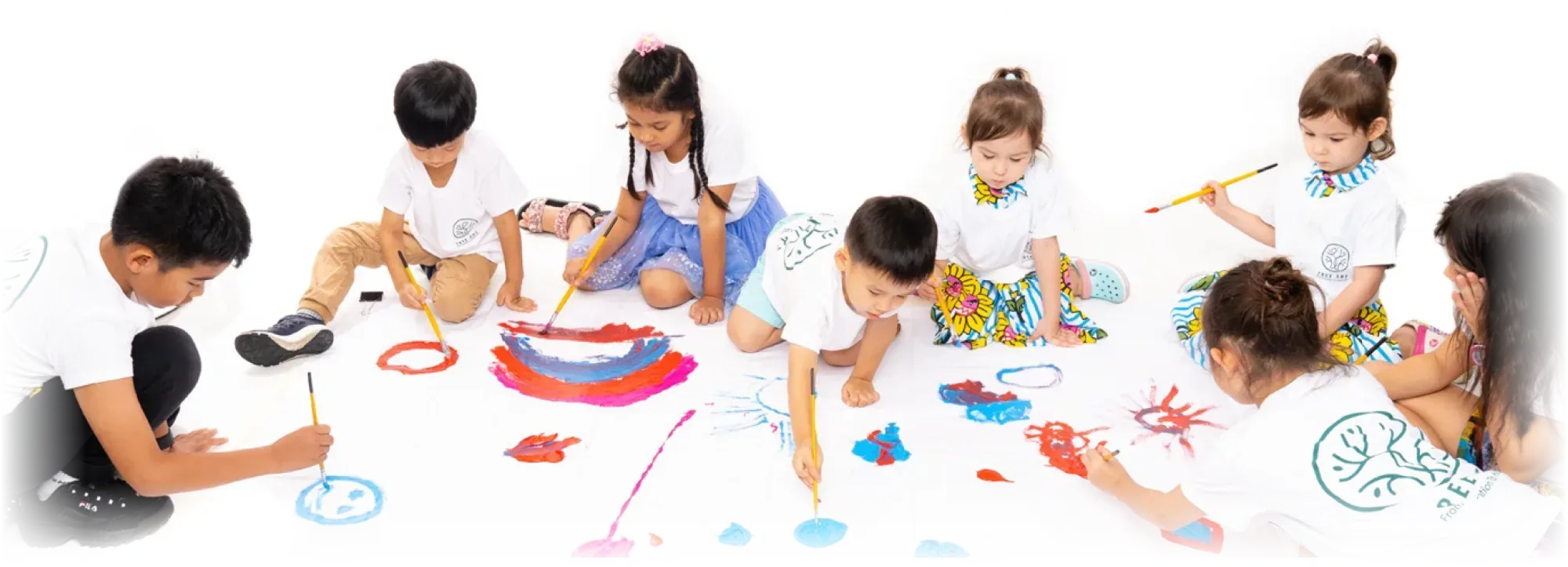
The Framework
Five Petals One Spiral
Tap a petal to explore.
New Teachers New Friends
REGROUP
Classes and teachers rotate as children grow, each teacher bringing a different artistic specialty. Every regroup opens a new field of art — and new friendships for the whole family.
Beyond The Classroom
EXTEND
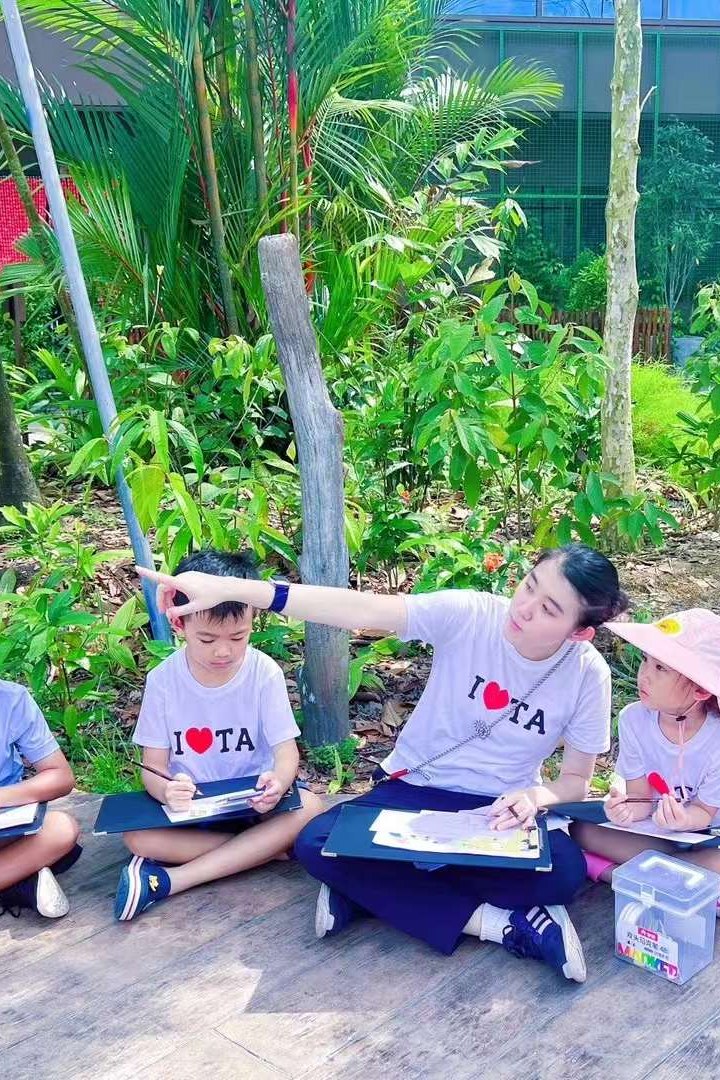
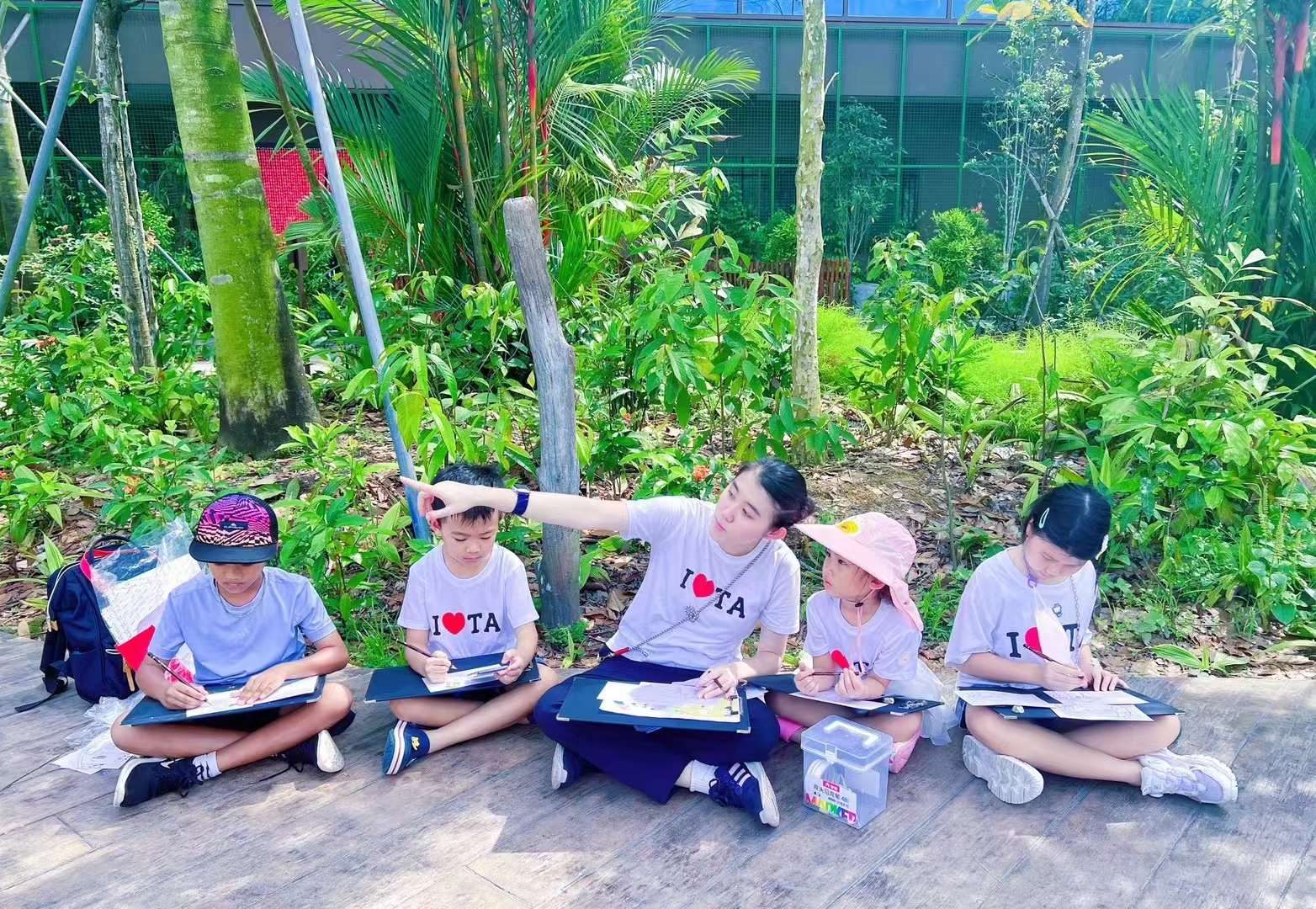
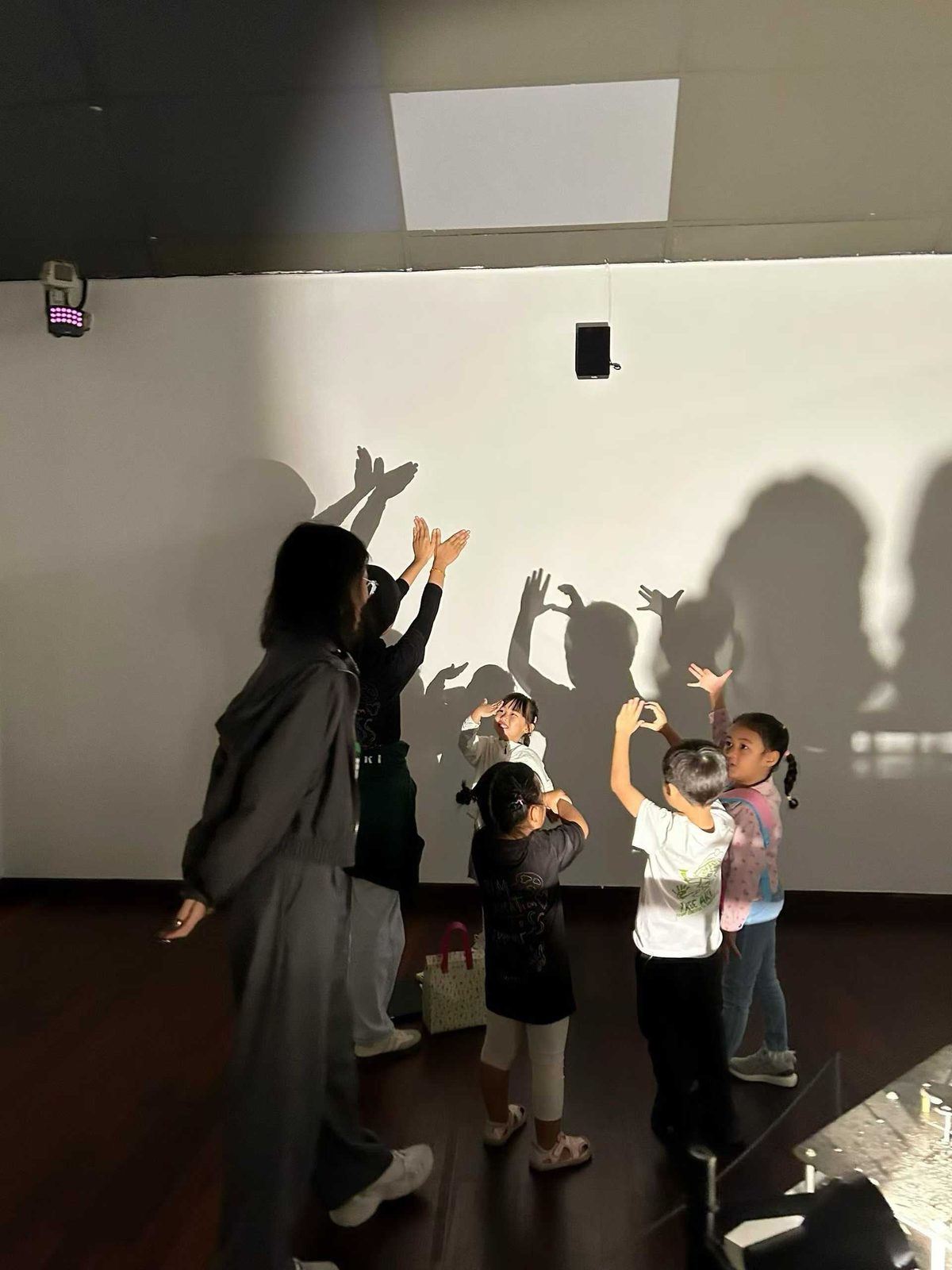
Art does not stop at the classroom door. From outdoor learning to museums and overseas study trips, children experience art wherever it lives.
Many Mediums One Voice
MULTI
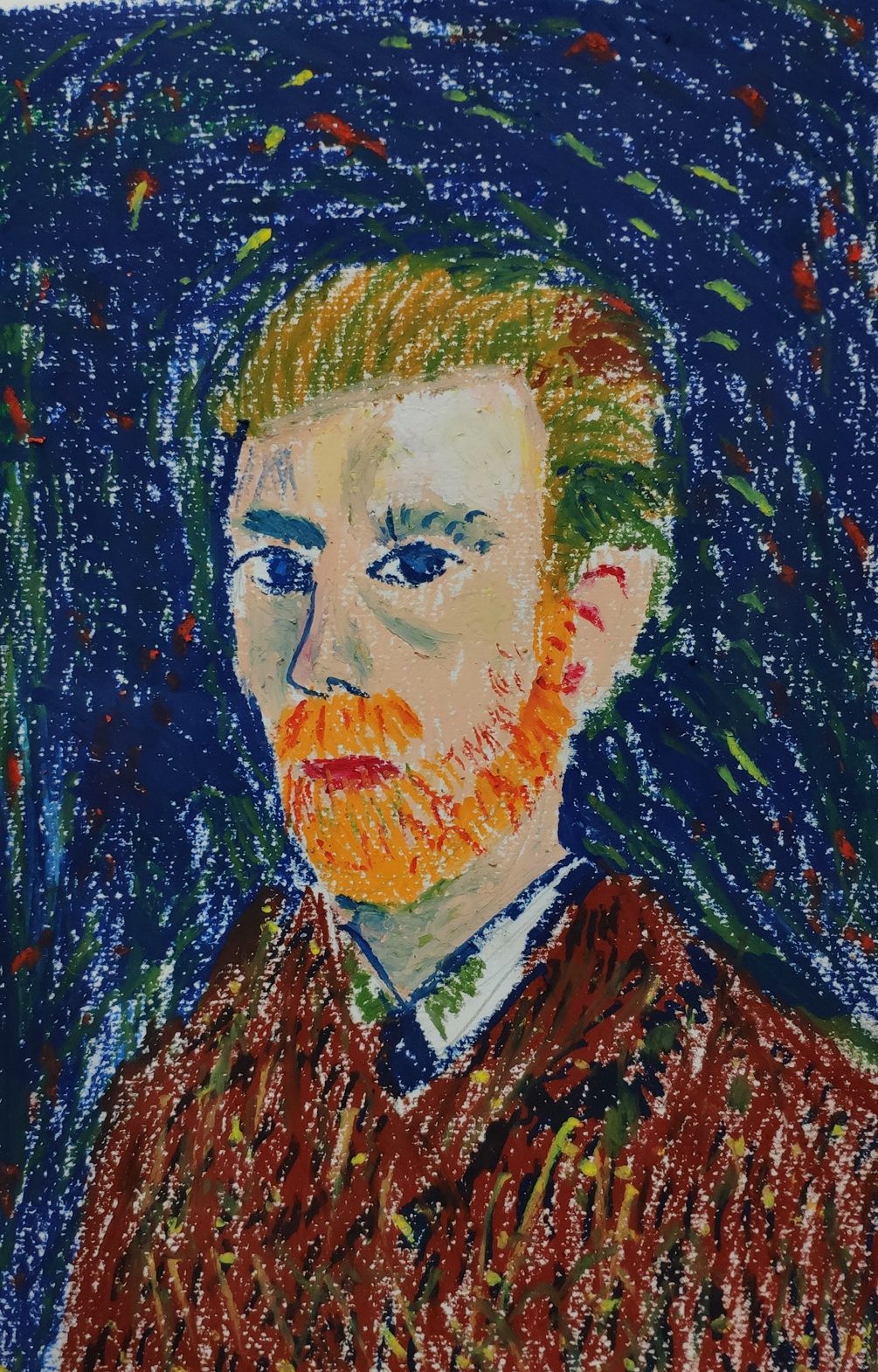
One idea can take many forms. Working across mediums and disciplines, children choose the language that best expresses their own thinking.
The Child At The Centre
ATMAN
We never draw over a child's imagination. Each child observes, questions and solves in their own way — and confidence grows from there.
Learning Through Themes
THEME
Every lesson begins with a theme, not a textbook. Guided by questions, children explore art, culture and the wider world — then create from real understanding.
Our Belief
From Education To Happiness
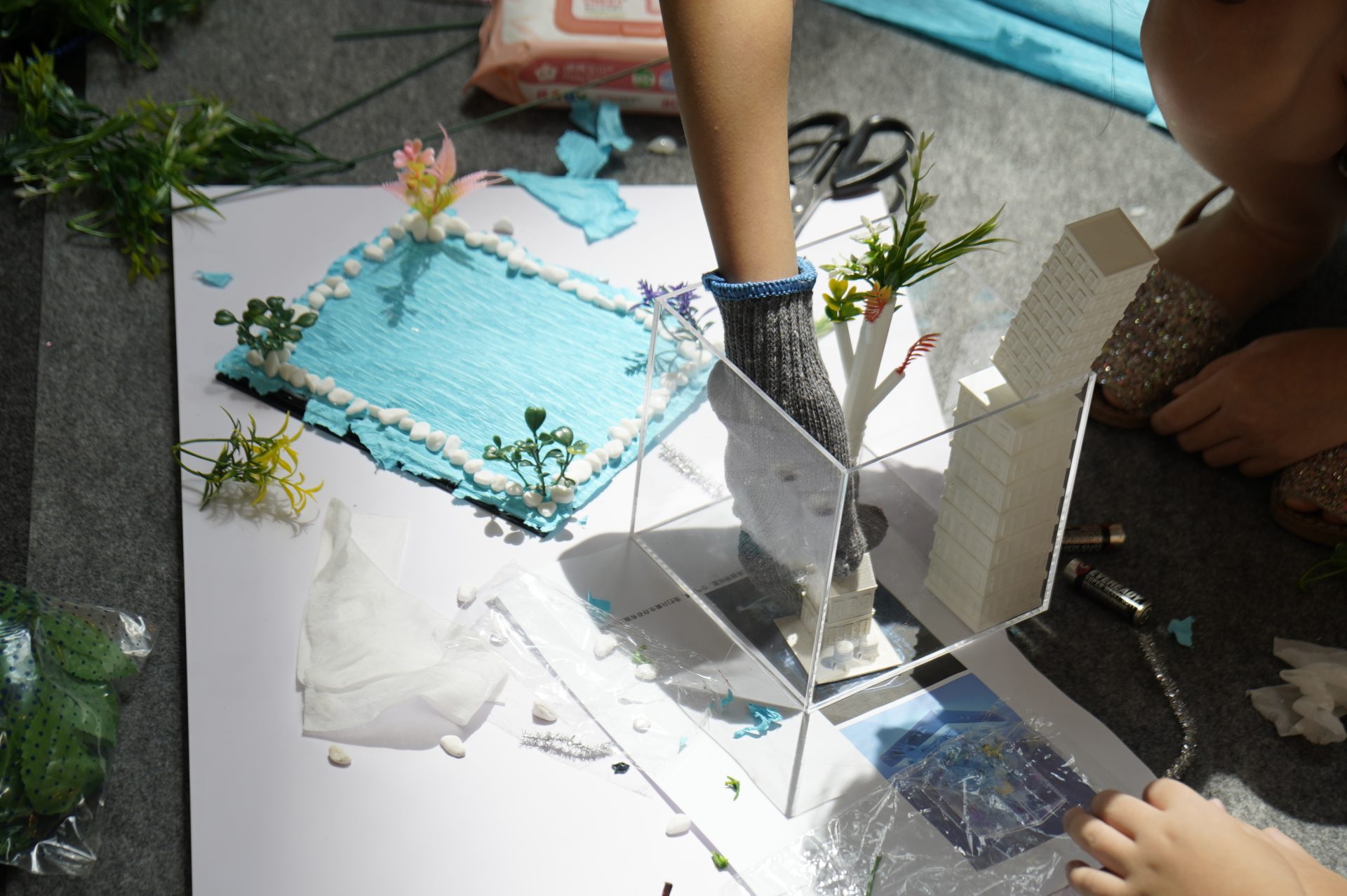
To Stimulate Thinking Through Art Lessons And Activities
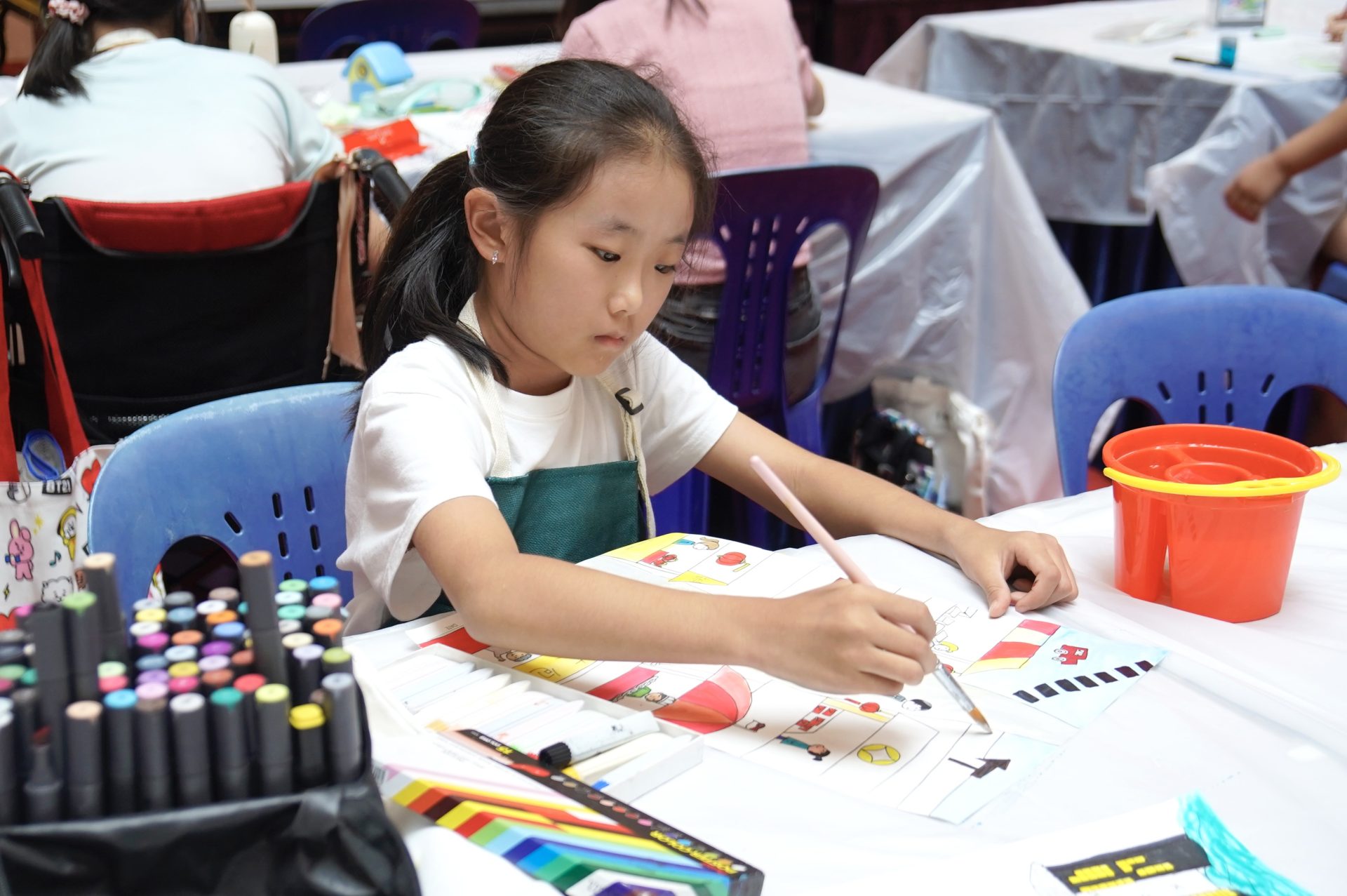
To Elevate Imagination Through Innovative Habits
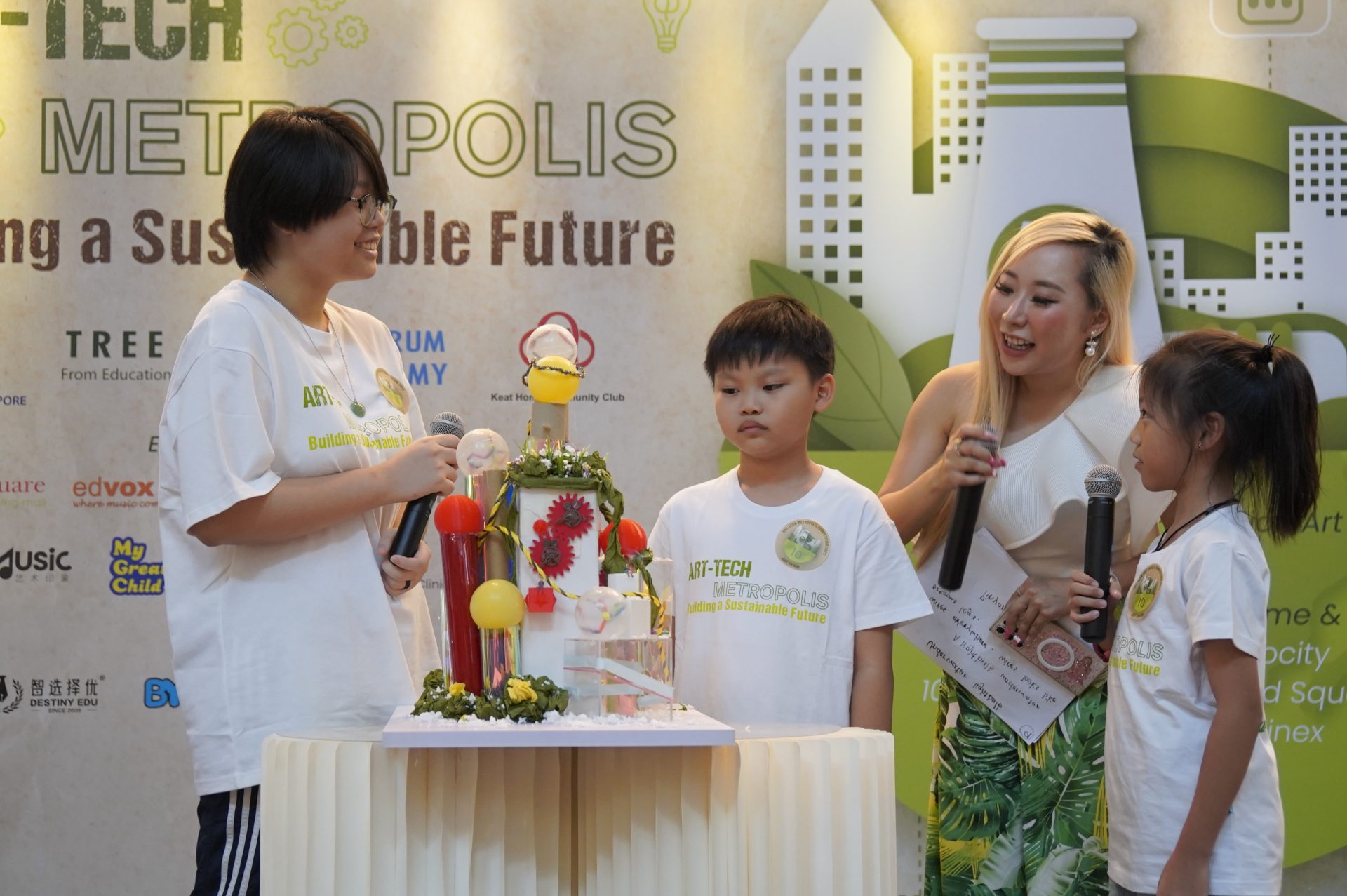
To Develop Interdisciplinary Thinking Through Art Inspiration
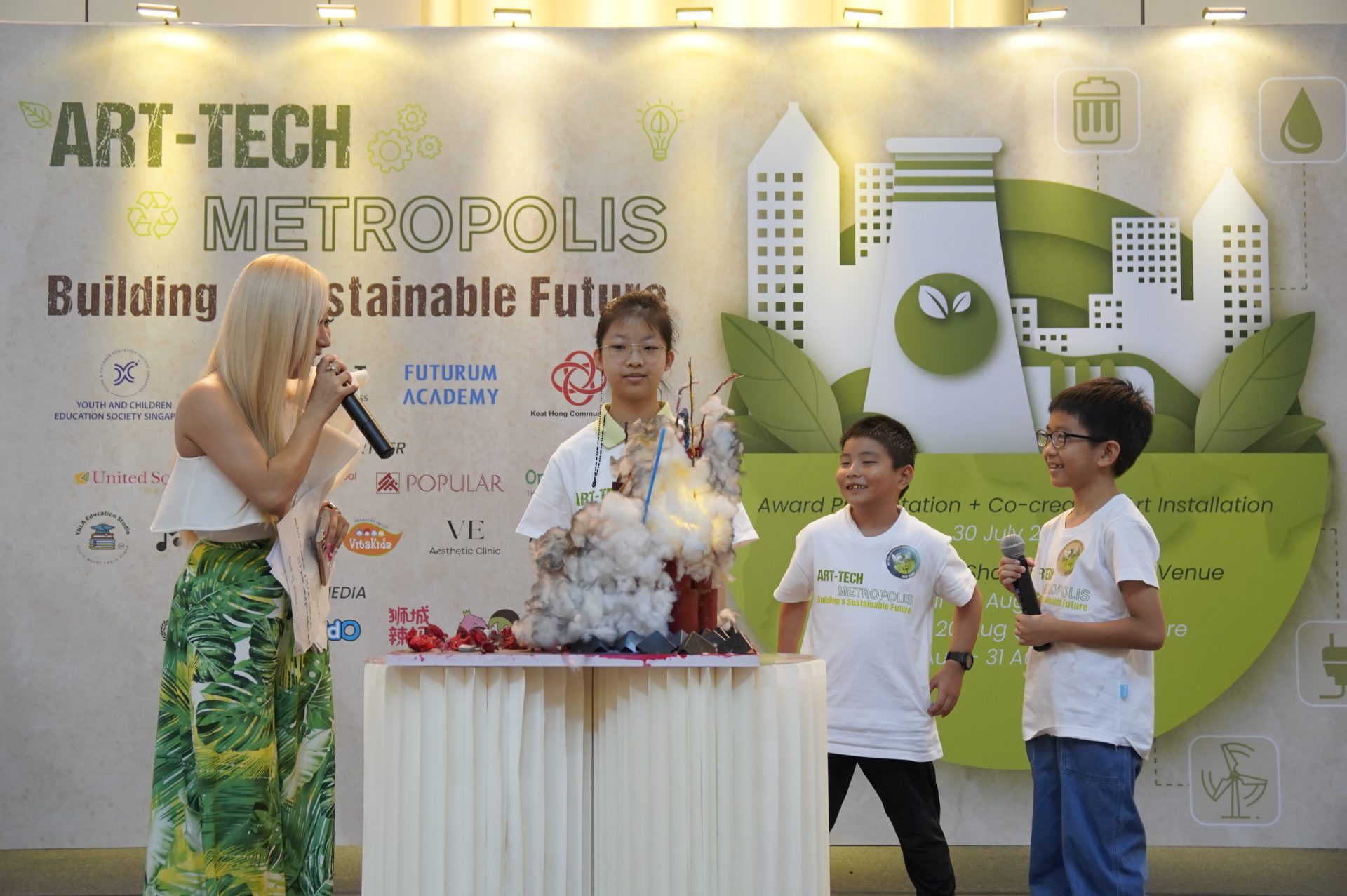
To Learn Decisiveness Through Repeated Trial And Error
To Appreciate Beauty Through Arts Training
To Achieve Happiness Through Cultivation Of Arts Creativity
The Impact
What Art Gives A Child
Sharper Thinking
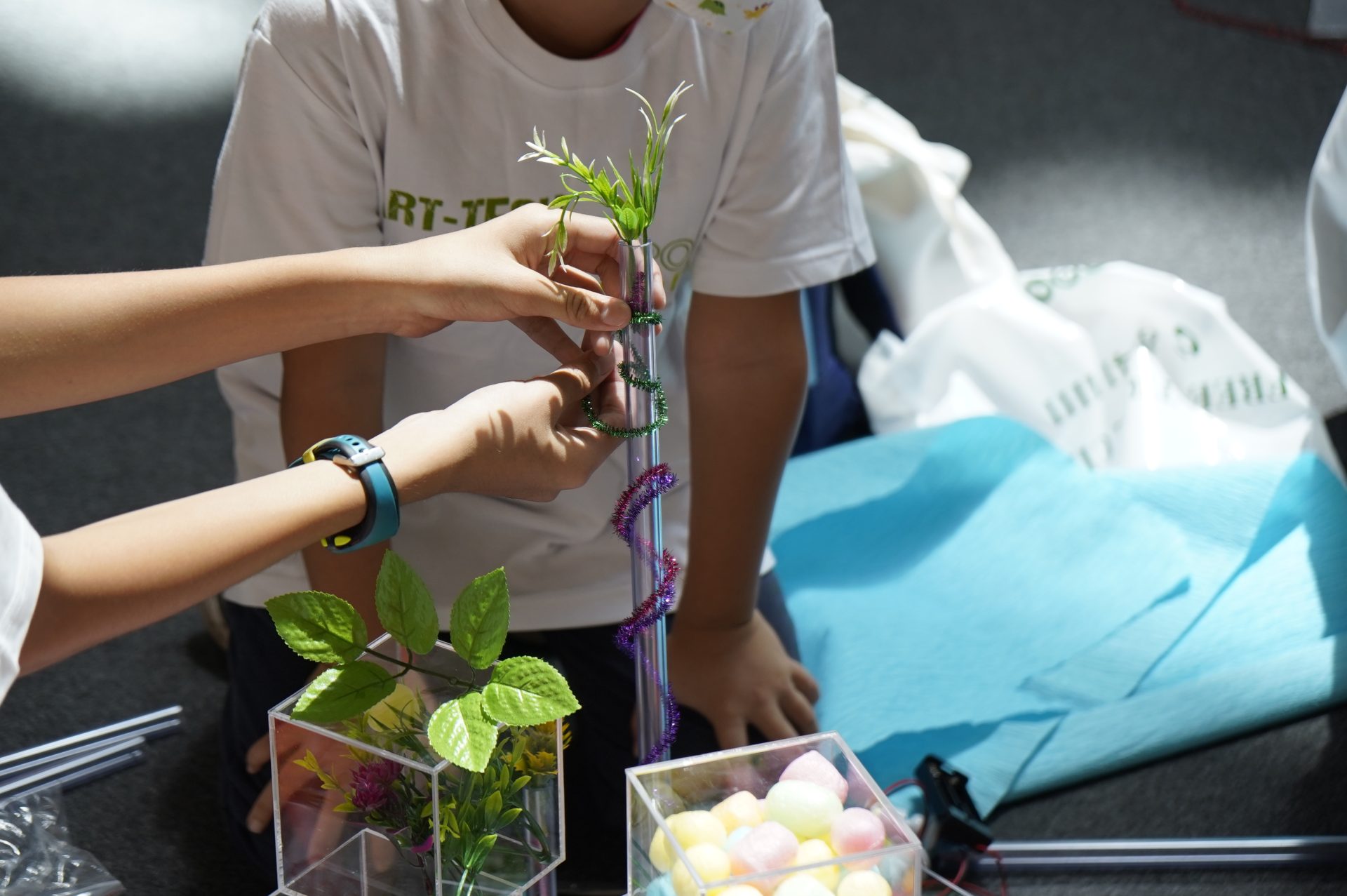
Art sharpens memory and critical thinking — shaping agile minds for a fast-changing world.

Living Imagination
Imagination is the lifeblood of painting — the habit of creating something entirely new.
Emotional Intelligence
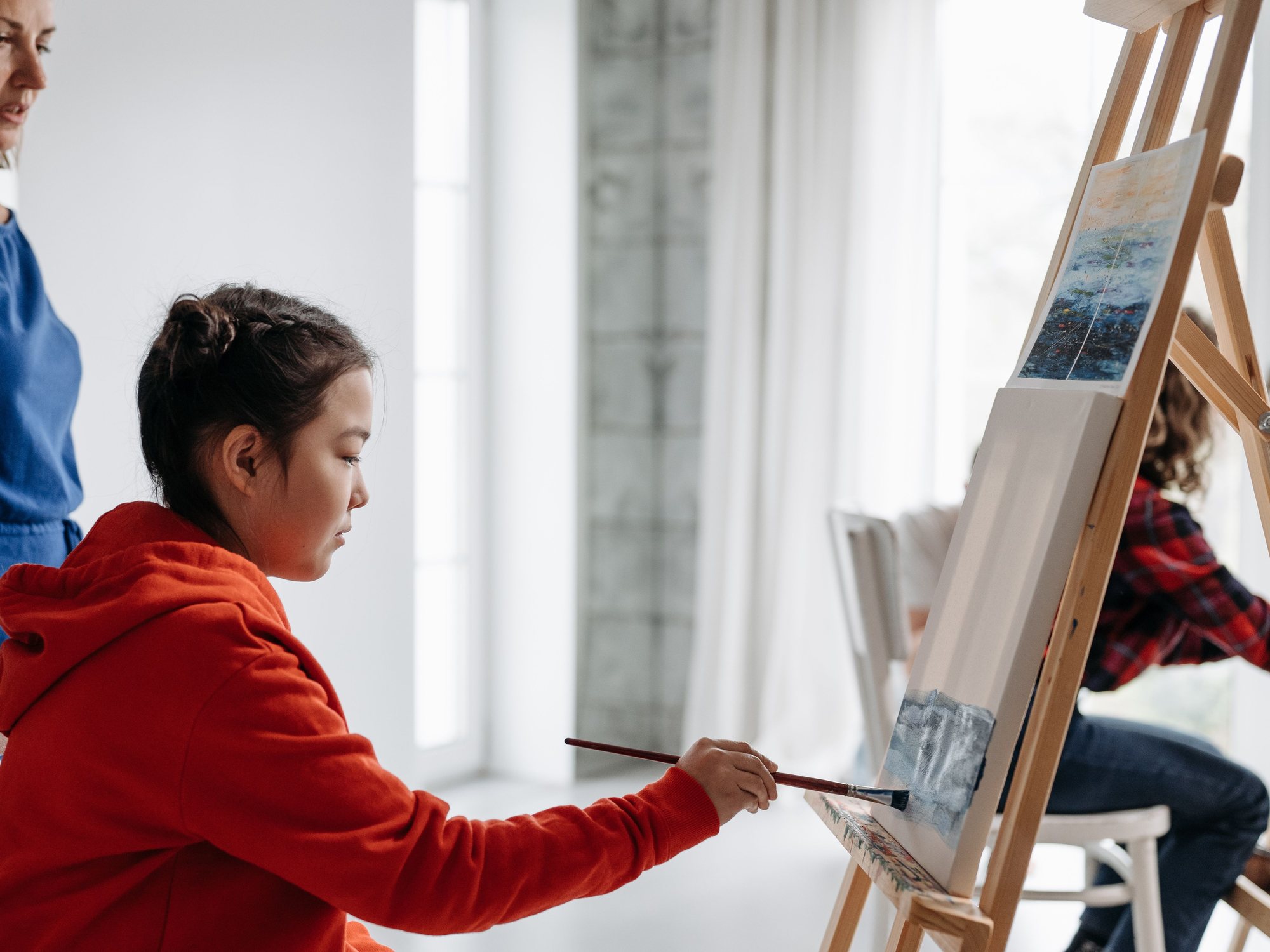
Art gives feelings an outlet words cannot — building empathy and self-understanding.
Quiet Confidence
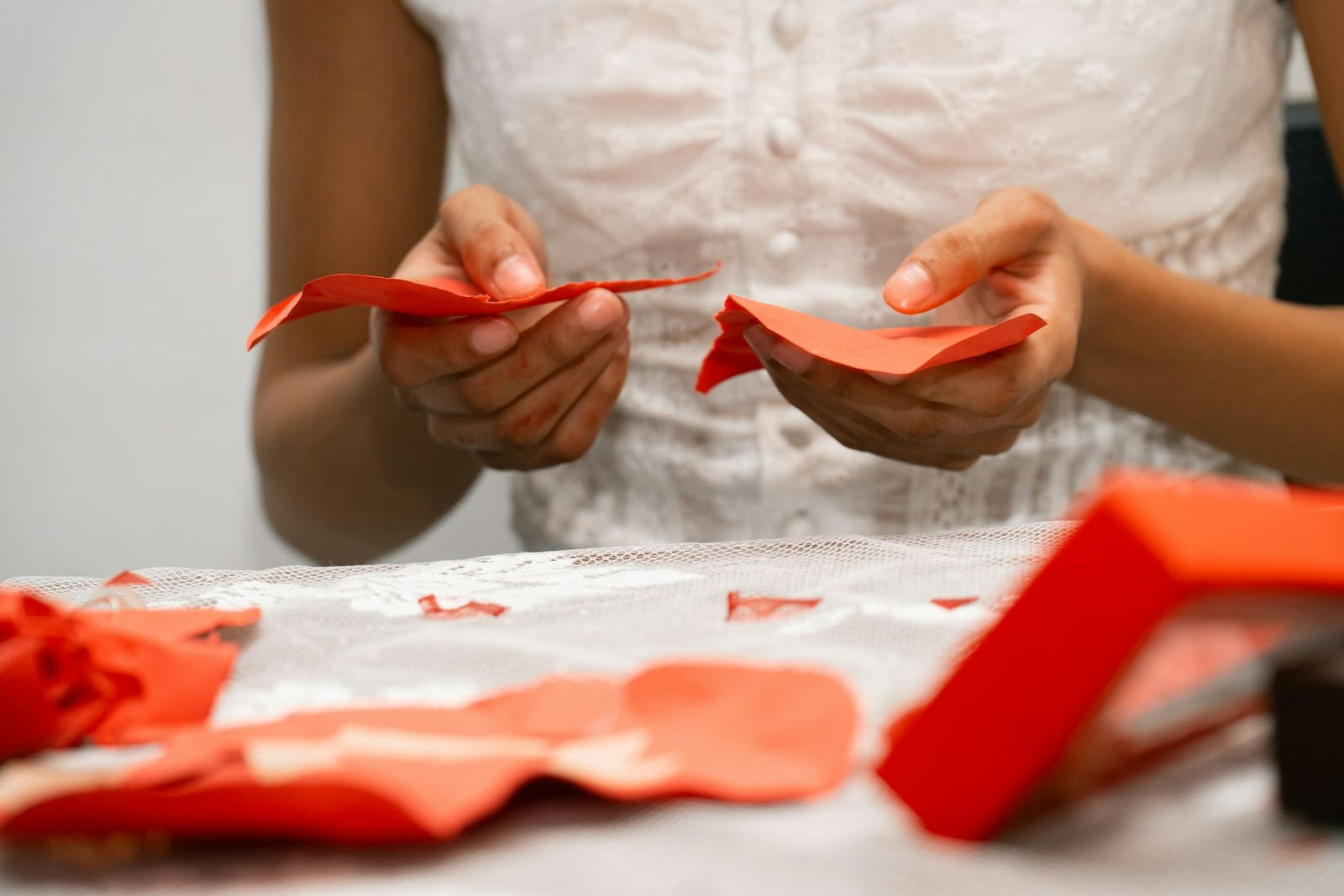
A safe space to experiment without fear of failure — where mistakes are part of the process.
From the TREE ART Journal: Painting As Aesthetic Education · Art Education And Child Development · Children Who Learn Art
Art In The Age Of AI
Machines Answer Children Ask
AI can already paint. It cannot want to. TREE ART teaches the half of the work that stays human: the question behind the picture, the judgement that picks one image out of a thousand, and the reason it is worth looking at.
What AI Is Fast At
What We Teach
Imitating a style
Having something of your own to say
Generating a thousand images
Knowing which one is right
Solving a set problem
Caring whose problem it is
Every line on the left is true. That is exactly why the right-hand column is the curriculum.
Ideas That Leave The Screen
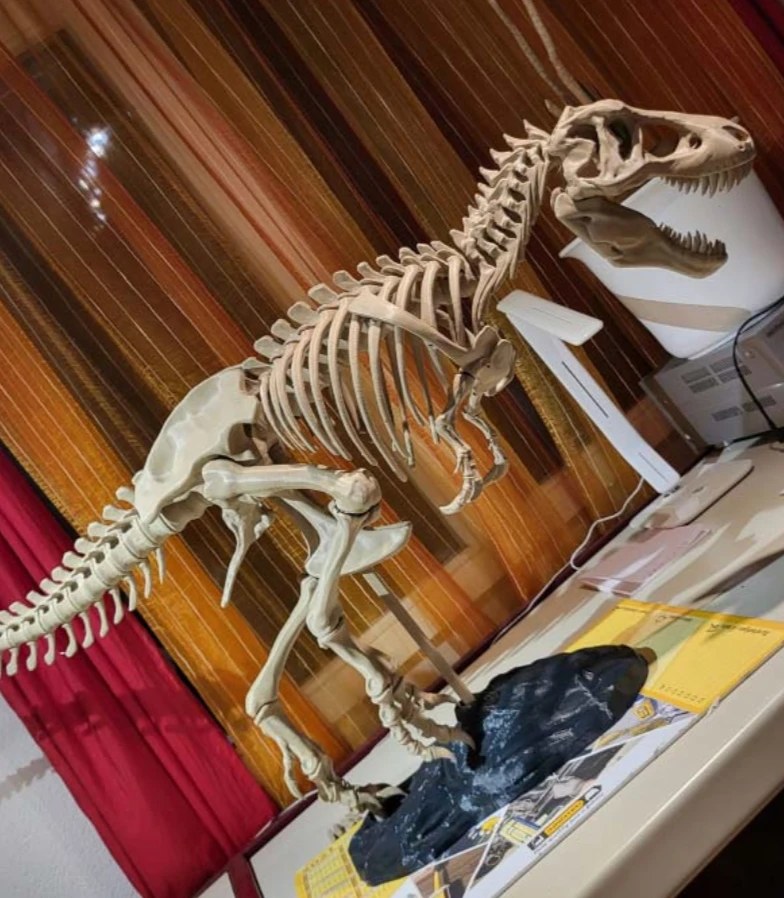
Embodied simply means the idea gets a body. In our studios that route is deliberately slow: a question becomes a drawing, a drawing becomes a model, and a model becomes an object a stranger can walk around.
In our classes
Every lesson opens with a theme and a question, not a template. The first thing we train is asking a better one.
In our classes
A model makes a thousand images in a minute. Deciding which one is any good is a trained human skill — and training it is what aesthetic education means.
In our classes
Graphic design, digital painting, animation and fashion design — the drawing skill built on paper carries straight over to the screen.
In our classes
Clay does not autocomplete. From a shapeless lump to a finished sculpture, a child builds three-dimensional thinking and the nerve to start over.
With our partners
Ideas leave the screen as objects. Model building, 3D printing and recycled-material projects run in the ART TECH Technology Category from age six.
Not a Tree Art course
Robotics is not something we teach. That path runs at Futurum Academy, our sibling academy — whose competition team came home from the 2026 VEX Robotics World Championship as V5 world champions.
What We Do Not Claim
TREE ART is an art school. We do not teach machine learning and we do not teach robots. We teach the part that decides what a machine gets pointed at: the question, the taste, and the hand. The rest of that path exists — it is simply next door, not in this classroom.
From the TREE ART Journal: AI Is Reshaping The World · Aesthetic Education In The AI Era · Cultivating Creativity In The Age Of AI
Educational Philosophy
Whole Person Education
Art is the medium, not the destination. What REMAT is built to grow is the child: independent thinkers, lifelong learners and active global citizens.
How A Spiral Actually Works
Bruner’s idea was that a child does not have to wait to meet a big idea. They meet it early, in a form they can hold — then meet it again, later, harder. Colour is the clearest example: it is not a topic covered once in a beginner class, but a thread running the length of the curriculum — and on past it, through portfolio preparation and into the adult studio.
Eight visits to the same idea, from first mixing to a personal palette. Hover or tap a stage.
Ages 3–4 · First Acquaintance
Learn colour's proper terms, and mix two colours.
The artists spiral too. Paul Klee appears at ages 3–4 and again at 4–5; Claude Monet at 6–8 and again at 8–10, carried straight across the handover from Creative Art into Professional Art. Same artist, different child.
Before an outdoor sketching morning at CHIJMES, the teaching team walked the site a week ahead and prepared one theme at a different depth for each age group — then opened the session with the history of the building and its Gothic architecture.
Teach A Child To Fish
Knowledge gives a child a fish. The IB Approaches to Learning teach a child how to fish. At TREE ART the five ATL skills are not a sixth subject bolted on beside drawing — they are what the spiral is braided from, five strands running the full length from age 3 to 18.
Thinking
Critical and creative thinking — asking better questions, not just finding answers.
The Extend Module
Learning Beyond The Studio
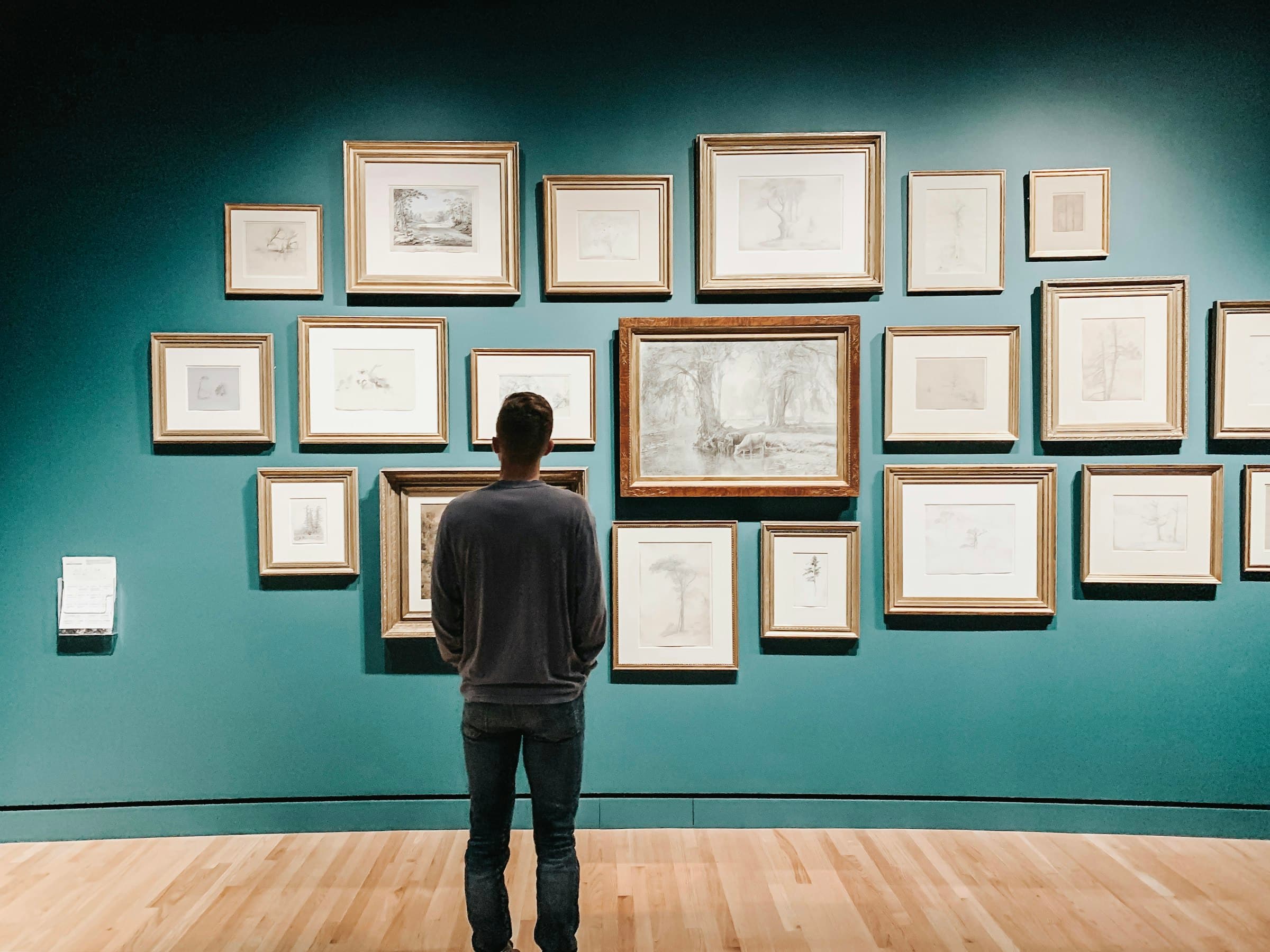
Extend is the REMAT module that takes art outside the classroom. Some of it happens in front of real paintings: the TREE ART Journal’s museum guide gives parents three questions that open any gallery visit—what do you see, what do you like about it, and, the one children love, if it were you, how would you paint it?
Study tours go further: sketching at the foot of Mount Fuji in Japan, the British Museum and the colleges of Oxford and Cambridge in England, and Sabah’s Kota Kinabalu, where creation moves from the ocean to the rainforest.
Read the guides: A Foolproof Museum Guide · Art Study Tour In Kota Kinabalu

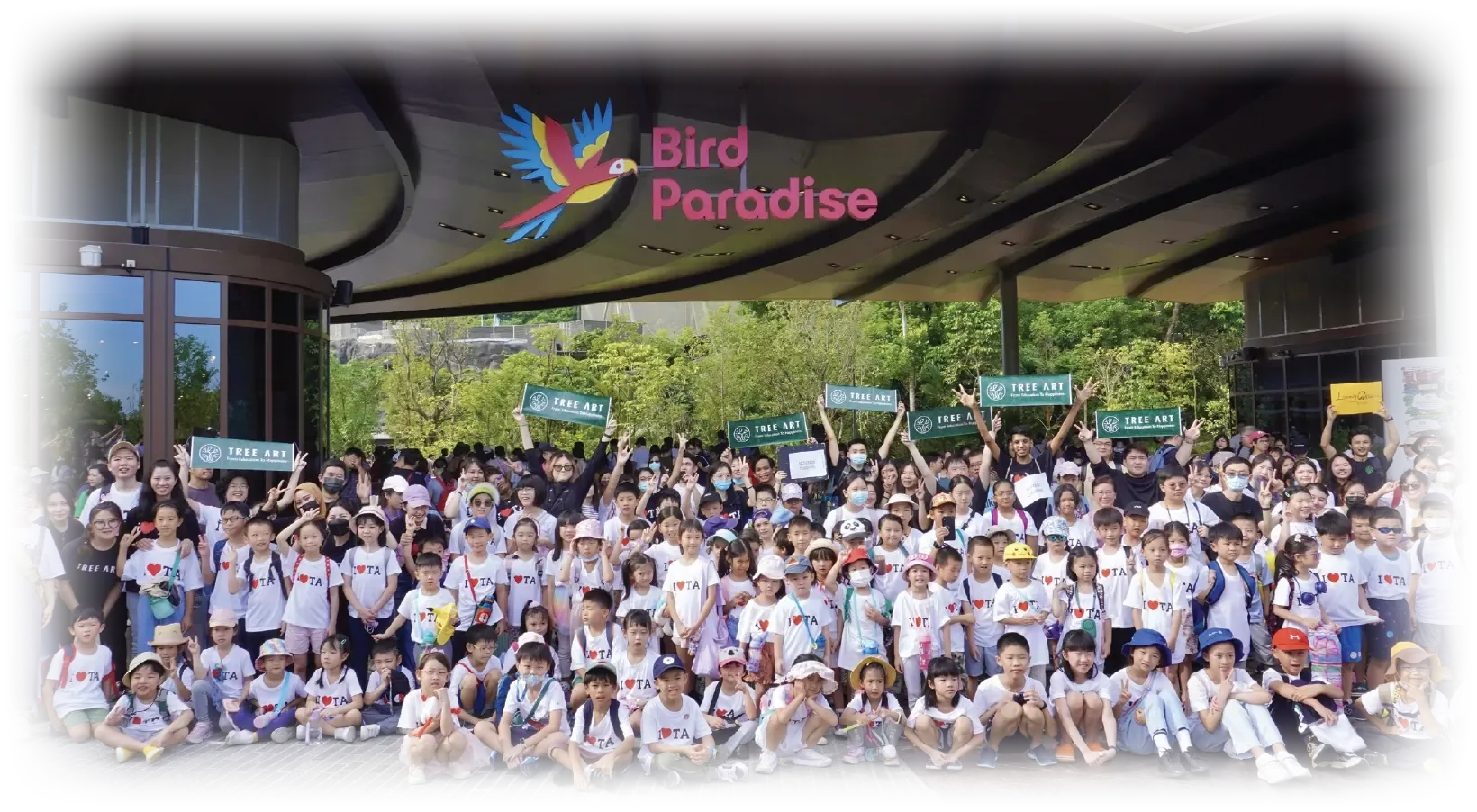
Bird Paradise Singapore
One Curriculum One Family
Get Started
Where Does Your Child Begin
Six entry points into the same spiral.

FAQ
Questions Parents Ask
What is the REMAT curriculum?
REMAT is TREE ART's self-developed spiral curriculum, built on Jerome Bruner's Spiral Curriculum theory. Key concepts return again and again with deepening complexity as your child grows, from age 3 to 18.
What does REMAT stand for?
The five modules of the TREE ART curriculum: Regroup — classes and teachers rotate so children learn from many artistic specialties; Extend — art beyond the classroom, from outdoor learning to museums and overseas study trips; Multi — expression across many mediums; Atman — child-centred teaching that builds self-awareness and confidence; and Theme — theme-based, inquiry-led learning that connects art with the wider world.
What skills does my child develop beyond art?
Alongside art techniques, lessons build the five IB Approaches to Learning (ATL) skill categories: Thinking, Communication, Social, Research and Self-Management.
Is REMAT related to the IB approach?
REMAT integrates the IB Approaches to Learning (ATL) — Thinking, Communication, Social, Research and Self-Management — and its Theme module works the way IB inquiry does: children explore a theme across art, culture and the humanities, then create from understanding.
How can my child start?
Book a free trial class — available for ages 3 to 18 at our campuses across Singapore.