
Imagine a classroom where colours and imagination flourish, guiding young minds towards boundless innovation and critical thinking.
This vibrant scenario is not just an artistic wonderland but a scientifically supported realm where integrating art education into curriculums ‘fertilises’ cognitive development. Research shows that engaging with art boosts neuronal connections, enhances problem-solving skills, and strengthens students’ creativity, creating an enriching cycle of learning.
Cultivate creativity in children.
\ The Role of Art Education
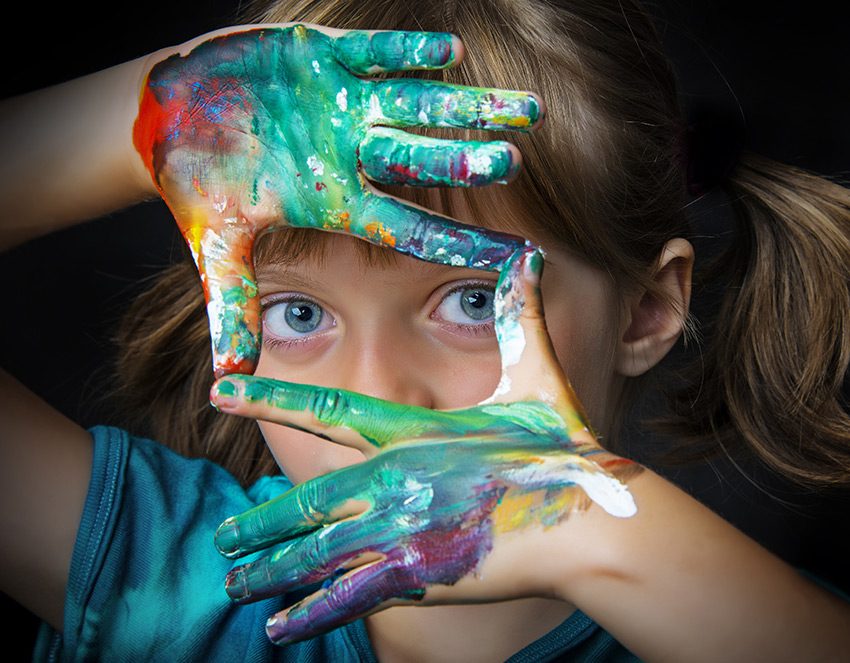
Art education plays a fundamental role in the holistic development of young minds, fostering their ability to think innovatively.
Integrating art into education systems nurtures various cognitive skills in children.
Developing keen observation skills, enhancing emotional intelligence, and fostering a sense of identity are fundamental aspects of a well-rounded art curriculum, all of which contribute to a dynamic, supportive environment for growth.
The profound impact of art education can be seen in how it encourages children to be naturally inquisitive, motivating them to explore the world with an open mind. By cultivating a culture of curiosity through creative expression, we are not only preparing them for future challenges but equipping them with the tools to draw inspiration and inspire change. In this sense, art education transcends traditional learning; it becomes a vital catalyst for lifelong intellectual and emotional enrichment.
\ Developing Critical Thinking Skills
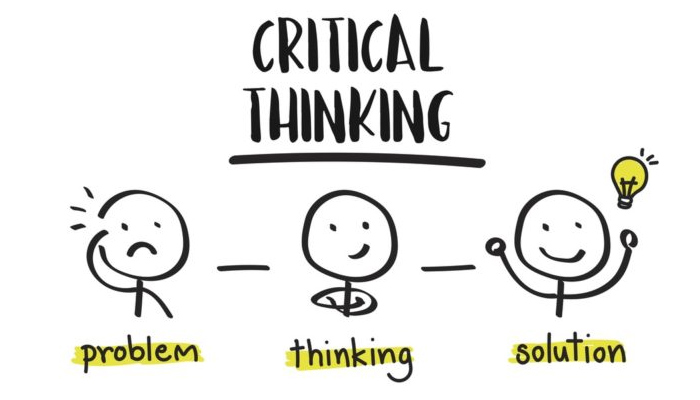
Art education stimulates critical thinking skills in children.
Through engaging in creative exercises, they learn to analyse problems. They begin to understand that solutions can often be multi-faceted, requiring innovative approaches that might deviate from conventional thinking. Consequently, children are not only encouraged to reflect deeply on their actions and decisions, but they also gain invaluable confidence in their ability to tackle challenges.
Such analytical skills prepare them for complex scenarios.
These skills are honed through continuous practice—be it critiquing artwork, creating new designs, or even collaborating on projects—allowing students to develop a sophisticated thought process.
The competencies gained through art education extend beyond artistic environments. They are essential for thriving in the 21st-century world, where adaptability and complex problem-solving are key. Art education, therefore, does not merely prepare students for creative industries but shapes agile thinkers capable of navigating a rapidly changing landscape.
\ Enhancing Emotional Intelligence
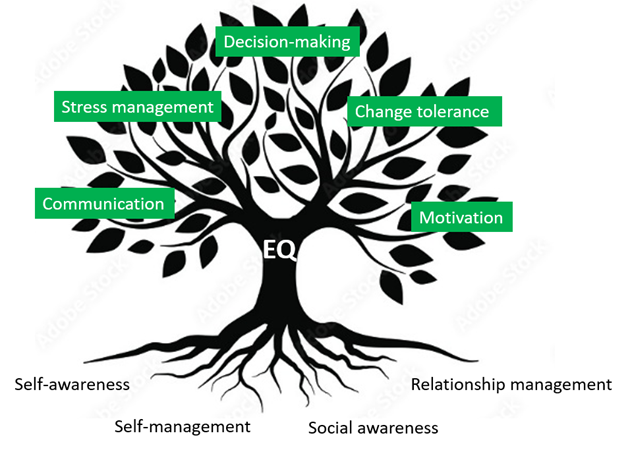
Art education significantly influences the emotional development of young minds, fostering empathy, a vital component of emotional intelligence. Immersive engagement with art encourages children to express, understand, and regulate emotions effectively.
Understanding emotions proves essential for building healthy interpersonal relationships that extend into adulthood. Art serves as a conduit for children to explore and communicate intricate emotional experiences.
Interestingly, participating in art activities provides a safe space for emotional exploration and expression, facilitating a better understanding of complex emotional landscapes.
Through collaboration and shared artistic ventures, children learn to appreciate diverse perspectives, refining social skills and broadening their emotional understanding.
This endeavour aids in cultivating patience, as students encounter the challenges of articulating abstract ideas, ushering in a deeper empathy for themselves and others in the process of creation.
Consequently, the realm of emotions becomes an area of strength, shaping emotionally intelligent individuals poised to make compassionate contributions to society. Art education impressively fortifies the foundation for fostering nuanced emotional development in children.
\ Building Problem-Solving Abilities
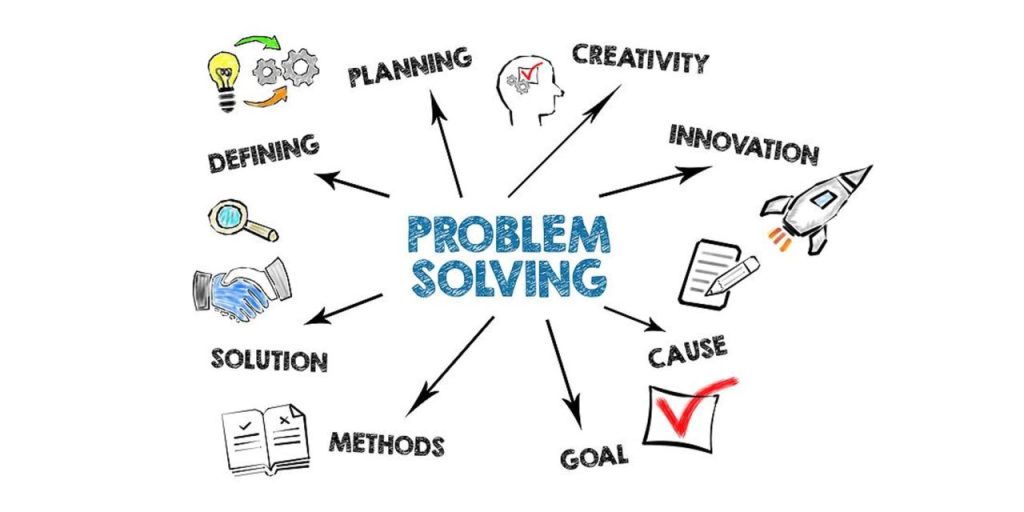
Art education serves as fertile ground for developing problem-solving skills that are pivotal in numerous aspects of life.
Through creative processes, children face challenges that encourage them to think critically and harness their creativity.
These moments of uncertainty foster an ability to examine situations from multiple angles, leading to a plethora of solutions. Art tasks often require students to work within constraints, such as limited materials or specific themes, enhancing their adaptability, resourcefulness, and confidence in their problem-solving capabilities.
Such experiential learning in art serves as a testament to how engaging with creative endeavours refines a child’s capacity for complex problem analysis. This crucial competence transcends beyond the art classroom into real-world scenarios where innovative thinking is invaluable. As Picasso once said, creativity is “intelligence having fun,” with boundless potential not only in artistic realms but also in life itself.
\ Encouraging Self-Expression
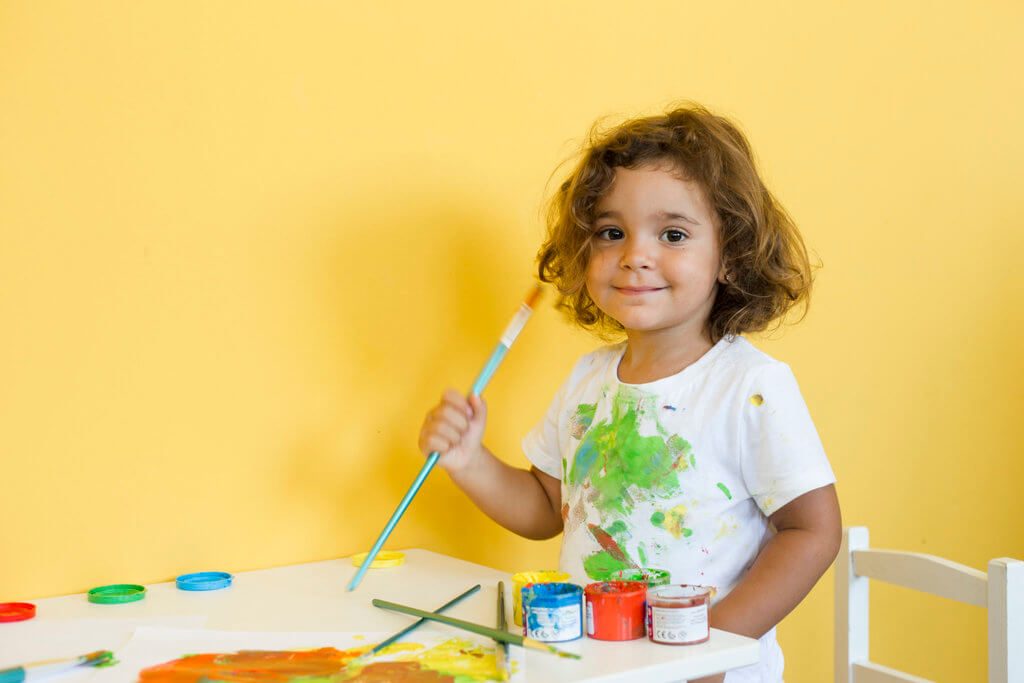
Art education offers a unique platform, allowing children the invaluable space to explore their emotions and thoughts.
Through art, we invite young minds to step into a boundless universe where their imaginations set the limits. This nurturing environment fosters not only the freedom of expression but also a deep understanding of individuality. As children embrace their creative ventures, the resultant self-assurance and expressive capacity emerge as pivotal tools in personal and social contexts.
Importantly, allowing this form of self-expression aids emotional literacy development. As children articulate feelings through various art forms, they gain insights into their emotional landscapes, promoting empathy and social connectivity with peers and mentors.
Thus, encouraging self-expression through art education stands as a cornerstone for cultivating confident, empathetic individuals. In today’s fast-evolving world, such self-assuredness and interconnectedness provide a powerful foundation, preparing children to face future challenges with grace and creativity. This transformational journey, offered through art, ensures that children do not just witness the world but play an integral role in shaping it.
Boosting Academic Performance
In the vibrant realm of educational achievements, art education emerges as a surprising catalyst for elevating academic outcomes.
Research across the globe demonstrates how integrating art with traditional curricula enhances cognitive abilities beyond conventional expectations. Through engaging in creative practices, children develop skills that translate into improved academic performance.
Involvement in art projects nurtures critical thinking, problem-solving, and diligent focus in students, traits that are instrumental in academic success. As these young minds experiment with creativity in the classroom, they also gain the dexterity to apply the same innovative thinking to other subjects.
Furthermore, studies reveal that participation in art education correlates with higher grades and test scores. Such involvement encourages a unique blend of disciplined inquiry and original thought, essential for both academic and cognitive development.
By nurturing artistic talents, we not only enrich cultural appreciation but also empower students to excel academically.
\ Nurturing Imagination through Art
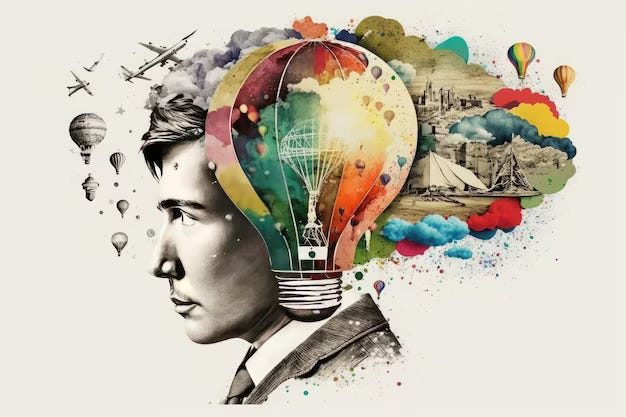
Art education serves as a crucible for children’s boundless creativity and imagination. By immersing in the rich textures, bold colours, and multi-sensory experiences, they uncover the limitless spectrum of their minds’ potential.
This vibrant exploration fosters an environment where young learners embrace inspiration, innovation, and originality, essential traits that catalyse cognitive development and future triumphs.
\ Techniques for Stimulating Imagination
Engaging children in art education involves a flourish of innovative activities, each designed to spark imagination. Techniques such as role-playing and storytelling lay the groundwork for creative thinking.
Visualisation exercises, where children envision a “world beyond”, present an arena of limitless ideas. This approach is not only a window into their imagination but firmly anchors their creative experiences.
Creative problem-solving skills are heightened when children are encouraged to view challenges through an artistic lens.
Incorporating methods like mind-mapping and brainstorming further encourages open-ended exploration, activating the brain’s vast creative network. This multifaceted strategy promotes an enriched cognitive development that is pivotal for navigating complex real-world scenarios. Such techniques, reinforcing imaginative prowess, ensure a resilient foundation for lifelong learning and innovation.
\ Art Education and Brain Development
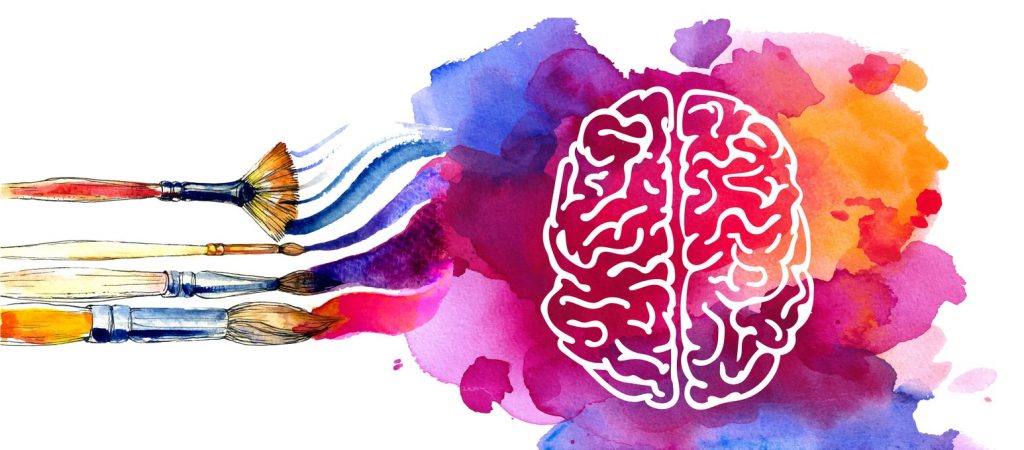
Art education, with its multifaceted approach, offers more than just aesthetic experiences; it fosters crucial brain development.
The integration of artistic activities into a child’s routine significantly enhances neurological growth, particularly in areas associated with critical thinking, problem-solving, and emotional intelligence. Studies in neuroscience reveal that engaging with art activates both hemispheres of the brain, leading to improved synaptic connections and increased cognitive flexibility. This holistic brain engagement is crucial for nurturing diverse intellectual capabilities.
Furthermore, art education cultivates a supportive environment for innovative thought processes. As children experiment with different mediums, they learn to adapt and reevaluate, honing their ability to think outside the box. This creative adaptability not only strengthens their problem-solving acumen but also fortifies their resilience in face of challenges.
Consequently, the profound impact of art education on brain development cannot be overstated. By nurturing a child’s intrinsic love for creativity, educators are not only enhancing their intelligence but also equipping them with the mental agility to excel in the ever-evolving landscape of tomorrow. This underscores the transformative power of art education, illuminating the path towards a future rich with possibilities and boundless exploration.
\ The Impact on Social Skills
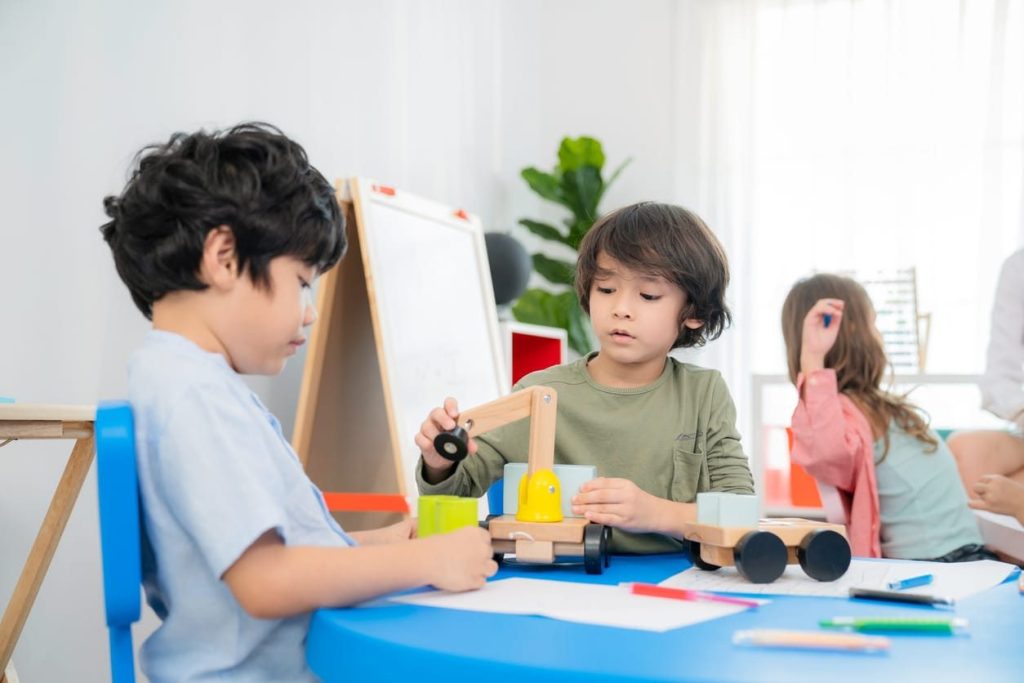
Art education significantly enhances children’s social skills, offering platforms for collaborative projects, a shared understanding, and a safe space for the expression of collective emotions.
Participating in art activities enables children to grasp social cues effectively, providing them with endless inspiration for both personal growth and social development.
Moreover, interactive creative sessions foster communication and teamwork, stimulating both (verbal and non-verbal) social interactions.
This participatory nature of art stimulates students to appreciate diverse perspectives, developing their empathetic comprehension.
Through group projects, children experience firsthand the importance of listening, respecting different opinions, and contributing to achieving common goals, which ultimately strengthens peer relationships.
Undoubtedly, the role of art in shaping one’s way of engaging with others endures. Equipping young minds with these social tools fosters confident societal interactions.
\ Encouraging Lifelong Learning
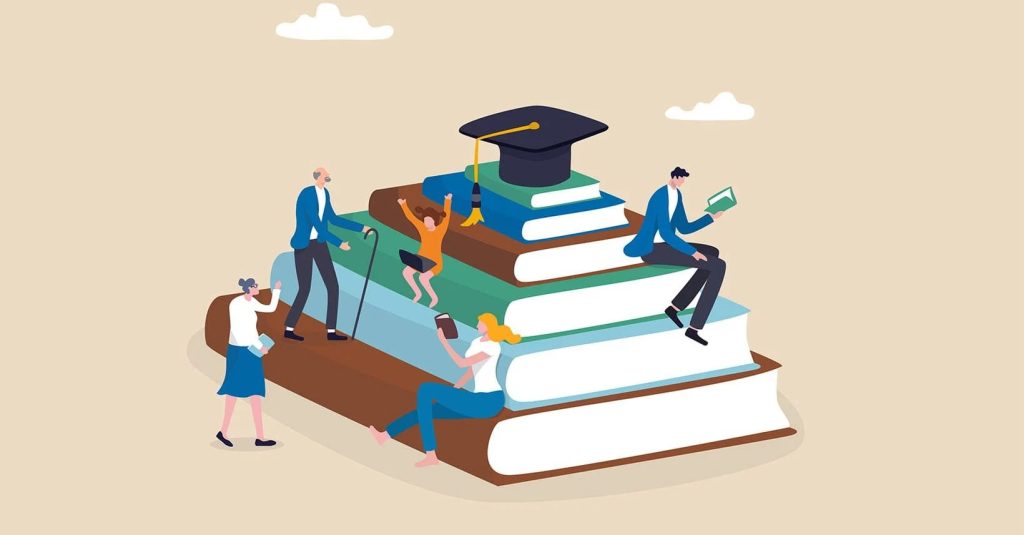
Art education lays the foundation that encourages learners to seek knowledge throughout their lives, nurturing a love for discovery.
When exposed to art education from an early age, children develop an insatiable curiosity that empowers them, enabling a perpetual pursuit of intellectual growth. This creative engagement fuels their imagination and broadens their avenues of knowledge, whether through narrated experiences, multimedia, or hands-on exploration.
Remarkably, art education embeds a dynamic framework of skills that underscores lifelong growth. Through this artistic lens, learners gain more than technical capabilities; they cultivate adaptable minds and foster interdisciplinary connections across various domains.
Therefore, equipping young learners with artistic competencies is instrumental in establishing a resilient mindset towards lifelong learning. This continuous thirst for insight equips them with the confidence to navigate the complexities of a swiftly evolving world, transforming challenges into opportunities and facilitating innovation that drives progress and inspires future generations.


