Skip to content
Tree Art

Creative Art · Ages 3–8

Creative Art For Little Beginners

Our creative art classes for 3 to 8 year olds offer an innovative platform for young minds to express and cultivate their artistic talent. Comprehensive creative courses for little beginners — painting, drawing and outdoor exploration.

Book A Free Trial
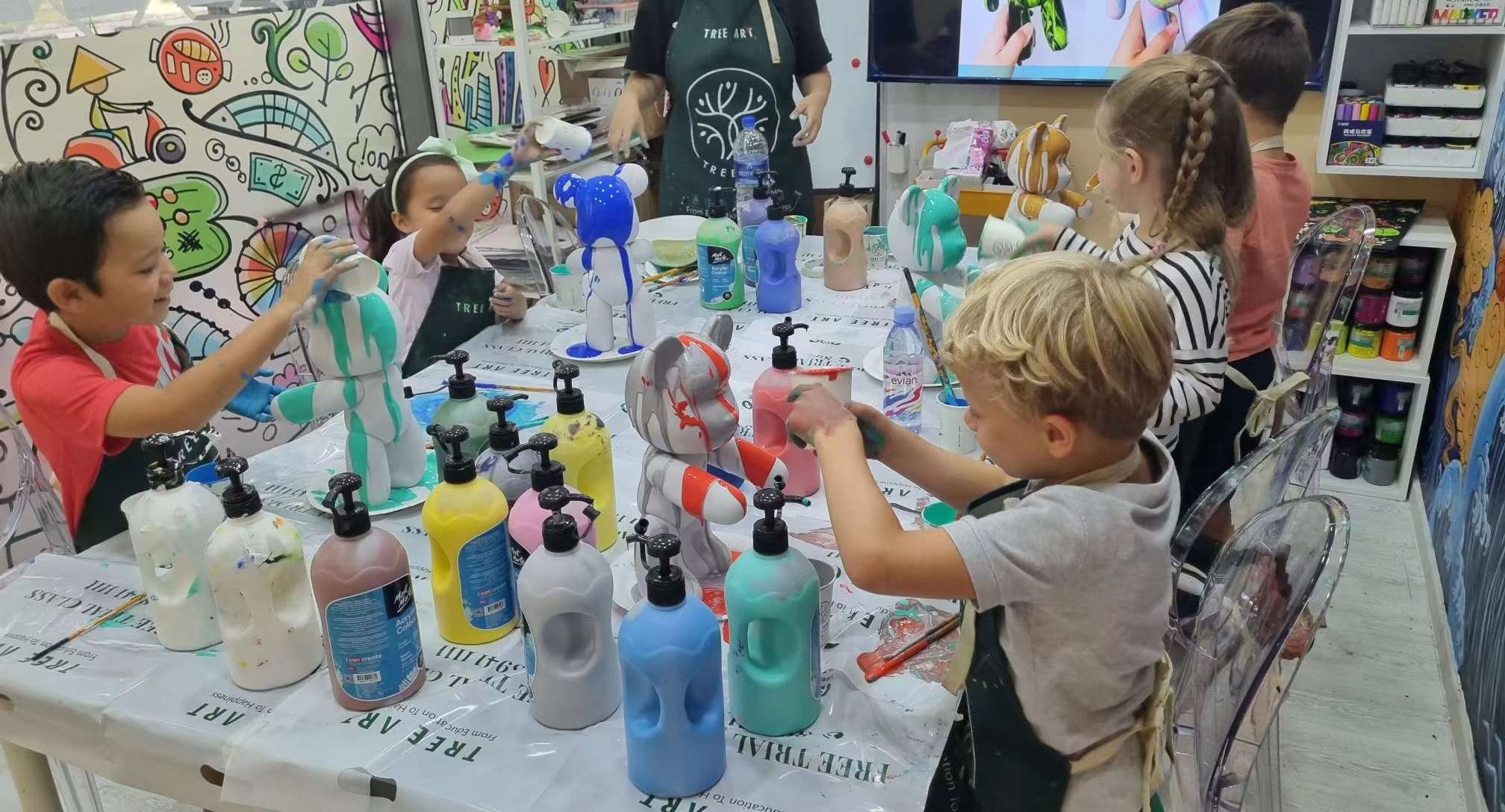
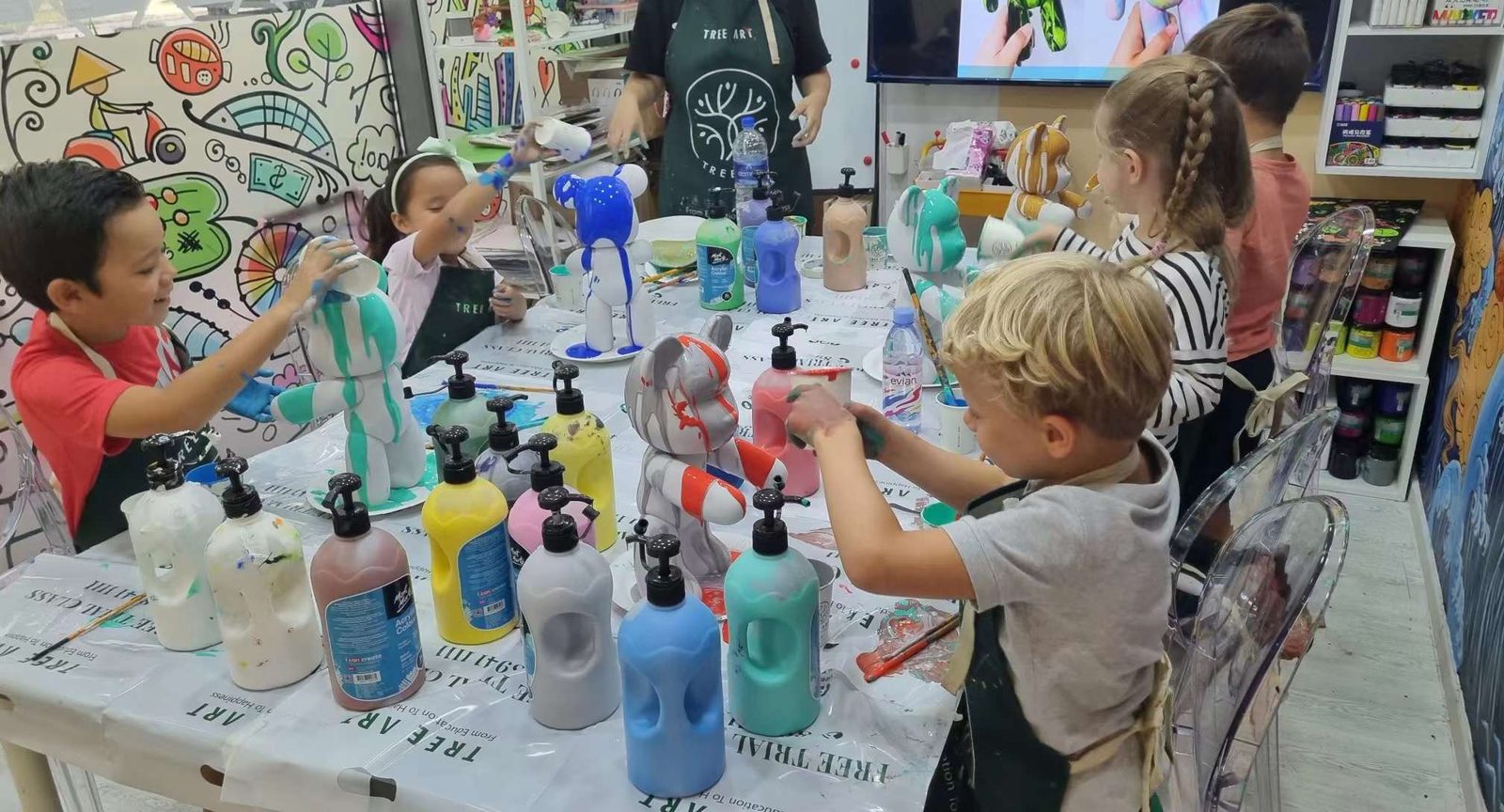
Young children in TREE ART aprons painting ceramic figurines around a studio table lined with colour bottles

Why Start Early

Five Years That Change How A Child Sees

For the youngest, the ages of 3-4 are a golden period brimming with curiosity and the desire to explore — art classes give them a first, unhurried way to use it, building fine motor skills and confidence in a nurturing environment.

Starting later loses nothing. Each of the four stages below opens something the one before it could not: space and figures at four, composition and the first sketching at five, three-dimensional form and real colour theory at six. A child who joins at six begins exactly where six-year-olds begin.

From the TREE ART Journal: Why ages 3–4 matter

Ages And Stages

Four teaching stages from our published Masterpiece Collection, with notes from our classrooms — what your child learns in each, the artists they meet, and a recent work from that age group.

Ages

3–4

First Acquaintance

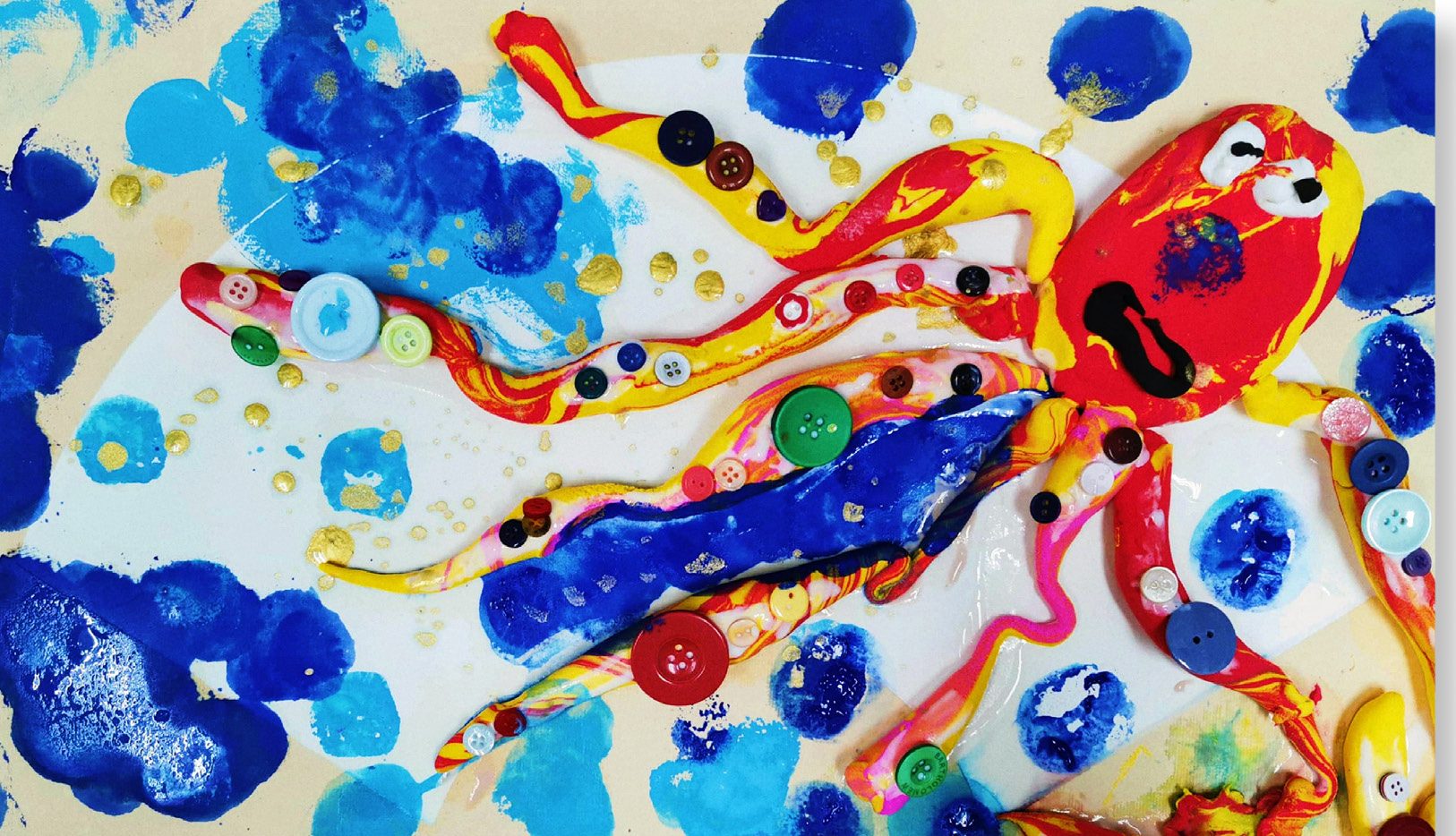
Colour comes first. Children learn its proper terms, try mixing two colours, and build the habit of really looking — at pictures, at shapes — while a first sense of self takes root. Teaching stays gamified for this golden period of curiosity: drawing games like Colour Relay and Shape Transformation, first tries at finger painting and monoprinting, with encouragement always ahead of criticism.

In this stage children meet Wassily Kandinsky, Kazimir Malevich and Paul Klee.

Marbled clay octopus family trailing red and yellow tentacles dotted with colourful buttons, over blue printed bubbles
Octopus Is Coming!clay and buttons · Ages 3–4

Ages

4–5

Pioneering

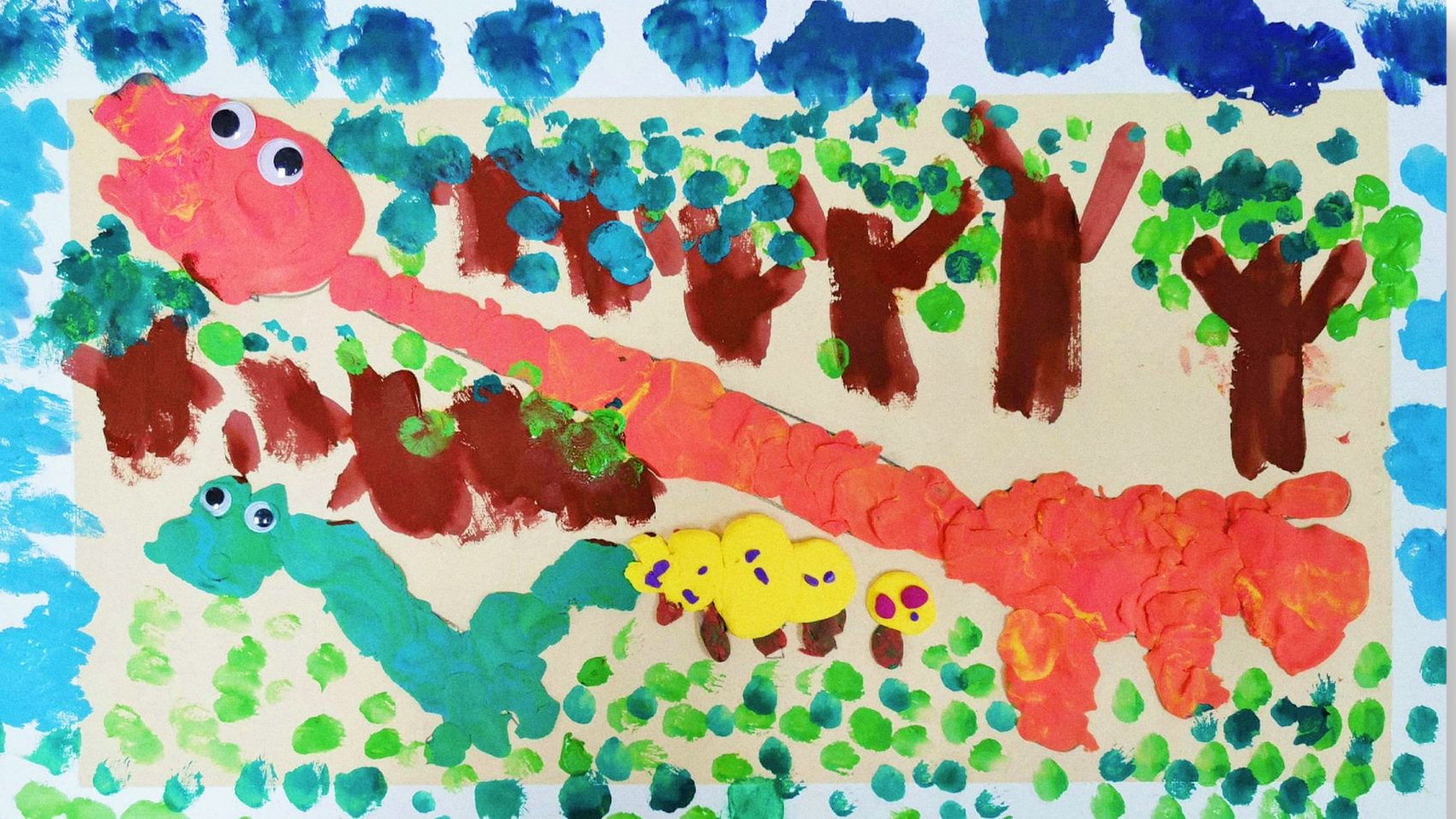
Knowledge-rich lessons cultivate insight, creativity and perception. Space enters the picture — children learn to place things in front and behind, and their compositions grow richer for it. They practise drawing simple figures and expressions, take their first steps in Chinese painting, and put complementary colours to work.

Children meet Frank Stella, Joan Miró and Paul Klee.

Clay dinosaurs with googly eyes wandering a painted forest of brown trunks and dotted green leaves
Long Neck Brachiosaurusclay relief · Ages 4–5

Ages

5–6

Outbreak

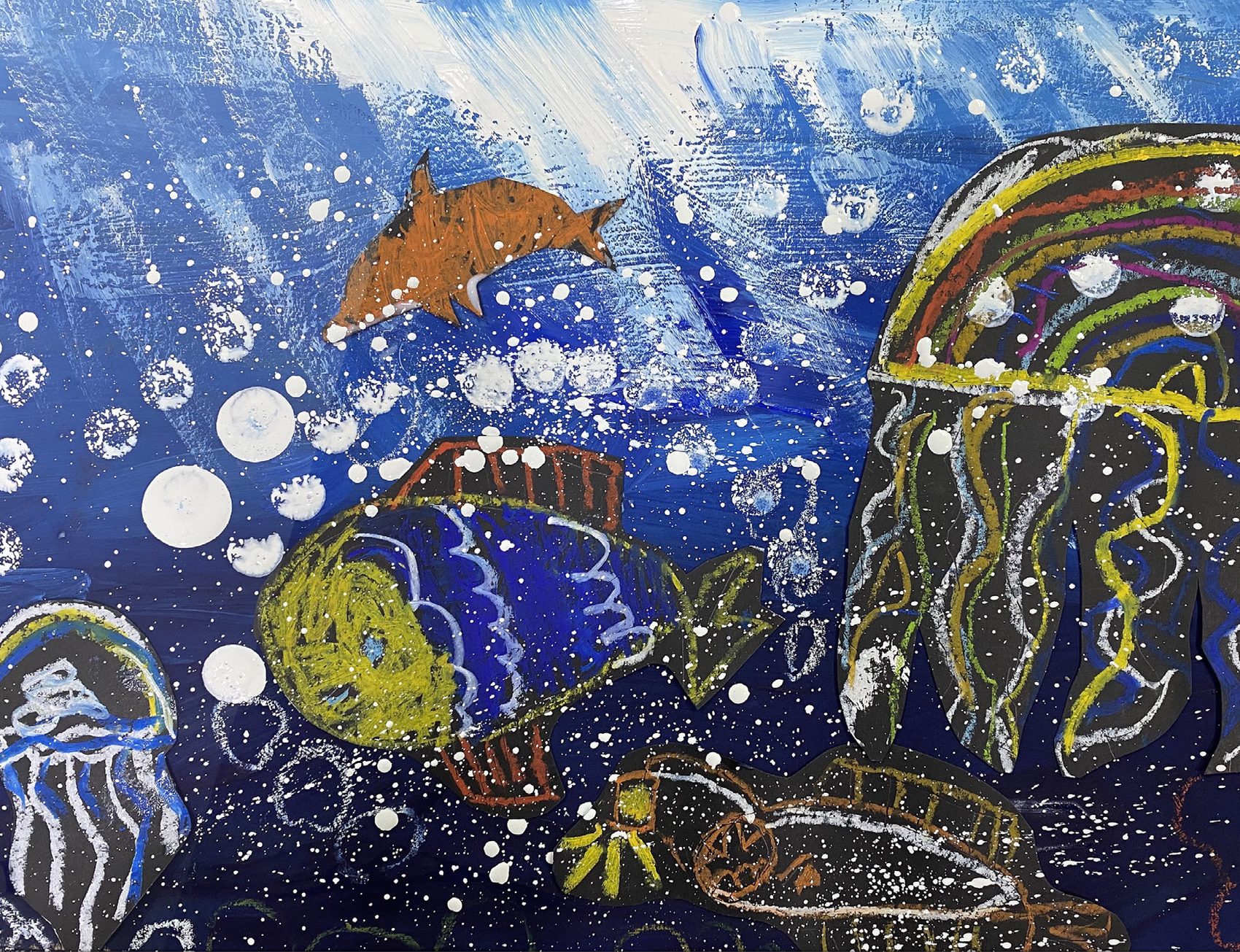
Creativity and imagination hit full stride. Design lessons open a comprehensive perspective: children compose with dots, lines and surfaces, and begin sketching and copying to strengthen modelling. They learn to tell similar, complementary and cool-warm colours apart, and to handle density and occlusion so a picture holds together as a whole.

Children meet artists including Robert Delaunay, Yayoi Kusama and Wu Guanzhong.

Deep blue underwater scene with falling light rays, a dolphin, a patterned fish and jellyfish trailing colourful streamers
Seven Points Bluemixed media · Ages 5–6

Ages

6–8

Pending

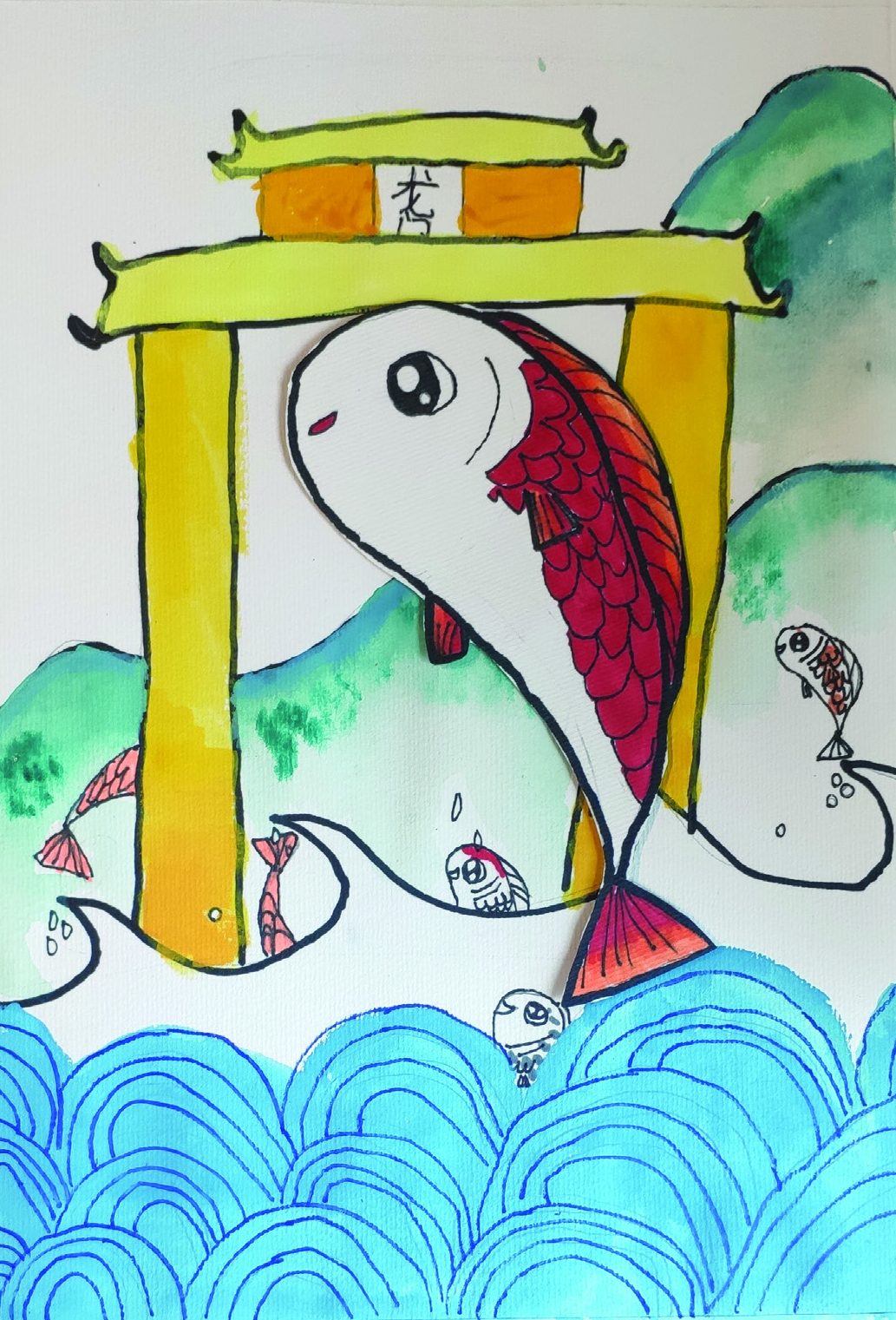
Creativity and professional skill begin to merge, and a personal sense of beauty emerges. Children draw from memory in silent-painting practice, grasp objects in three dimensions, and study colour properly — brightness, purity and hue — with first tastes of creative sketching and art history. This is the stage where creativity and craft come together, so that by age eight young artists are ready for Professional Art.

Children meet artists including Pablo Picasso, Vincent van Gogh and Claude Monet.

Red and white koi leaping through a golden dragon gate above swirling blue waves
Carp Big Splashwatercolour and collage · Ages 6–8

The First Class

Inside A First Lesson

For many young children this is their first structured introduction to art. A first lesson has a shape parents can picture.

  1. A Warm WelcomeThe teacher introduces themselves and walks through the class rules in terms a young child can follow.
  2. Meeting The MaterialsCrayons, markers, paint and brushes come out, with a short demonstration of how each one is used.
  3. A First ProjectSomething simple — drawing, colouring or painting. The emphasis is on exploration, not a perfect piece.
  4. Praise Before CritiquePositive feedback throughout, so children leave proud of their effort and eager to come back.
  5. Show And TellChildren share their artwork with classmates — an early exercise in communication and teamwork.

One practical note: dress your child in clothes that can take a splash of paint.

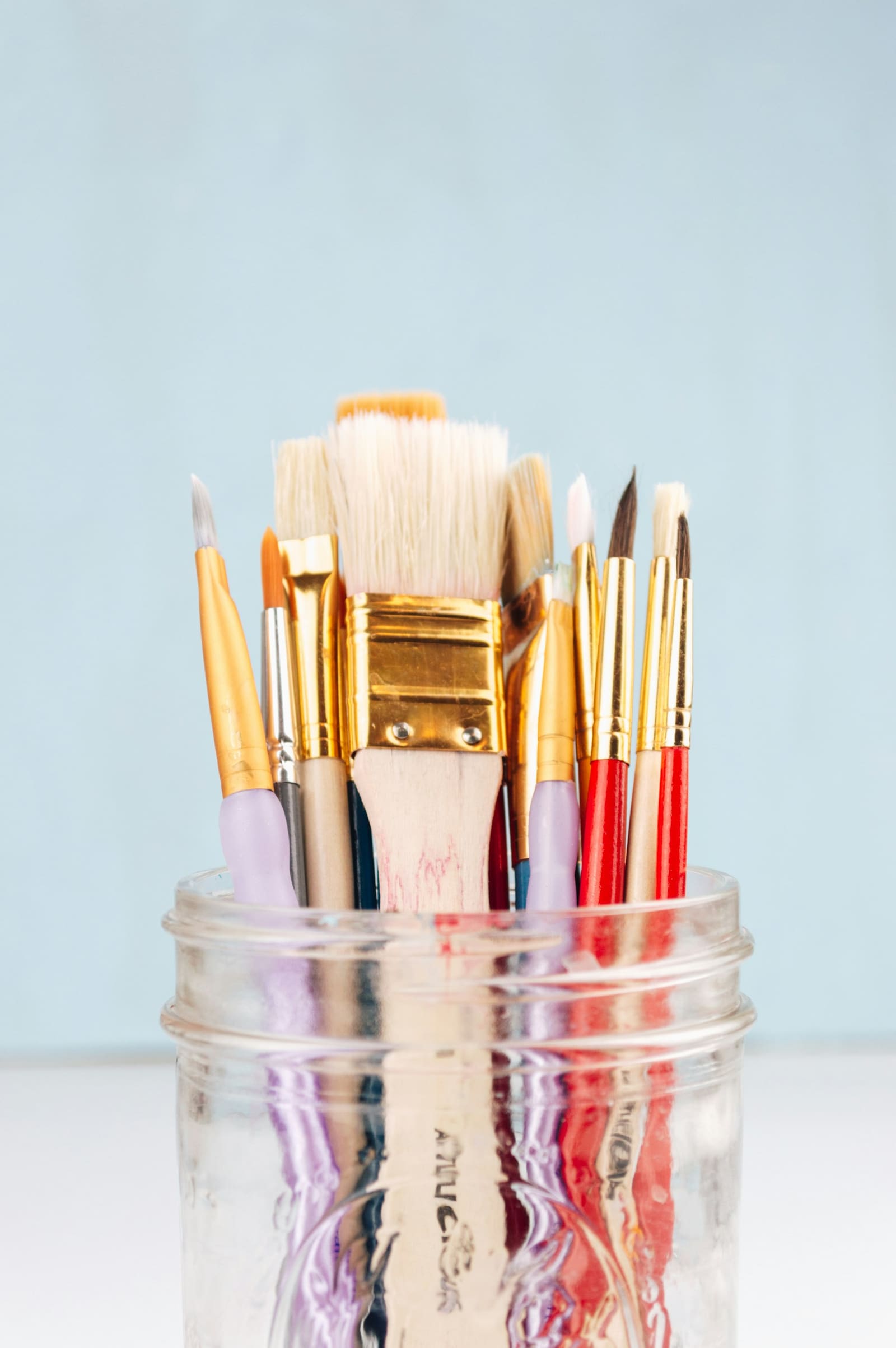
Assorted paintbrushes standing in a glass jar against a pale blue background

Comprehensive Materials

Graphics Sculpture And Ceramics

Designed specifically for little hands and great minds, our courses offer kids an immersive journey into sculpture, ceramics and printmaking with comprehensive materials — and into graphic design too.

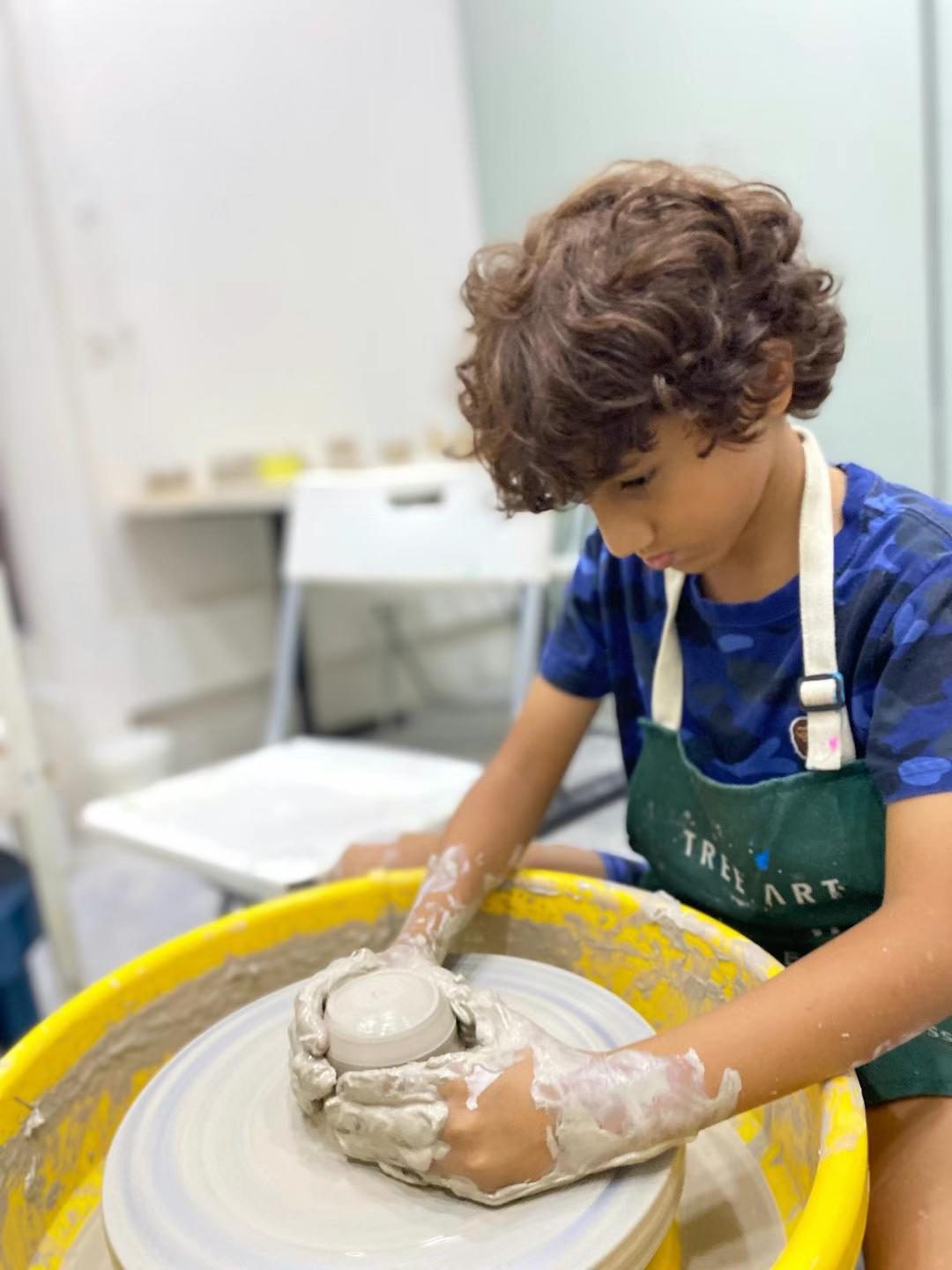
Boy in a TREE ART apron shaping a clay pot on the pottery wheel
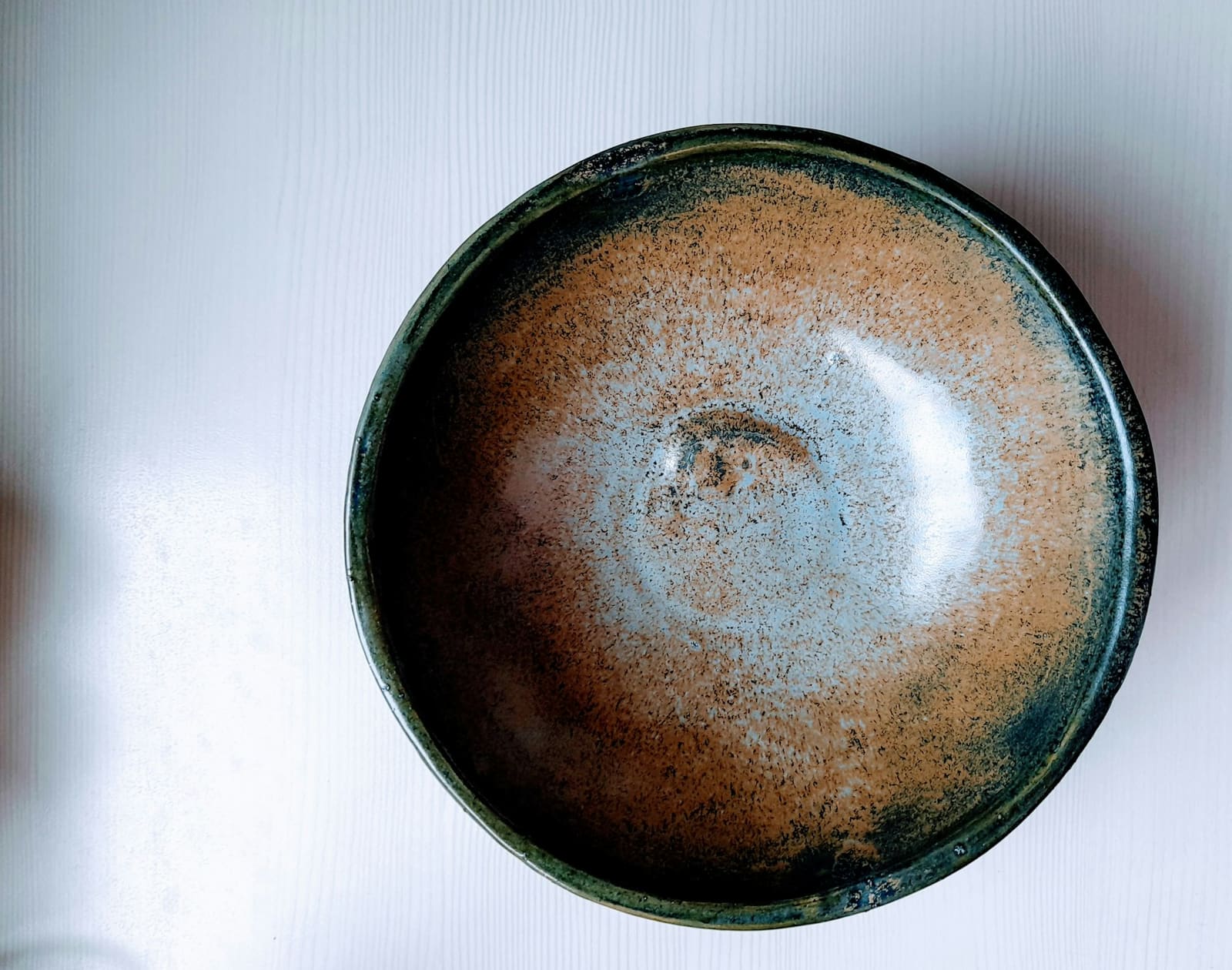
Glazed ceramic bowl viewed from above, its speckled tan centre shading into a deep blue-green rim
At the wheel, and what comes off it — a glazed, speckled bowl finished in the kiln
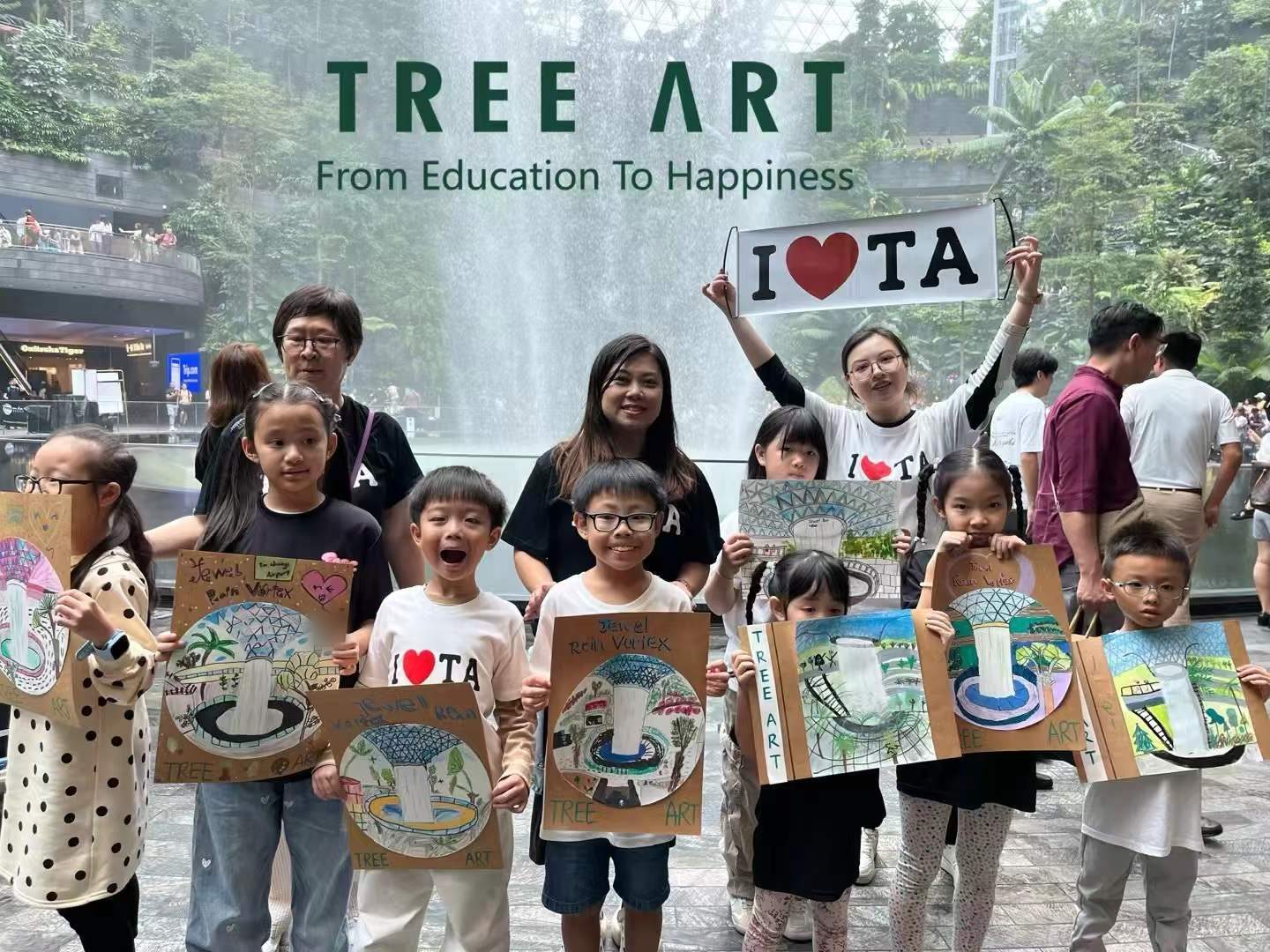
Students and teachers holding up their finished Rain Vortex paintings in front of the Jewel Changi waterfall
A sketching day at Jewel Changi — finished works held up before the Rain Vortex

Learning Together

Outdoor Drawing And Teamwork

Children learn better in a group. Our team-focused art classes promote camaraderie and foster essential social skills. Outdoor drawing sessions help your child appreciate nature and explore their creativity, while our dedicated artist learning curriculum develops their drawing prowess.

Our young artists have sketched on location at Jewel Changi, CHIJMES, the Singapore Chinese Cultural Centre and the Lee Kong Chian Natural History Museum.

From the TREE ART Journal: March Sketching Classes · Sketching Outdoors At CHIJMES · Why Group Art Classes Matter

Broaden Horizons

Beyond The Classroom

To further enrich your child’s artistic journey, we host family activities to foster a love of art in the entire family. Our students also participate in international competitions, opening doors to global opportunities and broadening their artistic horizons. Alongside, our idea creative training encourages innovative thinking, making us the preferred choice for art classes for children.

See where their work travels: Competition Highlights

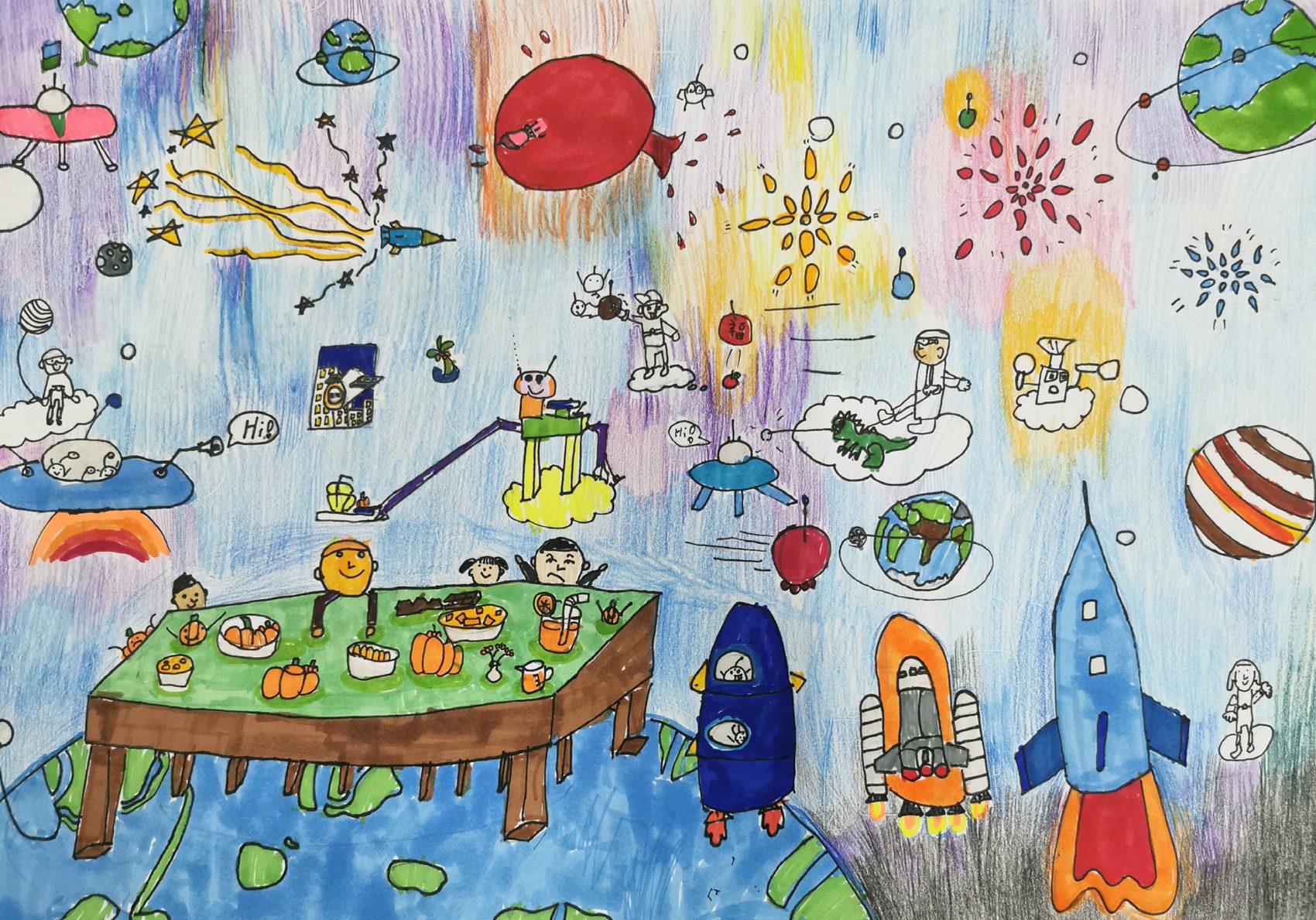
Marker and colour-pencil illustration of astronauts sharing a feast at a long table floating in space
Andersen Award entry — marker and colour pencil · Ages 7–8

From The Journal

Reading For Parents Of Young Artists

The System Behind It

Built On The REMAT Curriculum

REMAT is TREE ART’s self-developed curriculum, based on Jerome Bruner’s Spiral Curriculum — key concepts return again and again, each time with deeper complexity, matched to your child’s age from 3 to 18. Creative Art is where that spiral begins.

Explore the REMAT curriculum

The Masterpiece Collection

What The Stages Look Like On Paper

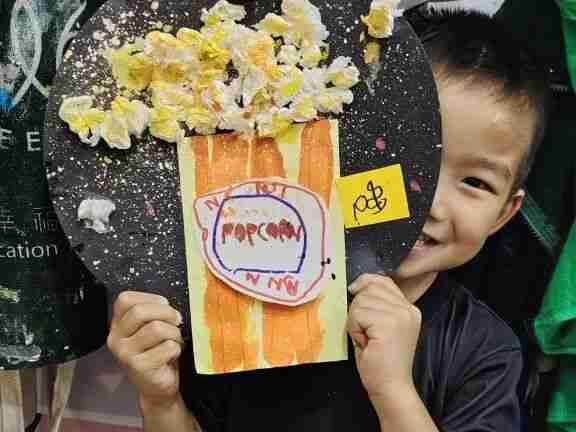
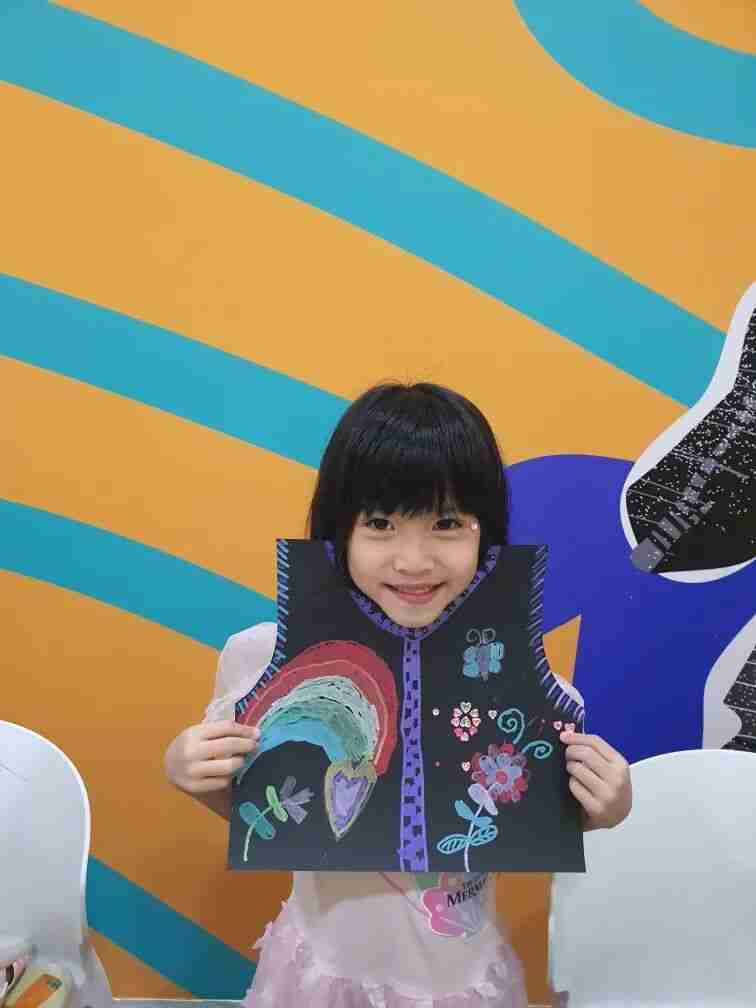
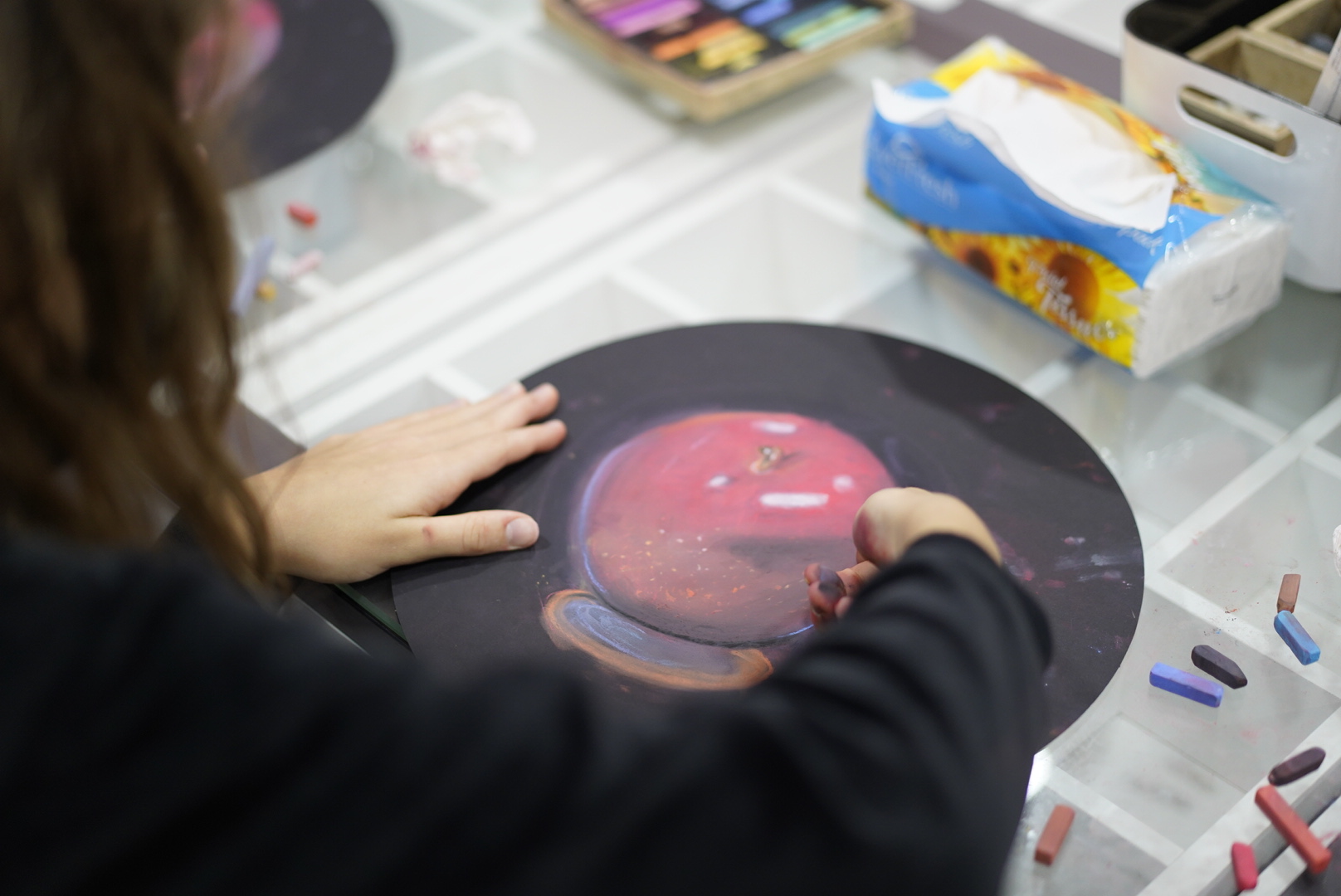
Nine recent works by Creative Art students aged 3 to 8 — clay, watercolour, paper sculpture, pastel, scratch art, collage and design, spanning all four teaching stages. Labels carry the artist’s age at the time. Click any work to see it up close.

Idea Creative Training

More Than Artistic Skills

Our art class ideas for preschoolers and older children incorporate Idea Creative Training to foster innovation and originality. By encouraging free-thinking and experimentation, we prepare our young artists not only to create beautiful artwork but also to think creatively across all areas of life.

Next step: Professional Art →
Close-up of a child's hands blending a red soft-pastel apple on black paper

FAQ

Questions Parents Ask

What ages are the creative art classes for?

Our creative art classes are for 3 to 8 year olds and for beginners.

Where are classes held?

Tree Art teaches across Singapore, and campuses have their own WhatsApp lines for bookings.

What does my child learn beyond drawing?

Teaching young children to draw is more than just imparting artistic skills; it develops observation, communication, perception, imagination, and creativity.

When does my child move to Professional Art?

Age eight is the handover. The Pending stage (ages 6 to 8) closes Creative Art, and Professional Art picks up from there with three tracks — Fine Arts, Design and Exploration — so your child can follow the direction that matches their interests and goals.

What materials will my child use?

Painting, drawing, printmaking, sculpture and ceramics. Tools are sized for little hands — large brushes and chunky crayons — and all materials are provided by Tree Art.

How big are the classes?

Classes are kept small, with one teacher to at most six students.

How long is a class?

The free trial class runs 60 minutes, with all art materials provided.

Can I stay with my child during the class?

We ask parents to sit this one out — children attend on their own, at trial and regular classes alike. A little independence helps young artists settle in, focus and feel proud of what they make themselves.

What language are classes taught in?

Classes at every campus are taught in English.

How do we try a class?

Book a free 60-minute trial. It is open to every student aged 3 to 18, so any child in the 3 to 8 Creative Art range can come and try. All art materials are provided — just bring your child's water bottle.

Enrol Today

Begin The Journey Near You

Enrol today in our art classes for beginners and embark on the journey of creativity with your little ones.

Ready To Start Their Art Journey

Free trial class for ages 3 to 18

Book A Free Trial