
周末带娃去哪儿?大概是每个家长的“世纪难题”。
想远离人挤人的游乐场,带娃去美术馆陶冶情操、感受美好,结果往往事与愿违:精心准备了半天,孩子却要么东奔西跑、坐立不安,要么盯着画作一脸茫然,追问之下只说“看不懂”“不好看”,最后匆匆逛完,除了几张打卡照片,什么也没留下。

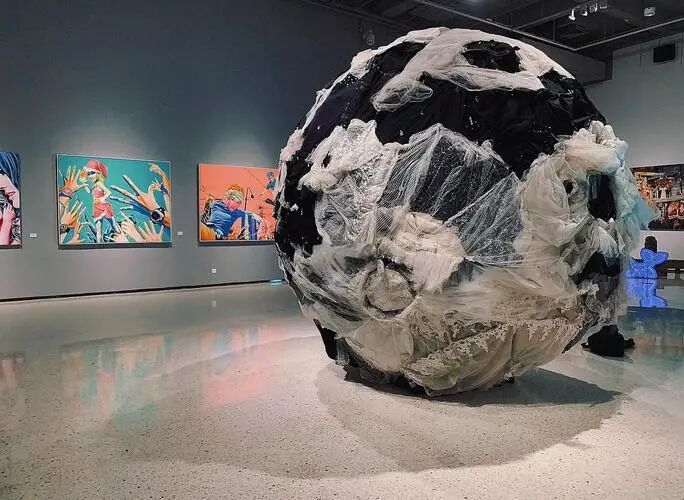
难道孩子真的不喜欢艺术?美术馆就注定是带娃的“雷区”?
其实不然——孩子从来不是不喜欢艺术,而是我们用错了“打开方式”。
美术馆从来不是成年人的专属领地,也不是需要“高深知识”才能进入的殿堂,对于孩子而言,观展的核心从不是记住多少画作名称、了解多少艺术流派,而是点燃对艺术的兴趣,学会用自己的眼睛观察、用心灵感受。

part.01 去之前:给孩子种下“期望的种子”

很多家长带孩子看展是“突袭式”的,没有任何铺垫,直接把孩子扔进陌生、安静的展厅,孩子感到无聊和抗拒,其实再正常不过。
观展的准备,核心从不是背知识点,而是帮孩子消除陌生感,让“去美术馆”变成一件满心期待的事。可以根据孩子的年龄和兴趣选择展览。例如,喜欢动物的孩子可选择自然主题展览,喜欢色彩的孩子可选择现代艺术展。
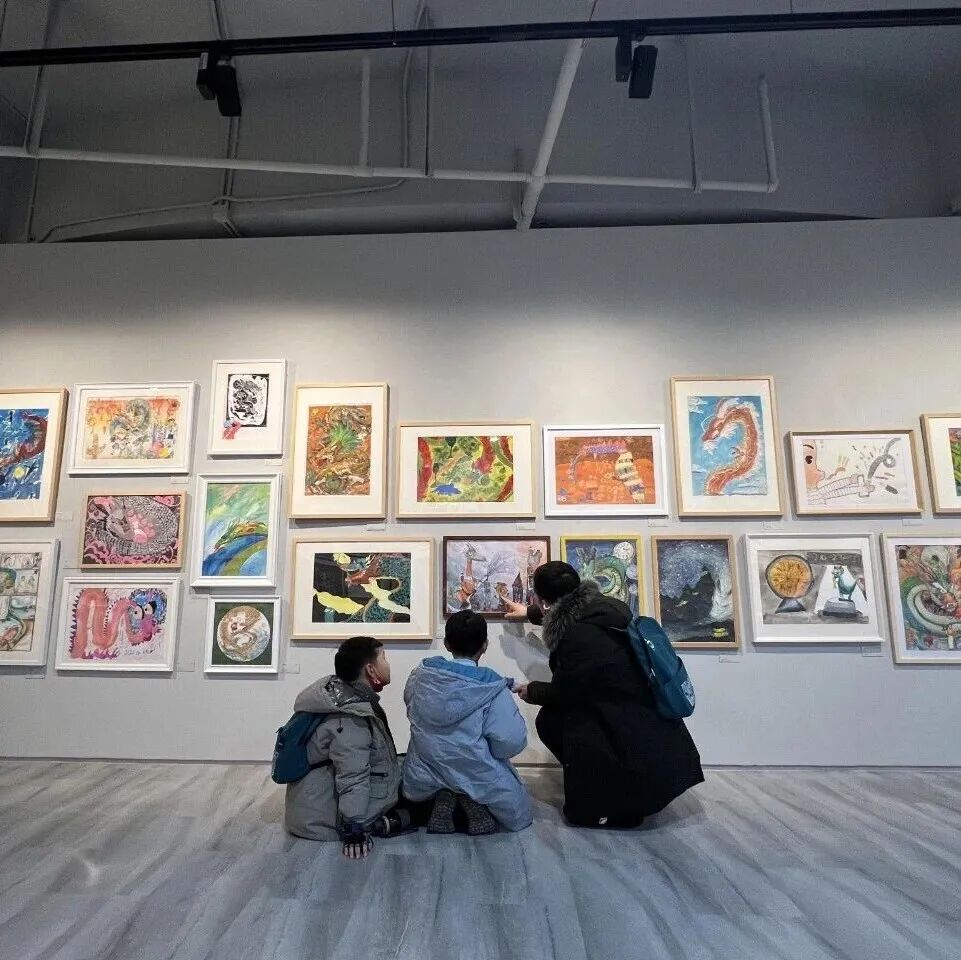
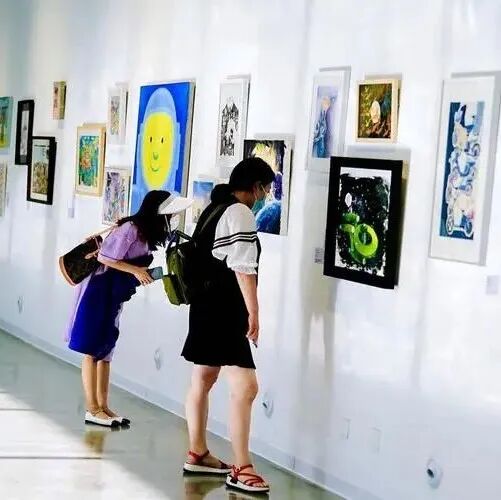

1.把艺术家变成“故事主角”

去之前,不要把重点放在背诵生硬的艺术史上。试试用讲故事的方式引入:“今天我们要去见一位特别的老爷爷,他特别喜欢画圆圆的西瓜”,或者“有一位很浪漫的叔叔,最爱画闪烁的星空,仿佛能看到星星在眨眼睛。” 当孩子对“人”产生了好奇,他们自然会对“作品”感兴趣。
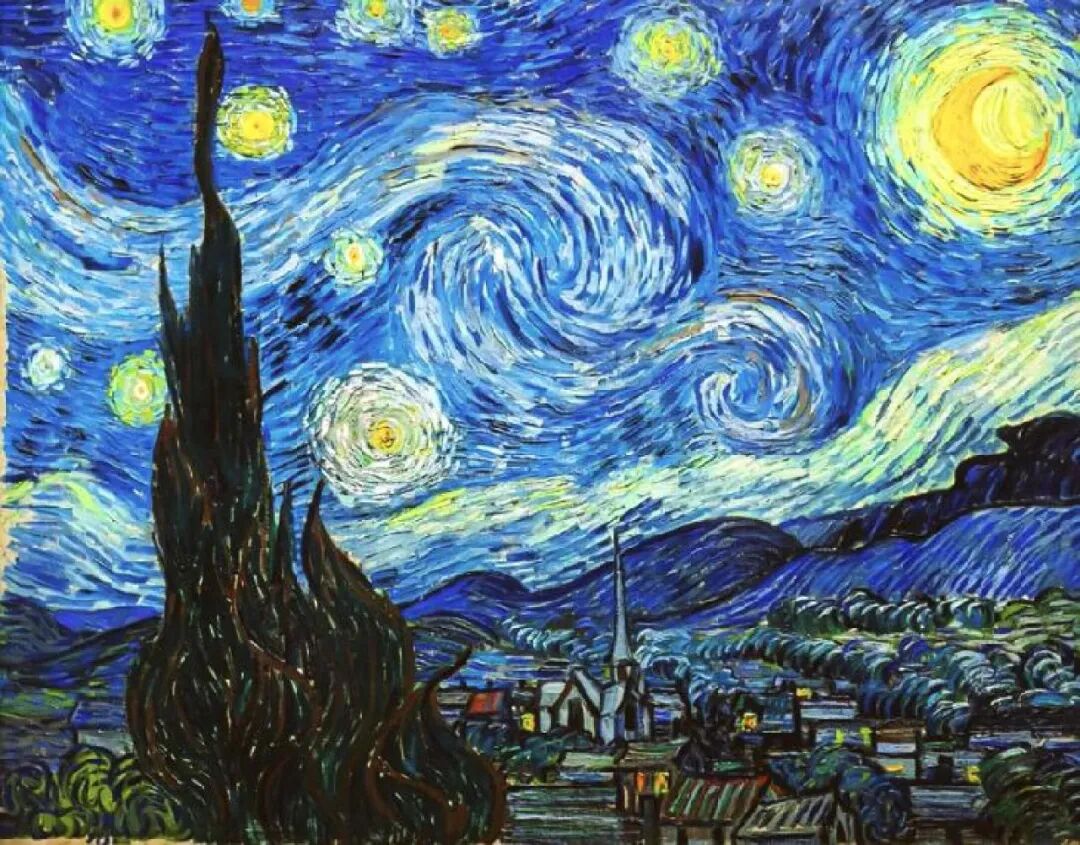
Van Gogh, The Starry Night
梵高《星空》
2.玩一场“图片寻宝”游戏
提前上网搜一下这次展出的几幅代表作,存到手机里,或者打印成小小的卡片。给孩子布置一个专属任务:“今天我们要去画里找这只小猫,看看它在画里的哪个角落?”把枯燥的参观,变成一场充满惊喜的寻宝,孩子的主动性瞬间就被点燃了。
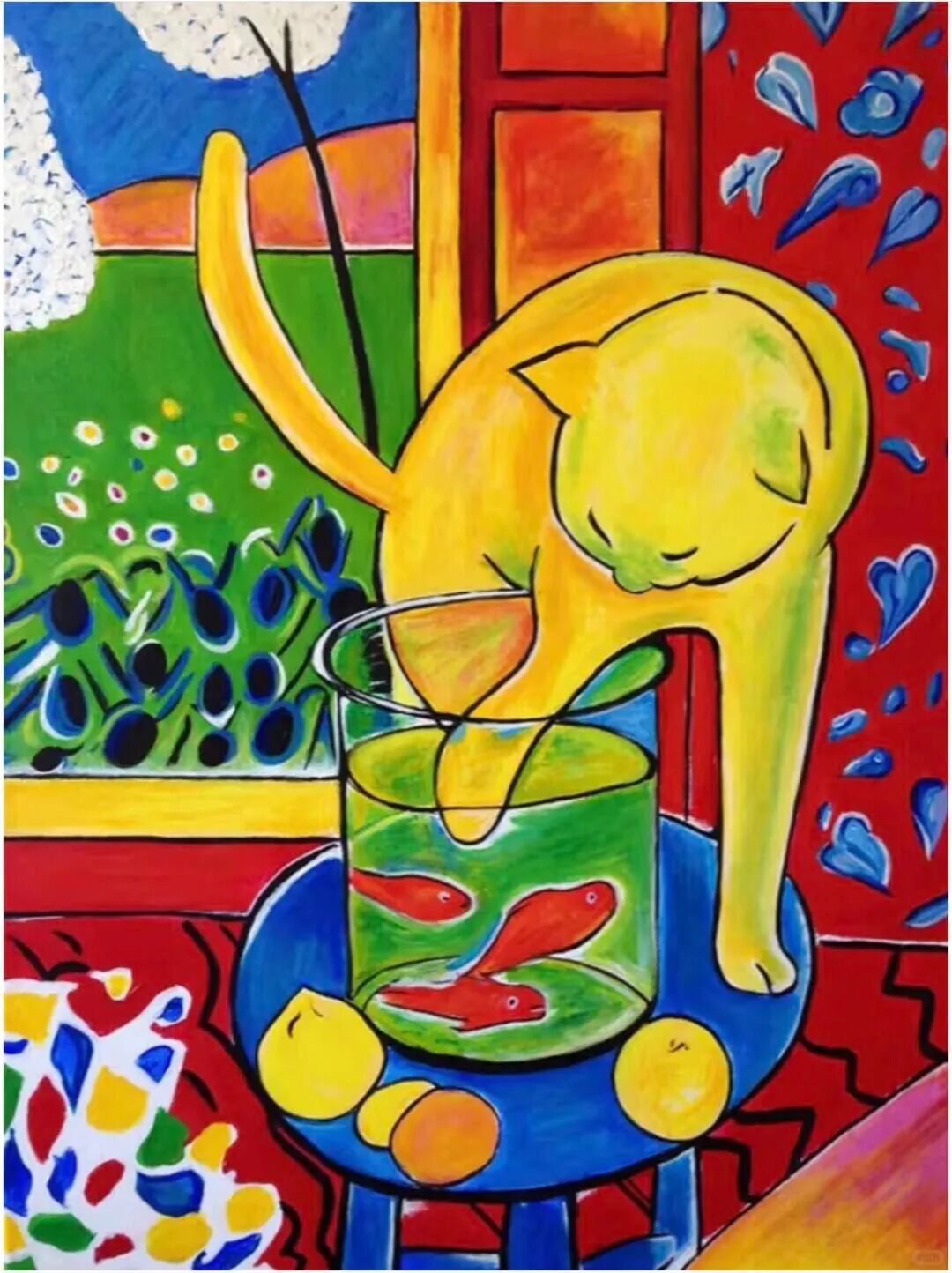
Matisse, Cat and Red Fish
马蒂斯《猫和红鱼》
3.制定简单的“观展契约”
出门前,和孩子温柔约法三章,建立规则感,而不是用“不许乱跑”“不许碰画”的强硬恐吓。可以这样说:“宝贝,我们去美术馆看漂亮的画,有一个小约定哦——我们只用眼睛看,小手要背在后面,或者离画远一点,因为画里的颜料宝宝很脆弱,怕被我们碰疼;另外,展厅里要轻轻走路、小声说话,不要打扰到别人,好不好?” 温柔而坚定的约定,孩子更容易接受和遵守。
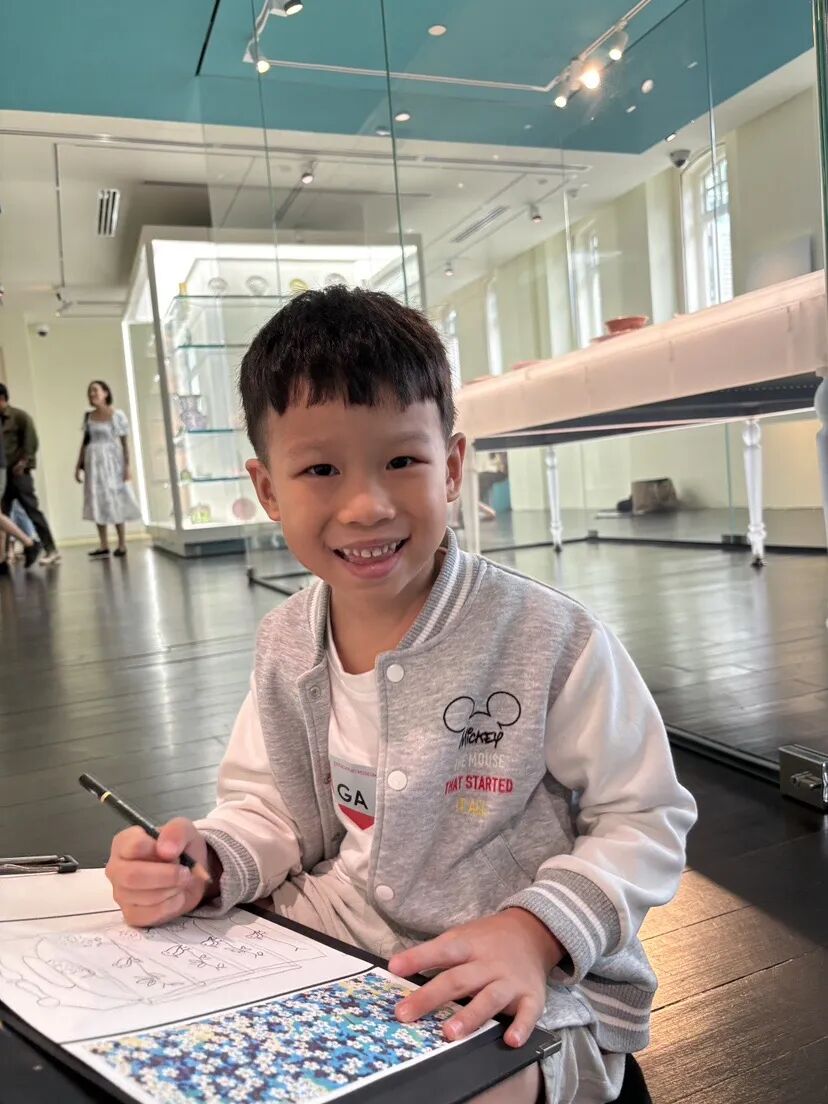
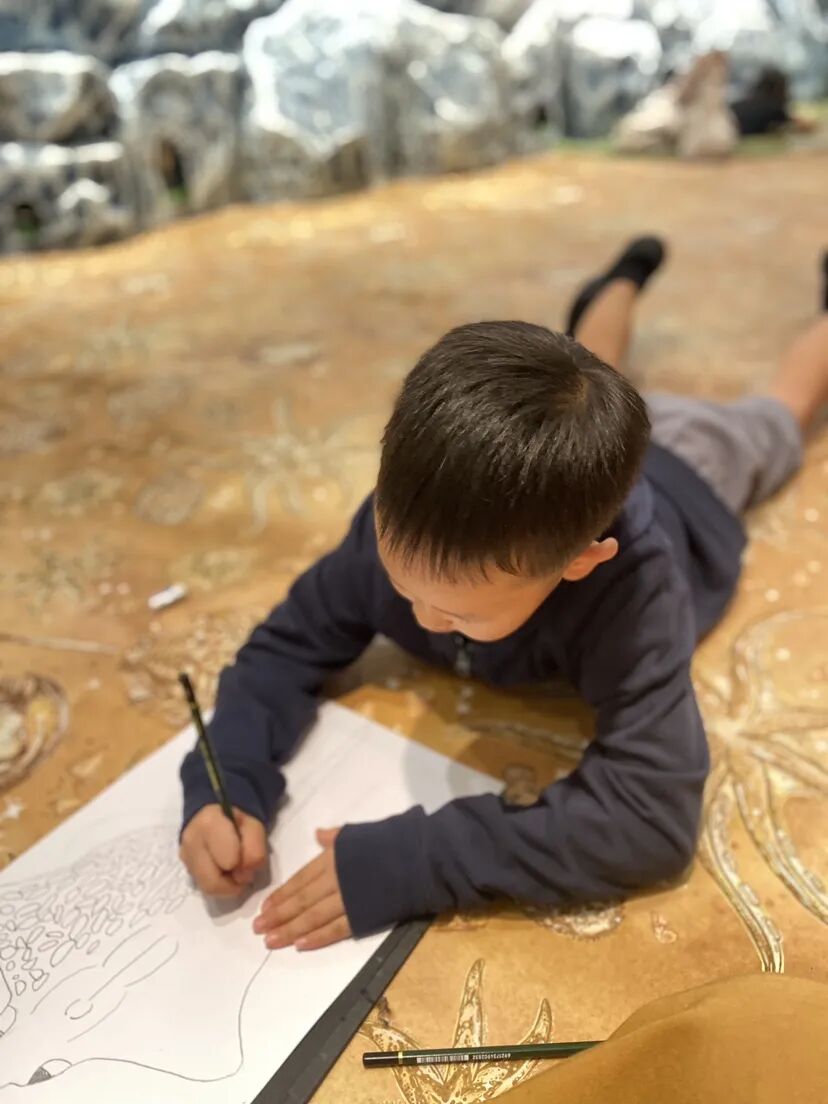
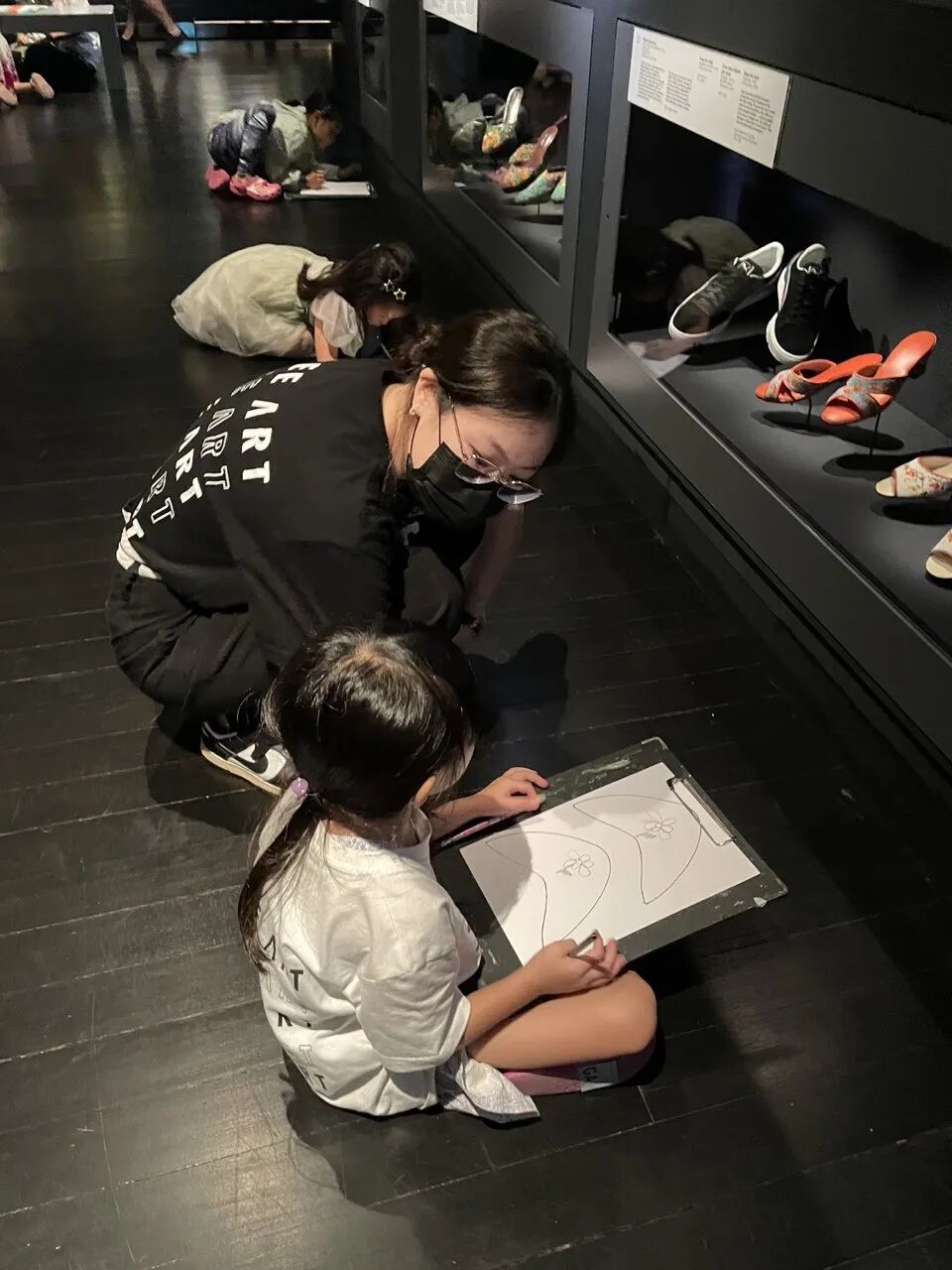
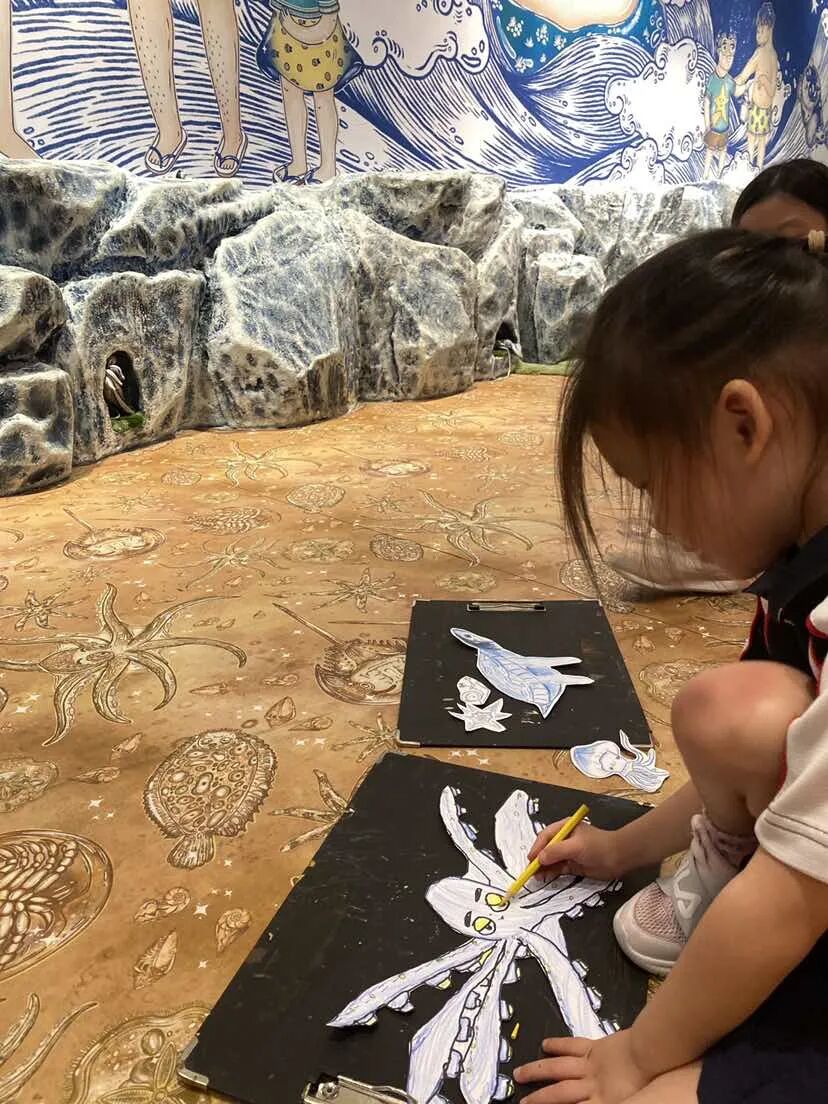
最后,准备简单的观展工具。不用带复杂的装备,一支画笔、一个小本子就足够了——让孩子可以随时记录下自己看到的喜欢的细节,或者画下自己的感受;如果孩子年龄较小,可以带一瓶水和少量小零食,避免因为口渴、饥饿影响观展心情,但要记得遵守美术馆的规定,不在展厅内进食。
part.02 在现场:用3个问题打开孩子的“艺术之眼”
走进美术馆,切忌“灌输”,不要急着念导览词:“这是毕加索1907年的立体主义代表作……”孩子听不进去,也不需要。
真正打开孩子艺术眼睛的,不是知识点,而是好问题。记住这三个简单的问题,就能轻松打开孩子的艺术眼睛,让他们主动去观察、去思考、去表达。
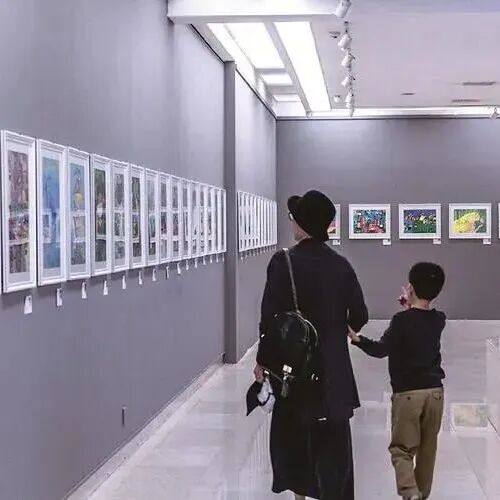
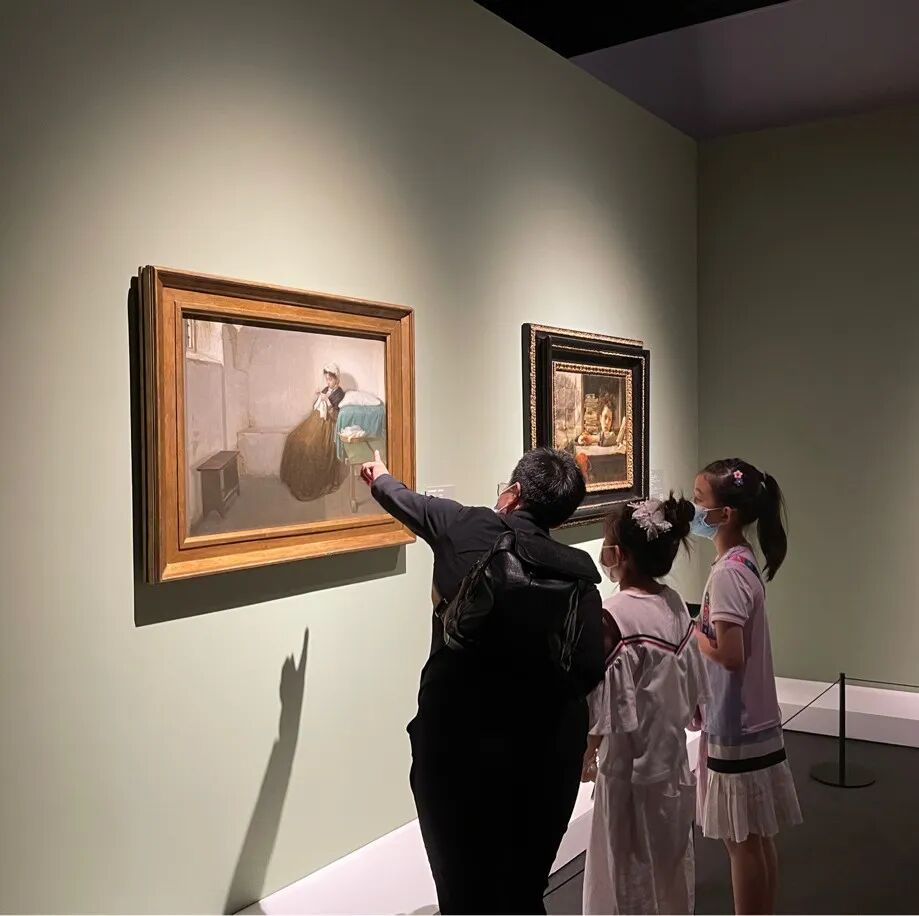
第一问:“你看到了什么?”
这个问题看似简单,却是引导孩子观察的第一步。不要打断孩子的回答,让孩子用自己的语言描述画面——他注意到什么颜色?什么形状?有没有奇怪的地方?哪怕孩子说“这个人有三只眼睛”“马在飞”,都请认真点头。
孩子的观察角度往往充满童真,他们看到的细节,可能是成年人忽略的美好,而这份纯粹的观察,正是艺术启蒙的起点。没有标准答案,就是艺术最好的答案。
第二问:“你喜欢这幅画的哪里?”
这个问题的核心,是引导孩子表达自己的感受,而不是评判画作的“好坏”。有的孩子喜欢鲜艳的色彩,有的孩子喜欢画里的小故事,有的孩子只是觉得“看起来很舒服”,这些都是最真实、最珍贵的感受。家长要做的,是认可孩子的感受,让孩子敢于表达、乐于表达。
第三问:“如果是你,你会怎么画?”
这是最有魔力的提问。它告诉孩子:你不是这幅画的旁观者,你是它的参与者。
不用要求孩子画得和原作一样,哪怕只是简单的几笔,哪怕只是改变一下颜色、增加一个小元素,都是孩子对艺术的理解和再创造。在这个过程中,孩子会更深入地观察画作的细节,也会慢慢学会用艺术的方式表达自己。
另外,请允许孩子“看不完”。孩子的专注时长有限,不必强求看完所有展品。 如果他在某一幅画前站了很久,哪怕只看懂这一幅,今天都是收获满满的一天。
part.03 回来后:让艺术的余温延续
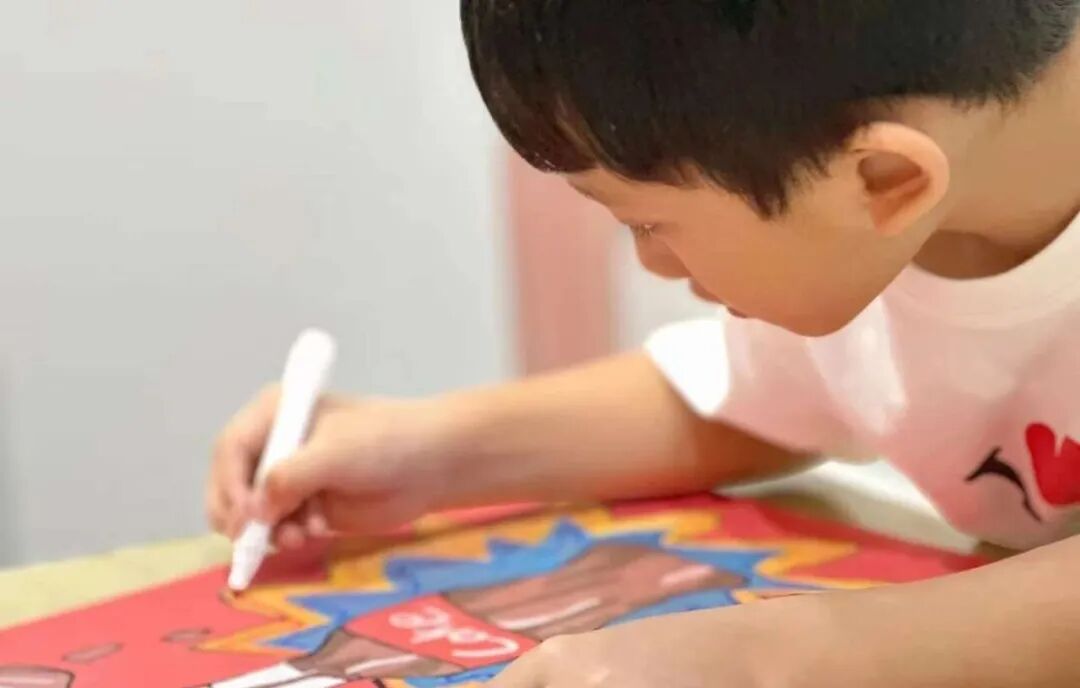
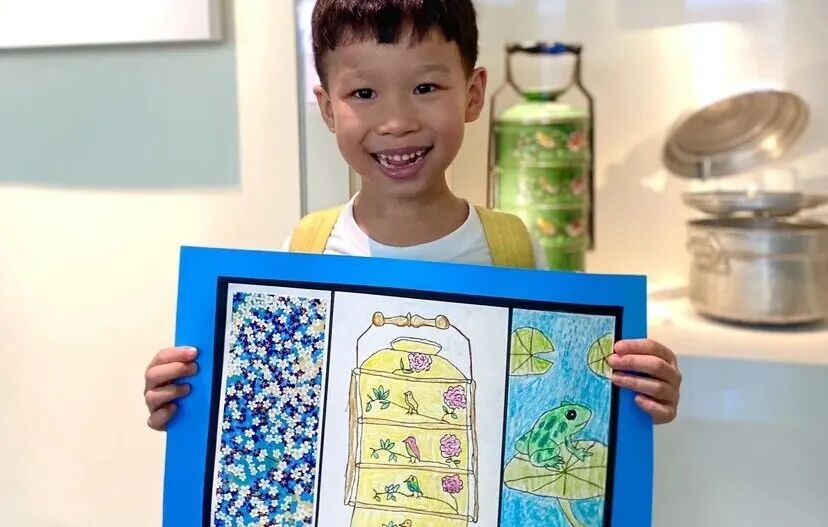
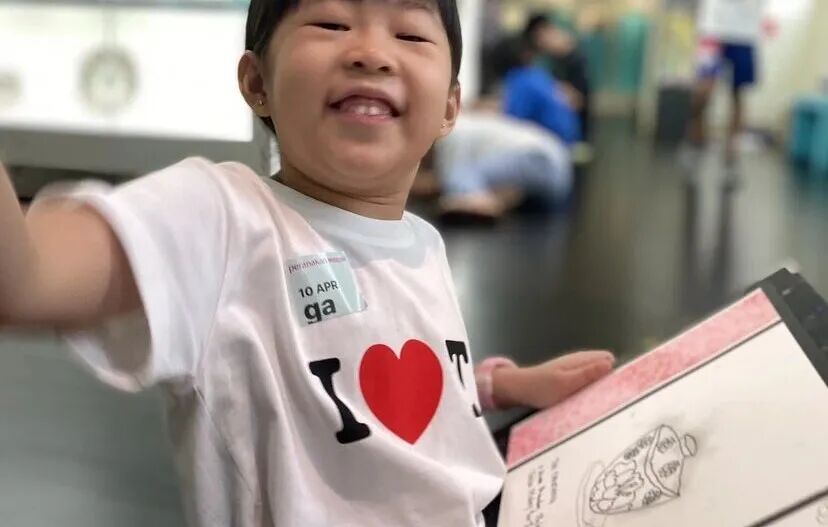
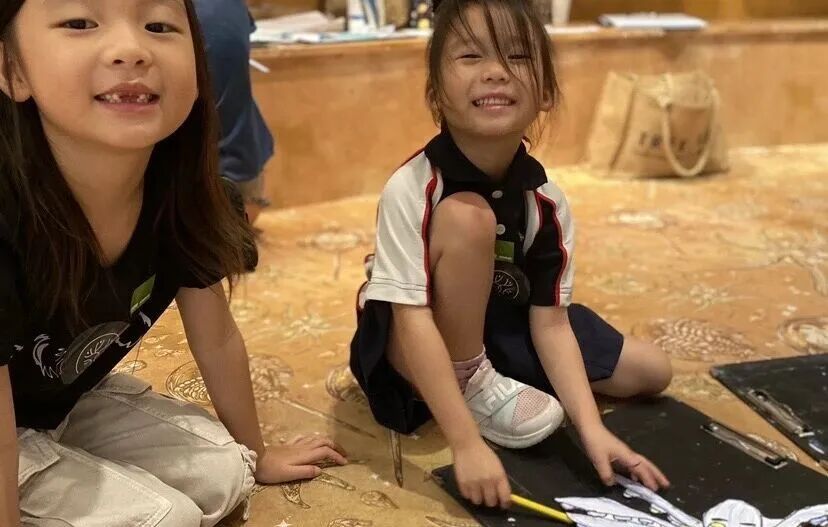
很多家长觉得,走出美术馆,艺术之旅就结束了。
其实,真正的发酵,才刚刚开始。

让画“住”进家里

在冰箱贴一张美术馆买的明信片,或者把展览手册放在茶几上。偶尔路过时随口问一句:“你还记得那幅有很多鱼的画吗?”不经意的提起,比刻意复习更有效。
允许孩子“画不像”
回家后孩子可能会拿起画笔,画出他记忆里的那幅画。请一定不要评价“不像”、“不对”。他说他画的是蒙娜丽莎,那就是蒙娜丽莎。艺术教育最重要的成果,不是画得像,而是敢于画。
把艺术和生活链接
某天路过一片好看的树影,可以轻声说:“这个影子像不像我们上次在美术馆看到的那幅抽象画?”某天吃到颜色漂亮的蛋糕,可以说:“这个配色可以当一幅画的名字。”让孩子发现:艺术不在高高的美术馆墙上,艺术就在日常的阳光、食物和微风里。
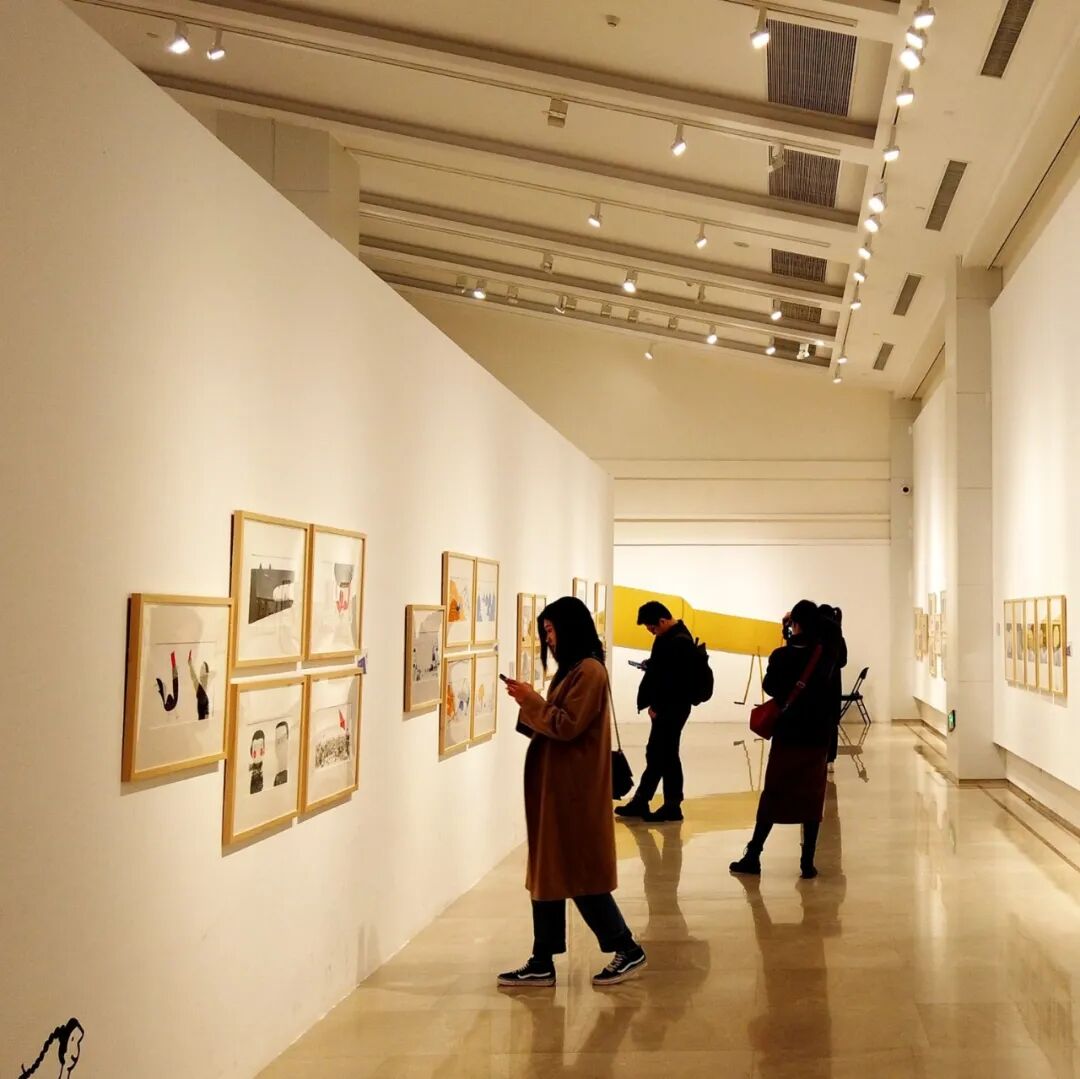
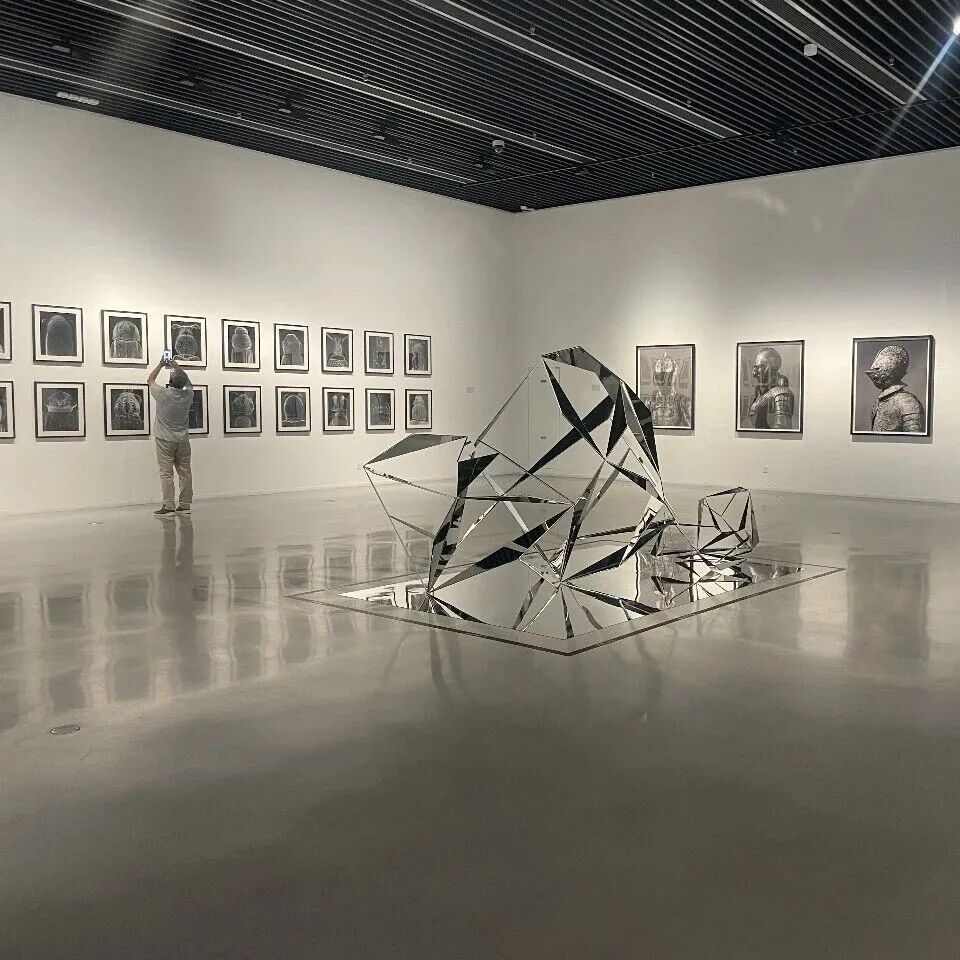
带孩子看美术馆,不是为了让他记住多少画家的名字,也不是为了培养下一个毕加索。是为了在他心里种下一颗种子。
很多年后,他或许早已忘记五岁那年看过什么展览。但当他在某个疲惫的午后走进一座陌生的美术馆,在一幅画前突然停住脚步——
他会认出那个曾经被艺术轻轻触动过的自己。
那一刻,童年时种下的种子,悄然开出了花。
假期不妨带孩子去离你最近的美术馆。不需要懂很多,只要带上这三个问题,和一颗愿意陪他慢慢看的心。
看懂美术馆,从来不是孩子的功课,而是父母赠予孩子一生的审美力。
Where to Take Kids on the Weekend? It’s Probably Every Parent’s “Century-Old Dilemma”
Wanting to escape crowded amusement parks, parents often plan a museum visit to nurture their children’s sensibilities and appreciation for beauty. But more often than not, things go awry: after meticulous preparation, the child either runs around restlessly or stares blankly at the paintings, replying with “I don’t get it” or “It’s not interesting.” In the end, the visit is rushed, leaving only a few check-in photos behind.
Does this mean children really dislike art? Are museums inevitably a “minefield” for taking kids?
Not at all—children have never disliked art; it’s just that we’ve been using the wrong “key” to unlock it.
Museums are not exclusively for adults, nor are they halls that require “advanced knowledge” to enter. For children, the core of appreciating exhibitions is not memorizing artists’ names or understanding art movements, but igniting interest in art and learning to observe with their own eyes and feel with their hearts.
Part 01 — Before You Go: Plant the “Seed of Expectation” in Your Child
Many parents take children to exhibitions without preparation, dropping them directly into a quiet, unfamiliar gallery. Feeling bored or resistant is completely normal.
Preparation doesn’t mean cramming knowledge—it’s about eliminating unfamiliarity and making the museum visit something to look forward to. Choose exhibitions based on your child’s age and interests: animal lovers may enjoy natural history exhibits, while children drawn to color may prefer modern art.
1. Turn the Artist into a “Story Character”
Before the visit, avoid emphasizing rigid art history. Introduce artists through stories: “Today we’re going to meet a special old man who loves painting round watermelons,” or “There’s a very romantic uncle who loves painting sparkling starry skies, as if the stars are winking.” When children become curious about the “person,” they naturally become interested in the “works.”
2. Play a “Picture Treasure Hunt” Game
Look up a few representative works online and save them on your phone or print small cards. Give your child a mission: “Today we’re going to find this little cat in the painting—where is it hiding?” This turns a potentially boring visit into a fun treasure hunt, sparking their initiative.
3. Set a Simple “Exhibition Agreement”
Before leaving, gently establish a few rules instead of strict prohibitions: “We’re going to see beautiful paintings. Here’s a small agreement—we’ll use our eyes only, hands behind our backs, or stay a little away from the artwork because the paint is fragile. In the gallery, we’ll walk lightly and speak softly, so we don’t disturb others. Okay?” A gentle but firm agreement makes children more willing to accept and follow the rules.
Finally, prepare simple tools: a pencil and a small notebook are enough for the child to record details they like or sketch their feelings. For younger children, a small bottle of water and some snacks can help, but remember to follow museum rules—no eating inside the exhibition.
Part 02 — On Site: Use Three Questions to Open Your Child’s “Art Eyes”
At the museum, avoid “lecturing” or reciting guidebook text: “This is Picasso’s 1907 Cubist masterpiece…” Children won’t absorb it, nor do they need to.
What truly opens a child’s artistic eyes are good questions. Remember these three simple questions to guide your child to observe, think, and express.
1. “What do you see?”
This simple question is the first step to observation. Let your child describe the painting in their own words—what colors, shapes, or unusual details do they notice? Even if they say “This person has three eyes” or “The horse is flying,” listen carefully.
Children’s perspectives are full of innocence, and the details they notice may be overlooked by adults. Pure observation is the beginning of art education. There’s no right answer—this is the best answer in art.
2. “What do you like about this painting?”
This question encourages children to express feelings, not judge “good” or “bad.” Some children love bright colors, some love the little stories in the painting, others just feel it’s “comfortable to look at.” All responses are authentic and valuable. Parents should acknowledge these feelings, allowing children to speak freely.
3. “If it were you, how would you paint it?”
This question is magical. It tells children: you are not just a spectator—you are a participant.
They don’t need to replicate the painting exactly; even a few strokes, a change in color, or adding a small element counts as their interpretation and recreation. Through this, children observe details more deeply and gradually learn to express themselves through art.
Also, allow children to “not finish.” Attention spans are limited; there’s no need to see every exhibit. If they linger on one piece, even understanding just that one painting makes it a fruitful day.
Part 03 — After the Visit: Extend the Warmth of Art
Many parents think the art journey ends when leaving the museum.
In fact, the true impact is just beginning.
1. Let the Art “Live” at Home
Place a postcard from the museum on the fridge or the exhibition brochure on the coffee table. Occasionally ask, “Do you remember the painting with all the fish?” Casual references work better than forced review.
2. Allow “Inaccurate” Drawings
After returning home, children may pick up a brush to paint what they remember. Never say “That’s not right.” If they say it’s the Mona Lisa, then it is. The goal of art education is not accuracy—it’s the courage to create.
3. Connect Art with Everyday Life
Notice a beautiful tree shadow and say, “Doesn’t this remind you of that abstract painting we saw?” Or enjoy a colorful cake and comment, “This color combination could be a painting’s title.” Children learn that art isn’t confined to museum walls—it’s in sunlight, food, and a gentle breeze.
Taking children to a museum isn’t about memorizing artists’ names or creating the next Picasso. It’s about planting a seed in their hearts.
Years later, they may forget which exhibition they saw at age five. But when they walk into an unfamiliar museum on a quiet afternoon and pause before a painting—
They will recognize the part of themselves that was once gently touched by art.
In that moment, the seed planted in childhood quietly blooms.
This holiday, consider taking your child to the nearest museum. You don’t need to know much—just bring these three questions and a willingness to look slowly together.
Understanding a museum has never been a child’s assignment; it is a lifelong gift of aesthetic appreciation from parents.


