
Art, particularly painting, allows individuals to express themselves powerfully through visual means. By blending colors, lines, and shapes, children can convey their innermost thoughts and emotions through visualization. This creative process does more than produce beautiful artwork; it strengthens memory, enhances creative skills, stimulates imagination, nurtures emotional growth, and demonstrates the value of artistic development and exploration. Aesthetic education, with art classes, art workshops, and painting as its cornerstone, is a crucial part of the curriculum that plays a transformative role in shaping children’s cognitive, emotional, and social development. This essay explores the profound ways in which painting fosters growth and why it deserves a prominent place in early education.
Memory and Observation: The Foundation of Painting

Painting requires acute observation and attention to detail. Children learn to notice the subtle features of objects around them, such as shapes, colors, and textures, and translate these observations into images on paper. This process enhances their visual memory and strengthens their ability to retain complex details about the world. For example, when a child draws a flower, they may remember the way its petals curl, the gradient of its hues, and even the light that casts shadows across its surface.
This is not just passive memory but an active, integrative form of recall. Children synthesize what they observe and add their interpretation, creating a holistic learning experience. Over time, these exercises in memory and observation help children improve their focus, attention span, and capacity for detailed recall—all essential skills for academic success and problem-solving in life.
Imagination: The Soul of Painting
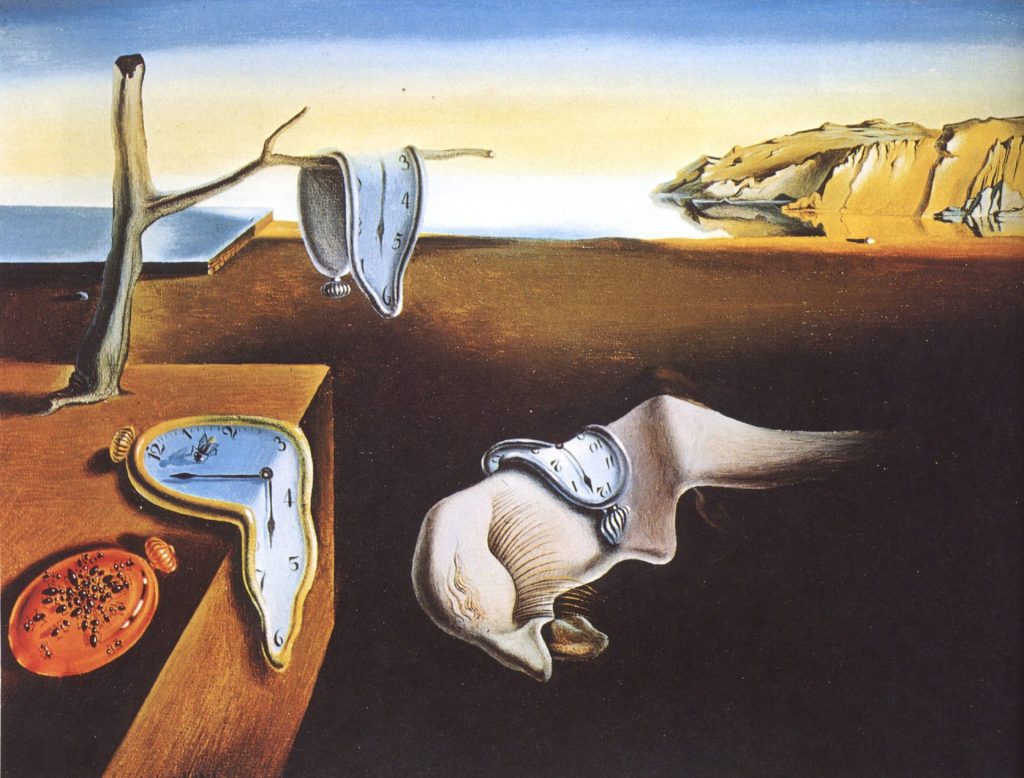
If observation forms the foundation of painting, imagination is its lifeblood. Painting allows children to go beyond the real world, to express their imagination, and to create something entirely unique. Their minds are free to wander, building fantastical landscapes, mythical creatures, or futuristic cities. This unbounded creativity is essential for innovation and divergent thinking.
For instance, a child painting a simple tree might express creativity by imagining birds nesting among its branches, tiny elves living in its hollow, or the tree sprouting candy instead of leaves. This act of creating something novel hones their ability to think outside the box—a skill that transcends art and becomes invaluable in fields like science, engineering, and entrepreneurship.
Moreover, fostering imagination through painting encourages risk-taking. Unlike rigid academic exercises, painting allows children to experiment with colors, techniques, and ideas without fear of failure. This safe space for exploration builds confidence and prepares them for challenges that require unconventional solutions.
Emotional Growth Through Artistic Expression
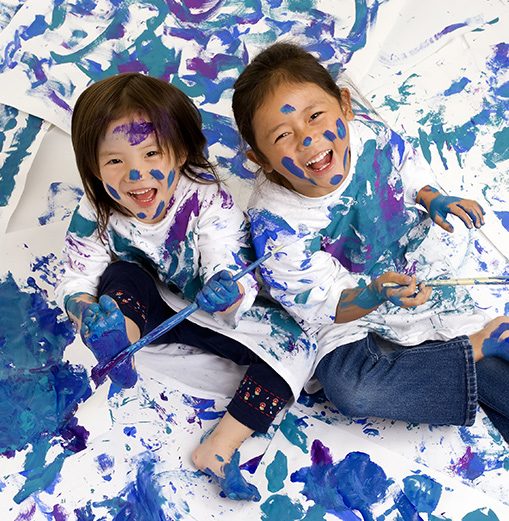
Painting is a medium through which children, using various materials, can process and express their emotions. Whether they feel joy, sadness, anger, or fear, art provides an outlet that words sometimes cannot. A child frustrated by a difficult day might use bold, dark strokes to express anger, while another experiencing happiness might fill their canvas with bright, vivid hues.
This emotional catharsis is therapeutic. It helps children regulate their emotions, understand their feelings better, and develop empathy for others. For instance, a child might paint a scene of a family reunion, reflecting their longing for connection. By sharing their work, they invite others to understand their perspective, building bridges of emotional understanding.
Art also cultivates emotional resilience and enhances creative skills. Children learn to accept that not every piece they create will turn out as planned and that mistakes are part of the process. This lesson in persistence and adaptability is critical for navigating the ups and downs of life.
Retaining Innocence and Cultivating Joy
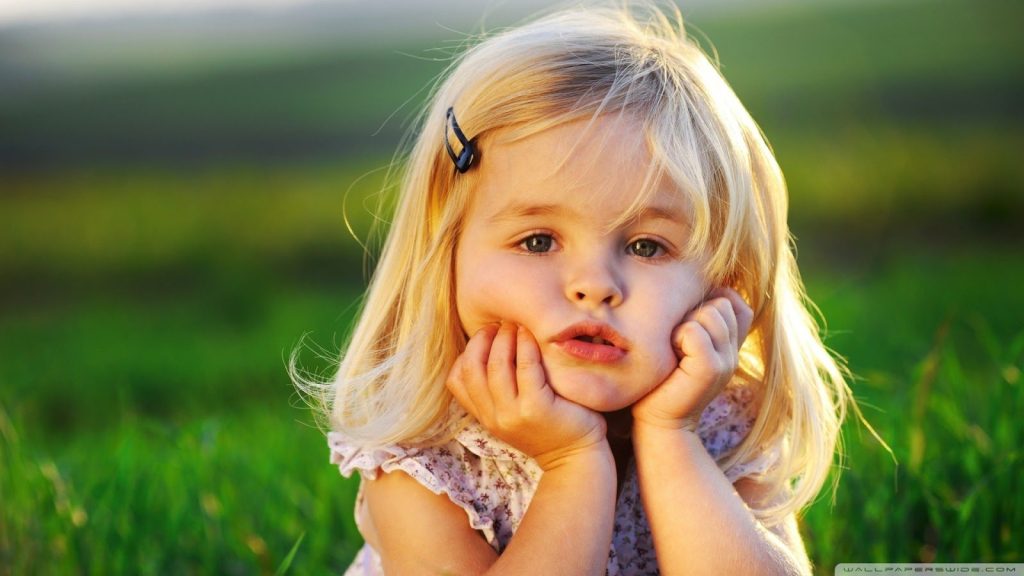
Painting preserves the purity of childhood by allowing children to express themselves freely. The act of creation, free from constraints, nurtures curiosity and a sense of wonder about the world. In a society increasingly dominated by structured schedules, academic pressures, and a rigid curriculum, art classes, art workshops, and art education offer a sanctuary for artistic development where children can be themselves.
The joy of painting lies not only in the finished artwork but in the process itself, emphasizing the value of creativity and the opportunity to express oneself through the exploration of different materials. Mixing colors, experimenting with textures, and seeing their visualization take shape bring children a sense of accomplishment and pride. This joy spills over into other areas of their lives, fostering a positive outlook and a love for learning.
Combining Observation and Imagination
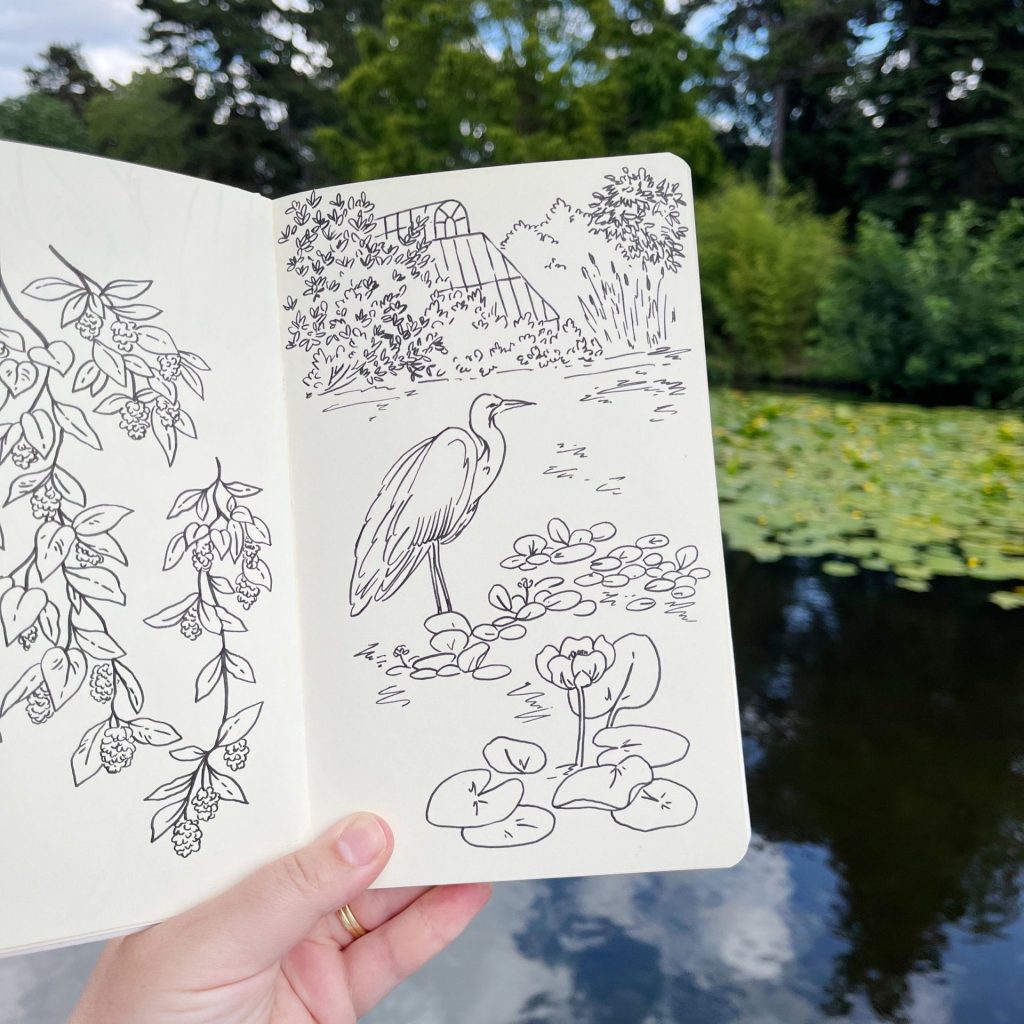
Painting teaches children to merge observation with imagination, creating works that are both realistic and express innovative ideas. This synthesis deepens their cognitive abilities and enriches their creative expression.
For example, while drawing a butterfly, a child might accurately capture the symmetry of its wings and the vibrancy of its colors. At the same time, they might add whimsical details—such as a magical aura around the butterfly or patterns that resemble constellations. These embellishments showcase their ability to blend what they see with what they imagine, a skill crucial for creative problem-solving.
The act of combining observation and imagination also builds neural connections that support other cognitive functions. It teaches children to think critically, analyze details, and approach challenges from multiple angles.
Promoting Social Skills and Teamwork
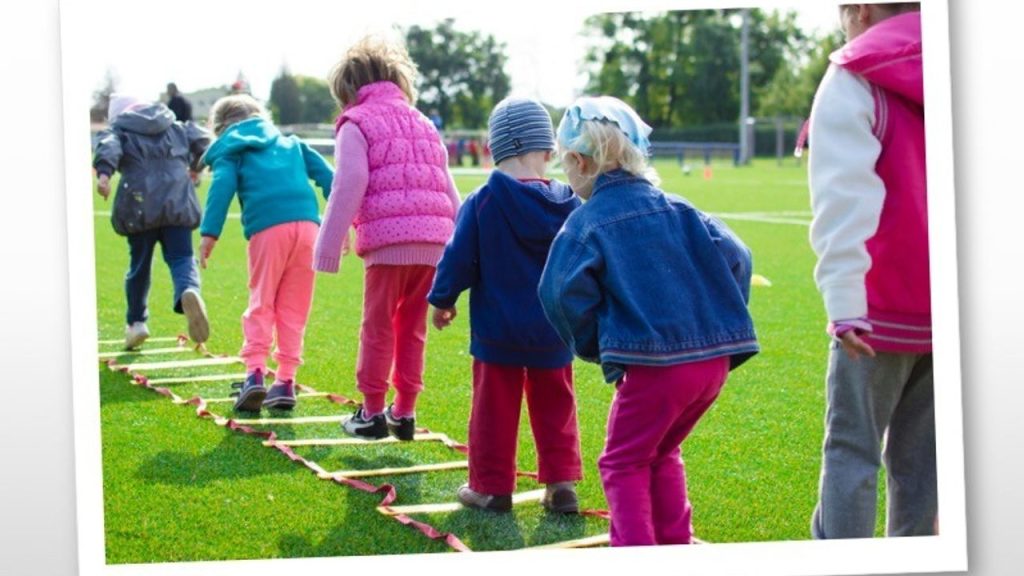
Art is often a solitary activity, but it can also be collaborative. Group art projects encourage children to work together, share ideas, and respect each other’s perspectives. This collaborative environment fosters teamwork, communication, and mutual respect.
For instance, a class mural project might require children to brainstorm themes, delegate tasks, and integrate different styles into a cohesive whole. This experience teaches them how to compromise, appreciate diverse viewpoints, and celebrate collective achievements through visualization.
Additionally, discussing their artwork with peers or teachers helps children articulate and express their thoughts and emotions. This practice enhances their verbal communication skills and builds confidence in expressing their ideas, while simultaneously developing their creative skills.
Laying the Foundation for Holistic Development
Painting, as an integral part of aesthetic education, lays a foundation for well-rounded growth. It sharpens cognitive skills like memory and critical thinking, nurtures emotional intelligence, and fosters social connections. Moreover, it enhances artistic development by cultivating qualities such as perseverance, express self-expression, and adaptability—traits essential for success and adding value in any field.
The Role of Educators and Parents
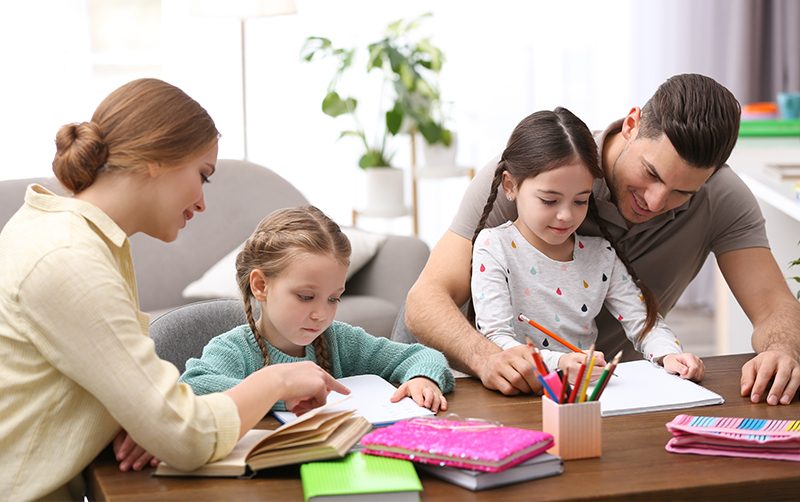
To fully harness the benefits of painting, educators and parents must provide children with opportunities and resources. Schools should integrate quality art programs into their curriculum, including comprehensive art classes, art workshops, and art education, and train teachers to guide and inspire young artists. Parents, too, can support their children by encouraging creative expression at home, whether through providing art materials or supplies or displaying their artwork proudly.
Equally important is creating an environment where children feel free to explore and make mistakes. A nonjudgmental, supportive atmosphere allows their creativity and confidence to flourish.
Conclusion
Aesthetic education, with painting as a key element, is far more than a pastime. It is a powerful tool for unlocking children’s potential, nurturing their creativity, and preparing them for the complexities of life. Through painting, children learn to observe the world with clarity, imagine with boldness, and express themselves with authenticity.
As we look to the future, we must prioritize aesthetic education, recognizing its profound impact on children’s growth. By fostering their artistic talents and providing the freedom to explore, we equip them with the skills and mindset to thrive. In doing so, we not only enrich their lives but also cultivate a generation of innovative, empathetic, and resilient individuals.


