
Why consider group art classes for children?
Picture a child, brush in hand, surrounded by vibrant canvases, faces alight with inspiration as they share ideas.
In these communal spaces, young artists don’t just learn technique; they discover empathy, collaboration, and the joy of shared creative endeavors—fueling their social growth in unparalleled ways.
Art celebrates collective imagination.
Importance of Art in Child Development
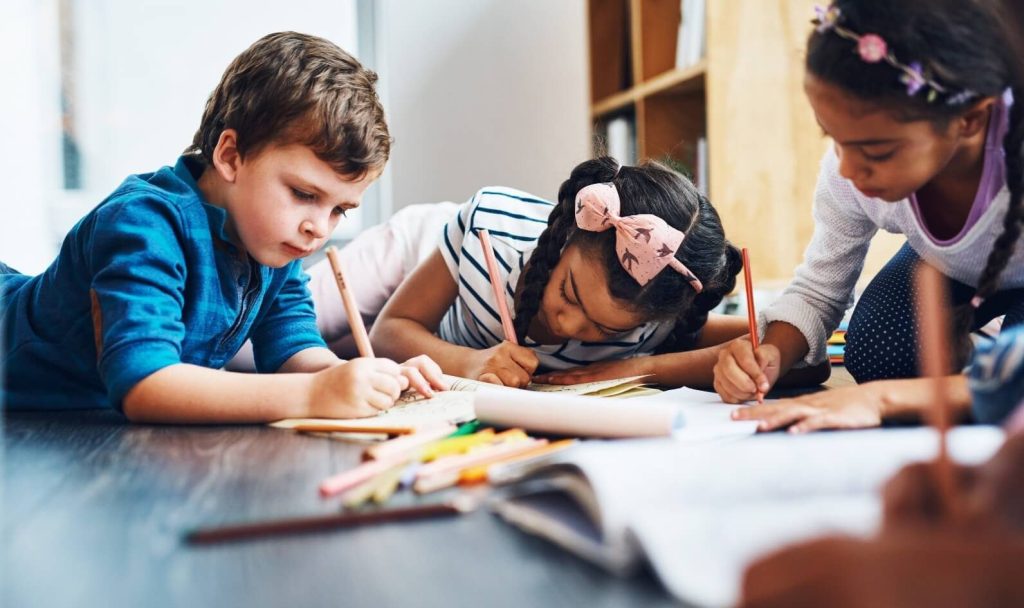
Art undoubtedly plays a critical role in nurturing the minds of young kids.
In 2016, esteemed researchers, in a comprehensive study, concluded that creative engagements significantly contribute towards the holistic development of children, going beyond academic capabilities.
Art is the magical thread that weaves an intricate tapestry of cognitive, emotional, and social capabilities, fostering a child’s ability to express thoughts and emotions with greater clarity and depth.
Moreover, the act of creating art and crafts stimulates diverse regions of the brain, providing a fertile ground for critical thinking, problem-solving skills, and increased emotional intelligence—an invaluable asset in today’s dynamic world.
In essence, art’s contribution extends beyond the brush; it moulds resilience, innovation, and the very essence of individuality in young hearts.
Benefits of Group Art Classes
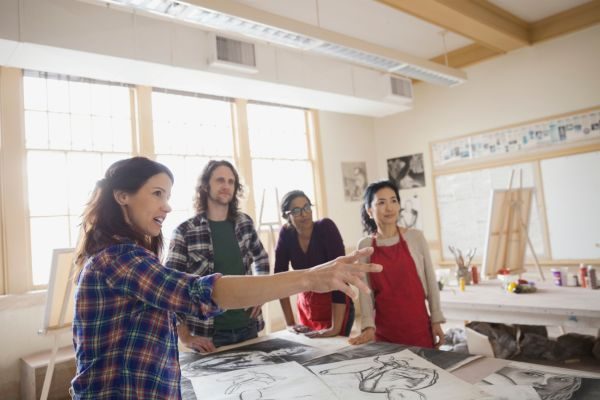
In Singapore, group art classes and workshops offer abundant opportunities for children and adolescents to harness their inherent creativity while fostering the significance of teamwork, cooperation, and principles of game design.
Participating in group art classes for children cultivates a supportive learning atmosphere where young artists can exchange ideas, praising each other’s creativity and exploring diverse perspectives. These interactions enrich their creative endeavours and stimulate profound cognitive engagement, enhancing social intimacy and collaborative communication skills.
Furthermore, these classes serve as a vibrant communal space for children to foster friendships through shared creative journeys. By collaborating on projects, they develop essential skills such as compromise and collective decision-making, integral to navigating social landscapes effectively.
Ultimately, engaging in group art classes equips children with the tools necessary for thriving within their communities, instilling appreciation for diverse ideas and joint artistic ventures. Through these experiences, they learn that art is a shared language—reteaching them the beauty of unity in diversity and preparing them to excel in our interconnected world.
Building Social Skills Through Art
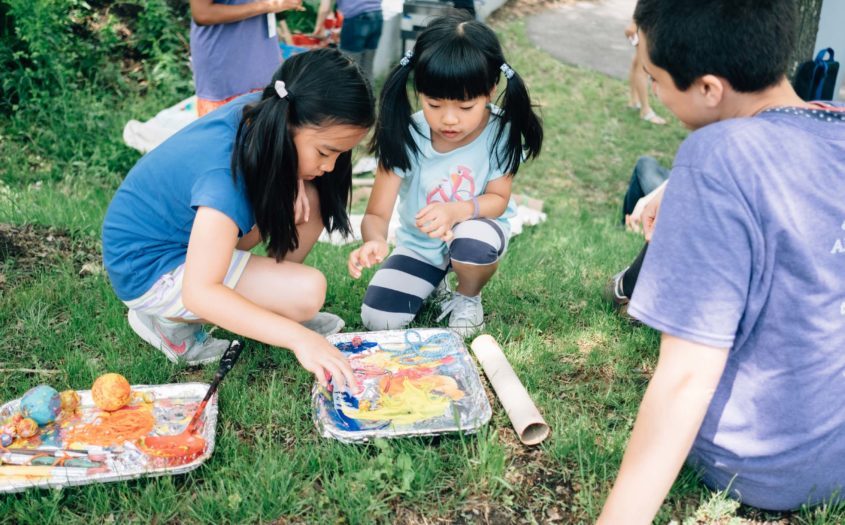
Group art classes provide children with a rich tapestry of social experiences, creating an environment where communication thrives. Through art, they articulate unique viewpoints, fostering empathy and understanding—a cornerstone for building harmonious social relationships.
In the nurturing embrace of a group class, children evolve into “creative collaborators”. Art becomes not just a canvas of self-expression, but a conduit for social interaction. As they paint, draw, or sculpt, they listen to diverse narratives that reshape their perceptions and cultivate a profound sense of community, instrumental in their holistic development.
Encouraging Teamwork in Art Projects
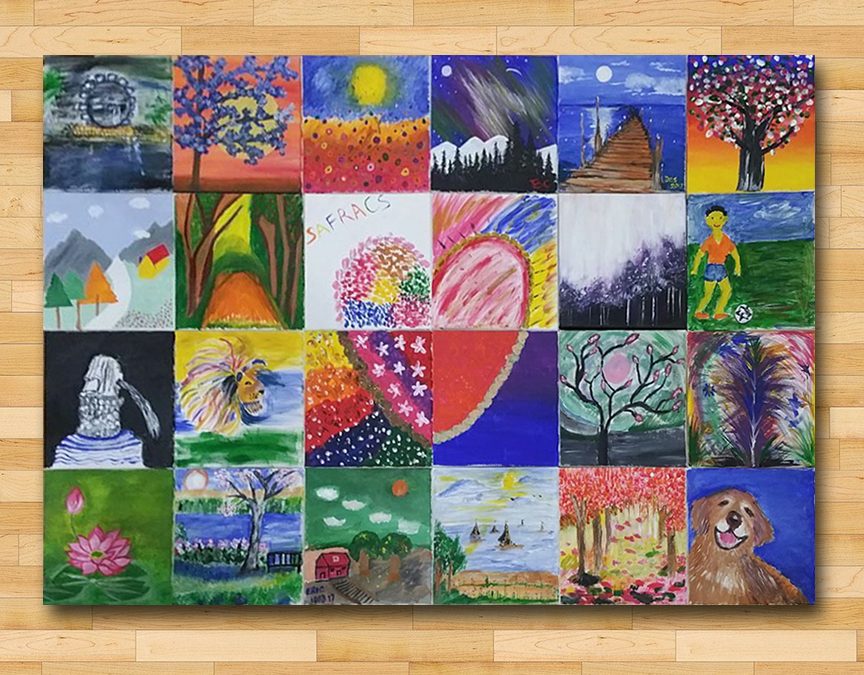
Art classes for children act as a dynamic avenue for fostering collaboration, allowing young minds to unite. Working together on creative tasks enhances their problem-solving and communication skills.
In group art classes, children embark on a “collective journey”. They discover that when they share ideas and resources, their collaborative work becomes more vivid and multidimensional, enriching their overall learning experience.
Collaboration in art enhances children’s ability to understand multiple perspectives, a key skill for future success.
Through teamwork, children learn the joy of co-creation, celebrating each other’s talents and strengths. This not only builds confidence but also nurtures a culture of mutual respect and trust. By integrating teamwork into their creative pursuits, children develop resilience, adaptability, and a sense of camaraderie, equipping them to navigate the challenges of tomorrow with poise and optimism.
Enhancing Communication with Peers
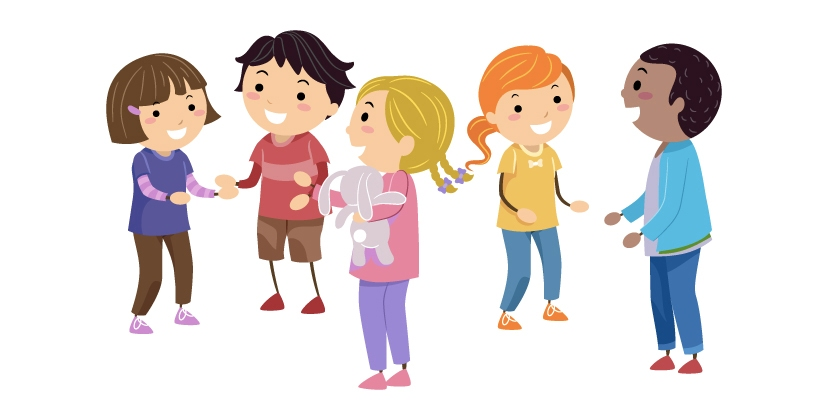
Group art classes for children offer a nurturing environment that promotes dialogue and interaction, essential for developing effective communication skills.
- Express Ideas Clearly: Art provides a medium for children to articulate thoughts, translating abstract concepts into tangible forms.
- Active Listening: Listening to peers’ interpretations enhances understanding and fosters empathy among classmates.
- Feedback Exchange: Regular exchange of constructive feedback refines both verbal communication and critical thinking skills.
Amidst the vibrant setting of group art classes, children learn to appreciate diverse perspectives, broadening their worldviews.
Such interactions encourage openness and adaptability, laying the foundation for future collaborative experiences in more complex contexts.
Boosting Self-Confidence in Children
Group art classes for children play a pivotal role in nurturing self-assurance, offering a safe haven for young minds to explore their creative prowess in crafts, enriching their self-belief.
Every child engaged in the artistic process discovers profound value in their unique expression.
Through collective tasks like mural painting or theatre performances (involving various artistic interpretations and collaborations), self-esteem flourishes.
These activities serve as conduits for highlighting individual talents and celebrating personal achievements, contributing to heightened self-regard.
When kids witness their creations manifested collaboratively, they gain invaluable affirmation from peers, cultivating an empowering sense of accomplishment that bolsters confidence in their abilities and potential.
Ultimately, the embrace of one’s innate creativity in a supportive group setting lays a remarkable foundation for lifelong self-confidence. Through art, children learn that their voices hold immense power and beauty.
Creativity and Imagination Development
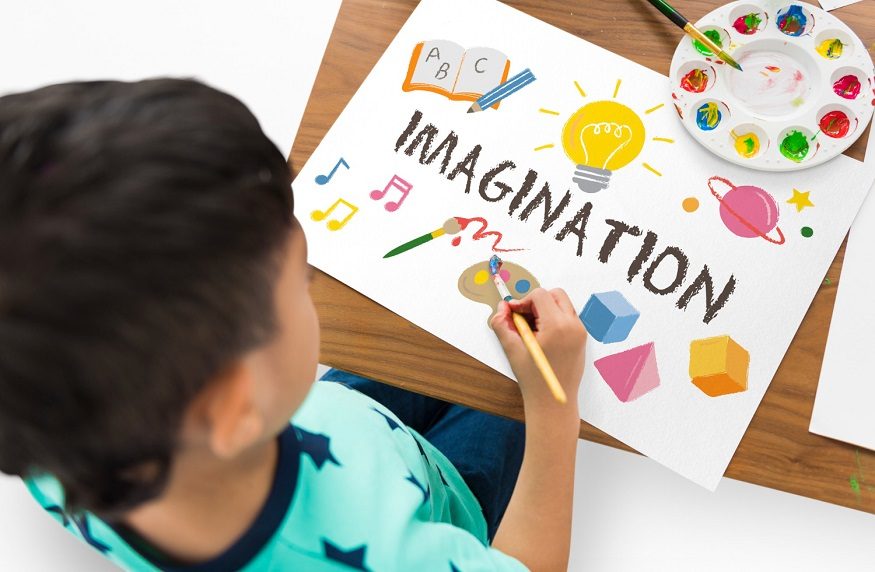
Group art classes for children are remarkable arenas where creativity blossoms, nurturing a boundless and vibrant imagination. Engaging with peers in these environments, a child’s imaginative potential is constantly kindled.
Art classes offer myriad opportunities for children to experiment with new ideas. These classes serve as fertile grounds for visionaries.
These creative explorations are unencumbered by limitations or prescriptive constraints, allowing for unbounded imaginative growth.
Children are encouraged to think divergently, transforming ordinary notions into extraordinary artworks, fostering a culture where novelty and creativity thrive.
By collaborating on projects, often inspired by diverse perspectives from classmates, children broaden their imaginative horizons, enhancing cognitive flexibility and innovative thinking.
Ultimately, these group art pursuits illuminate children’s path towards sophisticated creative problem-solving. Enhanced imagination equips them to navigate future complexities with ingenuity and confidence.
Emotional Expression Through Art
Art classes for children provide invaluable avenues for emotional expression and self-discovery. Through art, they find solace in illustrating their feelings.
These group art classes encourage children’s innate ability to create. They help them to channel emotions into their work.
Participating in group activities where emotional expression is welcomed ignites a sense of belonging and understanding among peers. This fosters empathy, communication, and compassion, all essential life skills.
The nurturing environment of group art classes helps children articulate emotions, releasing them in a manner conducive to self-esteem and confidence. As they explore emotions through art, they learn to “speak” the language of colours and shapes, laying the groundwork for lifelong emotional intelligence and resilience.
Creating a Sense of Belonging
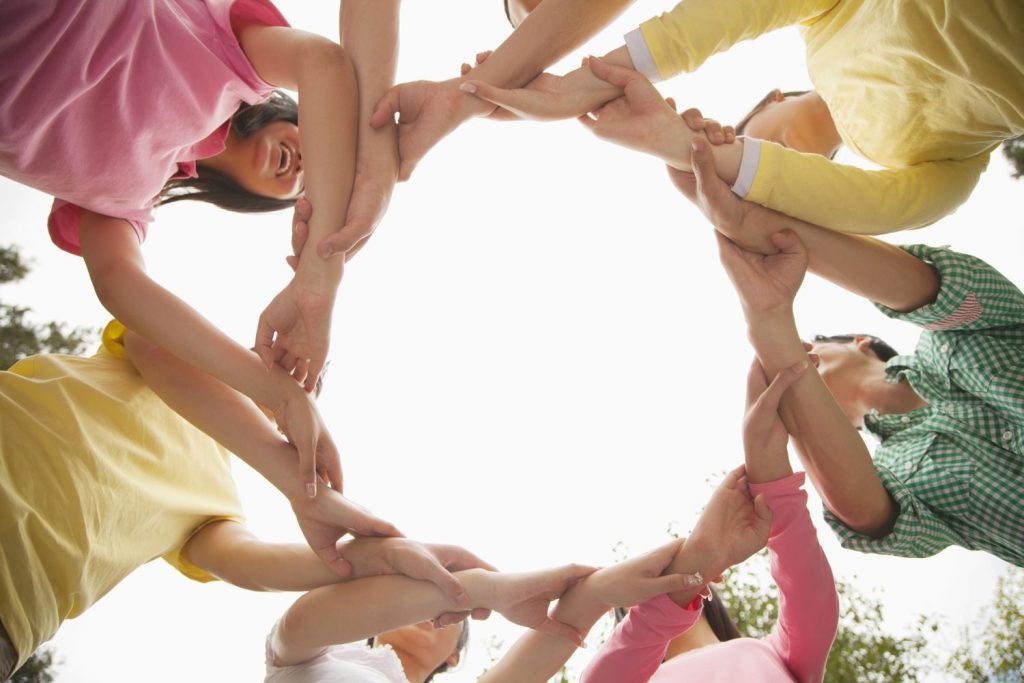
Art classes for children lay the groundwork for a profound sense of community, where shared creativity fosters deep connections. In an era increasingly defined by digital interactions, nurturing such tangible connections bears immense importance.
In these settings, children learn the art of collaboration. Working together on creative projects cultivates teamwork and mutual respect.
Through collaborative problem-solving and elements of game design in workshops, children discover how ideas from diverse backgrounds enrich their worldview (embracing multicultural experiences becomes second nature).
Participating in group art classes in Singapore unlocks children’s understanding of authentic communication and empathy. It builds vital social skills, allowing genuine human connections to flourish.
Group settings also provide comfort to children who might feel isolated, reassuring them of their inherent value. As they see their contributions celebrated, bonds formed in these art classes extend beyond the classroom, enriching lives.
Ultimately, the sense of belonging nurtured in group art classes fortifies children’s self-worth. Such experiences ensure they are well-prepared to navigate the world’s complexities with vibrant and confident hearts.
Integrating Art into Everyday Life
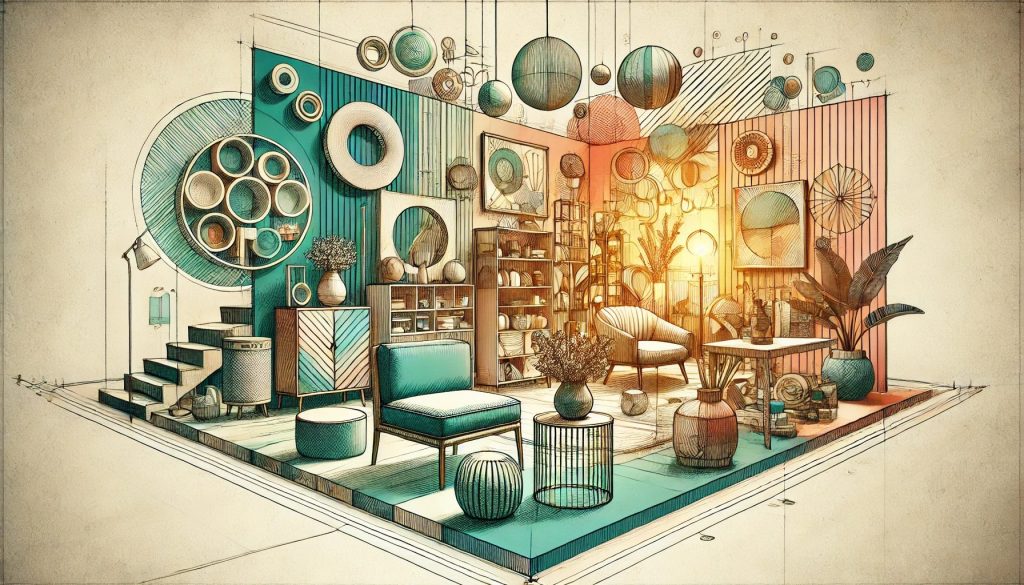
Embracing art in daily life helps children see beauty and creativity in their surroundings, turning ordinary moments into opportunities for growth.
Engaging with art teaches children vital lessons through creative expression.
It is essential to encourage children to immerse themselves in group art classes and workshops where they can explore a variety of mediums and techniques, fostering curiosity, discussion, and appreciation for diverse perspectives.
This integration of art into daily routines instills a lifelong love for creativity and cultivates a mindset that values innovation and collaboration. Whether it’s a drawing session, participating in art classes for children, or simply appreciating artwork in public spaces, the exposure encourages critical thinking and empathy. By developing skills such as teamwork and communication through group creativity, children nurture an artistic celebration of life itself.
Art Classes for Children: Age-Appropriate Activities
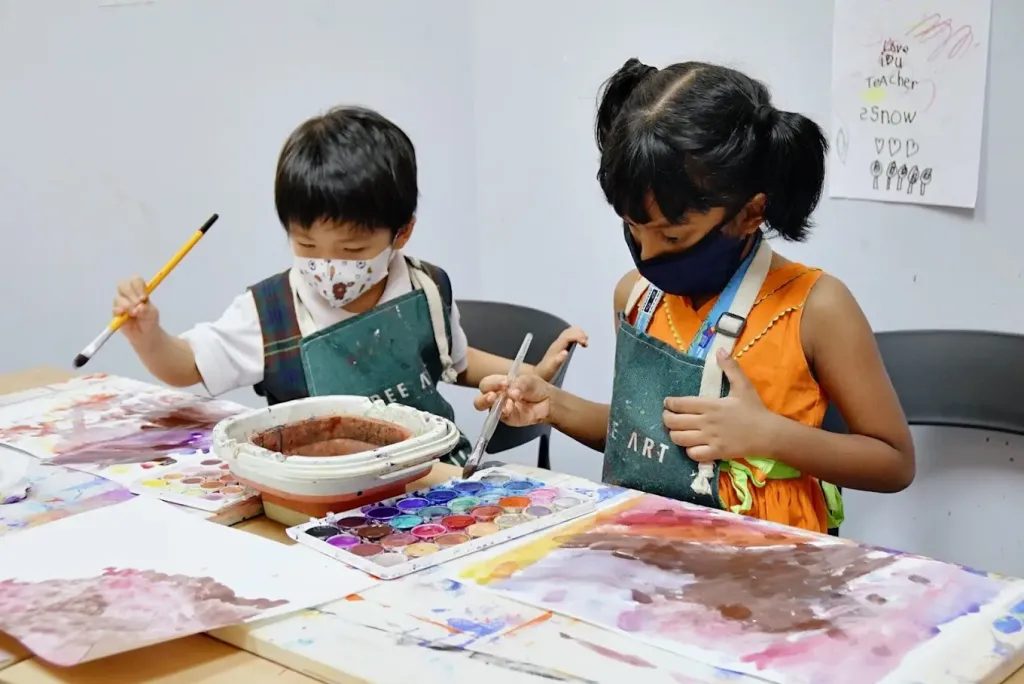
Art classes for children are thoughtfully designed, with a variety of age-appropriate activities tailored to enhance creative development. Young learners engage with simple tasks like colouring and basic shapes, fostering their fine motor skills and sparking an early interest in artistic exploration.
As children progress and mature, the complexity of their projects naturally increases. This may involve exploring mediums like “watercolour washes” or delving into the world of “printmaking patterns.” These not only challenge their burgeoning capabilities but also instil a profound satisfaction in overcoming artistic obstacles. In this way, the intentional progression of activities ensures that children’s creative education evolves alongside their growing comprehension and artistic enthusiasm.
Tailoring Activities to Different Age Groups
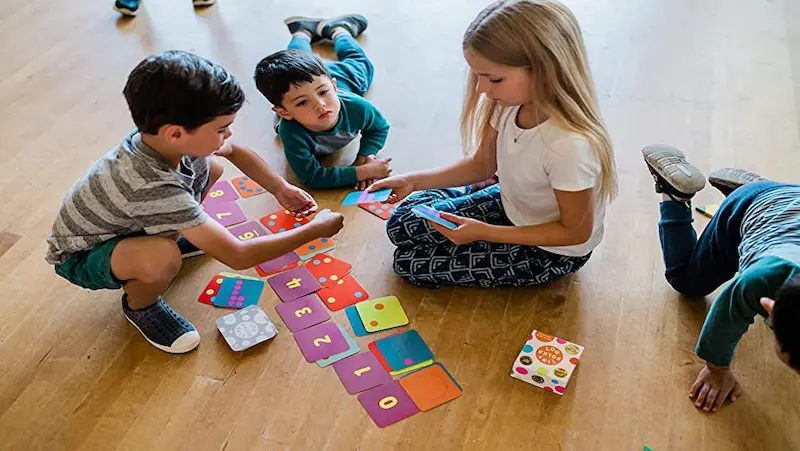
Tailoring art activities according to different age groups ensures each child’s artistic journey is meaningful, with activities designed to captivate, challenge, and stimulate their imaginations.
For the youngest kids, activities include colourful handprint art and simple crafts to introduce them to basic creative skills.
As children mature, their projects can expand to include more advanced techniques that cater to a variety of learning styles and paces. Techniques such as “clay sculpting” allow children to explore textures, dimensions, and the nuances of strategic planning within their creative processes, enhancing patience and attention to detail.
The structured learning environment of group art classes aids in fostering a sense of community and perseverance. By progressively varying the intricacy and focus of art activities, children in the classes can experience an evolving curriculum that always keeps them inspired and motivated. Whether through paper mosaics or junk art, they learn to “breathe” creativity, realizing that art has no limits.
Safety and Supervision in Art Classes
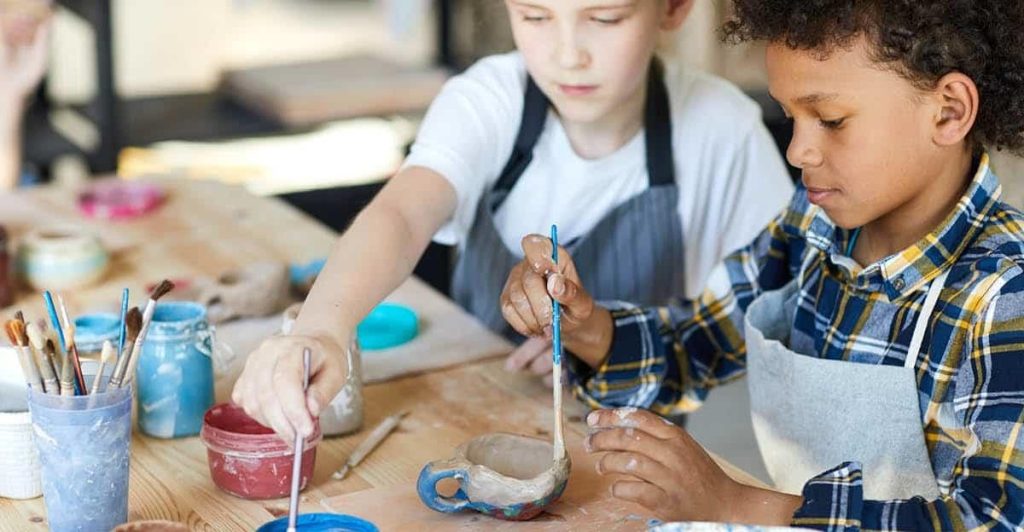
Ensuring children’s safety during art classes is paramount, as it facilitates a secure environment for creativity and growth.
- Qualified instructors: Professionals trained to handle emergencies and guide artistic endeavours.
- Age-appropriate tools: Use of tools that match children’s developmental stage.
- Set boundaries: Defined spaces to prevent accidents involving art materials.
- Continuous monitoring: Regular oversight to ensure rules are followed and potential hazards are identified.
Supervision further instills confidence in students, assuring them that help is readily available when needed.
This creates an atmosphere where children are empowered to express themselves openly, fostering creativity along with essential safety skills.
Choosing the Right Art Class for Your Child
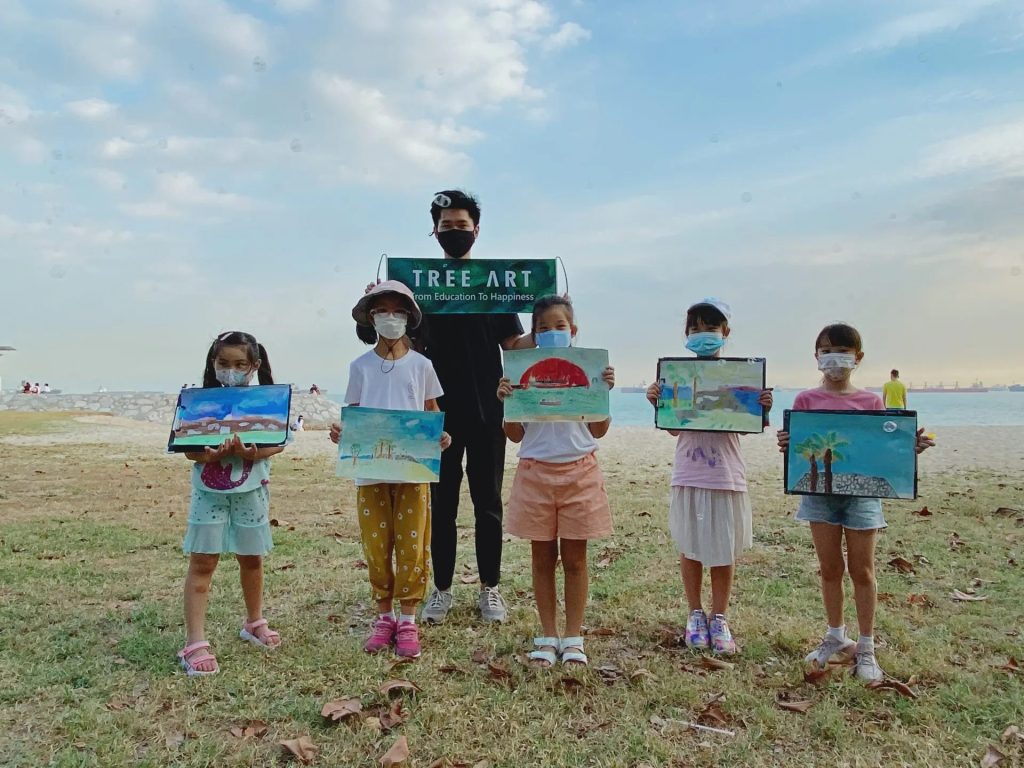
When selecting art classes for children in Singapore, consider nurturing their creative spirit while ensuring an engaging and supportive atmosphere that aligns with their interests, skill levels, and long-term developmental goals. Equally important is the instructor’s expertise, the class size, and peer interaction, as these factors significantly influence enthusiasm and learning outcomes.
Personal assessments and open communication can guide you towards a class that resonates with your child’s aspirations. This ensures their art journey is both fulfilling and inspiring.
Factors to Consider When Selecting a Class
Choosing the right group art class can significantly impact your child’s creative and social development journey.
- Instructor’s Expertise: Opt for classes led by skilled instructors passionate about children’s artistic growth.
- Class Size: Smaller classes ensure personalised attention and foster better interaction among students.
- Curriculum Content: Ensure the class offers a balanced mix of techniques, creativity, and fun to keep children engaged.
- Environment: Choose a setting that is conducive to creativity, welcoming, and encourages positive social interaction.
Evaluating these elements can help create an enriching and supportive atmosphere in the art class.
Ultimately, the goal is to find an art class nurturing both creative expression and social connections to inspire every child.


