
每个孩子都是天生的艺术家。他们的小手握着画笔,在纸上划出的第一道痕迹,一场奇妙的艺术之旅就此启程。如何将这份涂鸦的热情,培育成对艺术持久的热爱?让我们跟随三位现代艺术大师的脚步,解锁孩子艺术启蒙的密码。
Every child is a natural-born artist. With tiny hands grasping a paintbrush, the very first stroke on paper marks the beginning of a magical artistic journey. How can we transform this playful doodling into a lasting love for art? Let’s follow the footsteps of three modern art masters and unlock the secrets to nurturing children’s artistic awakening.
1 — 线条的魔法师:保罗·克利(Paul Klee)
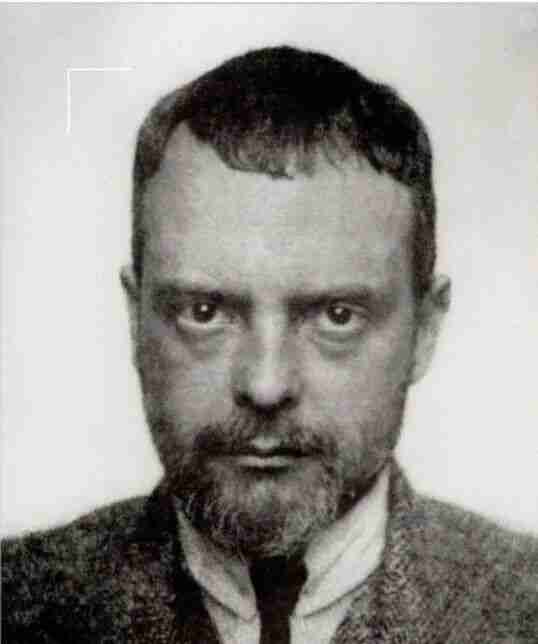
艺术不是复制可见的东西,而是让东西变得可见。”
——保罗·克利
“Art is not about reproducing what is visible, but about making things visible.”
— Paul Klee
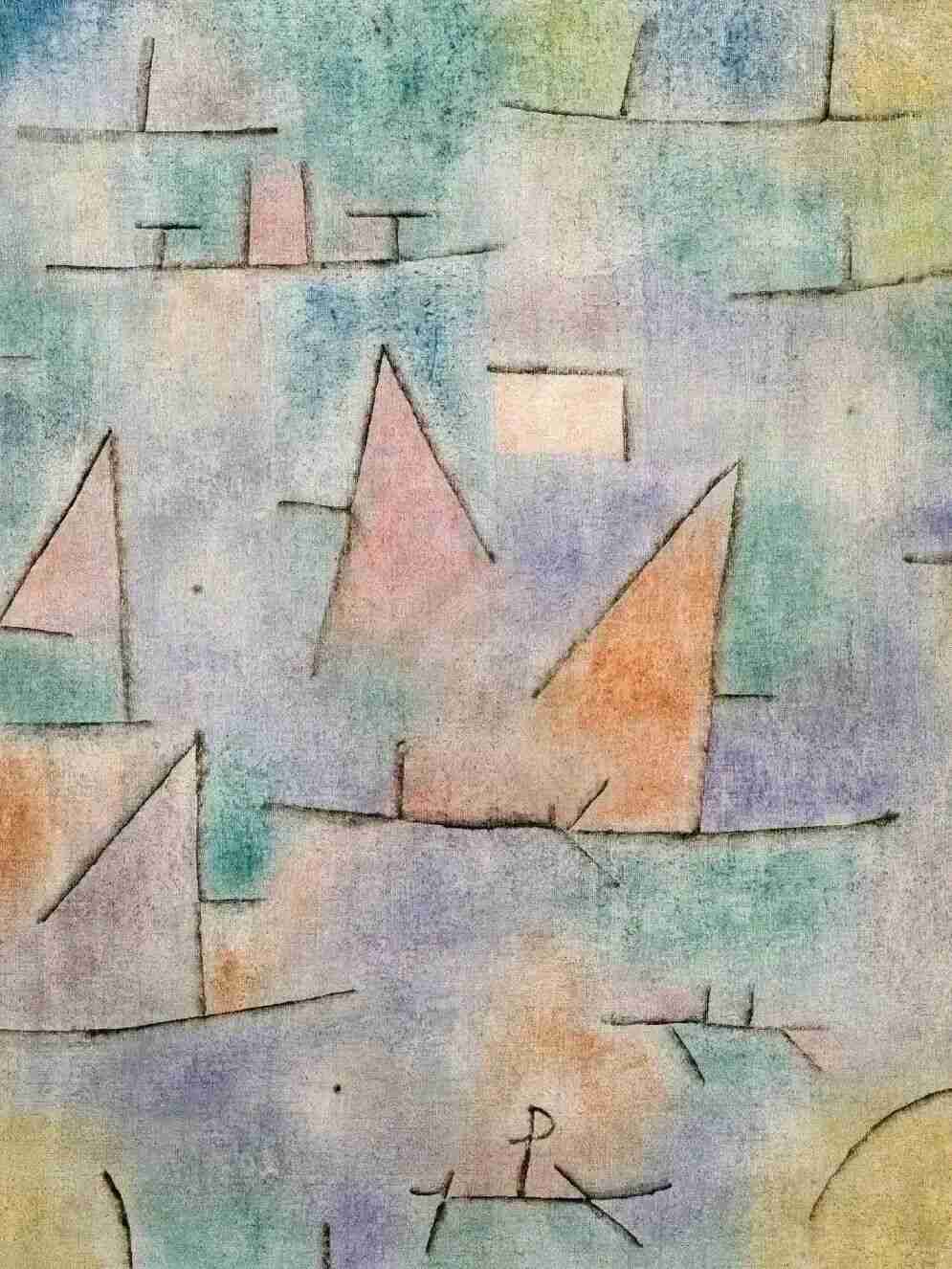
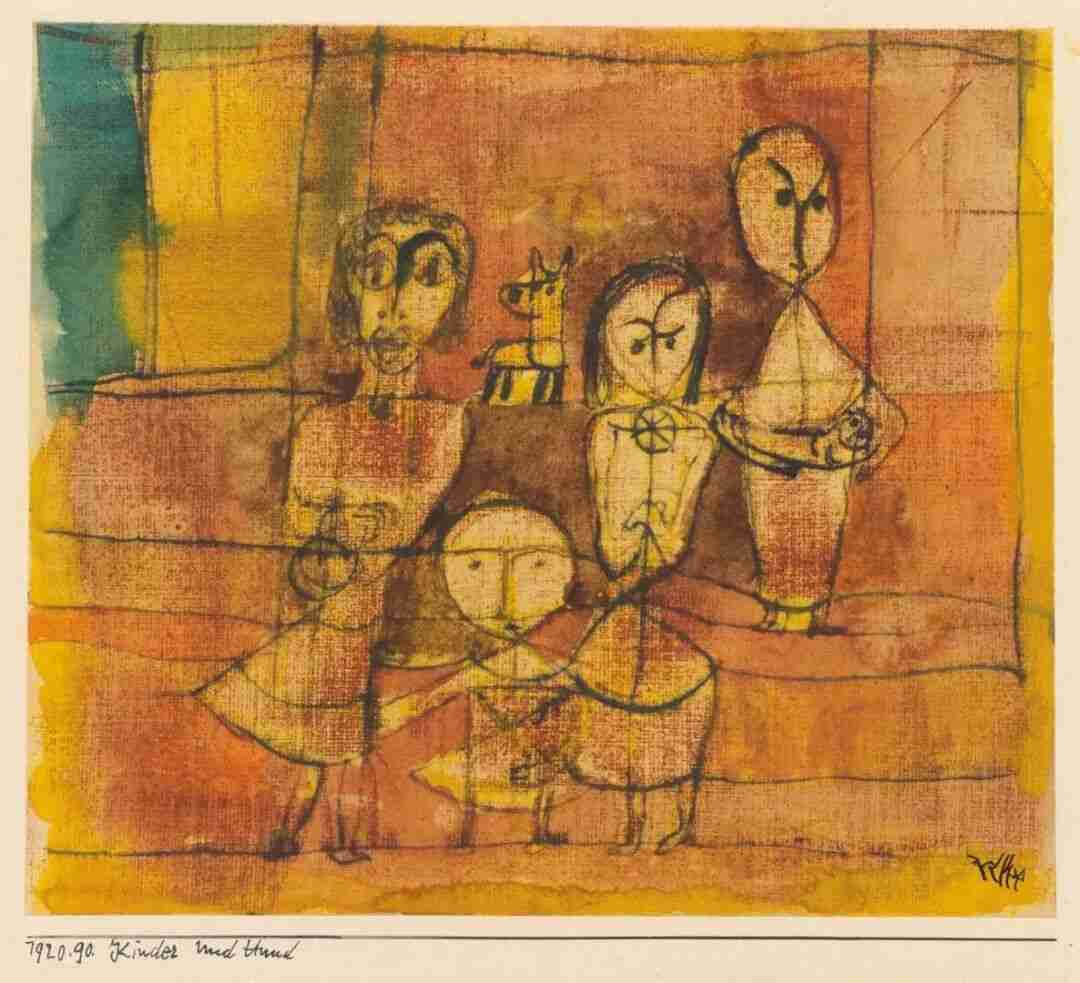
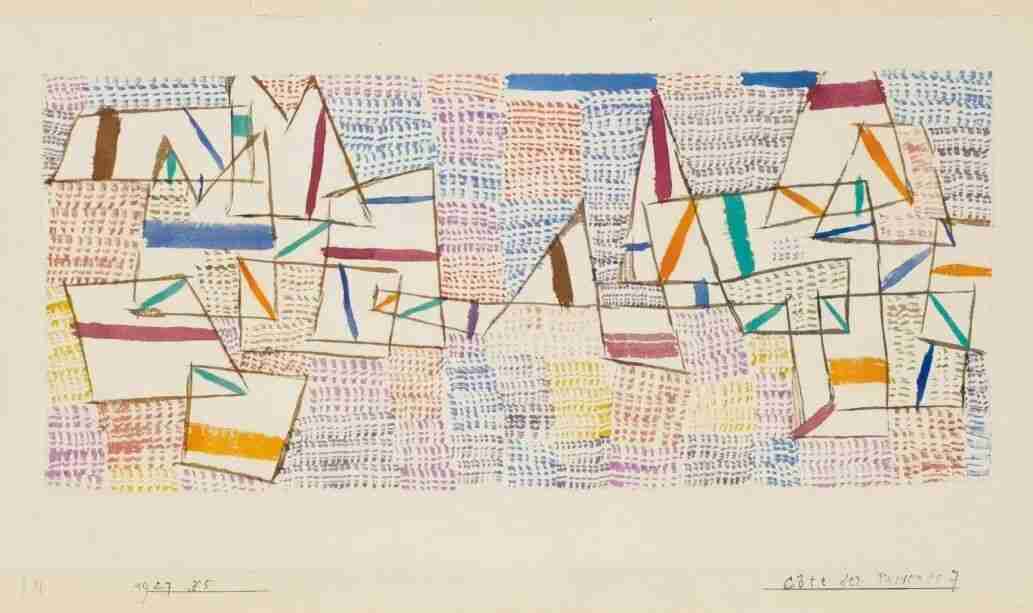
保罗·克利是一位瑞士裔的德国籍的画家。他曾在慕尼黑美术学校学习画画,并制作了许多以黑白为主的版画和线画。保罗·克利的艺术风格独树一帜,难以简单地归类于某一流派。他的作品从立体主义、超现实主义到表现主义都有涉猎,但又能巧妙地融合不同的艺术风格和技巧,形成多变且充满惊喜的风格。
Paul Klee was a Swiss-born German painter. He studied art at the Munich Academy of Fine Arts and created many prints and line drawings, often in black and white. Klee’s artistic style is unique and difficult to categorize into a single movement. His works touch upon Cubism, Surrealism, and Expressionism, yet he skillfully blends different styles and techniques, resulting in a versatile and delightfully surprising body of work.
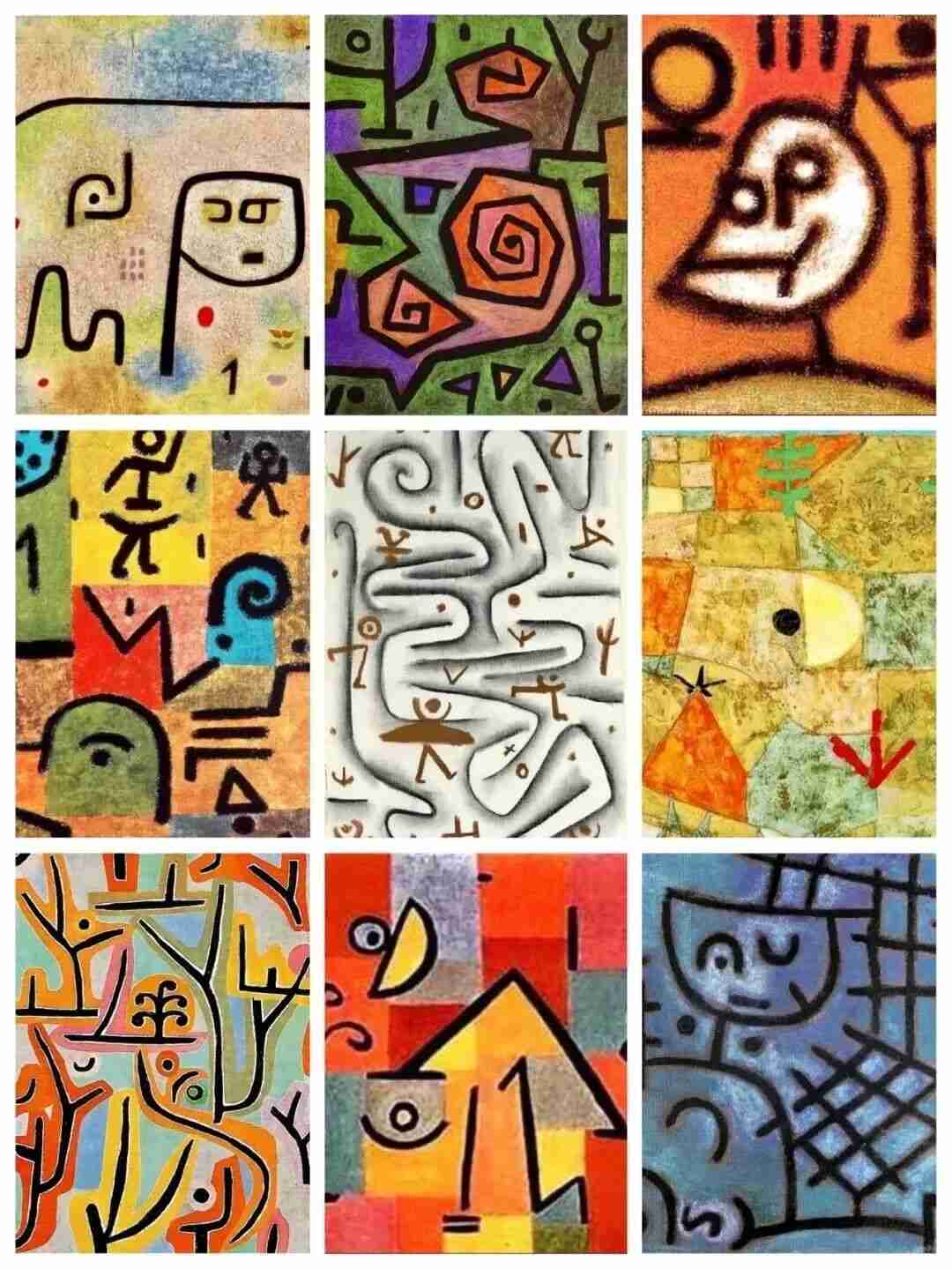
他的绘画风格经常以灵活的线条、鲜明的色彩和抽象的形状为特征,营造出一种梦幻、神秘的氛围。线条在他的笔下仿佛拥有了生命,会散步、会跳舞、会讲故事。
His painting style is often characterized by fluid lines, vivid colors, and abstract shapes, creating a dreamy and mysterious atmosphere. Under his brush, lines seem to come alive—they walk, dance, and tell stories.
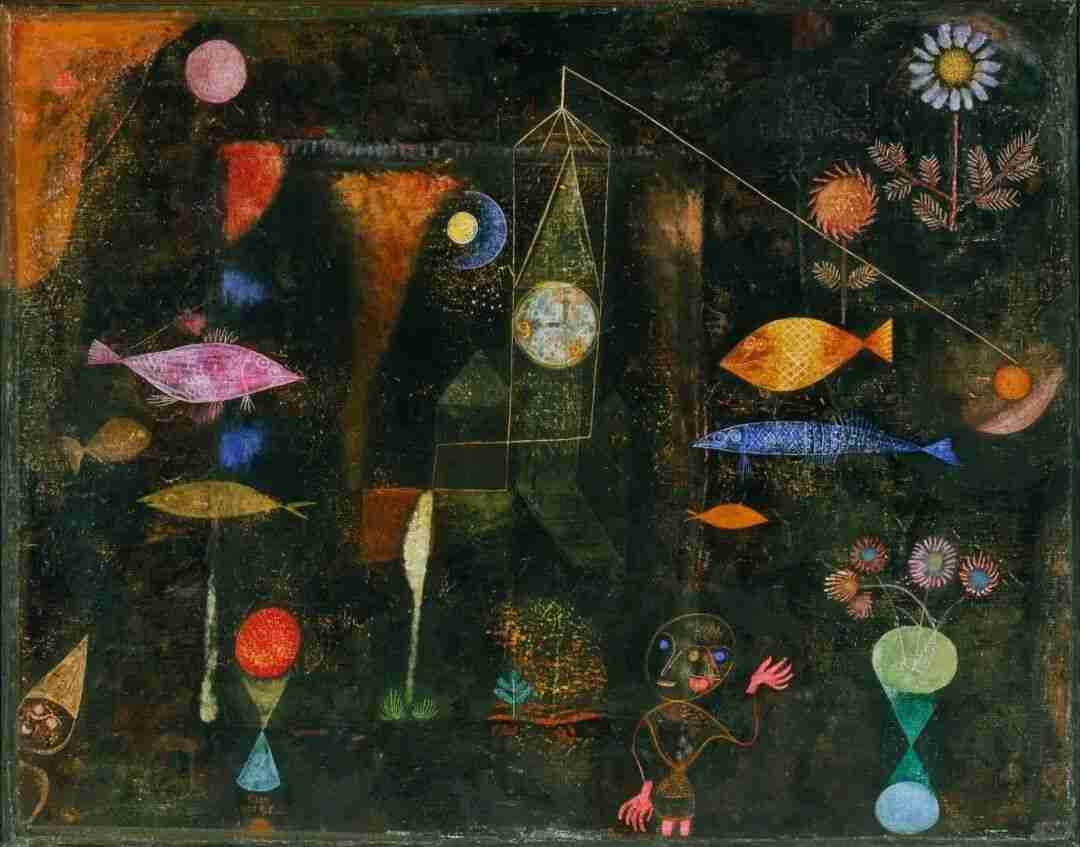
《Fish Magic》鱼的魔术
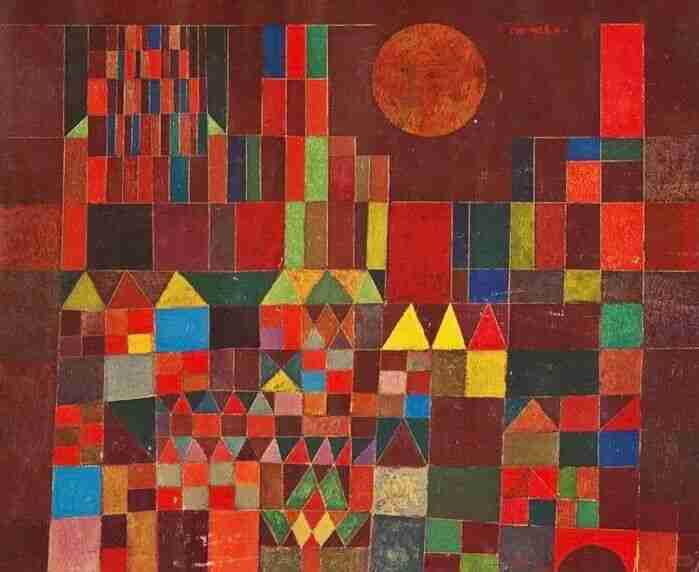
《Castle and sun》城堡与太阳
克利曾说,他希望像孩子一样画画,去探索线条最原始的可能性。他画中的鱼、鸟、人物,都不是写实的,而是用最简洁的轮廓和符号来表现,这与儿童画中“画我所知,而非画我所见”的特点不谋而合。
Klee once said that he wanted to draw like a child, exploring the most primal possibilities of lines. The fish, birds, and figures in his paintings are not realistic; instead, he represents them with the simplest outlines and symbols, echoing the essence of children’s art: “drawing what I know, not what I see.”
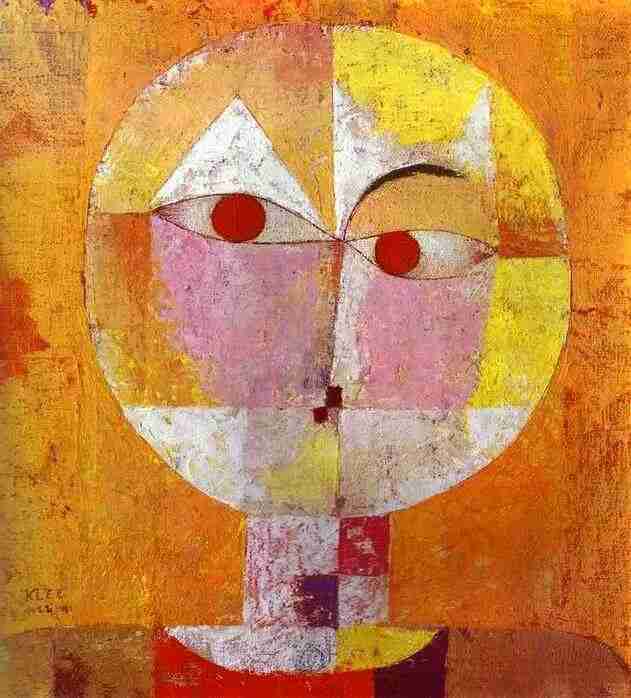
《Senecio》塞内西奥
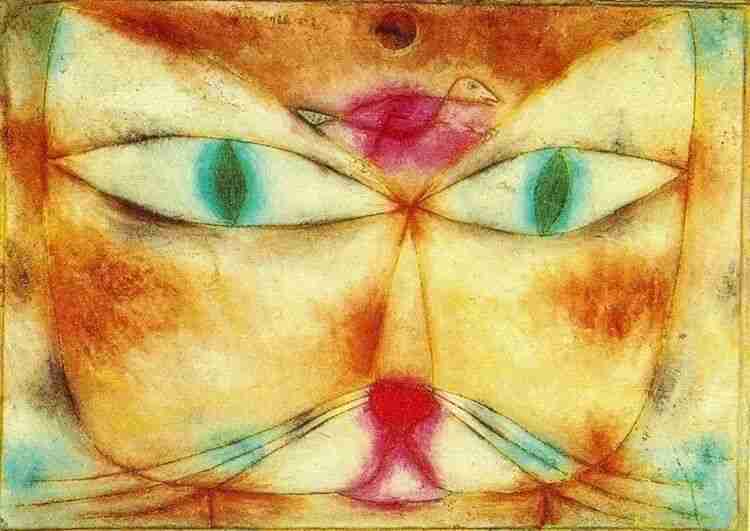
《Cat and Bird》猫和鸟
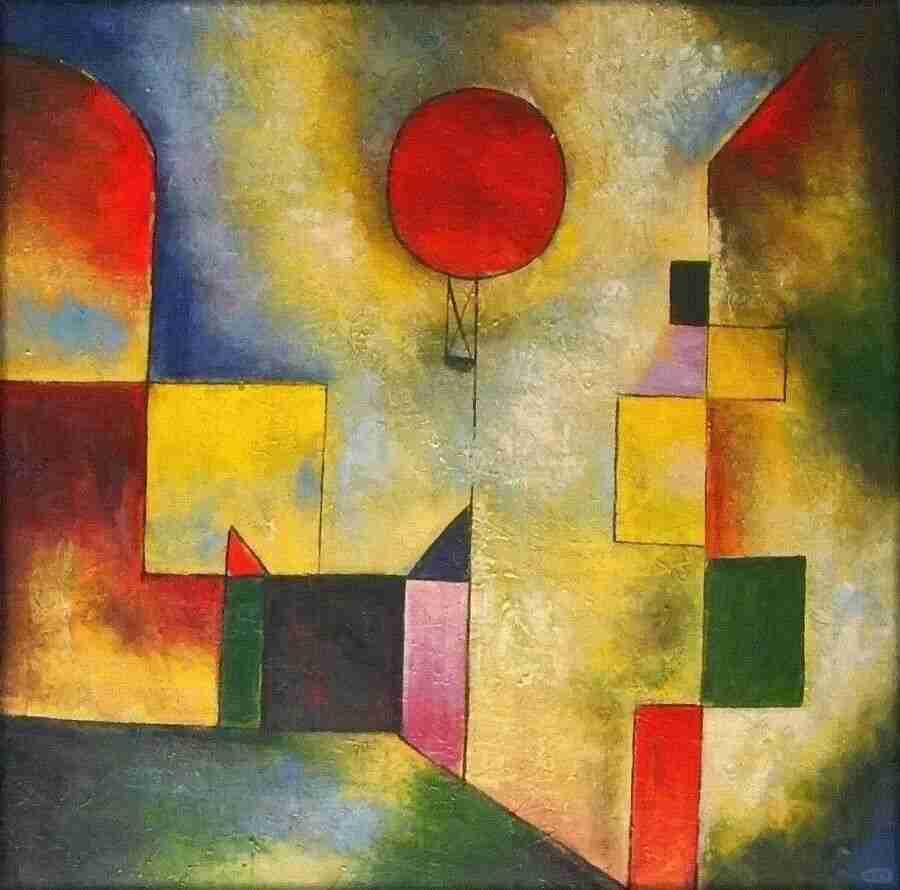
《Red balloon》红气球
给孩子带来的启发:
画画的第一步是“玩线条”。克利的作品非常适用于儿童绘画初期的模仿,可通过彩色线描的方式加以呈现。我们可以鼓励孩子进行“一根线条的旅行”游戏:准备一张纸,从任意一点开始,用一根不间断的线条,让它散步、跑步、跳跃、转圈,看看最后能形成一个什么样的奇妙世界。
在这个过程中,孩子会感受到线条的无限可能,不再为“画不像”而焦虑,而是享受创造本身的乐趣。也让孩子们明白,简单的线条与元素也可以呈现出经典“大作”。
Inspiration for Children:
The first step in drawing is to “play with lines.” Klee’s works are perfect for early childhood art practice and can be presented through colorful line drawings. Children can be encouraged to play the “Journey of a Single Line” game: take a sheet of paper, start from any point, and draw a continuous line that walks, runs, jumps, and spins—see what kind of wonderful world it creates in the end.
Through this process, children experience the infinite possibilities of lines. They won’t worry about making their drawings “look right,” but instead enjoy the pure joy of creation. It also teaches them that even simple lines and elements can form a classic “masterpiece.”
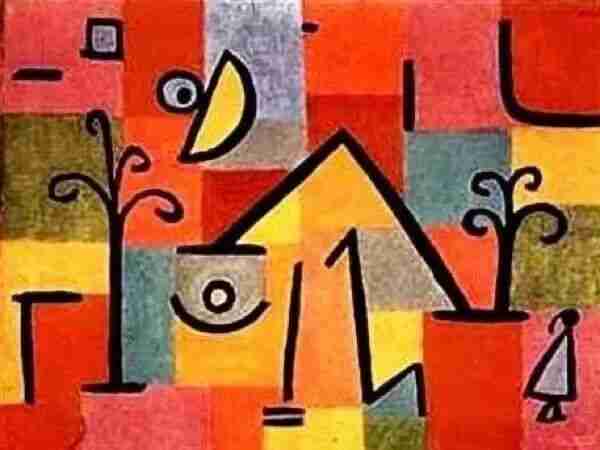
2 — 色彩的狂欢者:亨利·马蒂斯(Henri Matisse)
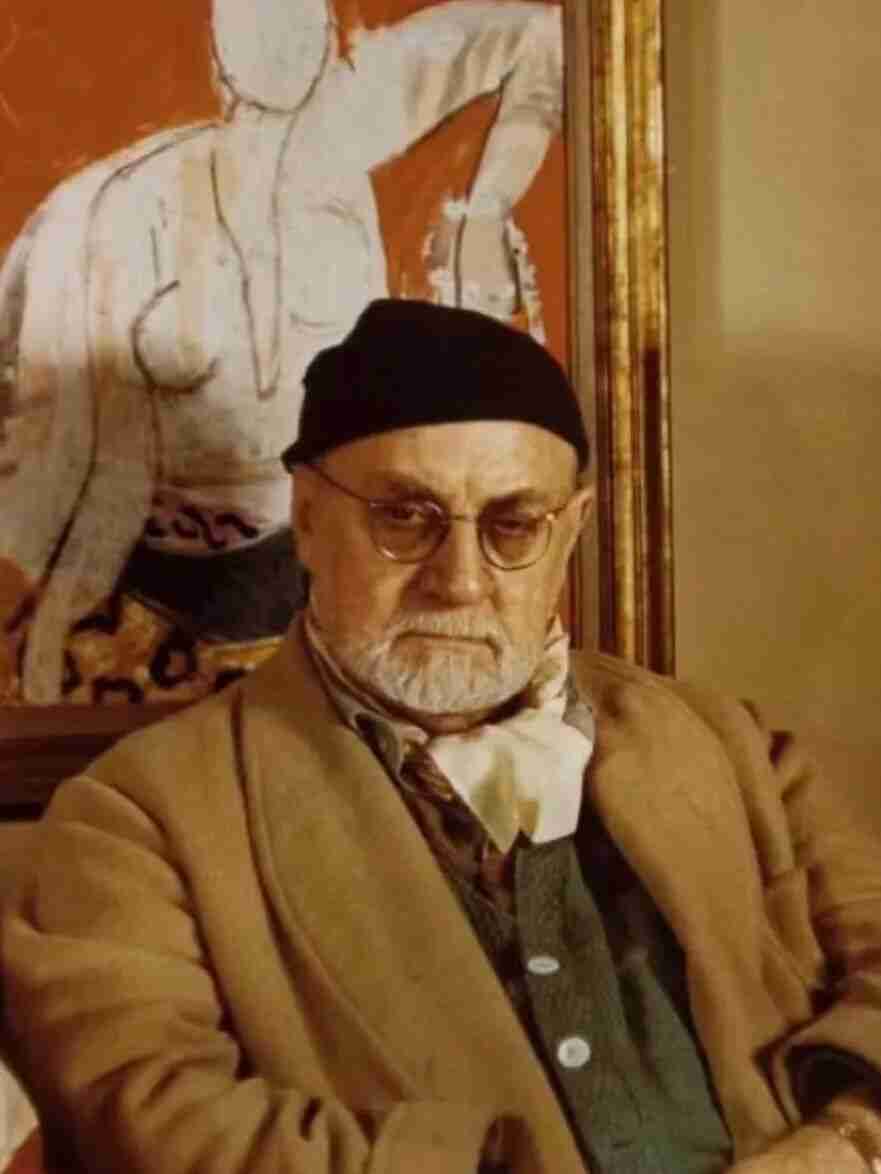
“我一生都在追求用最简洁的方式,表达最丰富的情感。”
——亨利·马蒂斯
“Throughout my life, I have sought to express the richest emotions in the simplest way.”
— Henri Matisse
这位“野兽派”的创始人,一生都痴迷于色彩的纯粹与热烈。晚年的马蒂斯因病无法站立作画,但他却开创了艺术生涯的又一个高峰——剪纸艺术。他用一把剪刀,将涂满鲜艳颜料的色纸剪出各种形状,再像玩拼图一样,将它们组合成充满生命力的作品。
没有复杂的阴影,没有细腻的笔触,只有大块、饱和度极高的色块。那幅著名的《蜗牛》,用几片简单的彩色纸,就拼贴出一个旋转、生长的生命体,充满了原始而蓬勃的力量。
This founder of the Fauvism movement was obsessed throughout his life with the purity and intensity of color. In his later years, when illness prevented him from standing to paint, Matisse reached a new peak in his artistic career through his cut-out works. Using scissors, he cut shapes from brightly painted paper and assembled them like a puzzle, creating vibrant, lively compositions.
Without complex shading or delicate brushwork, his works relied solely on large, highly saturated color blocks. His famous piece The Snail uses just a few simple colored paper pieces to create a spiraling, growing life form, radiating a raw and vigorous energy.
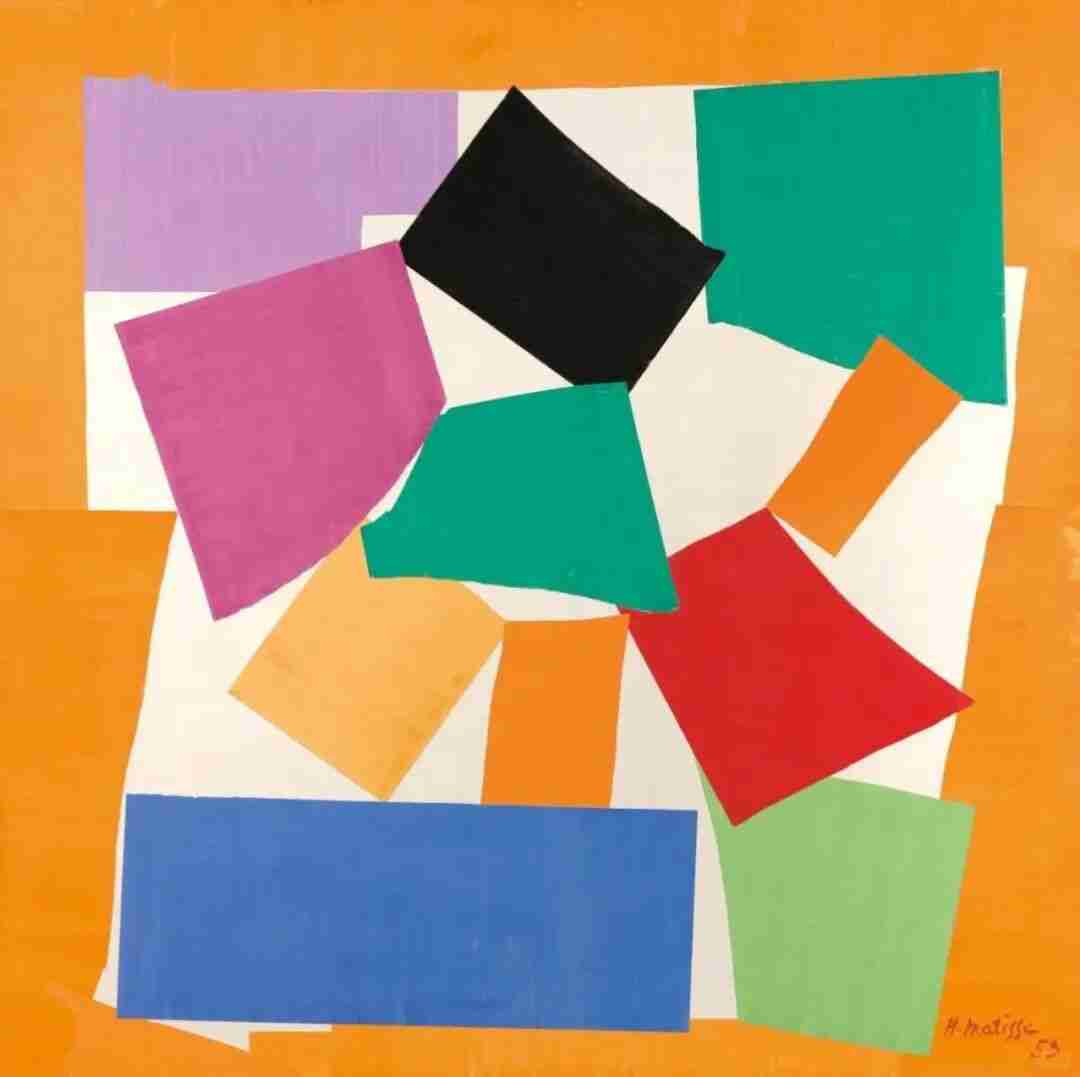
《The Snail》蜗牛
而《波利尼西亚的天空》则用鲜艳的色块和剪影,营造出一个充满异域风情的梦幻世界。马蒂斯的艺术,纯粹、直接,充满了快乐。
In The Sky in Polynesia, Matisse uses vibrant color blocks and silhouettes to create a dreamy world full of exotic charm. His art is pure, direct, and brimming with joy.
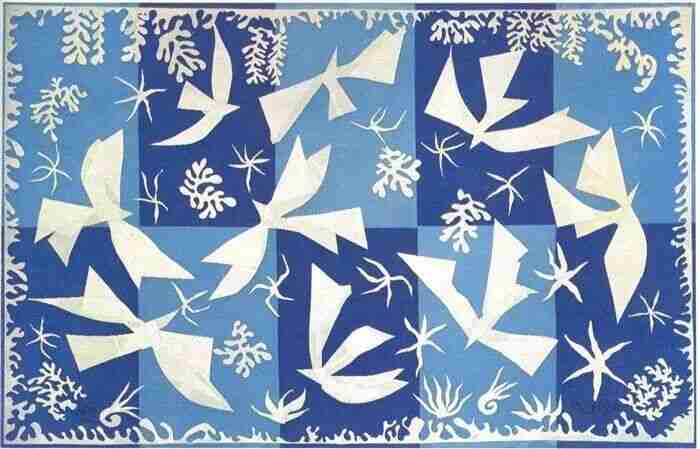
《波利尼西亚的天空》
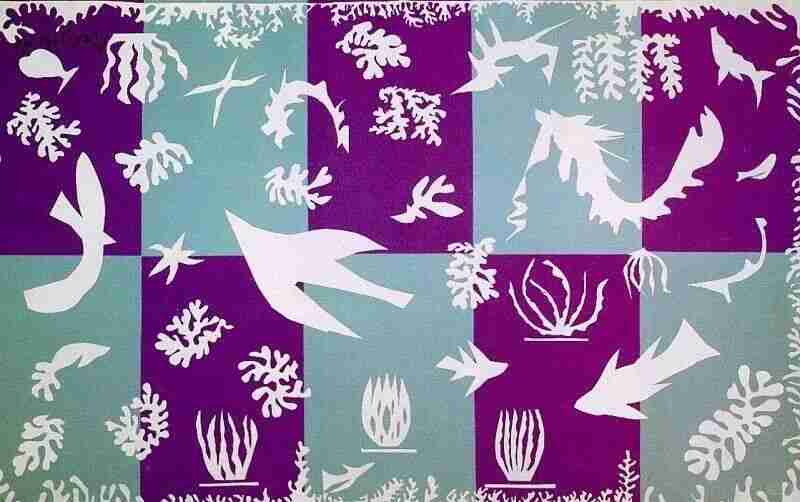
《波利尼西亚的海洋》
给孩子带来的启发:
马蒂斯教会孩子“玩色彩”。我们不必拘泥于画笔,完全可以把艺术变成一场亲子手工派对。准备各色的卡纸,让孩子自由地撕或剪出各种形状——圆形、三角形、不规则的碎片都可以。然后,引导他们把这些“色彩碎片”在一张大白纸上进行拼贴,创造一幅属于自己的“马蒂斯风格”画作。
这种方式不仅锻炼了孩子的手部精细动作,更让他们直观地感受到色彩搭配和构图带来的视觉冲击力,明白艺术不只有一种形式。
Inspiration for Children:
Matisse teaches kids to play with color. We don’t have to be confined to paintbrushes; art can become a fun parent-child craft party. Provide colored paper and let children freely tear or cut it into various shapes—circles, triangles, or irregular pieces. Then guide them to arrange these “color fragments” on a large sheet of white paper, creating their own Matisse-style artwork.
This approach not only develops fine motor skills but also helps children intuitively experience the visual impact of color combinations and composition, showing them that art is not limited to a single form.
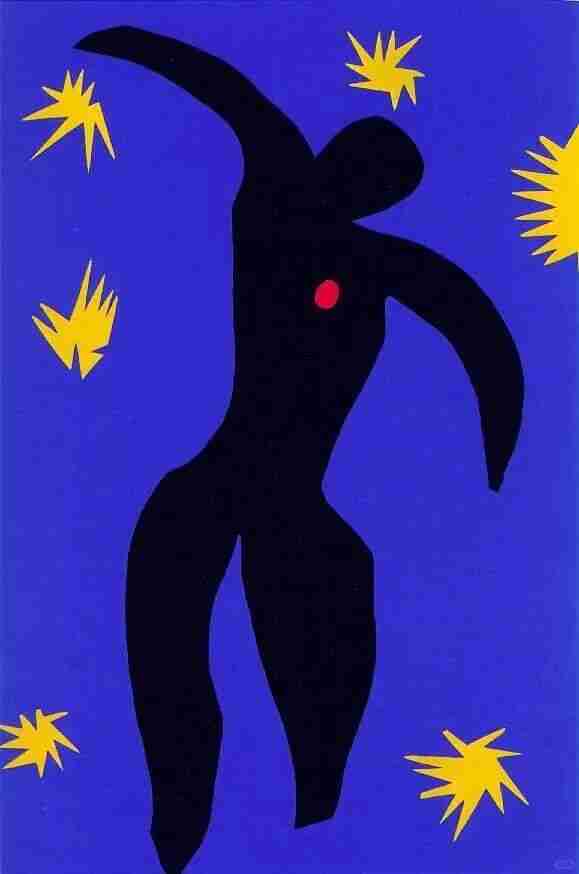
《Icarus》伊卡洛斯从天空坠落
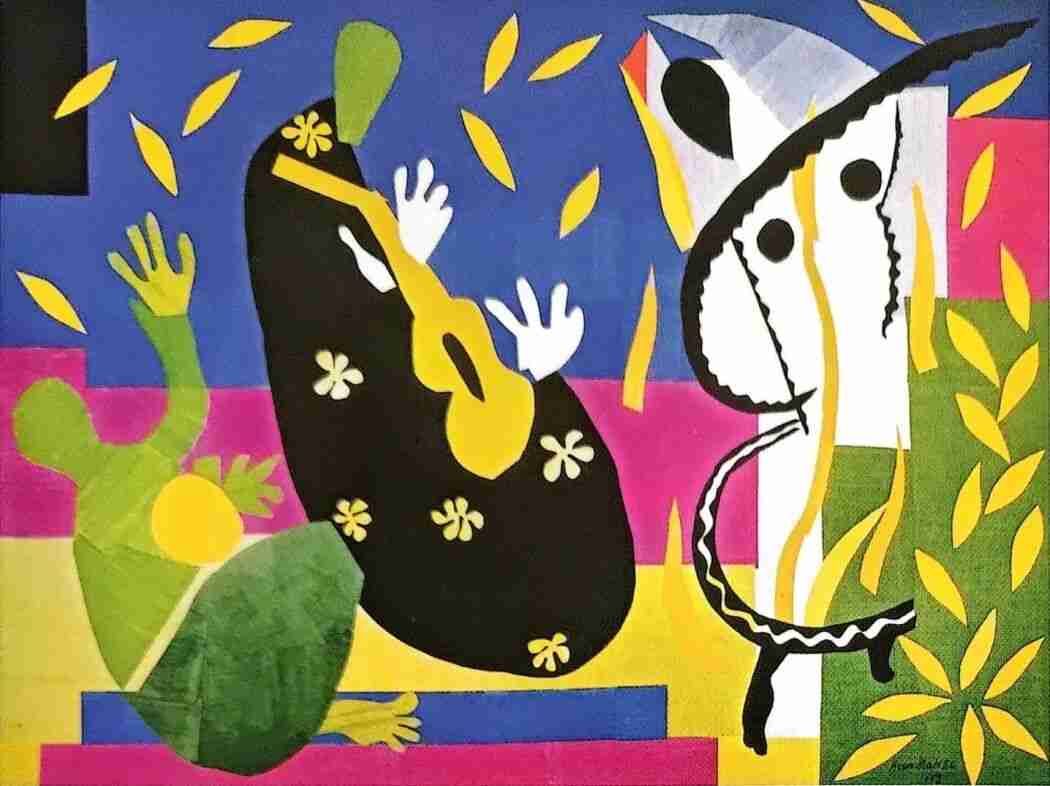
《IThe Sorrows of the King》国王的忧伤
3 — 音乐的画家:瓦西里·康定斯基(Wassily Kandinsky)
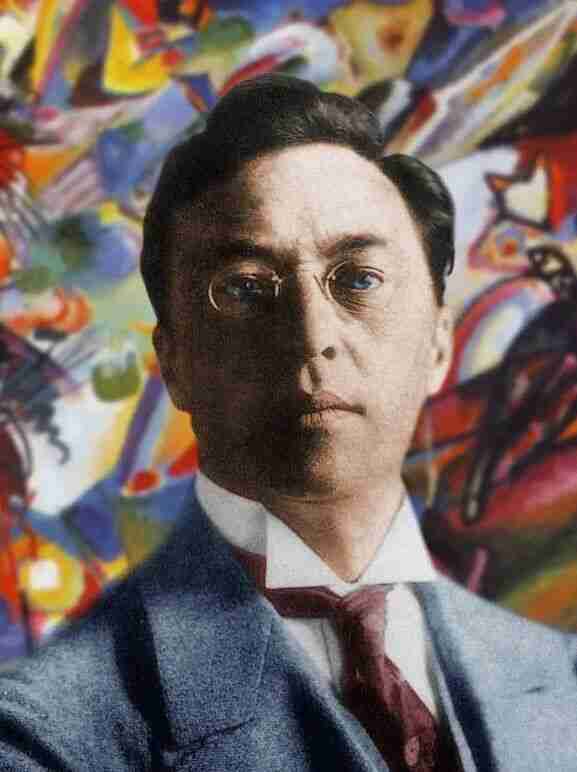
“色彩是琴键,眼睛是琴锤,灵魂是钢琴的琴弦。”
——康定斯基
“Color is the keyboard, the eye is the hammer, the soul is the piano string.”
— Wassily Kandinsky
瓦西里·康定斯基,这位抽象艺术的先驱,拥有一个“超能力”——他能“听到”颜色,“看到”声音。在他的画里,没有具体的形象,只有跳动的点、飞舞的线和交融的色块,它们共同构成了一首首“视觉交响乐”。
他的作品《构成》系列,就像一场盛大的音乐会。尖锐的三角形是高音的呐喊,柔和的圆形是低音的回响,飞舞的线条是流淌的旋律。他认为艺术应该像音乐一样,直接触动灵魂,而无需借助任何具体形象。
Wassily Kandinsky, the pioneer of abstract art, possessed a unique “superpower”—he could “hear” colors and “see” sounds. In his paintings, there are no concrete forms, only dancing dots, fluttering lines, and intermingling color blocks, together composing what he called “visual symphonies.”
His Composition series resembles a grand musical concert. Sharp triangles shout like high notes, gentle circles resonate like low tones, and flowing lines carry the melodies. Kandinsky believed that art should, like music, directly touch the soul without relying on any concrete imagery.
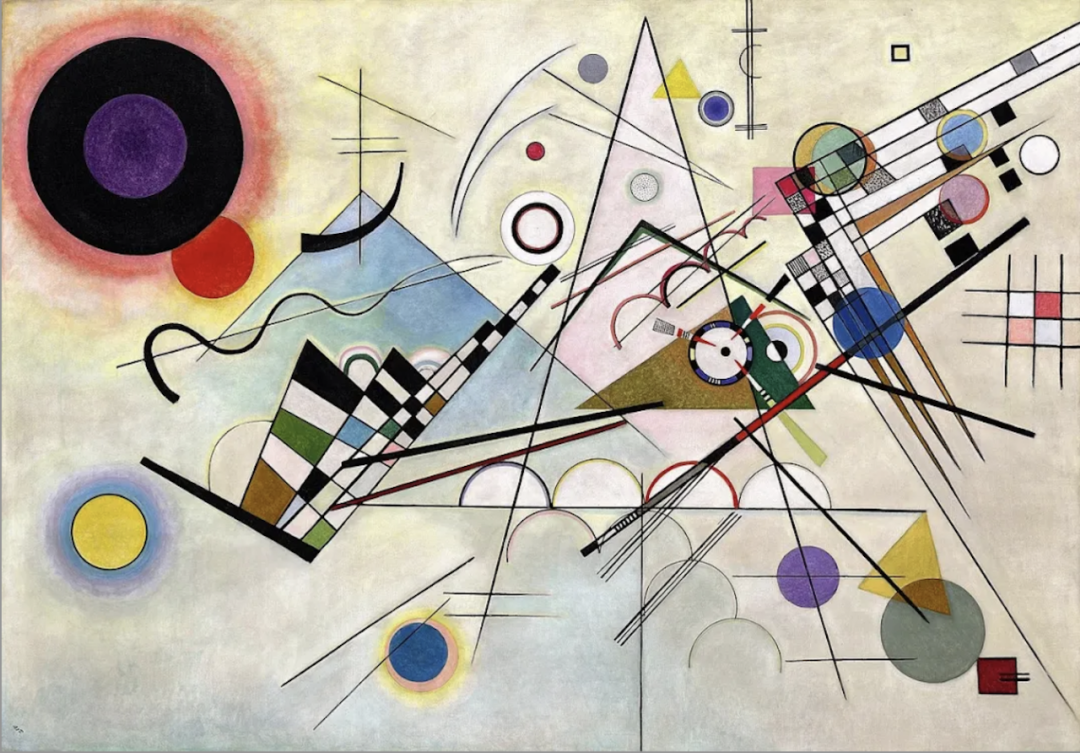
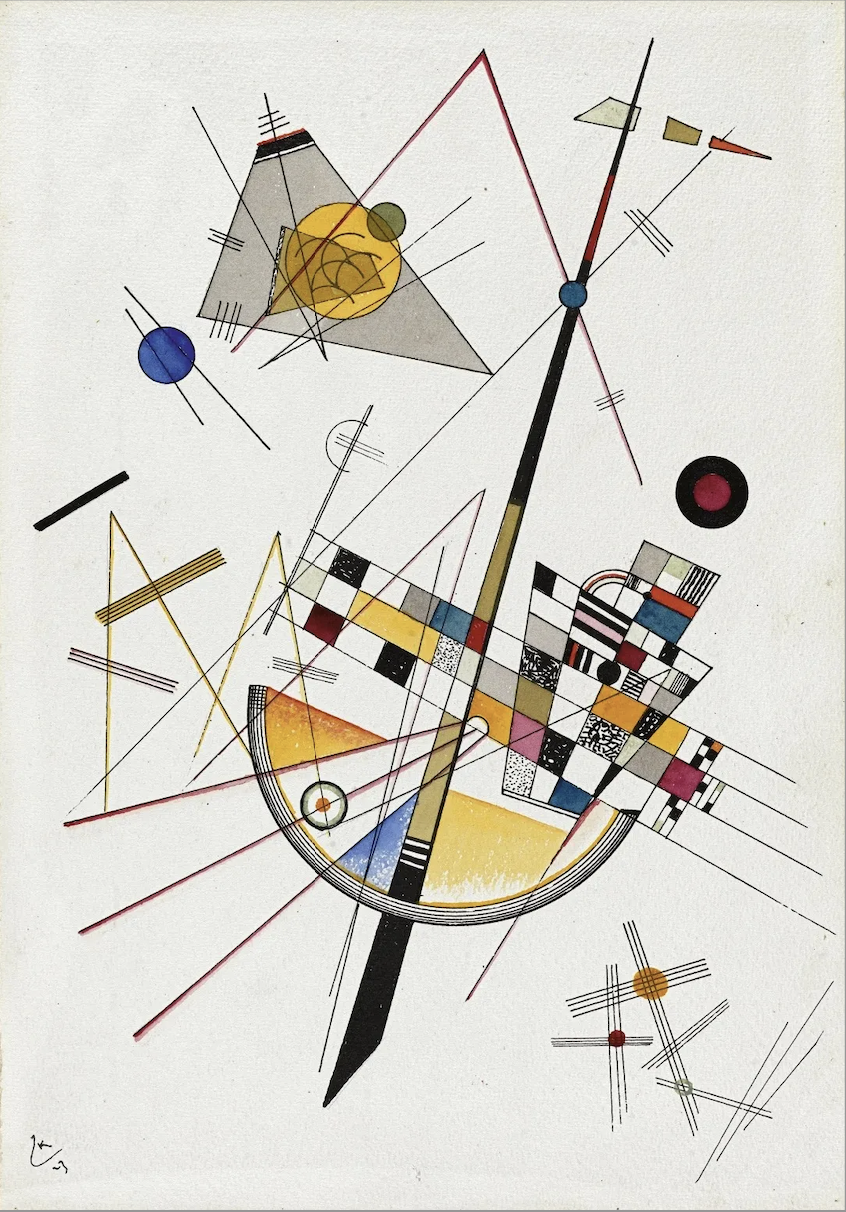
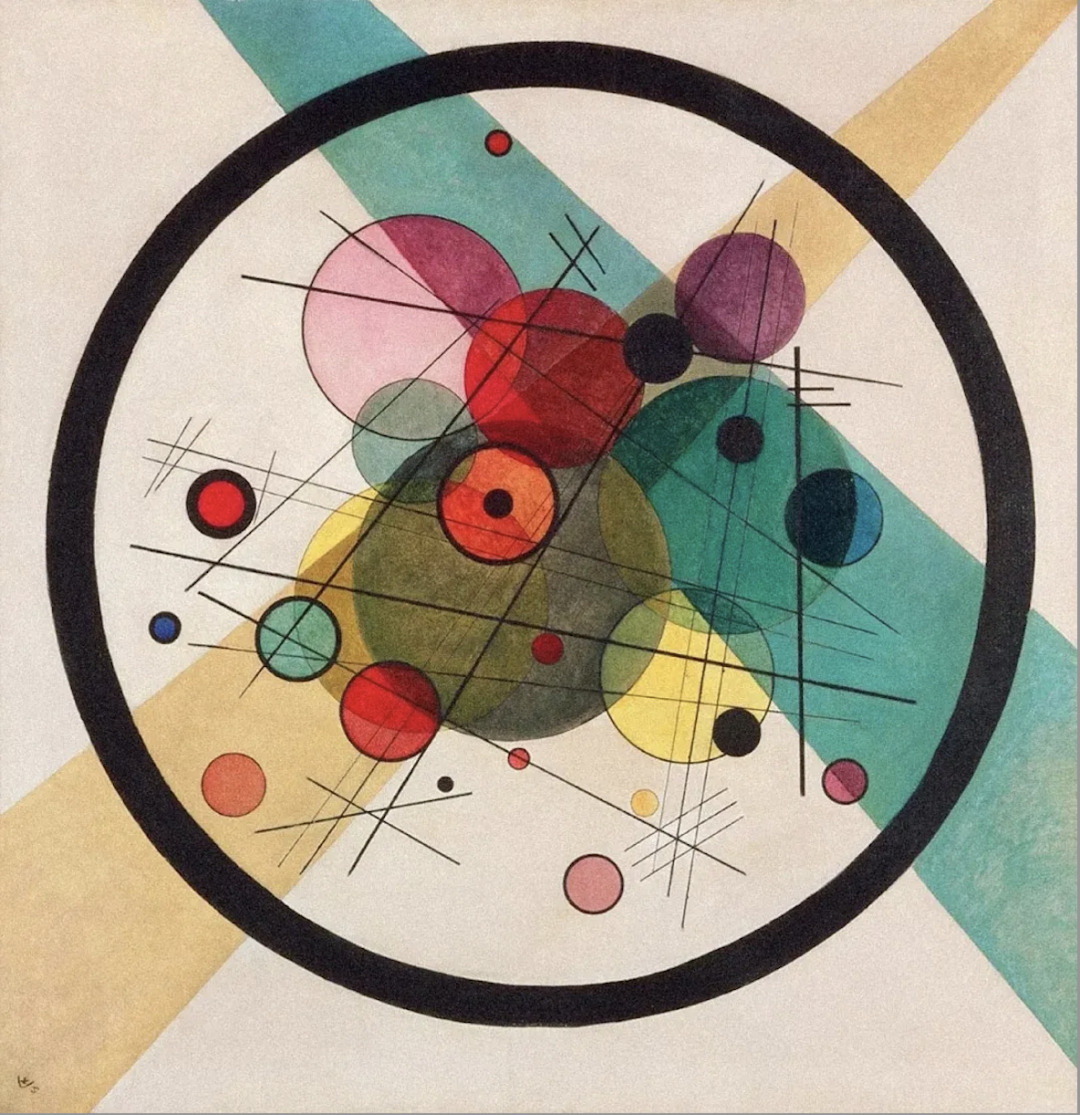
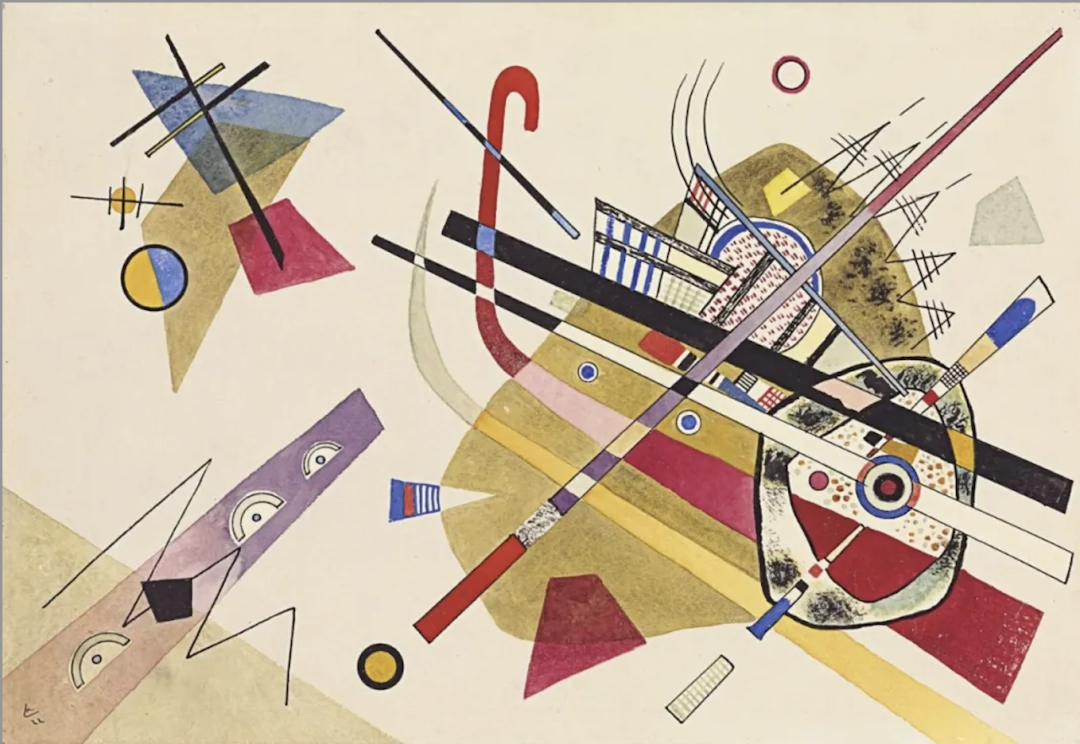
《构成》系列
给孩子带来的启发:
这是一种高级的感官游戏。这种将感官打通的理念,对于想象力正处于爆发期的孩子来说,无疑是一个巨大的启发。
我们可以放一段音乐,可以是激昂的交响乐,也可以是轻柔的摇篮曲,让孩子用画笔,把听到的音乐“画”出来。快节奏的音乐可能会用尖锐的红色和黑色线条表现,而舒缓的音乐则可能用柔和的蓝色和绿色圆形来描绘。这种创作方式,将彻底解放了孩子对“画得像”的执念,让他们专注于表达自己的感受和情绪,真正进入艺术的内核——表达与沟通。
从克利的线条散步,到马蒂斯的色彩狂欢,再到康定斯基的感官交响,我们看到了艺术最本真的模样——它源于自由,忠于感受,是与世界对话的另一种语言。
请相信,当孩子拿起画笔,他们不只是在涂鸦,而是在用自己的方式,探索这个世界的奥秘。
Inspiration for children:
This is a sophisticated sensory game. The concept of connecting different senses is a huge inspiration for children whose imagination is in full bloom.
We can play a piece of music—be it a stirring symphony or a gentle lullaby—and let children “paint” the music they hear. Fast-paced music might be expressed with sharp red and black lines, while soothing music could be depicted with soft blue and green circles. This method of creation liberates children from the obsession with “making it look realistic,” allowing them to focus on expressing their feelings and emotions. It brings them to the very core of art—expression and communication.
From Klee’s wandering lines, to Matisse’s colorful celebrations, and Kandinsky’s sensory symphonies, we see the truest essence of art: it originates from freedom, stays true to feelings, and serves as another language to converse with the world.
Believe this: when children pick up a brush, they are not merely doodling—they are exploring the mysteries of the world in their own unique way.
|艺术教育的未来|
Tree Art
Tree Art拥有自主研发的REMAT课程体系,注重培养孩子的创新意识,以孩子为主体,老师只是引导者和观察者,而非指挥者。这种理念与保罗·克利、马蒂斯和康定斯基的艺术精神不谋而合。
Tree Art通过美学的教育,
更多的倾听孩子的心声与内心世界,
更多的关注与培养孩子的情操与感性教育,
从而通往幸福的人生。
通过艺术课程和艺术活动,激发孩子们的思考。
通过创意习惯的训练,提升想象与创造的能力。
通过美学启发与引导开启多方位思考能力。
通过反复练习与考究做出自己的决定。
通过美学规律训练提升判断美的能力。
通过审美和创意能力的培养,最终获得幸福的人生。
The Future of Art Education|
Tree ArtTree Art has independently developed the REMAT curriculum system, which focuses on nurturing children’s creativity and innovative thinking. In this system, children are the protagonists, while teachers serve as guides and observers—not directors. This philosophy resonates deeply with the artistic spirit of Paul Klee, Matisse, and Kandinsky.
Through aesthetic education, Tree Art emphasizes:
- Listening to children’s inner voices and understanding their emotional world.
- Focusing on cultivating emotional intelligence and sensibility, guiding children toward a fulfilling life.
The approach includes:
- Using art courses and activities to stimulate critical thinking.
- Training in creative habits to enhance imagination and creative ability.
- Employing aesthetic guidance to develop multidimensional thinking.
- Encouraging repeated practice and careful exploration to make independent decisions.
- Applying principles of aesthetics to improve judgment of beauty.
- Ultimately, through nurturing aesthetic and creative abilities, children are empowered to lead a happy and meaningful life.


