
Parents, have you ever felt completely overwhelmed by your child’s endless little problems?
Your child can’t sit still, gets distracted ten times in five minutes while doing homework, holds the pencil awkwardly, and has ridiculously poor focus;
they throw tantrums at every turn, unable to express their frustrations or thoughts, being both introverted and sensitive;
they procrastinate, lose interest quickly—whether building blocks or reading picture books, they often give up halfway;
they don’t pay attention in class, miss details, forget everything the teacher just said, and have such low learning efficiency that it’s worrying…
I used to think these little quirks were just part of a child’s “nature” and that we could only wait it out. But after my child persisted in learning to draw for half a year, I realized we had been underestimating the power of drawing all along. It’s not “just doodling”—a simple paintbrush could be shaping your child’s brain structure and future competitiveness…
You might have wondered: Why should children learn to draw?
After reading this article, you may find the best answer.
Part 1: Drawing
An Ancient Language Older Than Words
For tens of thousands of years before written language, humans recorded hunting, stars, and life and death on cave walls through drawing.
For children, a paintbrush is their second mouth. When their vocabulary isn’t enough to accurately describe their emotions, when complex feelings get stuck in their throat, lines and colors become their most direct tools of expression.
A hurried line, a dark blob of suppressed emotion, a figure filling the entire page… these silently convey a child’s current anxiety or joy. Drawing allows children to turn invisible emotions into visible images, which is an extremely important skill for emotional regulation.
Art is an outlet for emotions and a bridge to communicate with the world. This visual expression is not just for doodles—it translates into future abilities like PPT design, project presentation skills, and even provides an advantage in cross-cultural communication that goes beyond language.
Part 2: Drawing
A Full-Brain “Workout”
Drawing is one of the few activities that simultaneously engages the left brain (logic/reasoning) and right brain (imagery/emotion).
When creating, a child’s brain works at high speed:
- Conceptualizing the scene requires logic,
- Composing the layout requires spatial awareness,
- Physically drawing gives tactile feedback,
- Mixing colors requires aesthetic judgment.
This sequence of actions builds countless new neural connections. Consistent drawing practice not only strengthens logical and spatial thinking but also promotes overall brain development. The saying “skillful hands reflect a smart mind” is literally true—drawing makes the brain smarter and more flexible.
Part 3: Drawing
Teaches Children to See the World Clearly
Children who haven’t learned to draw see leaves as simply green;
children who draw notice the yellowed curled edges, the branching veins like rivers, the sunlight filtering through. Drawing gives children “trained eyes.”
This deep observation skill is a foundational ability for learning all subjects. It allows children to remain curious about the world, not passively pass through life, but keenly notice small beauties and subtle changes.
More importantly, the patience and focus required for this observation subtly shape their character. A child accustomed to noticing details and light and shadow becomes diligent and precise in all tasks, no longer careless or prone to giving up halfway.
The goal of drawing is never to reproduce the world “accurately,” but to teach children to see it “clearly.”
Part 4: How Does Drawing Change a Child’s Life?
Over time, the benefits of drawing go far beyond the paper and permeate every aspect of a child’s growth.
1. Develop “Focus” to Resist Impatience
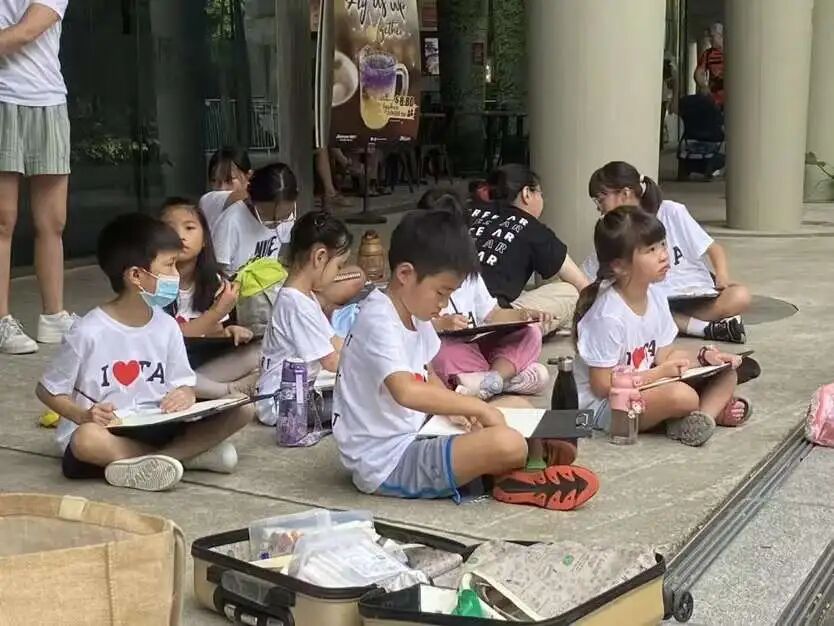
In this era of fragmented information, a single drawing may require children to sit quietly for tens of minutes or longer.
To complete the image in their mind, they must calm themselves and block distractions.
This state of “flow” is invaluable. It helps children overcome short-lived interests, enabling them to concentrate deeply—whether in drawing or in future academic study—without parents needing to chase or push them.
2. Build “Execution Skills” to Bring Imagination to Life
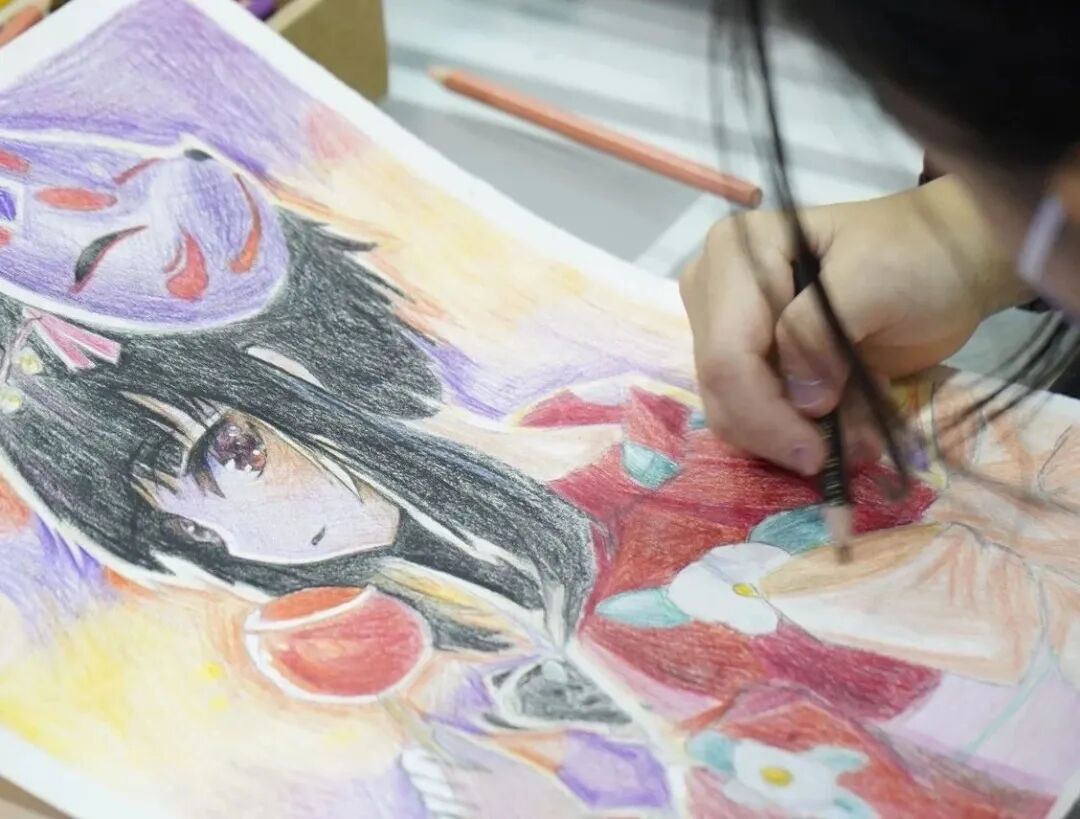
Drawing turns the imagination into reality. Each finished work is a victory of execution. From sketching, coloring, to fine-tuning, every step requires decision-making and action.
What if they draw something wrong? What if colors get messy? Through these challenges, children learn to solve problems and strengthen the ability to “finish what they start.”
3. Enhance “Memory and Perception”
Observing life and collecting visual materials activates the visual memory centers. Over time, children develop a strong image memory—what teachers say becomes vivid pictures rather than dull words, no longer easily forgotten.
Sensitivity to color and space also transfers magically—geography maps are easier to learn, chemistry molecular structures easier to grasp. Drawing awakens the senses and silently boosts learning ability.
4. Improve “Learning Efficiency”
The focus, observation, and logical thinking developed through drawing are foundational abilities for all subjects.
Good spatial sense aids geometry; strong observation benefits science exploration; visual thinking improves reading comprehension. Brain development from drawing is not just a skill—it’s an upgrade to cognitive ability. When applied to learning, it’s like a “dimensional leap.”
Why Learn to Draw?
It’s not to make your child the next Van Gogh or Monet, nor to earn certificates.
It’s to give them, in life:
- An alternative form of expression when words fail,
- Eyes to notice beauty in a complex, noisy world,
- A focused, resilient mind to face challenges.
This is the lifelong gift we can give our children.
家长们,有没有被孩子的各种小问题逼到崩溃过?
孩子坐不住,写作业5分钟走神10次,握笔歪歪扭扭,专注力差到离谱;遇事只会哭闹发脾气,不会表达自己的委屈和想法,内向又敏感;事情拖拖拉拉,三分钟热度,不管是搭积木还是读绘本,经常都是半途而废;课不认真听讲,不会观察细节,老师讲的知识点转头就忘,学习效率低到发愁……
以前总以为,这些小毛病都是孩子的“天性”,只能慢慢熬,直到让孩子坚持学了半年画画,才发现——原来我们一直低估了画画的力量,它根本不是“随便涂涂画画”,一个简单的画笔,可能正在塑造孩子的大脑结构和未来竞争力……
你或许也困惑过:为什么要学画画?读完这篇文章,或许你会找到那个最好的答案。
part.1
画画
是一门比文字更古老的语言

在文字出现之前的数万年里,人类就已在洞穴的岩壁上,用绘画记录狩猎、星辰与生死。


对于孩子来说,画笔就是他们的第二张嘴。当孩子的词汇量还不足以准确描述内心的喜怒哀乐,当复杂的情绪卡在喉咙里说不出口时,线条和色彩便成了他们最直接的表达工具。
一条急促的线条、一团压抑的黑色、一个占据整个纸面的人物……这些都在无声地诉说着孩子此刻的焦虑或快乐。画画,让孩子把“看不见”的情绪变成了“看得见”的画面,这是一种极其重要的情绪疏导能力。
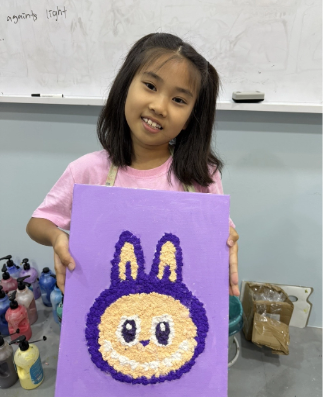
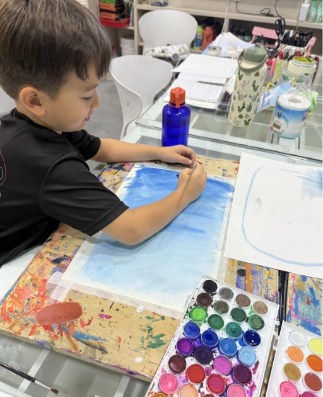
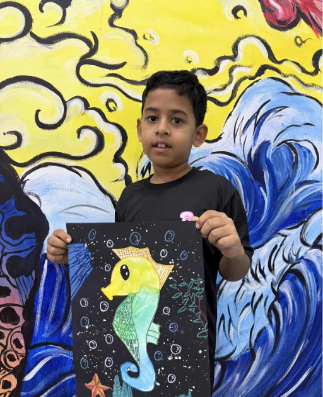
艺术,是情绪的出口,也是与世界沟通的桥梁。这种视觉表达能力,不仅仅是为了涂鸦,它将转化为未来的PPT设计能力、方案呈现能力,甚至在跨文化交流中,成为一种超越语言的优势。
画画
part.2
是全方位的“脑力体操”

画画是极少数能同时调动“左脑(逻辑/理性)”和“右脑(形象/感性)”的活动。
在创作时,孩子的大脑在飞速运转:
构思画面需要逻辑,安排构图需要空间感,动手描绘需要触觉反馈,调配颜色需要审美判断。
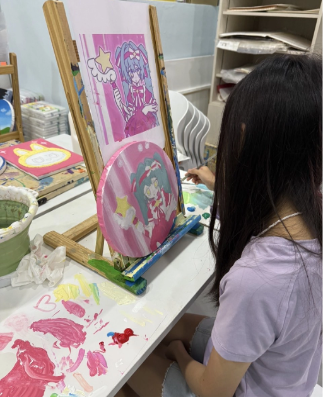
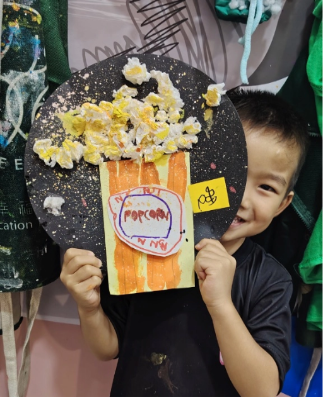
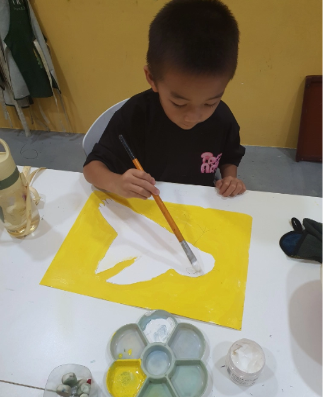
这一系列动作,在大脑中建立了无数新的神经突触连接。长期坚持画画,不仅锻炼了孩子的逻辑思维和空间思维,更促进了大脑的全面发育。所谓“心灵手巧”,其实是因为大脑在画画的过程中,变得越来越聪明、越来越灵活。
part.3
画画
是为了让孩子把世界看得更清
没学画画的孩子看树叶,只看到它是绿色的;
学画画的孩子看树叶,能看到边缘枯黄卷曲的弧度,能看清叶脉如河流般分叉的走向,能看到阳光穿过叶片时透出的光斑。画画,赋予孩子一双“被训练过的眼睛”。
这种深度的观察力,是未来学习一切学科的元能力。它让孩子对世界保持永恒的好奇,不再是麻木地路过生活,而是能敏锐地捕捉到微小的美好与变化的细节。
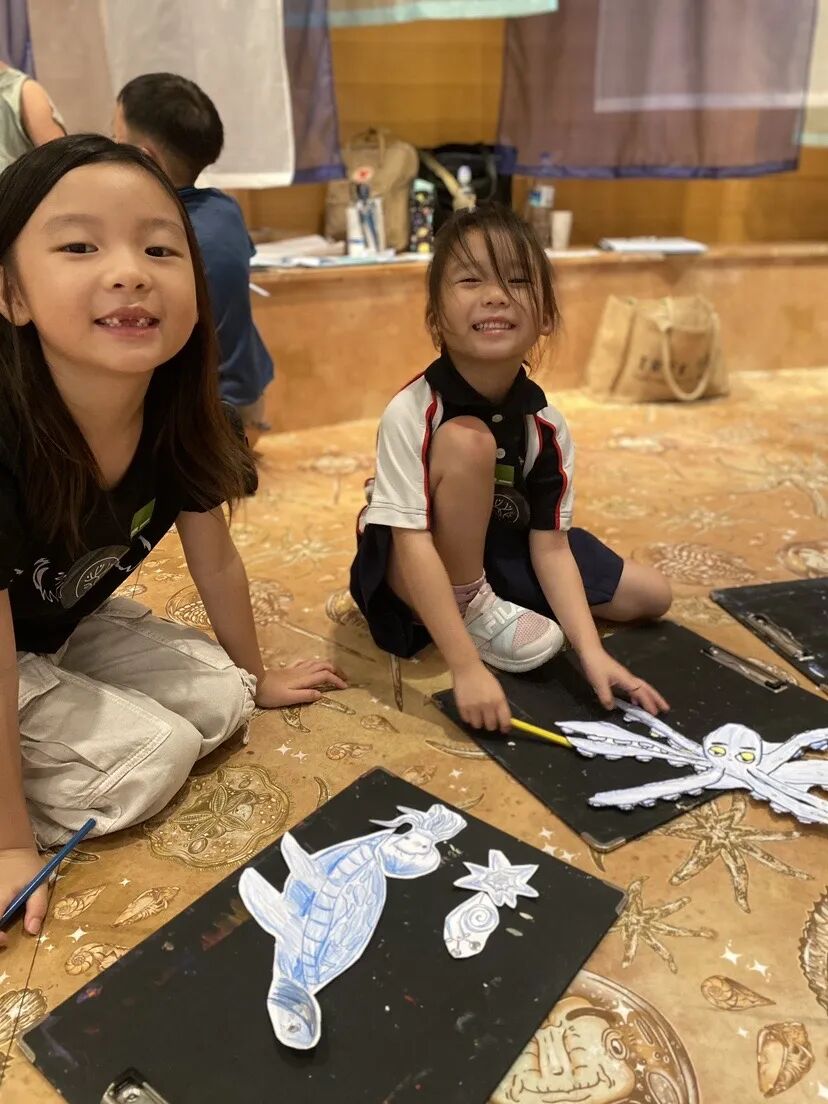

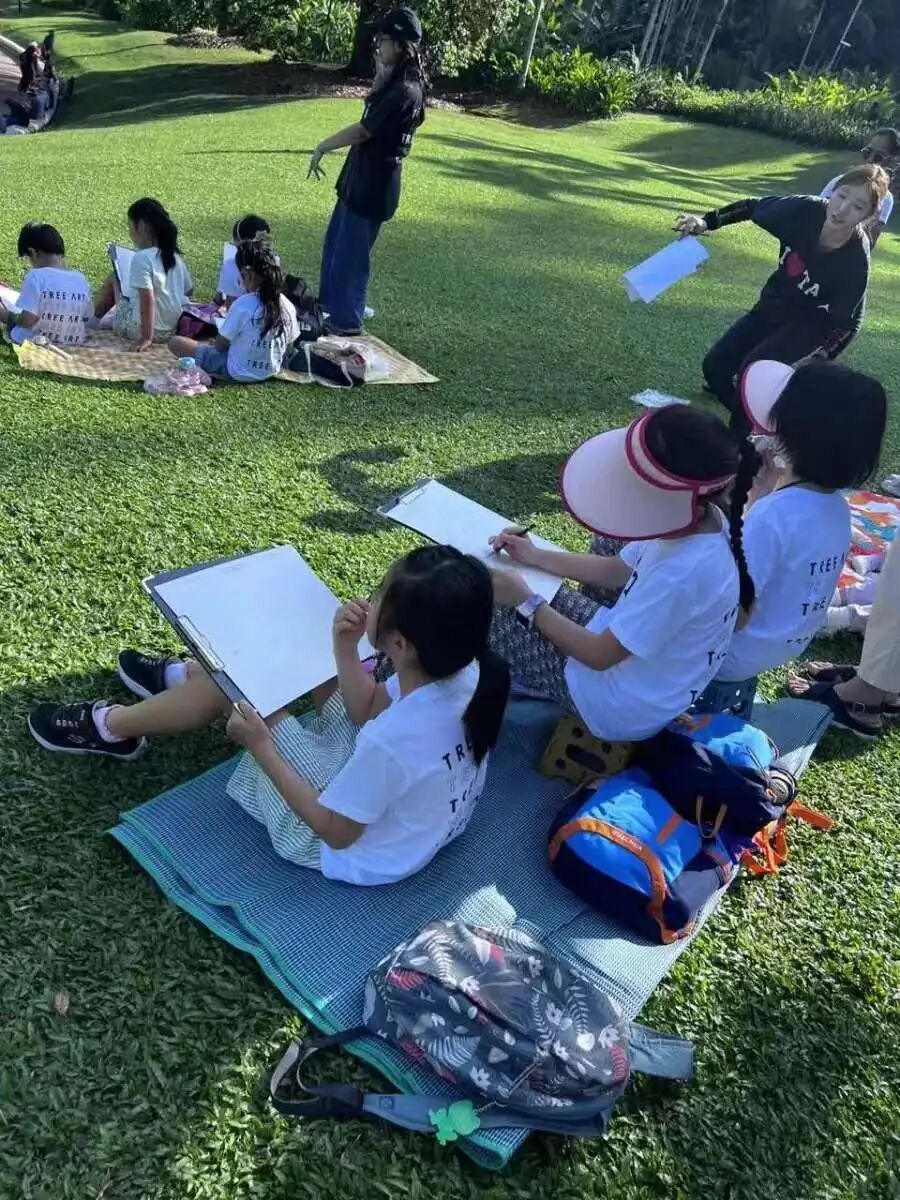
更重要的是,这份观察所需的耐心与专注,会潜移默化地塑造孩子性格。当一个孩子习惯于观察细节、捕捉光影,他在做任何事情时都会变得认真、严谨,再也不会敷衍了事、半途而废。
画画的目的,从来不是为了把世界画得“像”,而是为了引导孩子把世界看得“清”。
懂画画的孩子
part.4
人生到底有什么不同?
如果我们将时间线拉长,你会发现,坚持学画画带来的好处,早已超越了画纸本身,渗透进了孩子成长的每一处。
1.拥有对抗浮躁的“专注力”
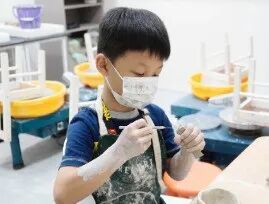
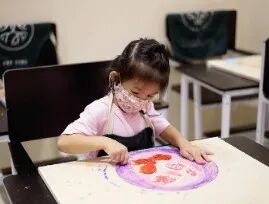
\ 在这个信息碎片化的时代,一幅画往往需要孩子静坐几十分钟甚至更久。为了完成心中的画面,他们必须沉下心来,排除干扰。
这种“进入心流”的状态,是极其珍贵的体验。它帮助孩子摆脱“三分钟热度”,无论是画画还是未来的文化课学习,他们都能静下心来,专心致志地完成,再也不用家长追着催、逼着学。

2.拥有把想象落地的“执行力”
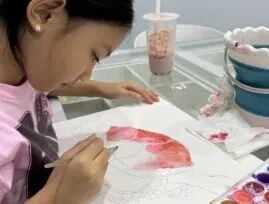
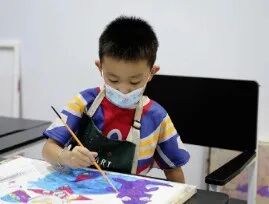
画画,是把脑子里的虚幻想象“变现”的过程。每一幅完整作品的诞生,都是一次执行力的胜利。从起稿、上色到调整细节,每一步都需要孩子自己决策和行动。
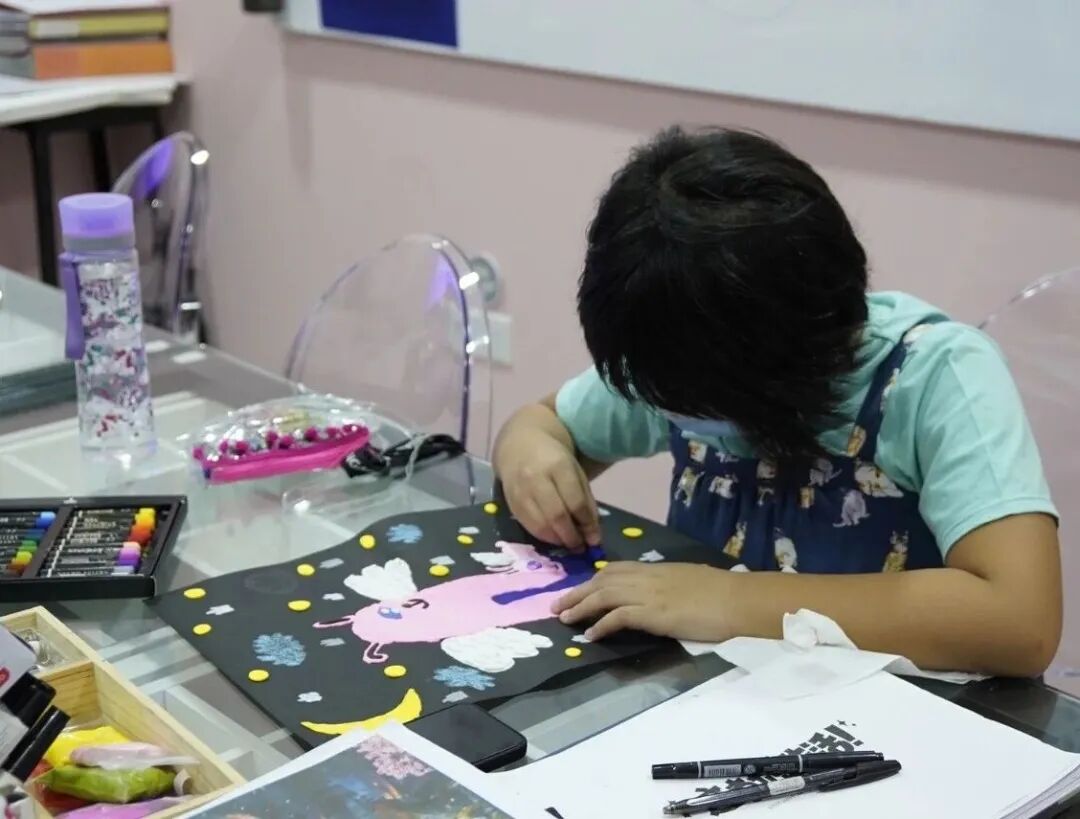
画错了怎么改?颜色脏了怎么救?在这个过程中,孩子学会了在解决问题中前行,锻炼了强大的“把事情做完”的执行力。

3.过目不忘的“记忆力和感知力”
观察生活、积累画面素材,会激活孩子的视觉记忆中枢。经过长期训练,孩子的图像记忆力会显著提升,老师讲的知识点不再是枯燥的文字,而是生动的画面,再也不会转头就忘。
同时,对色彩、空间的敏感度也会发生神奇的迁移——地理的地图学习变得轻松,化学的分子结构理解得更快。画画带来的感官觉醒,是学习路上的隐形助推器。
4.拥有降维打击的“学习效能”
画画培养的专注力、观察力和逻辑思维,是所有学科的底层能力。
空间感好有助于几何学习;观察力强有助于自然/科学探索;形象思维有助于语文的阅读理解。画画带来的大脑开发,不是单一技能的提升,而是底层认知的升级。当这种能力迁移到学习中,往往是一种“降维打击”。
为什么要学画画?
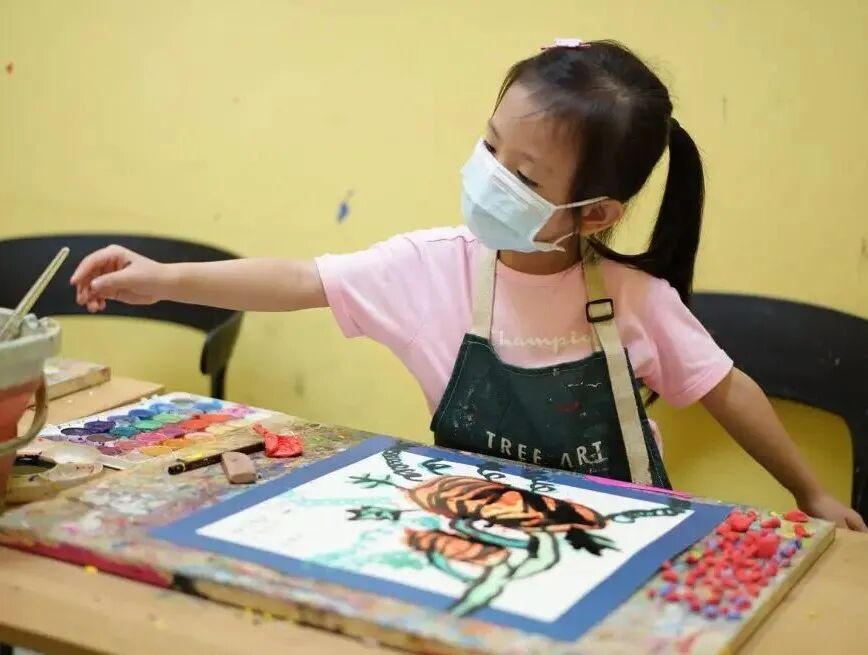
不是为了让孩子成为梵高或莫奈,也不是为了一定要考取什么证书。
而是希望在他们未来的生命里:
当文字苍白无力时,他们有另一种表达的方式;
当世界复杂喧嚣时,他们有一双发现美的眼睛;
当面对困难挑战时,他们有一颗专注而坚韧的心。
这,才是我们送给孩子受用一生的礼物。