

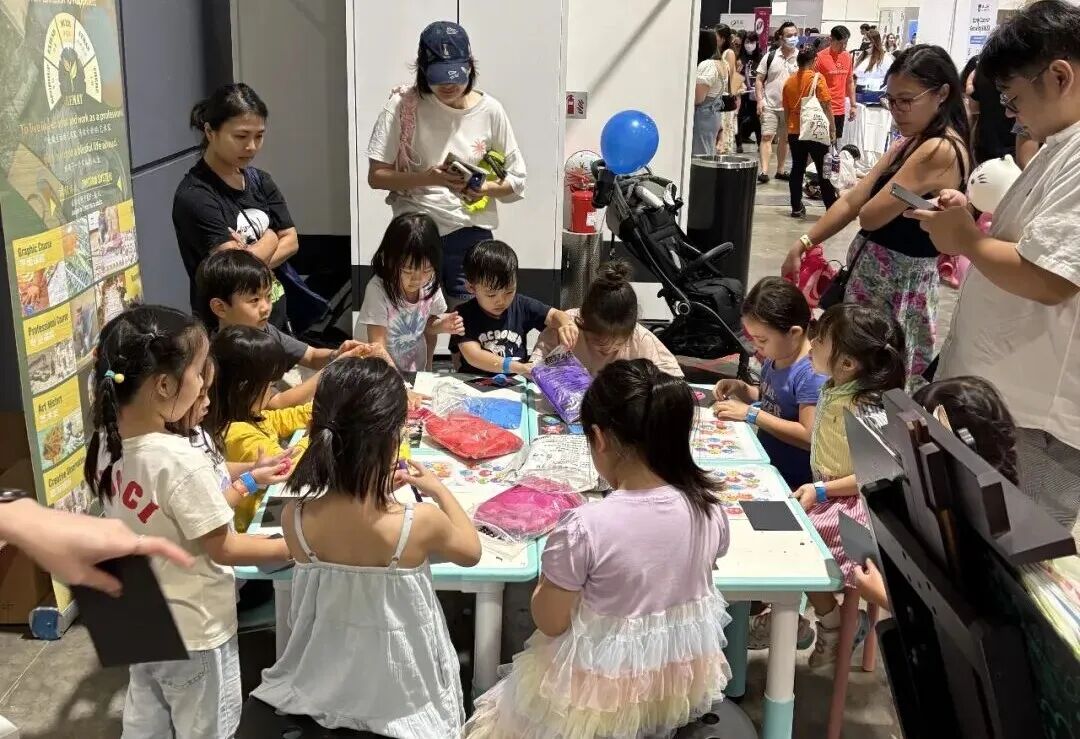


当了爸妈才知道,养娃全是焦虑点
尤其是关于“兴趣爱好”的培养
简直能让老母亲老父亲们愁秃了头
There really is a golden period for children to learn painting! What a pity I didn’t know this sooner.
Only after becoming parents do we realize raising a child is filled with endless anxiety.
This is especially true when it comes to cultivating hobbies and interests.
It’s enough to drive every parent up the wall.
Take painting learning for example. Have you ever struggled with these doubts:
You see neighbors’ kids taking art classes starting at age 3, sharing their artworks every day, and you can’t help but worry: “Is my child starting too late? Will their talent be wasted?”
When you’re ready to sign them up for art lessons, experts warn:
“Early formal training stifles imagination and ruins children’s creative instincts.”
Caught between the fear of falling behind and the fear of wrong teaching methods, parents are torn and confused.
Many parents fall into the same misunderstanding:
They believe there is a fixed “golden age” for learning art, and children must start by a certain age, or they will lose at the starting line.
The truth is, there is no one-size-fits-all answer for when kids should start art education.
The so-called critical period for painting is never just a number on their age.
It comes when a child’s body and brain send clear signals that they are truly ready.
I’ve seen far too many regrettable cases.
Some eager parents enroll their 3-year-olds in rigid art classes, forcing them to copy templates and color within lines every day.
Children who once lit up at the sight of a paintbrush gradually become mechanical and perfunctory.
Their works all look identical, and their innate imagination and creativity fade away little by little.
Other parents overlook their children’s interest in art, thinking painting is trivial compared to academic exercises.
Once kids enter primary school and are overwhelmed by schoolwork, they lose all passion for drawing.
Only then do parents realize they’ve missed their child’s most precious creative sensitive period.
These children don’t fall behind because they started too late.
They fall behind because the right things were not done at the right time.
Every child grows at their own pace.
Instead of anxiously following the crowd to sign up for classes, slow down and observe your child.
When they show these three signs, their personal golden period for art has arrived.
1. Developmental Age Milestone
Based on child development rules, age 5 is a key watershed.
Before 5 years old is the scribbling stage.
At this age, kids draw not to create realistic art, but to express themselves.
Those messy lines, circles and blobs of color that you cannot understand may represent dinosaurs, mom, or cosmic battles in their eyes.
The most important thing at this stage?
Free imagination.
Let them draw freely and creatively.
Do not correct, restrict, over-guide, or ask “What is this supposed to be?”
After age 5, you will notice obvious changes in their artwork.
Stories begin to emerge:
Families holding hands in the park, children playing on the grass, little animals having parties.
Characters have movements, scenes have logic, and paintings carry complete plots.
This means their brains have matured, and they begin to perceive and understand the world logically.
This is the perfect time for gentle, systematic guidance—guidance, not restriction.
2. Changes in Art Creation
Children’s artistic ability develops step by step.
Every shift from random scribbles to structured drawings sends important messages.
One day, your child may grow tired of simple lines and colors.
They will take initiative to draw blue skies, white clouds, grasslands and little animals.
They start copying characters from picture books and animations, and adding fine details:
coloring flowers with their favorite hues, drawing eyes and mouths for small creatures, chasing richer and more beautiful visuals.
This marks the budding of their aesthetic awareness.
They begin to care about beauty, detail and visual richness.
With professional guidance from a qualified teacher at this stage,
learning simple skills to match colors and compose pictures,
your child will make surprising progress.
3. Active Initiative & Drawing Frequency
The most obvious sign?
Your child picking up a brush on their own.
If your child grabs art supplies as soon as they get home;
If they can focus on drawing for hours on weekends, even forgetting meals;
If they run to you excitedly, talking nonstop about the stories in their artwork…
Congratulations, your child has entered their
creative sensitive period
.
Powerful internal motivation drives them at this stage.
Painting brings them pure joy, while cultivating concentration, observation and self-expression.
Never interrupt, ignore, or judge their art by whether it “looks realistic”.
At this stage, children have natural passion and motivation for art.
They learn willingly and absorb new knowledge rapidly.
Learning art becomes what they want to do, not what they are forced to do —
and the difference in results is tremendous.
Educator Maria Montessori once said:
“Everything we do for children will bear fruit, shaping and defining their entire lives.”
Every child blooms in their own time.
Some mature early, others thrive later in life.
Let go of the obsession with the “starting line”.
Kneel down and watch your little one paint and create.
Live free from anxiety, peer pressure and forced learning.
Seize the moment when they love and volunteer to draw —
that is always the perfect time.
就拿学画画来说,你是不是也有过这样的纠结:
看邻居家孩子3岁就报了画画班,天天晒作品,心里直打鼓:“我家娃是不是起步晚了?会不会耽误天赋?”
真想给孩子报个班吧,又听专家说:“太早报班扼杀想象力,别把孩子教坏了。”
于是,我们在“怕输在起跑线”和“怕教错方法”之间反复横跳,左右为难。

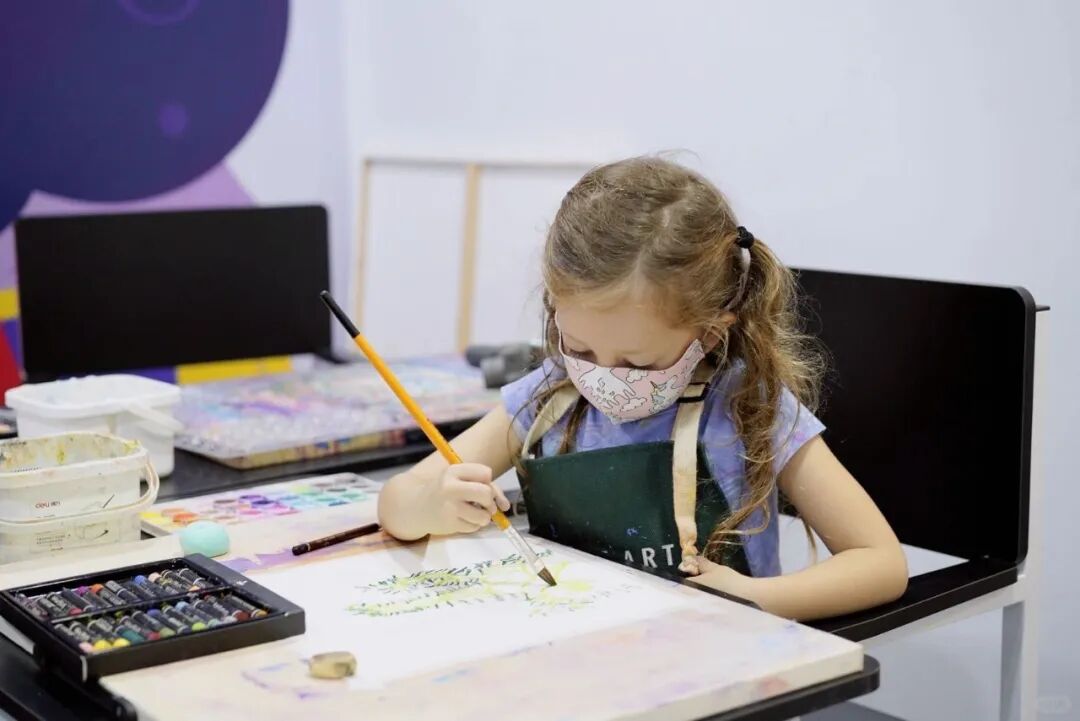
其实很多家长都走进了一个误区:总以为学画画有固定的“黄金年龄”,必须在某个节点前起步,否则就会输在起跑线。
但真相是,儿童美术根本没有“几岁必须学”的标准答案。所谓的绘画关键期,从来不是你赶不赶得上的年龄数字,而是孩子身体和大脑有没有发出“准备好”的信号。
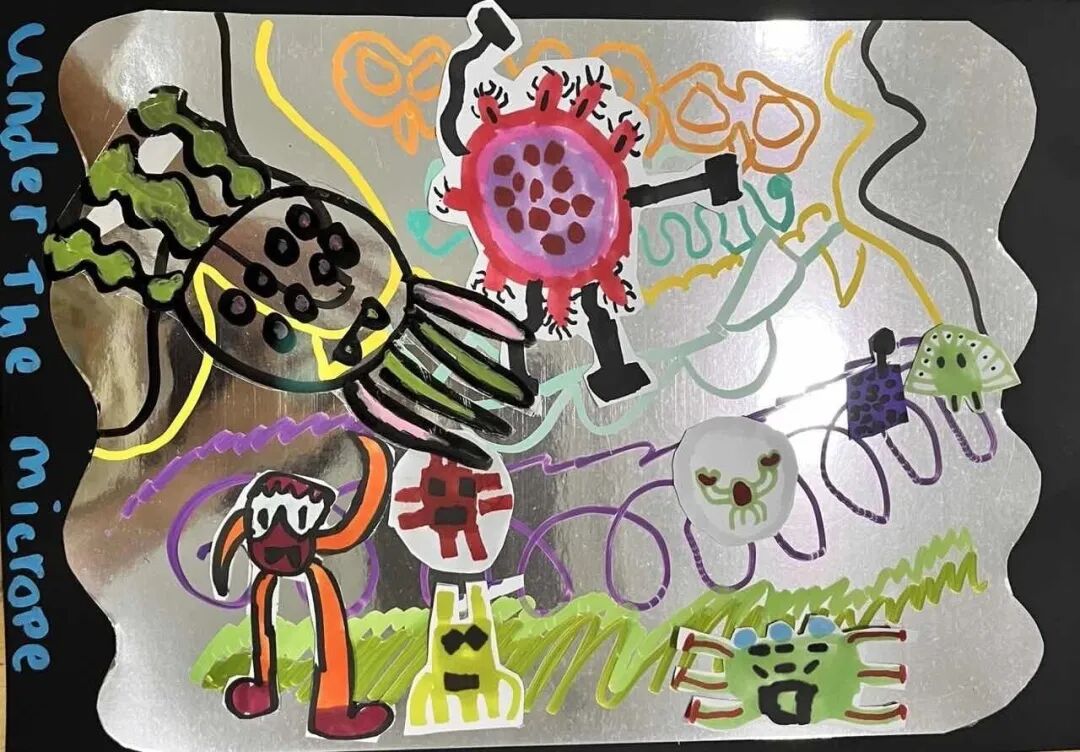
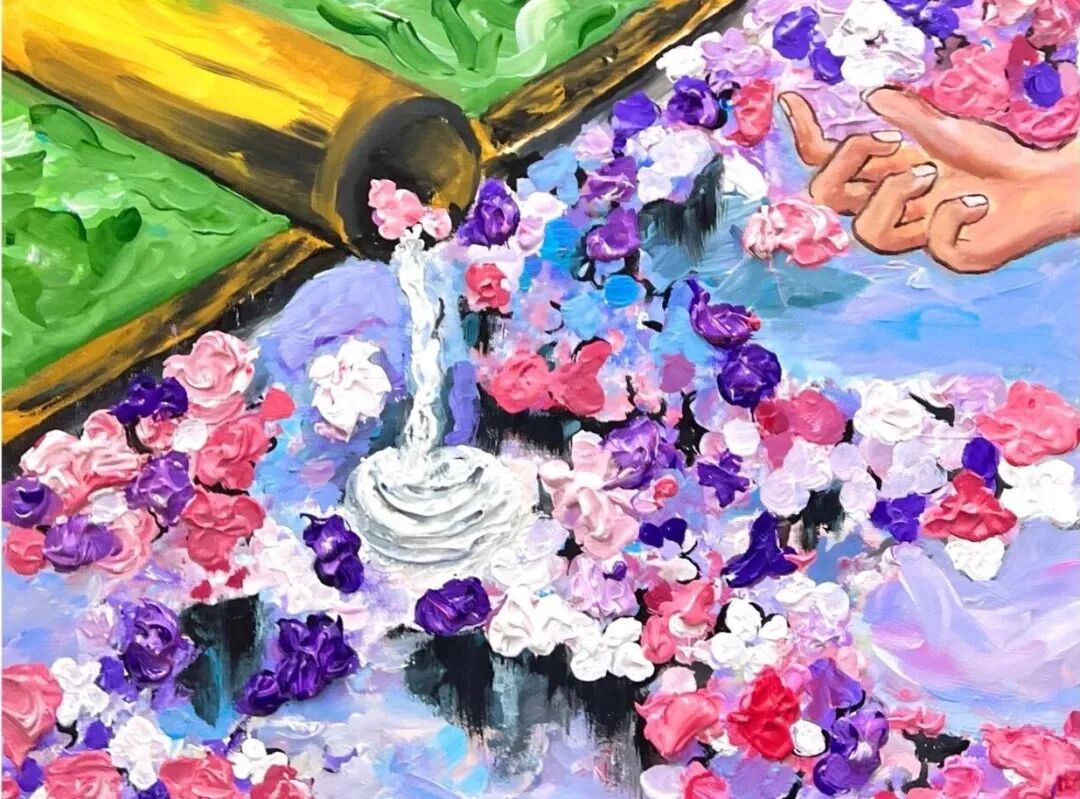
见过太多令人惋惜的例子:
有的家长急于求成,孩子3岁就被塞进美术班,每天逼着临摹模板、规范涂色,原本拿起画笔就眼里有光的孩子,慢慢变得机械、敷衍,画出来的作品千篇一律,那份与生俱来的想象力和创造力,就这样被一点点磨灭。
还有的家长忽视孩子的兴趣信号,总觉得“画画是小事,不如多刷一套题”,等到孩子上了小学,被学业压力裹挟,再也提不起对画画的兴趣,才发现自己错过了孩子最宝贵的创作敏感期。
这些孩子,不是输在了“开始得早晚”,而是输在了“没在对的时间,做对的事”。
每个孩子的节奏都不一样。与其焦虑地跟风报班,不如静下心观察孩子。当他发出这三个信号,就是最好的“黄金期”。

1.年龄节点

根据儿童发展的规律,5岁是一个很重要的分水岭,5岁前是“涂鸦期”。这个阶段的孩子,画画不是为了“画得像”,而是为了表达。那些你根本看不懂的线条、圆圈、色块,在他眼里可能是恐龙、是妈妈、是宇宙大战。
这时候最重要的是什么?是敢想。让他自由地画,尽情地画,别纠正,别指导,别问“这画的是什么”。

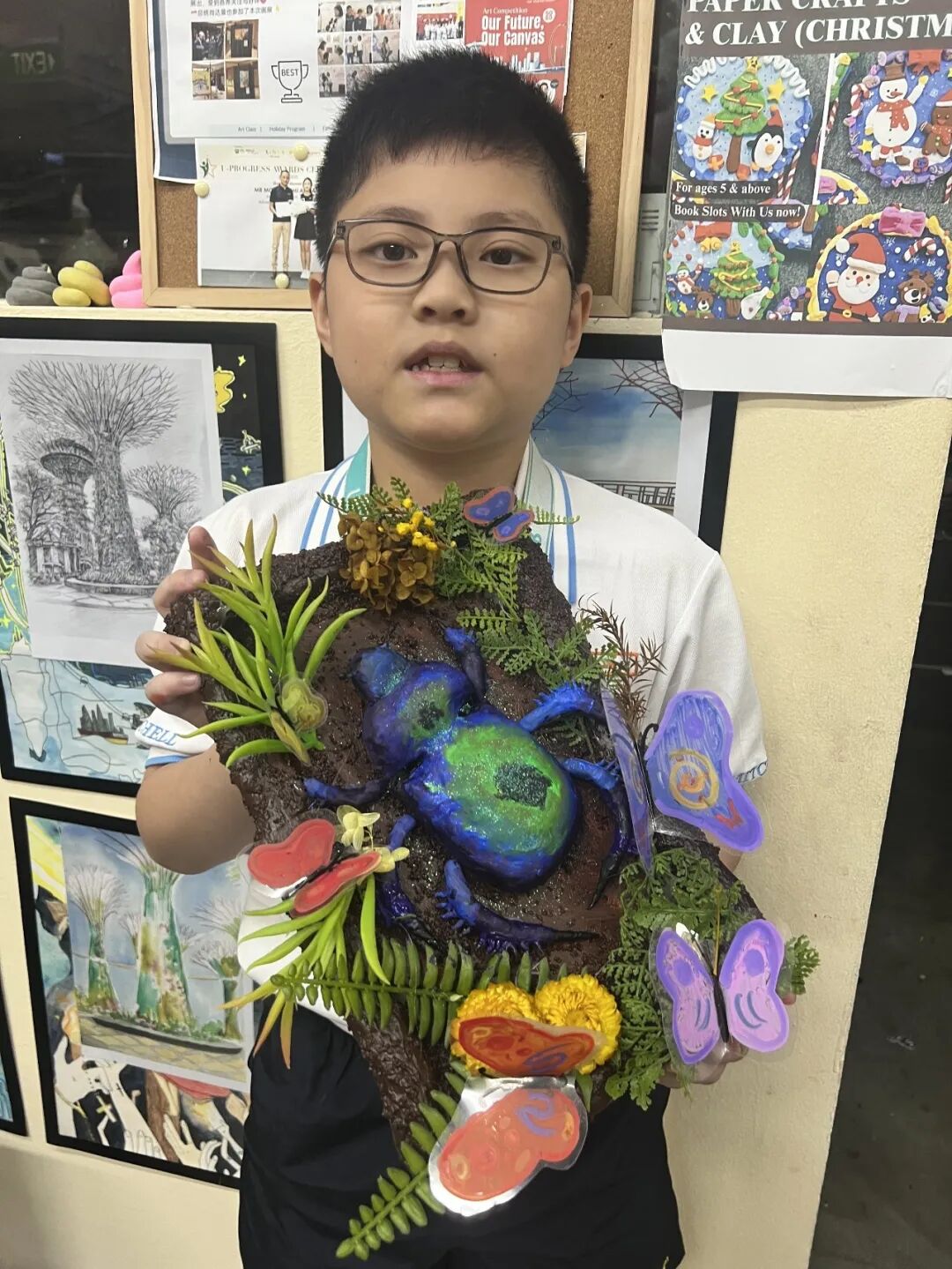
而一般5岁后,你会发现孩子的画开始变了。画里开始出现“故事”——一家人手拉手去公园,小朋友在草地上踢球,小动物们在开派对。人物有了动作,场景有了逻辑,画面有了情节。
这说明什么?说明孩子的大脑准备好了,开始有逻辑地思考这个世界了。这时候,才是系统引导的恰当时机。注意,是引导,不是束缚。
2.画面变化

孩子的绘画能力,从来都是循序渐进的,从杂乱涂鸦到有模有样,每一个变化都在传递重要信号。
如果有一天,孩子不再满足于简单的线条和色块,开始主动画蓝天、白云、小草、小动物,甚至会模仿绘本、动画里的角色,试着给画面添加细节——比如给小花涂上喜欢的颜色,给小动物画上眼睛和嘴巴,追求画面的丰富和好看,这就说明他的审美意识已经开始萌芽了。
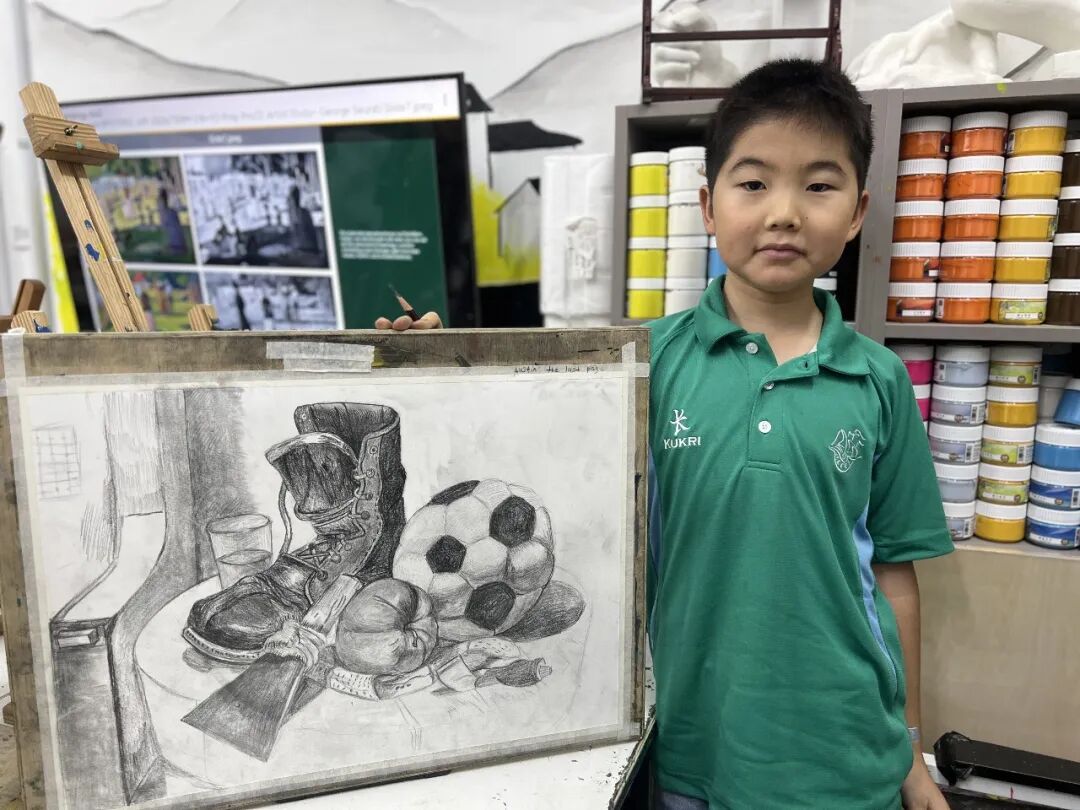
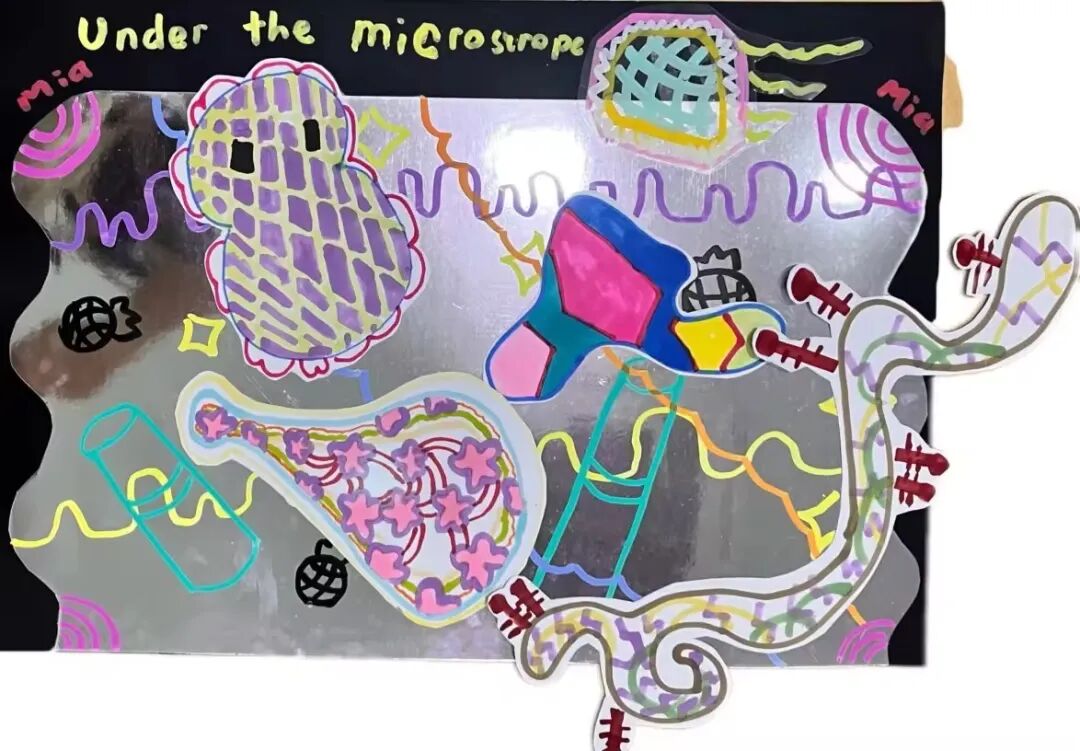
他开始在意“好看不好看”,开始追求画面的丰富和细节。这个时候,如果能有专业的老师轻轻推一把,告诉他怎么让颜色更漂亮、怎么让构图更舒服,孩子的进步会让你惊喜。
3.主动性与频率
最明显的信号是什么?是孩子自己拿起笔。
如果孩子回家第一件事就是拿笔;
如果周末他能静下心来画上一两个小时,甚至忘记吃饭;
如果他追着你,兴奋地指着自己的画,滔滔不绝地讲里面的故事……
恭喜你,孩子的“创作敏感期”来了!
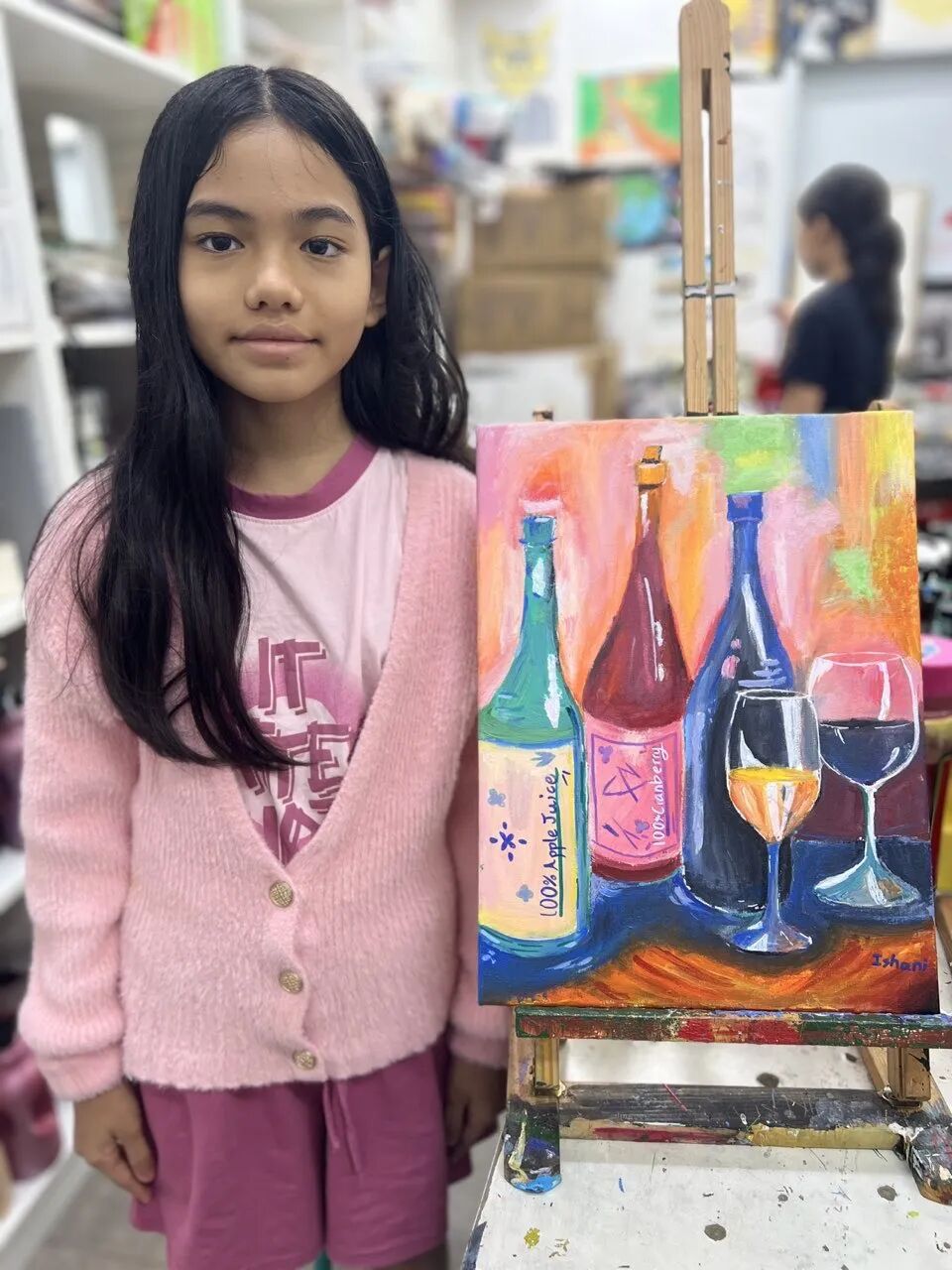
这时候,孩子身上有一股强大的内驱力。他在画画中获得的不仅是快乐,更是专注力、观察力和表达欲的释放。千万别打断他,别敷衍他,更别用“画得像不像”去评价他。
这个时期的孩子,对画画有着天然的热情和动力,学习意愿最强,吸收能力最快。这时候送他去学画画,不是“你要学”,而是“我想学”,效果天差地别。


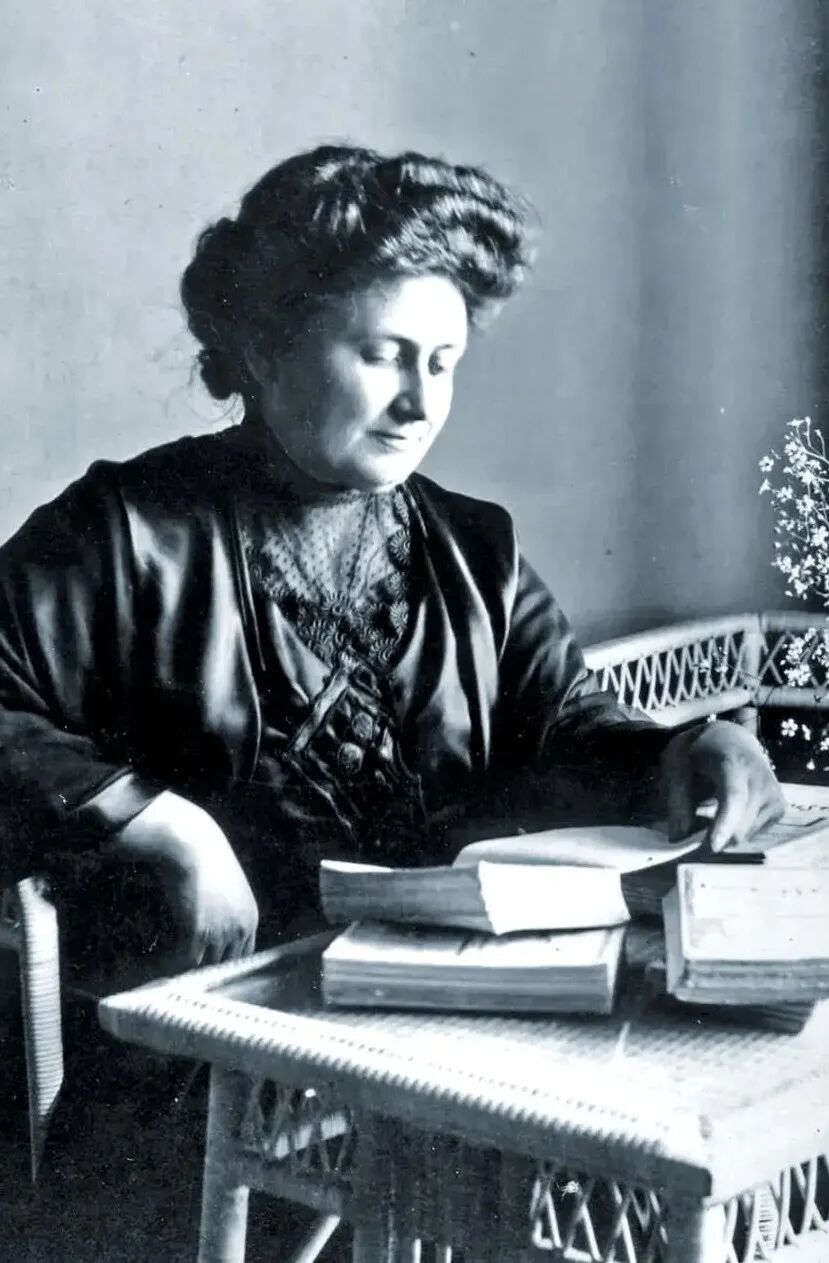
教育学家蒙台梭利说过:“我们对儿童所做的一切,都会开花结果,不仅影响他一生,也决定他一生。”

每个孩子都有自己的花期。有的孩子早慧,有的孩子大器晚成。
请放下心中的“起跑线”,蹲下来,仔细观察那个正在涂涂抹抹的小身影。不焦虑、不跟风、不硬逼。抓住他愿意画、喜欢画的瞬间,就是最好的时机。