
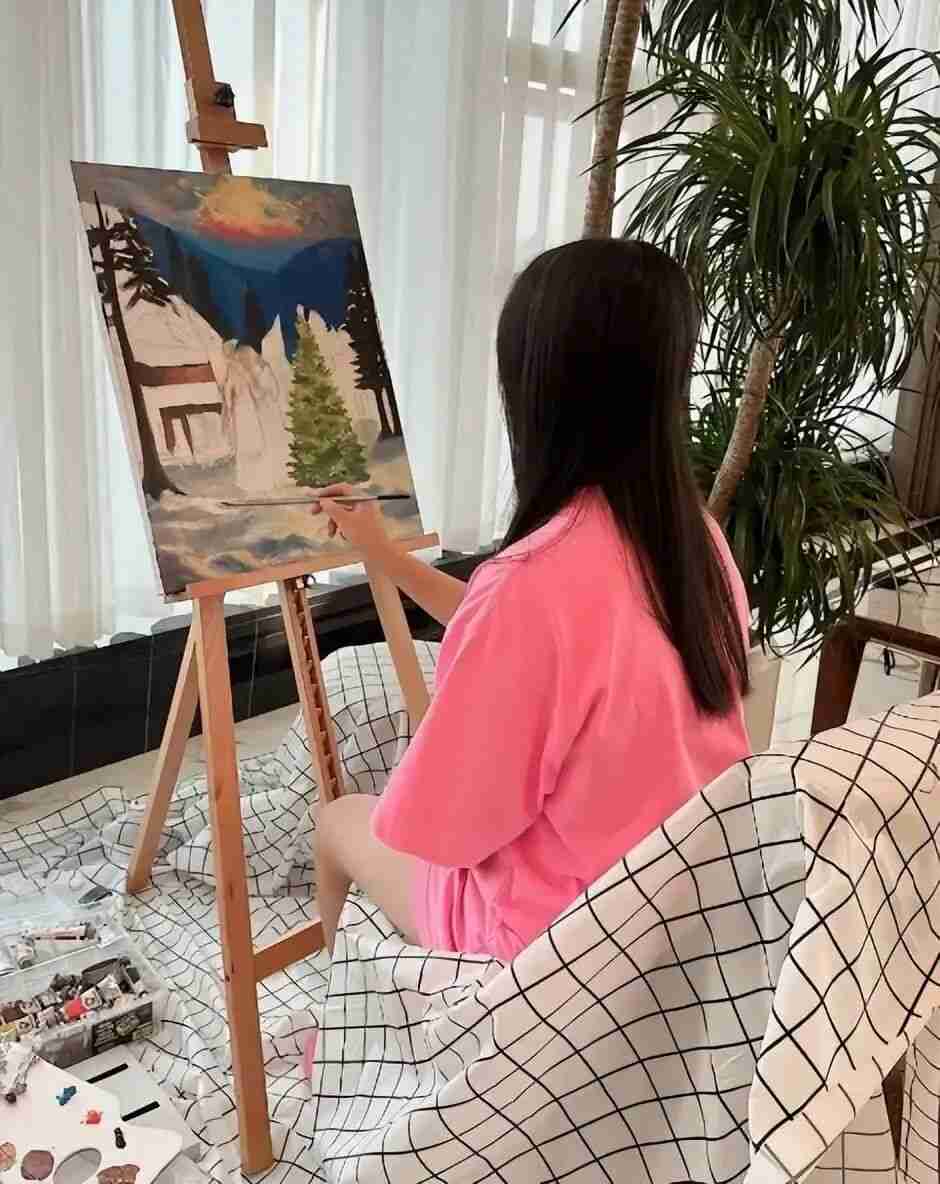
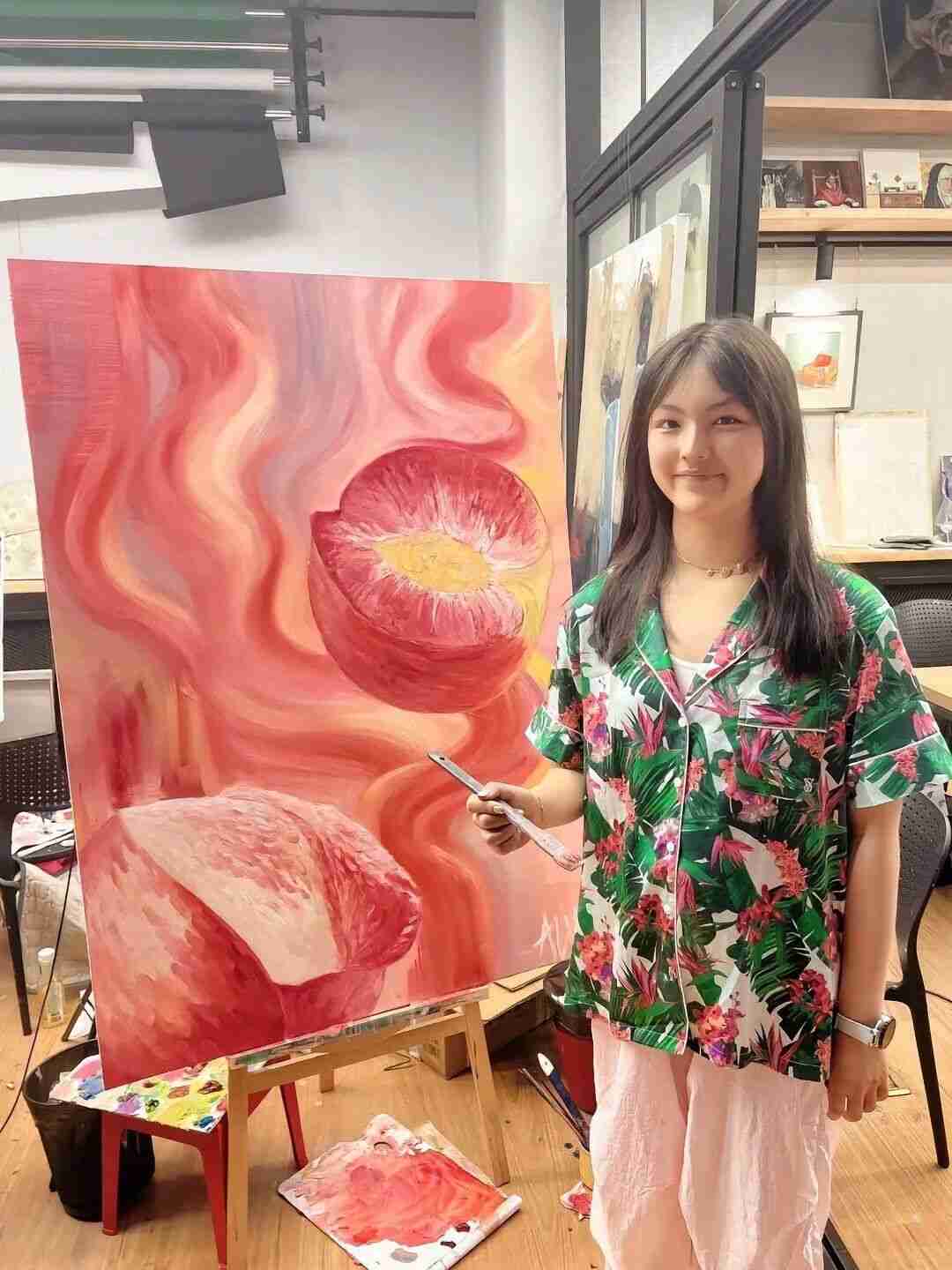

Angela Wang Shiling’s artwork has won international awards.
Jay Chou once stated frankly when talking about his children’s education:
“Children don’t have to learn music, but they must learn drawing.”
What we are seeing goes far beyond the halo of celebrity families.
It reflects an educational consensus that is spreading within high-net-worth circles.
In this era, high-net-worth families invest in art education far more than most of us can imagine.
But is the “learning art” they envision really the same as what we think it is?
王诗龄的画作斩获国际大奖
周杰伦在谈及子女教育时直言:
“孩子可以不学音乐,但必须要学画画。”
我们看到的,远不止明星家庭的光环
更折射出一种正在高净值圈层中蔓延的教育共识
在这个时代,高净值家庭对艺术教育的投入
远超我们普通人的想象
但他们眼中的“学艺术”,真的和我们以为的一样吗?
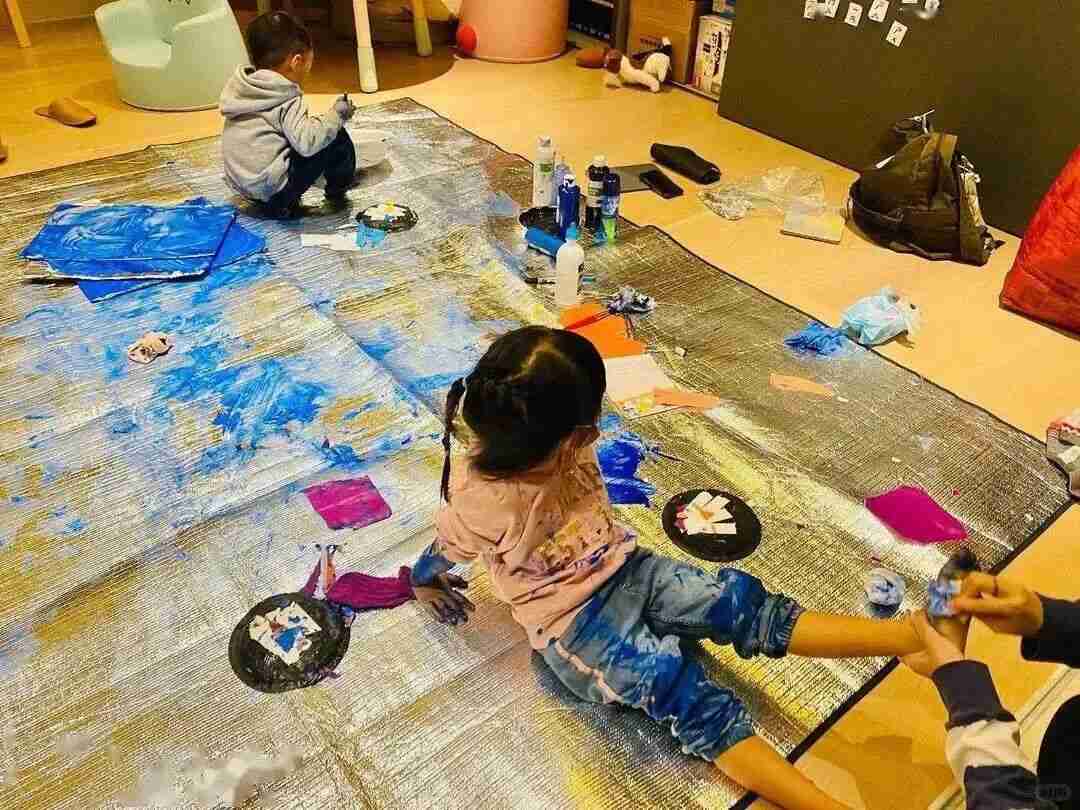
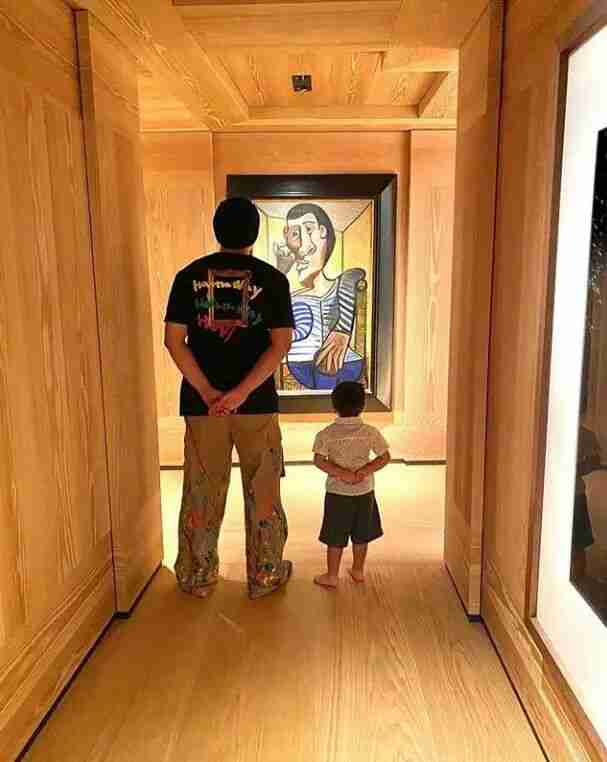

part.01
Learning art is not about gaining an extra “special skill.”
学艺术不是为了多一个“特长”

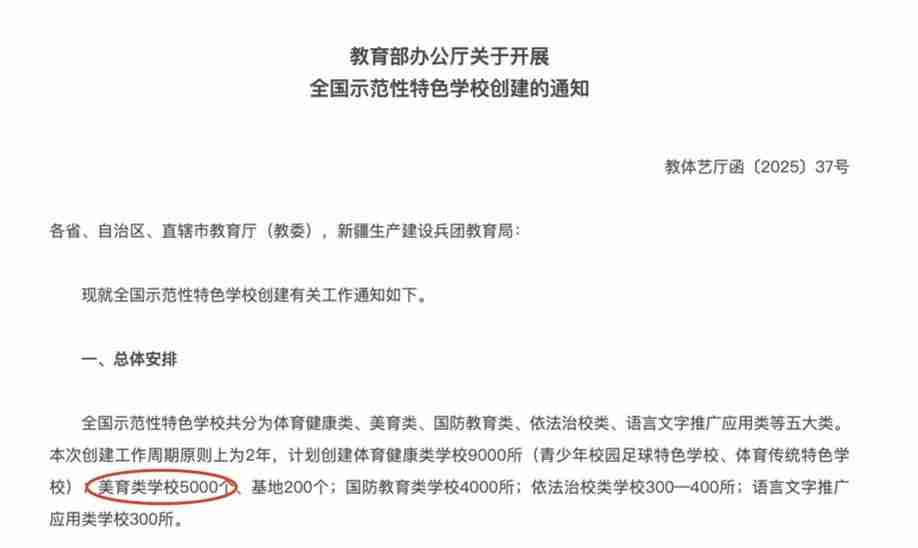
Recently, China’s Ministry of Education announced plans to establish
5,000 art education–focused schools
. This signal has already been keenly noticed by high-net-worth families. However, for them, policy trends are merely a bonus. The fundamental reason they firmly choose art education is not exam certifications or extra points in college entrance exams, but their view of art as a core pillar of
holistic education
.
近期,中国教育部发布计划,将创建美育类学校5000个。这一信号早已被敏锐的高净值家庭捕捉到。但对他们而言,政策风向只是锦上添花,他们坚定选择艺术教育的根本原因,不在于考级,也不在于高考加分,而是将艺术视为全人教育的核心。
Many people mistakenly believe that high-net-worth families have their children study art as a status symbol or a shortcut for academic advancement. In reality, the opposite is true. They have long moved beyond the superficial mindset of exams and bonus points, weaving art education into the fabric of everyday life—just as naturally and necessarily as taking children to museums or art exhibitions.
They believe that true art education activates the mind, providing essential support for creativity, imagination, and independent thinking.
很多人误以为,高净值家庭让孩子学艺术,是为了多一个炫耀的资本,或是为升学加分铺路。但事实恰恰相反,他们早已跳出“考级加分”的浅层认知,将艺术教育融入日常生活的肌理之中,就像定期带孩子去博物馆、看艺术展一样自然且必要。他们相信,真正的艺术教育能激活大脑思维,让孩子在创造力、想象力和独立思考能力上获得核心加持。

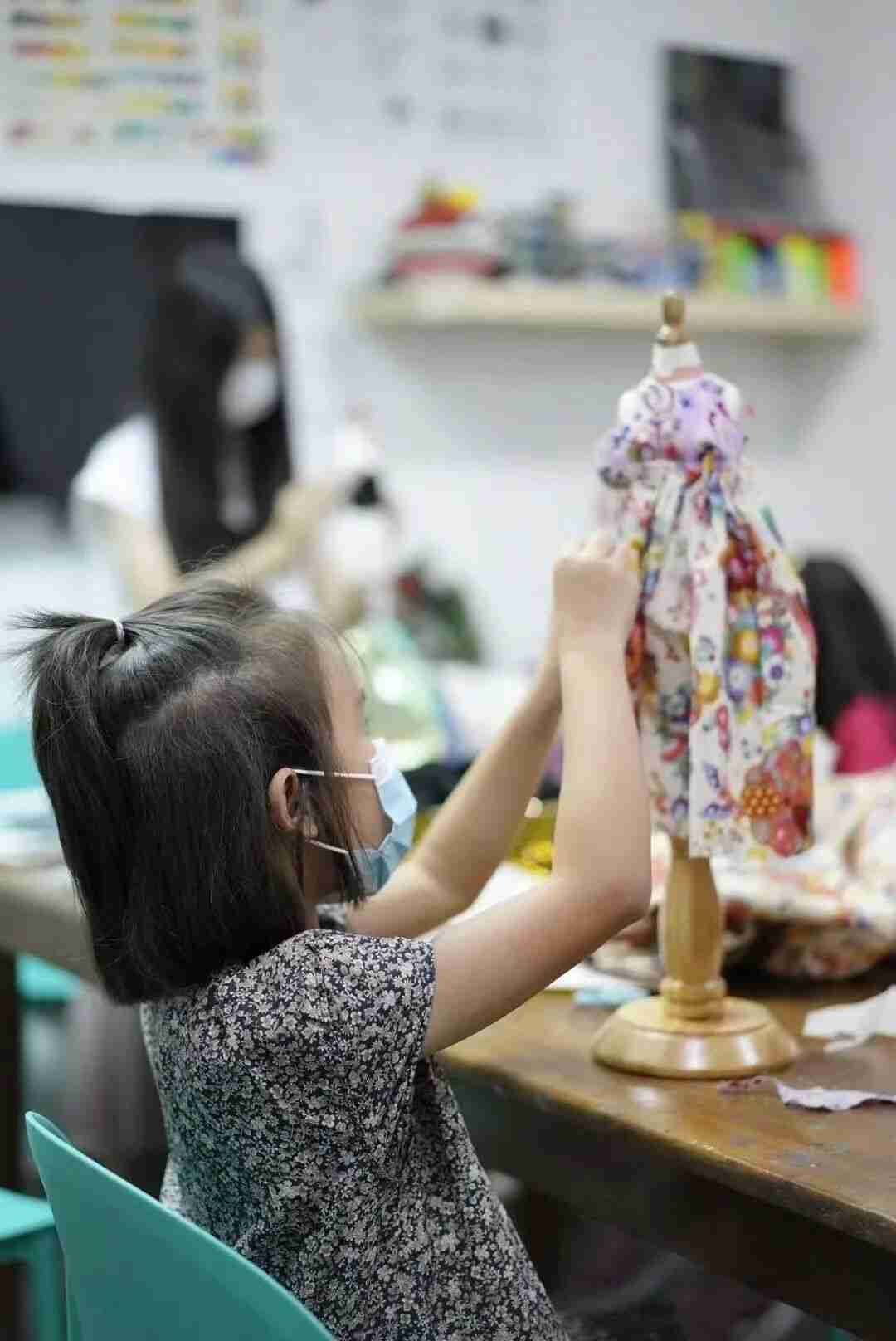
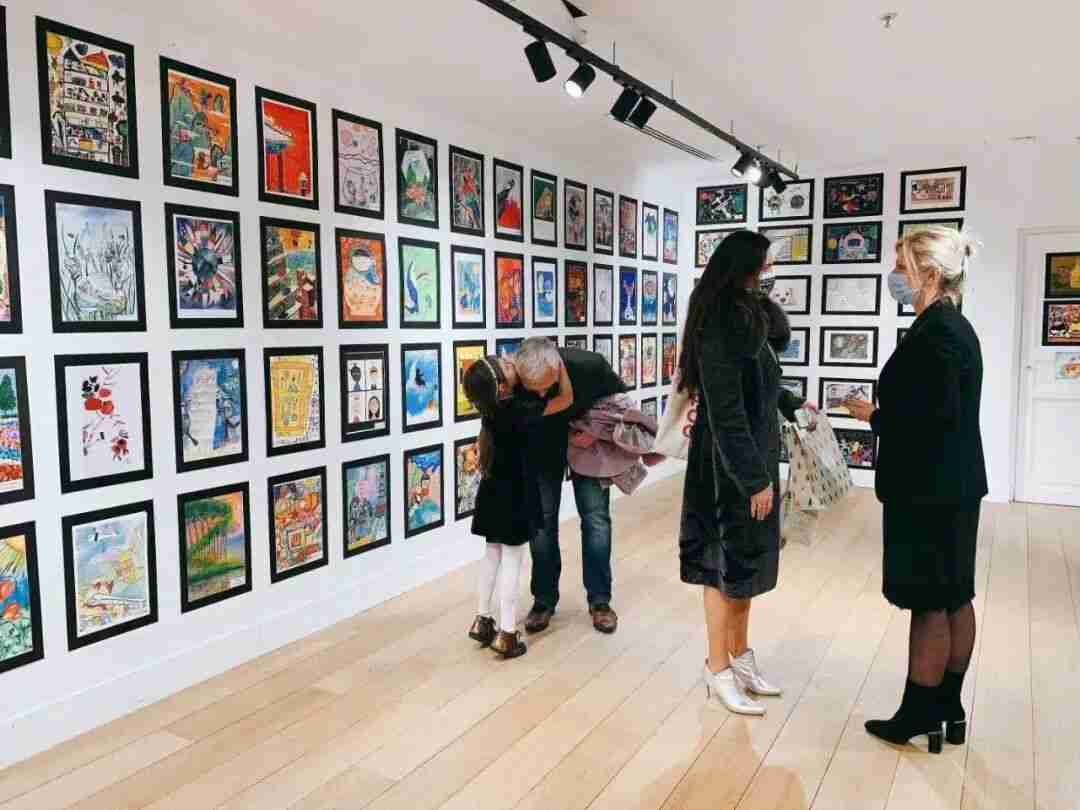
This difference in perception is precisely the core divide in educational planning between ordinary families and high-net-worth families. Many ordinary families still view art as a fallback for poor academic performance or merely a decorative line on a school application. In the logic of high-net-worth families, however, art is an essential path to shaping a well-rounded, enriched individual with deep perception and sensitivity.
这种认知差异,正是普通家庭与高净值家庭在教育布局上的核心鸿沟。许多普通家庭依然把艺术当作“文化课不好”的退路,或者是升学简历上的一行点缀。但在高净值家庭的逻辑里,艺术是塑造一个完整、丰富、有感知力的人的必经之路。
part.02
艺术是AI时代的“护城河”
Art Is the “Moat” in the AI Era
We are living in a time of explosive AI advancement. When artificial intelligence can generate an article in seconds, solve complex math problems, or even write basic code, mere “skills” and “knowledge” are no longer scarce resources.
What remains irreplaceable are uniquely human qualities—creativity, aesthetic judgment, emotional resonance, and the ability to solve complex problems. This is the underlying logic behind why top-tier families focus on art education.
因为我们正身处一个AI技术爆炸的时代。当人工智能可以几秒钟生成一篇文章、解决一道复杂的数学题、甚至编写基础代码时,单纯的“技能”和“知识”不再是稀缺资源。
人类独有的创造力、审美判断、情感共鸣与复杂问题解决能力,才是无法轻易替代的。这正是顶尖家庭聚焦艺术教育的底层逻辑。
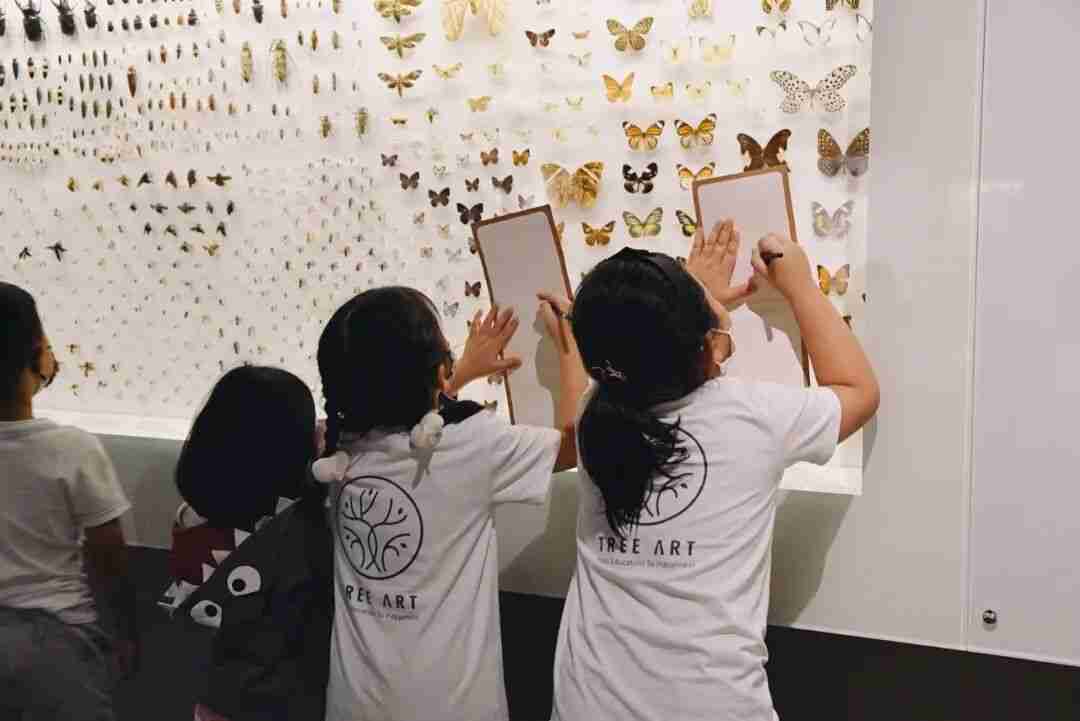
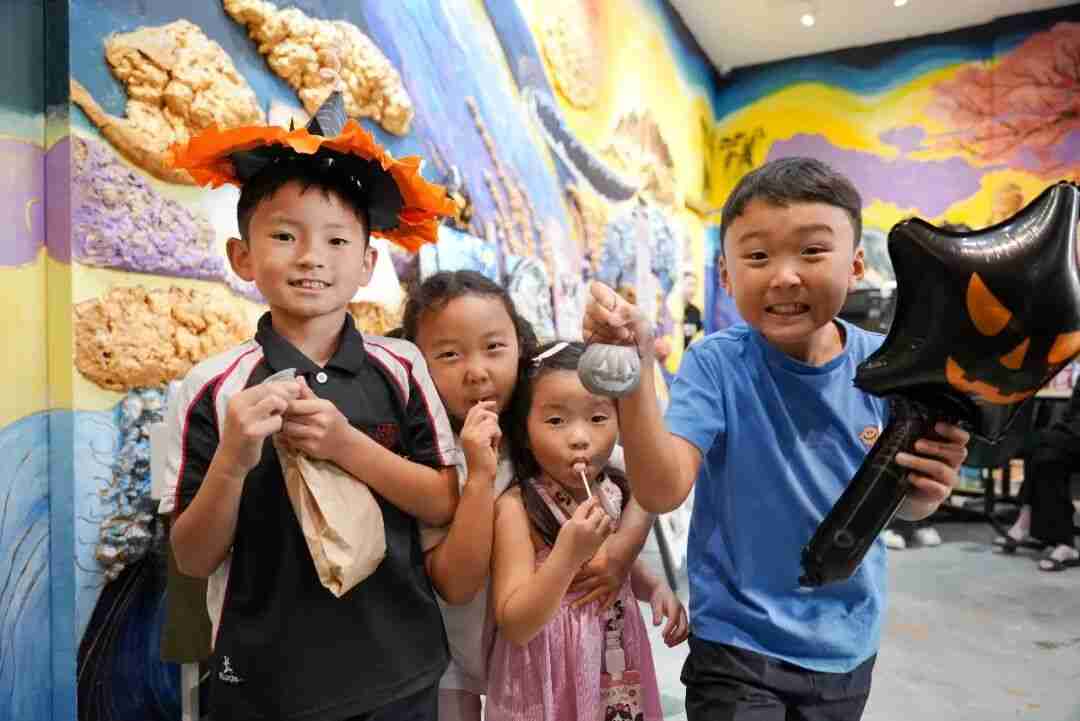
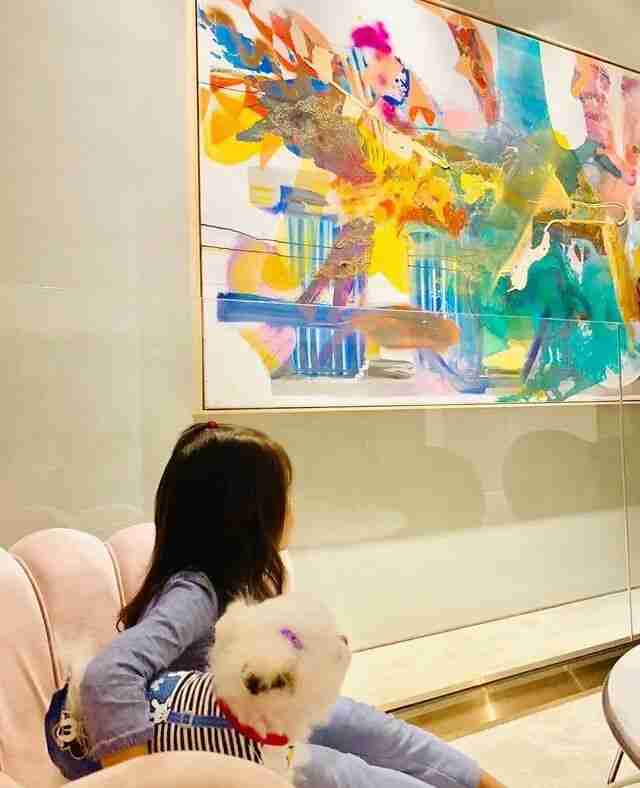
From “Skill Learning” to “Mind Forging”: True art education is far more than copying a painting or mastering a piece of music. It is an ongoing exercise for the mind. When a child plans the composition of a painting, they are learning systematic planning; when they mix colors to express emotion, they are experimenting and innovating; when they interpret works from different art movements, they are training critical thinking and empathy. These higher-order cognitive skills forged through art are the core meta-abilities needed to navigate an uncertain future.
From “Isolated Skills” to “Integrated Literacy”: At TREE ART, we firmly believe in and practice the concept of holistic education. Art does not exist in isolation; it is a natural bridge to history, culture, mathematics (such as perspective and proportion), engineering (such as structure and mechanics), and even business (such as planning and presentation). For example, a child deeply exploring a Renaissance project is simultaneously learning European history, optical principles, and humanistic philosophy. This interdisciplinary, integrated approach cultivates versatile talents capable of applying knowledge flexibly and solving complex real-world problems, rather than producing a single-skilled technician.
从“技法学习”到“思维锻造”:真正的艺术教育,绝非临摹一幅画或弹熟一首曲子。它是一场持续的“思维体操”。当孩子构思一幅画作的构图时,他在学习系统性规划;当他尝试混合颜料表达情绪时,他在进行实验与创新;当他解读不同流派的作品时,他在锻炼批判性思维与共情力。这些由艺术淬炼出的高阶思维,正是应对未来不确定性的核心“元能力”。
从“孤立的特长”到“融合的素养”:在TREE ART,我们深信并践行着“全人教育”理念。艺术绝非孤立存在,它是通往历史、文化、数学(如透视、比例)、工程(如结构、力学)乃至商业(如策划、展示)的天然桥梁。例如,一个深入研究文艺复兴项目的孩子,同时也在学习欧洲历史、光学原理和人文主义思想。这种跨学科的融合学习,塑造的是能够灵活迁移知识、解决复杂现实问题的通才,而非单一技工。
part.03
艺术是未来精英人格的“隐形课堂”
Art Is the “Invisible Classroom” for Future Elite Character
For high-net-worth families, the ultimate goal of education is to cultivate a complete individual—someone who is internally enriched, spiritually independent, and equipped with the ability to experience true happiness. In this process, art plays an irreplaceable role.
对于高净值家庭而言,教育的终极目标,是培养一个内在丰盈、精神独立、拥有幸福能力的完整的人。艺术,在这一过程中扮演着无可替代的角色。
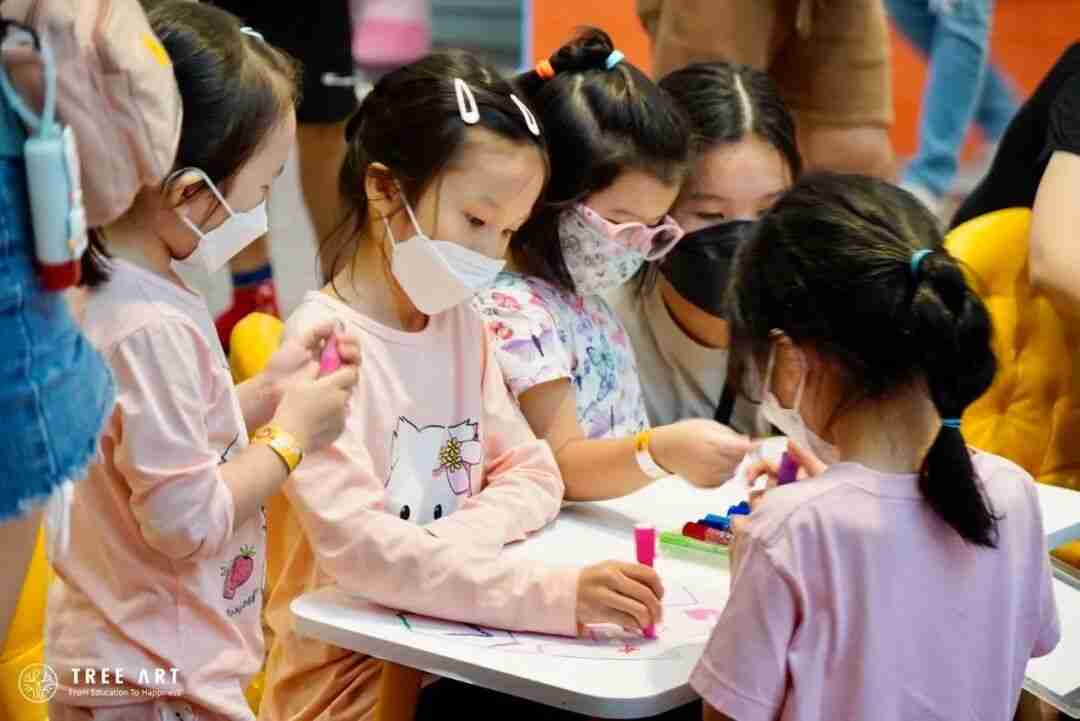
The Foundation of Confidence and Expression: Every artistic creation is a journey of self-discovery. Children learn to trust their own perceptions, courageously express unique ideas, and gain a tangible sense of accomplishment from completing their work. This inner confidence is far more enduring than any external praise.
A Training Ground for Perseverance and Precision: Completing a complex piece of art requires sustained focus, attention to detail, and the resilience to overcome challenges. This process subtly cultivates a child’s ability to engage in deep work and develops a craftsman’s spirit—qualities equally vital for academic research or future careers.
The Starting Point of Aesthetics and Life Quality: By being immersed in a high-quality artistic environment over time, children develop exceptional aesthetic taste. This appreciation goes beyond admiring masterpieces; it fosters an intrinsic pursuit of excellence in life, work standards, and interpersonal interactions, forming the foundation of their future lifestyle.
自信与表达的基石:每一次艺术创作都是一次自我发现的旅程。孩子学会信任自己的感知,勇敢表达独一无二的想法,并从作品的完成中获得扎实的成就感。这份源于内在的自信,远比任何外在褒奖都更为坚固。
毅力与精细的修炼场:完成一件复杂的艺术作品,需要持续的专注、对细节的执着以及克服困难的韧性。这个过程,在无形中培养了孩子深度工作的能力与“匠人精神”,这种品质在学术研究或未来事业中同样至关重要。
审美与生活品质的起点:通过长期浸润在优质艺术环境中,孩子将建立起卓越的审美品位。这种品位不仅关乎能欣赏名画,更意味着对生活品质、工作标准乃至人际交往有一种内在的、高标准的追求,这构成了他们未来生活方式的底色。

part.04
用全人教育,塑造未来创造者
Shaping Future Creators Through Holistic Education
TREE ART has always been committed to the philosophy of holistic education. Unlike traditional, utilitarian teaching that focuses on “painting realistically” or “painting quickly,” we understand that the essence of art education lies in nurturing the person. What we carefully create is not just a space to teach art, but a growth environment that stimulates potential and nourishes the soul.
Through personalized guidance, TREE ART encourages children to express themselves and explore the many possibilities of the world. We are not training a “technician” who can simply play an instrument or paint. We are shaping complete individuals who can create value through passion and live with clarity and confidence.
Only by seeing the true value of art education—rather than remaining trapped in the notion that “art is useless”—can we make the most visionary investment in our children.
TREE ART始终坚持践行“全人教育”理念。与传统追求“画得像”、“画得快”的功利性教学不同,我们深知,艺术教育的本质是育人。我们精心打造的不仅仅是一个教画画的空间,更是一个激发潜能、滋养心灵的成长场域。
TREE ART通过个性化的引导,鼓励孩子去表达自我,去探索世界的多种可能。我们不是培养一个会弹琴画画的“匠人”,而是塑造一个能在热爱中创造价值、活得通透有底气的“完整的人”。

看清艺术教育的真正价值
而不是停留在“艺术无用”的认知里
才能给孩子最有远见的投资



