

1.色彩:感知世界的起点
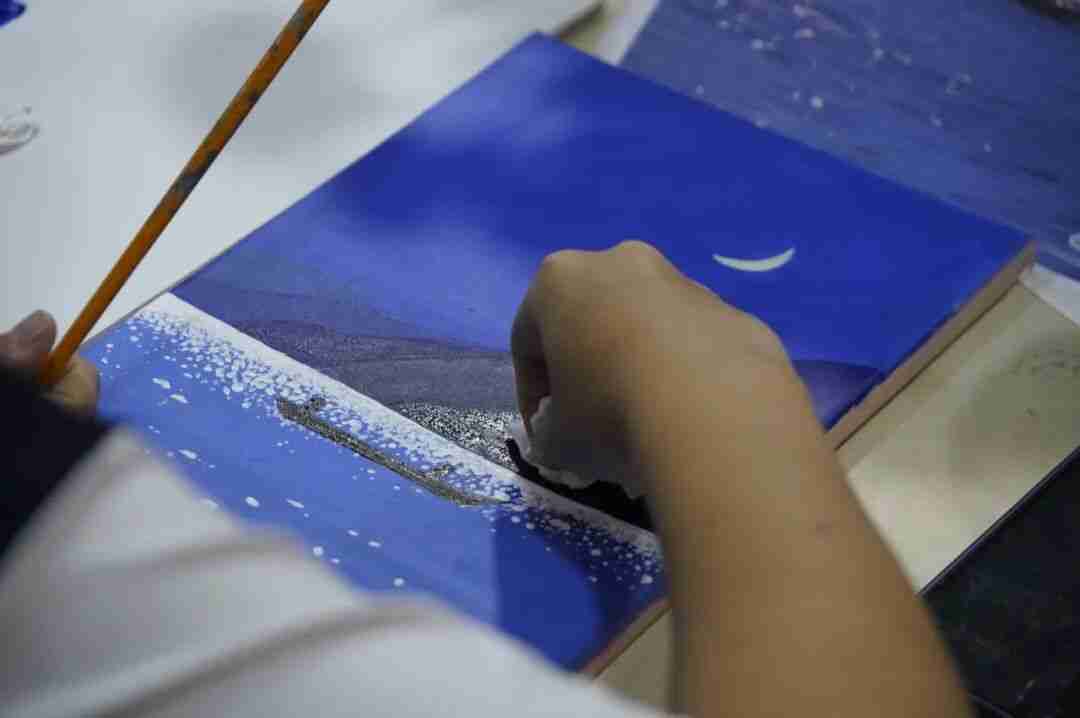

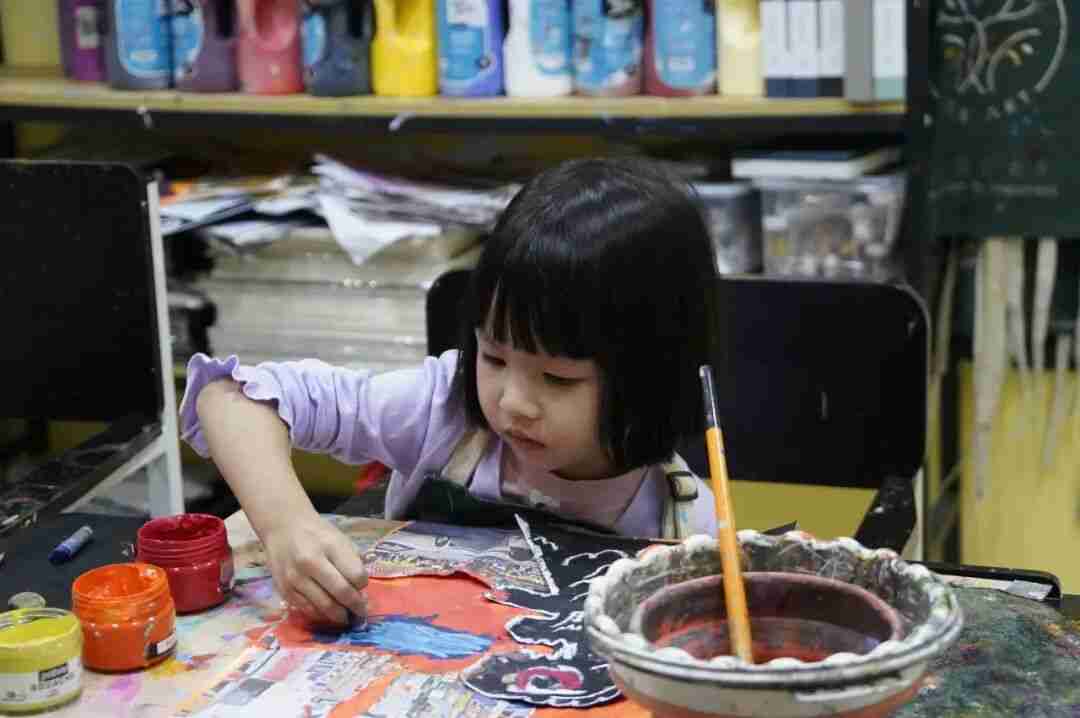


每个孩子刚来到世界之初,对世界的印象都是模糊的,是黑白的。但很快,色彩便如点点星光,照亮他们的视觉世界。红色、黄色、蓝色……这些强烈的色彩如同信号灯,吸引着他们的目光,刺激视觉神经发育。
色彩是孩子认识世界的“第一语言”。他们通过色彩来区分物体,理解形状,感知空间。红色的苹果、黄色的香蕉、绿色的草地、蓝色的天空和海洋……这些色彩标签帮助孩子建立起对现实世界的初步认知框架。
When a child first enters the world, everything appears vague — a blur of black and white. But soon, colors begin to sparkle like stars, illuminating their visual world. Red, yellow, blue… these vivid hues act like beacons, drawing their gaze and stimulating the development of their visual senses.
Color is the first language through which children understand the world. They use it to distinguish objects, comprehend shapes, and perceive space. The red apple, the yellow banana, the green grass, the blue sky and ocean — these colorful markers help children build an initial framework for recognizing and understanding the world around them.

2.色彩:情绪表达的画布
色彩与情绪之间存在着奇妙的联系,这种联系在孩子身上表现得尤为直接和强烈。孩子用鲜艳的红色涂抹满画纸,可能代表着他的兴奋、热情,甚至是一点点小小的愤怒;当他选择柔和的蓝色或绿色时,可能正沉浸在自己的平静、安宁或忧郁之中;而大面积的黑色或灰色,有时则可能暗示着困惑、不安或压抑。色彩是孩子尚未完全掌握语言时的“情绪代言人”。
There exists a fascinating connection between color and emotion — one that is especially vivid and direct in children. When a child covers a page with bright red, it may express excitement, passion, or even a hint of anger. Choosing soft blues or greens might reveal a sense of calm, peace, or quiet sadness. Broad strokes of black or gray, on the other hand, can sometimes hint at confusion, unease, or suppression.
Color serves as the spokesperson of emotions for children — a way to express feelings they may not yet have the words to describe.
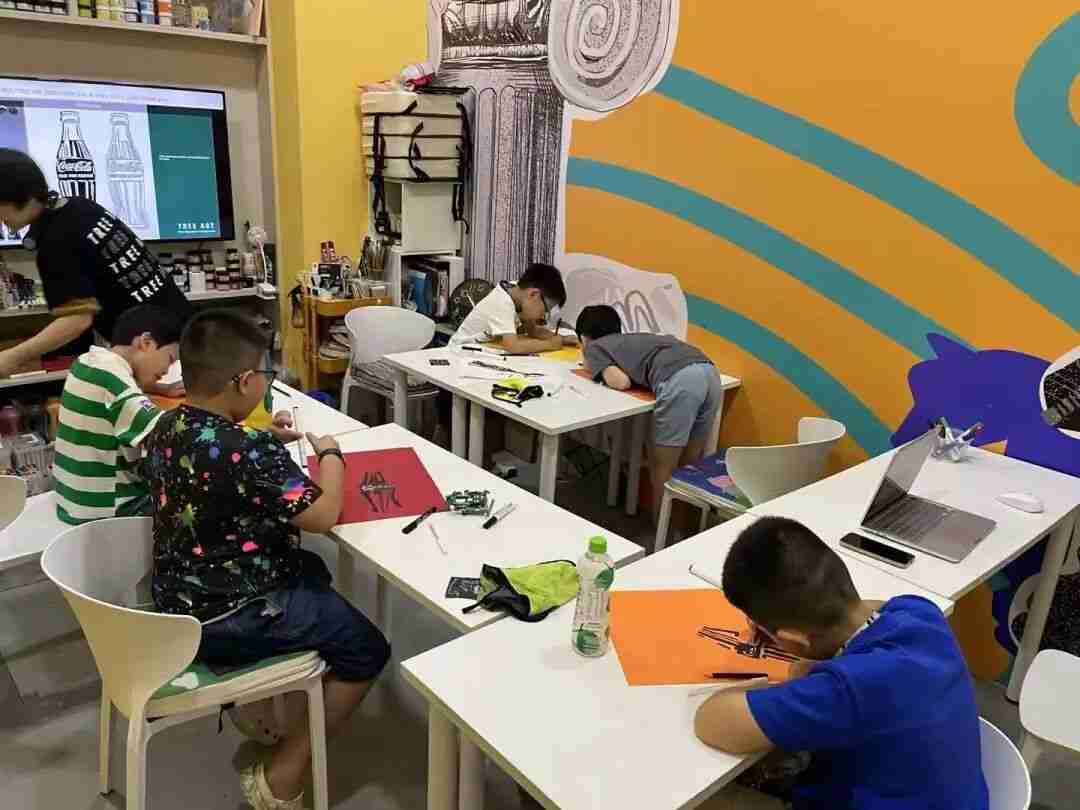

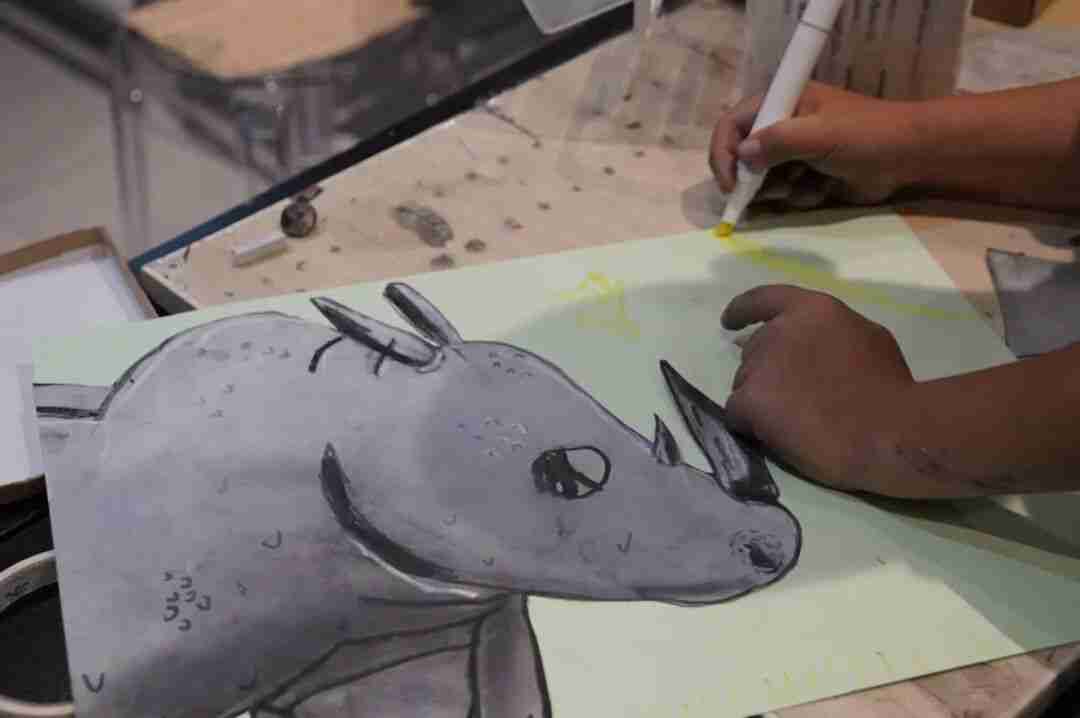
色彩的奇妙远不止于表达,它还像是拥有魔法的精灵,能够反向作用于孩子的情绪。明亮、温暖的色彩,如黄色、橙色,往往能带来愉悦、积极、充满活力的感觉,有助于提升孩子的情绪,激发他们的探索欲。而冷色调,如蓝色、紫色,则可能带来平静、专注。
家长若懂得运用色彩语言,便能更好地理解孩子内心,营造积极情绪氛围。比如用蓝色墙纸打造安心的睡眠环境。在孩子放松玩耍的角落,则可以加入更多暖色调。
The magic of color goes far beyond expression — it is like an enchanting spirit that can, in turn, influence a child’s emotions. Bright, warm colors such as yellow and orange often bring joy, positivity, and energy, helping to lift a child’s mood and spark curiosity. Cooler tones like blue and purple, on the other hand, tend to create a sense of calm and focus.
Parents who understand the language of color can better connect with their child’s inner world and shape a nurturing emotional environment. For instance, using blue wallpaper can create a peaceful space for sleep, while adding warm tones in play areas can encourage relaxation and joyful exploration.
3.色彩:创造想象的翅膀

在孩子的艺术世界里,色彩没有绝对的“对”与“错”。他们可以毫无顾忌地听从内心挥洒色彩,将粉色赋予森林,把银色赠予花朵。这种看似“离经叛道”的行为,恰恰是他们创造力与想象力最原始、最宝贵的体现。
In a child’s artistic world, there is no absolute “right” or “wrong” when it comes to color. They follow their hearts freely — painting forests in pink or giving flowers a touch of silver. What may seem “unconventional” to adults is, in fact, the purest and most precious expression of their creativity and imagination.

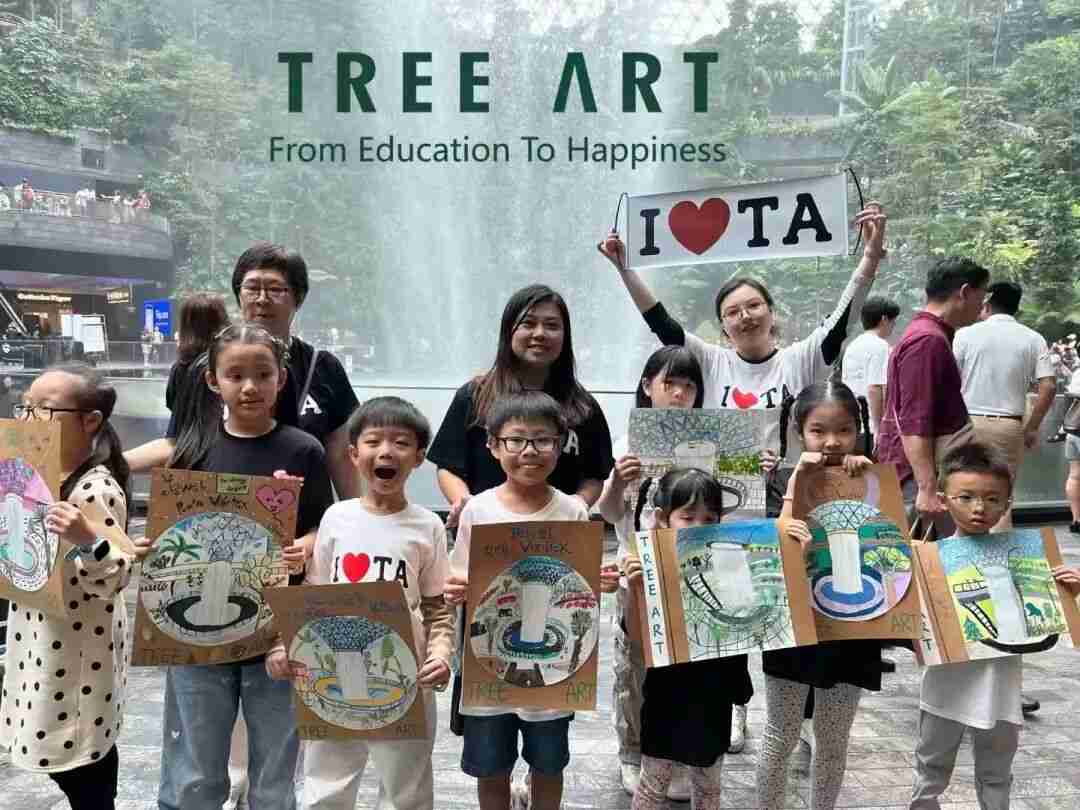
在孩子们天马行空的艺术宇宙里,色彩绝非是束缚创作的“教条”,而是助力想象腾飞的神奇羽翼。他们通过色彩的组合、搭配,构建出只属于他们自己的独特世界。色彩组合的每一次大胆突破,都是想象力与创新思维的激情迸发。这样突破常规的勇气,这正是未来创新人才所必需的“超能力”。
In the boundless artistic universe of children, color is never a “rule” that restricts creativity — it is the magical wing that lifts imagination to new heights. Through bold combinations and playful contrasts, children build worlds that are uniquely their own. Every daring experiment in color is a spark of imagination and innovative thinking. This courage to break conventions is precisely the “superpower” that future innovators will need.
4.色彩:社交认知的桥梁

色彩是孩子之间交流的通用“语言”。他们会因为都喜欢粉色玩偶而成为玩伴,通过讨论画作色彩打开话题。共同的色彩偏好,如同磁铁般吸引着孩子们相互靠近,对色彩的共同认知也促进了他们之间的沟通与理解。
Color: A Bridge for Social Connection
Color serves as a universal “language” among children. They may become playmates simply because they both love a pink toy, or start conversations by discussing the colors in their drawings. Shared color preferences act like magnets, drawing children closer together. This shared understanding of color fosters communication, empathy, and deeper social bonds between them.
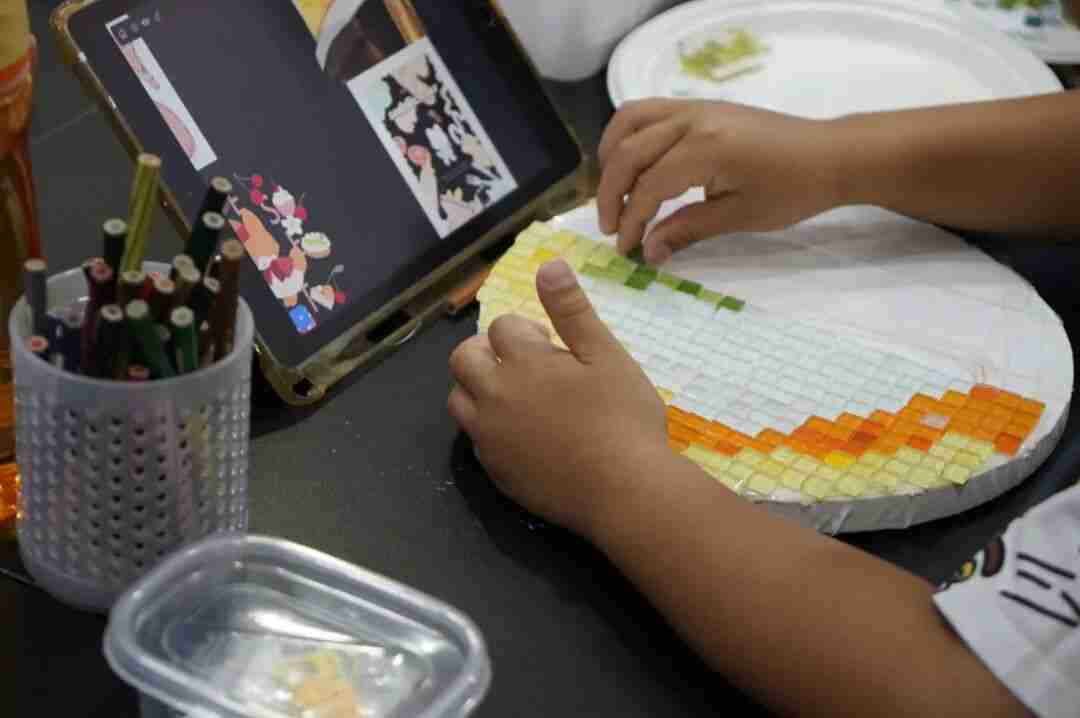
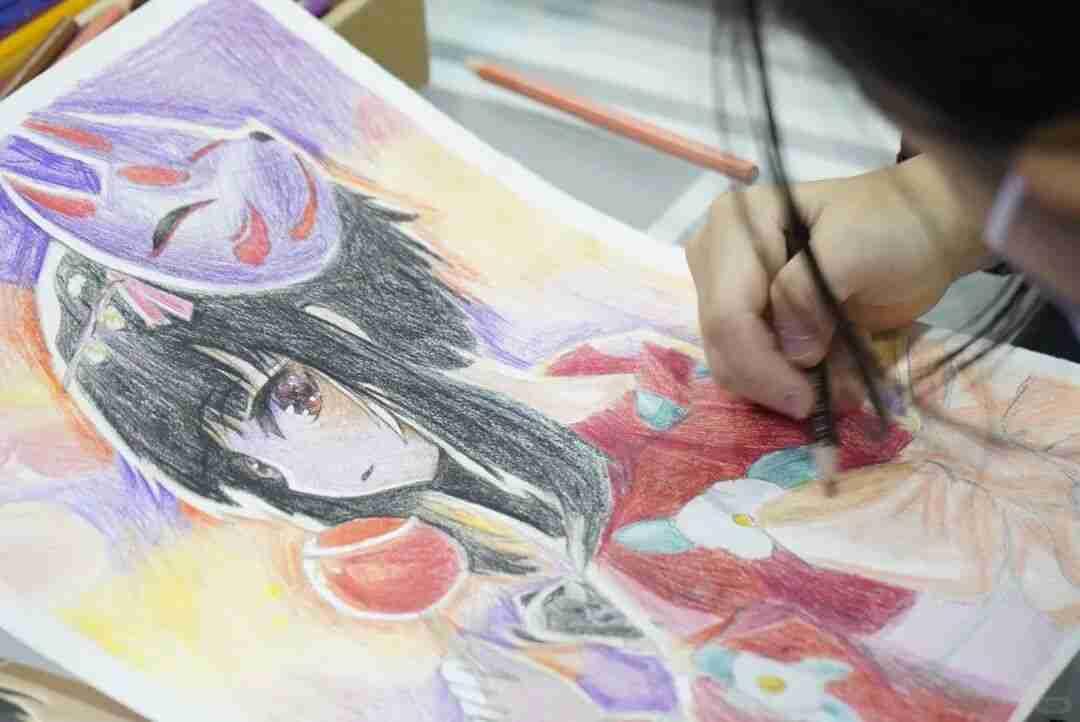
色彩的魔力还延伸至认知发展领域。当我们告诉孩子,这是红色的消防车、蓝色的天空、黄色的柠檬。孩子不仅在学习颜色词汇,也在学习如何更精准地描述这个世界,如何将语言与具体事物联系起来。这种认知能力的提升,会进一步促进他们在其他学科,如数学(区分形状、模式)、科学(观察自然现象的颜色变化)等方面的学习。
The magic of color also extends to cognitive development. When we tell children, “This is a red fire truck, a blue sky, a yellow lemon,” they are not only learning color vocabulary but also how to describe the world more precisely and link language to concrete objects. This enhancement in cognitive ability further supports learning in other subjects, such as mathematics (distinguishing shapes and patterns) and science (observing color changes in natural phenomena).
5.色彩:审美启蒙的灯塔
孩子成长环境中的色彩,如同一本无字的美学教材。和谐的家居色彩搭配,能培养孩子对平衡、协调的感知。艺术作品中的大胆色彩创想,启迪他们对美的独特见解。这般潜移默化的审美启蒙,恰似春雨润苗,悄然塑造着他们的审美认知。
色彩赋予孩子的,不仅是眼前的视觉愉悦,更是贯穿一生的审美底色。他们日后挑选衣物时,懂得黑白配的经典永不过时;布置房间时,知晓冷暖色调搭配带来的视觉舒适;漫步街头,能欣赏建筑色彩与自然景观的融合之美。
The colors in a child’s environment act like a wordless textbook of aesthetics. Harmonious home color schemes cultivate their sense of balance and coordination, while bold artistic color creations inspire unique perspectives on beauty. This subtle, immersive aesthetic education—like gentle spring rain nourishing seedlings—quietly shapes their visual and artistic sensibilities.
Color gives children not only immediate visual pleasure but also a lifelong foundation in aesthetics. Later in life, when choosing clothes, they understand that the classic black-and-white combination never goes out of style; when decorating a room, they appreciate the visual comfort of warm and cool color contrasts; and while strolling through the city, they can admire the harmony between architectural colors and natural landscapes.
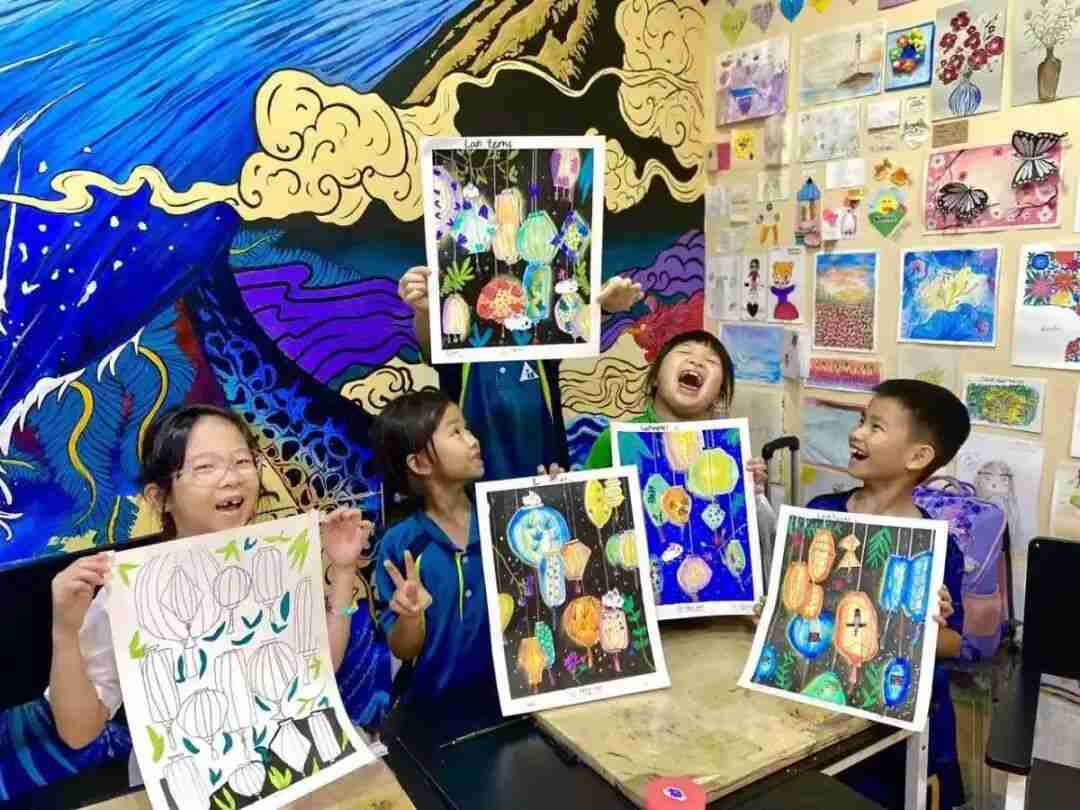

色彩,远不止是视觉上的点缀。鼓励孩子自由地探索和表达色彩,欣赏他们眼中独一无二的斑斓世界,哪怕那世界充满了“错误的”颜色。让我们用心守护这份来自色彩的力量,陪伴孩子,共同成长。
Color is far more than just a visual ornament. Encourage children to freely explore and express colors, and appreciate the unique, vibrant worlds they see—even if those worlds are filled with “wrong” colors. Let us cherish and protect this power of color, walking alongside our children as we grow together.


