Unlocking the Door to Creativity: An Essential Guide for Parents to Nurture Artistic Creation
开启创意之门:家长必读的艺术创造力培养指南
Children are born artists. During the early childhood and childhood stages of childhood, creativity is extremely active and fully developed in humans. A child’s imagination and creativity are limitless, and it all depends on how parents and teachers view and guide them.
孩子是天生的艺术家。儿童时代中的幼儿期和少儿期,是人的一生中创造力异常活跃并充分发展的时期。孩子的想象力和创造力是没有限制的,关键在于家长和老师如何看待和引导。
In most people’s concepts, a painting is considered good-looking only if the shape is accurate and clean. But in fact, these rigid rules do not belong to the category of universal laws of art, and severely restrict children’s creativity.
在大部分人的思维观念里,画的造型准确,干净整洁才叫画得好看。但其实这些条条框框,根本不属于美术普遍性规律的范畴,严重的束缚了孩子的创造力。
True creativity is to allow children to express themselves freely, and parents and teachers need to guide and help children to diverge their thoughts and break through these restrictive rules.
真正的创造力是交给孩子们自由发挥,家长和老师需要做的是去引导,帮助孩子们去发散思维,突破这些禁锢的条条框框。
As the Japanese educator Fumio Kimura said, “If children’s interests and enthusiasm can be smoothly developed, they will become geniuses.”
正如日本教育家木村文一所说:“如果孩子的兴趣和热情得以顺利发展,就会成为天才”。
Cultivating children’s artistic creativity is a comprehensive process that requires the joint efforts of parents and educators. To cultivate children’s artistic creativity, the following methods can be adopted:
培养孩子的艺术创造力是一个综合性的过程,需要家长和教育者的共同努力。要培养孩子的艺术创造力,可以采取以下几种方法:
Provide rich artistic experience
一、提供丰富的艺术体验
Take children to visit museums, galleries, and art exhibitions to expose them to different forms of art. For example, when visiting a modern art museum, let children freely appreciate and think to stimulate their curiosity and imagination.
带孩子参观博物馆、画廊和艺术展览,让他们接触不同的艺术形式。例如,参观现代艺术博物馆时,可以让孩子自由地欣赏和思考,激发他们的好奇心和想象力。
Studies have shown that artistic activities can not only cultivate children’s aesthetic ability but also promote the comprehensive development of the brain. For example, a study in Frontiers in Psychology found that children who participate in artistic activities perform better in creative thinking and problem-solving abilities.
研究表明,艺术活动不仅能够培养孩子的审美能力,还能促进大脑的全面发展。例如,《心理学前沿》(Frontiers in Psychology) 的一项研究发现,参与艺术活动的孩子在创造性思维和问题解决能力方面表现更为突出。
Appreciate artworks with children, discuss the colors, composition, emotional expression, and other aspects of the works, and encourage children to express their views and feelings about the artworks.
与孩子一起欣赏艺术作品,讨论作品的色彩、构图、情感表达等,鼓励孩子表达对艺术作品的看法和感受。
Encourage creative expression
二、鼓励创造性表达
Set up an art corner at home and provide various painting materials (such as watercolors, crayons, markers), paper, clay, scissors, glue, etc. Encourage children to express their inner thoughts and emotions in their own way. For example, you can hold regular family painting competitions to allow children to use their creativity in a relaxed atmosphere.
在家中设置一个艺术角,准备各种绘画材料(如水彩、蜡笔、马克笔)、画纸、黏土、剪刀、胶水等,鼓励孩子用自己的方式表达内心的想法和情感。例如,可以定期举办家庭绘画比赛,让孩子在轻松的氛围中发挥创造力。
It is important not to restrict children’s creations, but to let them express themselves freely and paint the world in their hearts. When children show their artworks, avoid negative evaluations, and appreciate and encourage their works with a positive attitude.
要注意的是,不要对孩子的创作设限,让他们自由发挥,画出心中的世界。当孩子展示自己的艺术作品时,避免对孩子的作品进行负面评价,要以欣赏和鼓励的态度看待孩子的作品。
Try to use questioning methods to guide children to introduce their works, such as “What did you draw?” “Why did you choose this color?” etc., to give children the opportunity to express their thoughts and feelings.
可以尝试用提问的方式引导孩子介绍自己的作品,比如 “你画的是什么呀?”“你为什么选择这个颜色呢?” 等,让孩子有机会表达自己的想法和感受。
Give children positive feedback, such as “Your painting is very creative!” “Your color matching is beautiful!” etc., to let them know that their efforts and creativity have been recognized. Provide appropriate rewards to encourage children’s artistic creation.
给予孩子积极的反馈,如 “你的画很有创意!”“你的颜色搭配得很漂亮!” 等,让他知道自己的努力和创意得到了认可。适当地设立一些奖励,以激励孩子的艺术创作。
Develop aesthetic abilities
培养审美能力
All artistic experiences are perceived through our senses, so developing children’s sensitivity in seeing, hearing, touching, and feeling from early childhood is essential. Encouraging children to actively use their eyes, ears, fingers, and whole body to experience the world will enrich their experiences and benefit their artistic creation.
所有的艺术体验都是通过我们的感官感知到的,因此自幼儿时期开始培养孩子在视,听,触,感等方面的敏感度是至关重要的。鼓励孩子积极的运用他的眼睛,耳朵,手指和整个身体去感受这个世界,都会丰富他的体验,并有益于他的艺术创作。
Guide children to pay attention to artistic elements such as details, shapes, colors, proportions, etc., to help them discover the essence and laws of beauty. For example, by observing things in nature and life, children’s observation and imagination abilities can be cultivated.
引导孩子关注细节、形状、颜色、比例等艺术元素,帮助他们发现美的本质和规律。例如,可以通过观察自然和生活中的事物,培养孩子的观察力和想象力。
Provide opportunities to showcase artworks
四、提供展示作品的机会
Record children’s artistic growth process and take photos or preserve their artworks. Provide children with opportunities and platforms to display their creations in their families, schools, or communities. You can display children’s works in a prominent location in the home, so they feel their artworks are appreciated.
记录孩子的艺术成长过程,将作品拍照或保存。为孩子提供展示作品的机会和平台,让他们在家庭、学校或社区中展示自己的创作,可以将孩子的作品展示在家庭显眼位置,让他感受到自己的作品被重视和欣赏。
For example, you can set up an art wall at home where children can freely paint, draw, or display their artworks.
例如,可以在家中设置一面艺术墙,让孩子自由地在上面画画、涂鸦,或者展示他们的作品。
Choose a reputable art training institution
五、选择靠谱的艺术培训机构
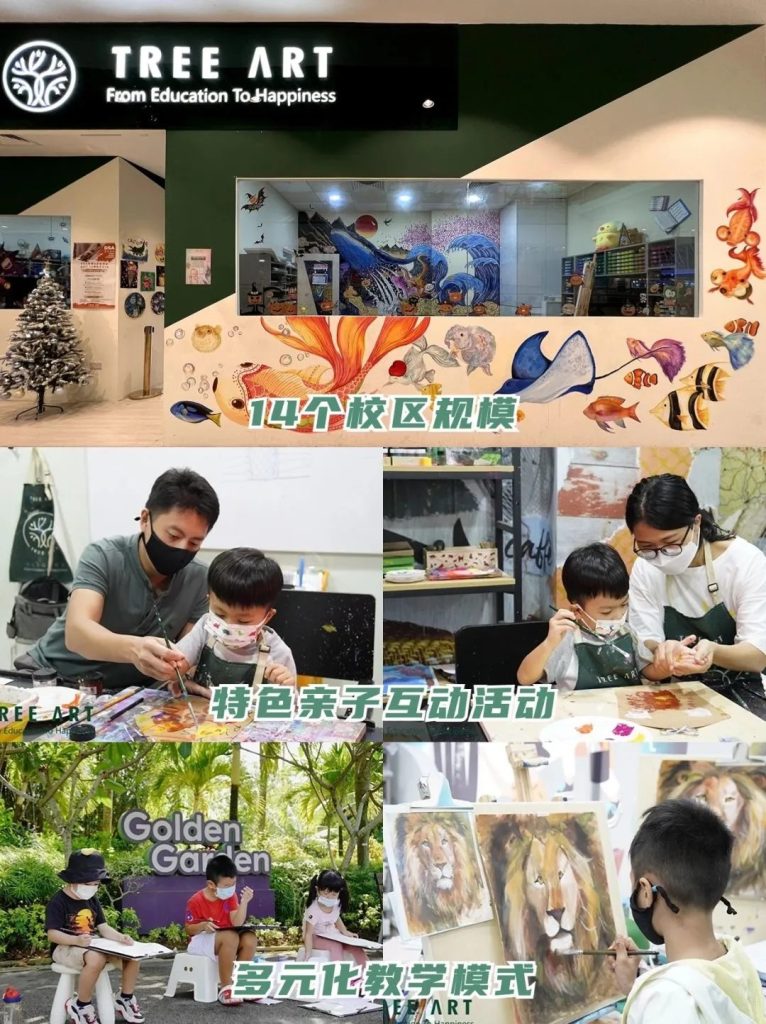
Participate in art courses such as painting, sculpture, music, and dance. Choose a reputable art training institution to significantly enhance children’s artistic skills like painting, sculpting, and music through professional guidance and practice.
参加艺术课程,如绘画、雕塑、音乐、舞蹈等。选择靠谱的艺术培训机构,通过专业的指导和练习,让孩子的绘画、雕塑、音乐等艺术技能得到显著提升。
Art training not only improves artistic skills but also promotes children’s overall growth and development. Rather than forcing children to follow a rigid curriculum, art training aims to broaden their artistic horizons and express their creativity better under the guidance of professionals.
艺术培训不仅有助于艺术技能的提升,还能在多个层面上促进孩子的成长和发展。艺术培训不是让照本宣科,而是因材施教地让孩子们拓宽自己的艺术边界,让他们天马行空的艺术创造力,通过专业老师的引导更好地表达出来。
By using these effective methods, children’s artistic creativity can be nurtured and improved. Developing artistic creativity requires time and patience as each child has a different rhythm and interests. Therefore, encourage and support individualized development.
通过这些行之有效的方法,孩子们的艺术创造力可以得到培养和提升。艺术创造力的发展需要时间和耐心,每棵树的发芽成长时间都不同,每个孩子的节奏和兴趣也都是不同的,因此要鼓励和支持孩子们个性化的发展。
The focus of art education lies in enjoying the creative process rather than striving for perfection in the finished product. It is essential to respect children’s growth pace and provide them with ample time and space to explore and experiment.
艺术教育的重点在于享受创作过程,而不是追求作品的完美。要尊重孩子的成长速度,给予他们足够的时间和空间去探索、去尝试。