
Creativity is one of the most celebrated traits in children. It fuels innovation, problem-solving, and self-expression. But what sparks creativity in kids? Is it an inherent gift (nature), or is it something that can be cultivated (nurture)? The debate between nature and nurture has long intrigued parents, educators, and scientists. This article delves into the roles genetics and environment play in fostering creativity in children and how parents can strike the right balance to help their kids flourish.
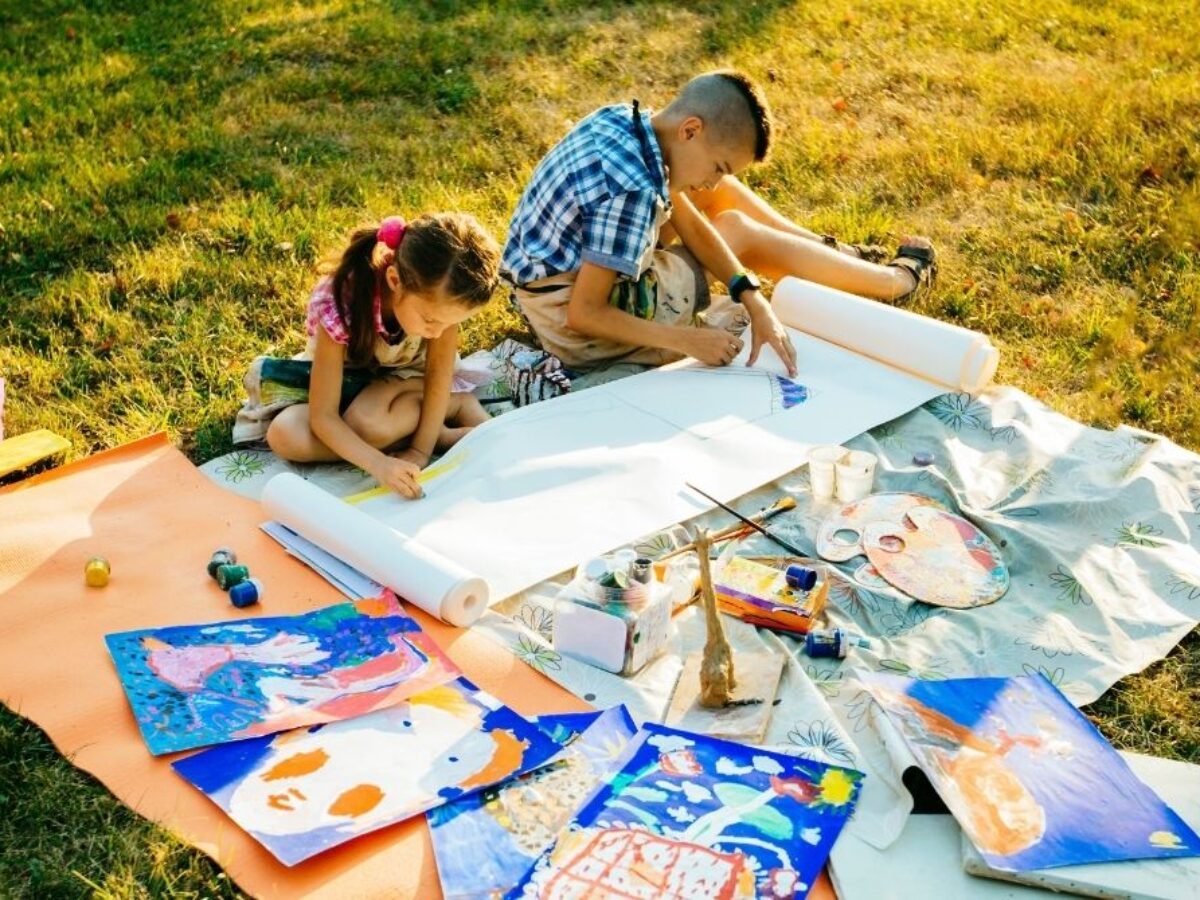
The Role of Nature in Creativity
1. Genetic Influence on Creativity
Research suggests that creativity has a genetic component. Certain traits, like openness to new experiences, curiosity, and imagination, can be inherited from parents. These traits are part of a child’s natural temperament, influencing their approach to creative tasks.
For example, children who are naturally curious may be more inclined to ask “what if” questions, explore ideas, and think outside the box. Similarly, some children show an innate ability to visualise concepts, patterns, or solutions, indicating a predisposition for creative thinking.
2. Brain Chemistry and Creativity
Creativity is closely linked to how the brain processes information. Studies have shown that creative individuals often exhibit higher connectivity between different areas of the brain. While genetics influence brain structure and function, these traits can also be influenced by experiences and learning environments.

The Role of Nurture in Creativity
1. Environment and Experiences
While genetics may lay the foundation, a child’s environment plays a significant role in shaping and enhancing creativity. Exposure to diverse experiences, cultures, and perspectives helps children build a reservoir of ideas to draw from during creative tasks.
For instance:
- Unstructured Play: Allowing kids to engage in free play fosters imagination and problem-solving skills.
- Access to Resources: Having access to art supplies, books, or music instruments encourages creative exploration.
- Encouragement: Positive reinforcement from parents and teachers can boost confidence, inspiring kids to take creative risks.
2. Education and Skill Development
Structured learning environments, such as art classes, music lessons, or STEM workshops, nurture creativity by teaching children techniques and tools to express their ideas. Guided activities also teach critical thinking and collaboration, both essential for creativity.
Moreover, educators play a vital role in encouraging curiosity and experimentation, which are key to fostering creative thinking. A classroom that values questions and ideas over rote memorisation is more likely to produce innovative thinkers.
3. Parental Influence
Parents have an undeniable impact on their child’s creative development. Children are more likely to explore their creative side if they see their parents engaging in creative activities or supporting their interests.
Here are a few ways parents can nurture creativity at home:
- Encourage Questions: Answering or discussing “why” and “how” questions sparks curiosity and critical thinking.
- Provide Opportunities: Introduce your child to new activities like drawing, writing, building, or cooking.
- Value Effort Over Results: Celebrate the process of creating rather than focusing on the final product.
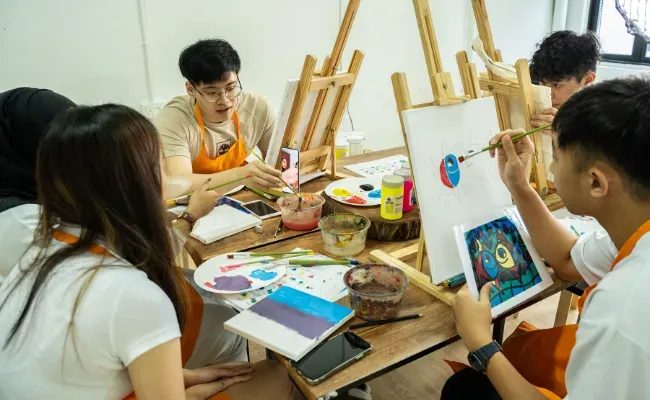
Striking the Balance: Nature and Nurture Working Together
The debate isn’t about whether nature or nurture is more important—it’s about how they work together. A child may have a genetic predisposition for creativity, but without the right environment and encouragement, those traits might not fully develop. Conversely, even if creativity doesn’t come naturally, nurturing can help unlock creative potential.
Practical Tips to Foster Creativity
- Create a Safe Space for Exploration: Encourage your child to experiment without fear of making mistakes. Creativity thrives in an environment free from judgment.
- Encourage Curiosity: Ask open-ended questions and encourage your child to think critically and imaginatively about the world around them.
- Limit Screen Time: While technology can be a tool for creativity, unstructured, screen-free time allows for deeper imaginative play.
- Introduce Variety: Expose your child to different hobbies, cultures, and environments to broaden their creative horizons.
- Model Creativity: Let your child see you engaging in creative activities, whether it’s painting, cooking, or brainstorming ideas.
The Unexpected Benefits of Fostering Creativity
Encouraging creativity doesn’t just lead to artistic achievements; it has broader benefits, including:
- Problem-Solving Skills: Creative kids are better at finding innovative solutions to challenges.
- Emotional Intelligence: Art, music, and storytelling allow children to express and process their emotions.
- Academic Success: Creativity fosters critical thinking and curiosity, which can enhance performance in subjects like math, science, and language arts.
- Resilience: Creative thinking helps children adapt and overcome obstacles.
Conclusion
Creativity in children is influenced by both nature and nurture. While some kids may have an innate knack for thinking outside the box, the right environment, encouragement, and resources are crucial to helping them reach their full creative potential. Parents and educators play a pivotal role in striking the balance, ensuring that children feel free to explore, experiment, and express themselves. By understanding the interplay between genetics and environment, we can help children become the imaginative thinkers and innovators of tomorrow.


