别再让孩子“照着画”!培养创造力的美术教育方法
When a child completes a “perfect” sunflower drawing, have you ever praised them by saying, “Well done! It looks exactly like the teacher’s”?
当孩子画完一幅“完美”的向日葵,你是否夸过:“真棒!和老师画得一模一样!”
What may seem like an innocent compliment might actually be stifling the child’s creativity.
殊不知,这句赞美正在扼杀孩子的创造力!
I. The Limitations of Traditional Art Education
一、传统美术教育的局限
In many traditional approaches to art education, teachers and parents often encourage children to “copy what they see”—whether by replicating a finished artwork or following a rigid step-by-step process. While this method may help children quickly acquire basic techniques, it significantly hinders the development of creativity and imagination.
在许多传统美术教育中,许多老师和家长习惯于让孩子“照着画”——临摹一幅现成的作品,或者按照固定的步骤完成一幅画。这种方法虽然能让孩子快速掌握一些绘画技巧,但却扼杀了他们的创造力和想象力。
Over time, such educational practices can diminish a child’s interest in art and even lead them to question their ability to express themselves authentically.
长期来看,这种教育方式可能会导致孩子失去对艺术的兴趣,甚至对自我表达产生怀疑。
1. Lack of Personal Expression
1. 缺乏个性化表达
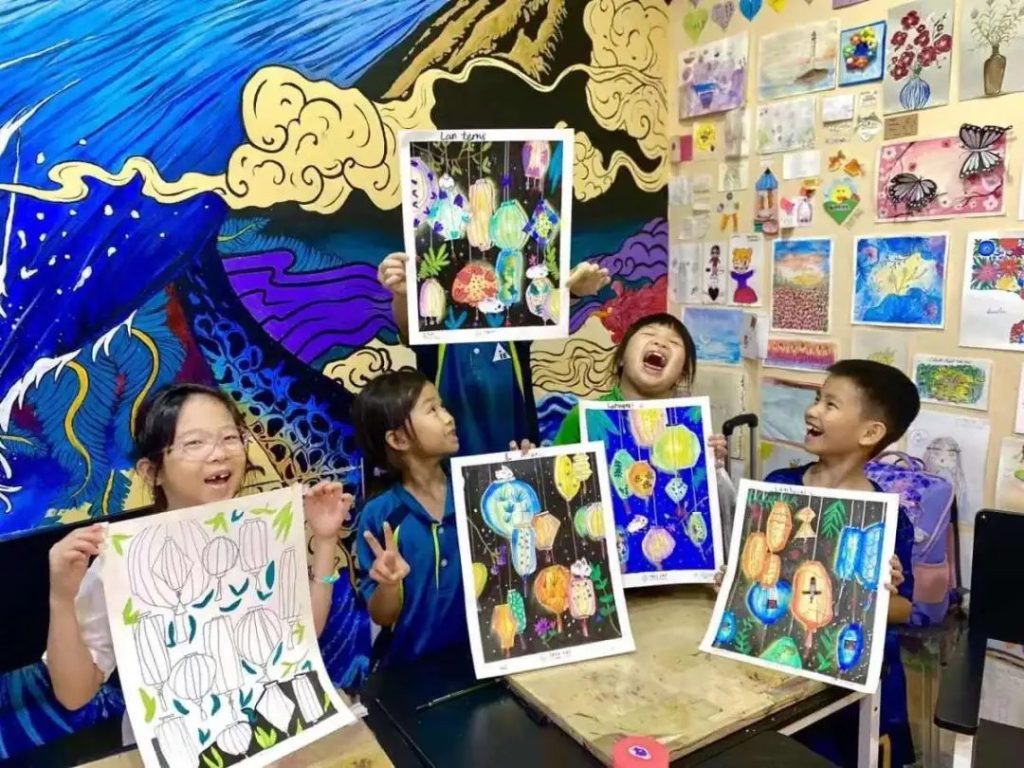
When every child is asked to follow the same template or sequence of steps, their artworks become uniform and predictable, lacking individuality. These pieces resemble products from an assembly line: a few changes in color or composition, but ultimately mere imitations. They reflect replication, not original thought.
当所有孩子都按照同样的模板或步骤作画时,他们的作品往往会变得千篇一律,缺乏独特性。这些画像一个生产线上出来的,孩子就像一个个复印机:换颜色,换一个位置,仅仅是模仿与复制,根本没有一点孩子的想法与创意。
Yet every child is a natural-born artist—not a “copy machine.” They each possess a unique perspective and emotional world that deserves to be expressed in their own way. Art education should empower them to share their personal vision, not suppress it.
每个孩子都是天生的艺术家,而不是“复制机器”,他们有自己独特的视角和情感,应该鼓励他们用自己的方式向表达世界。2. Constrained Cognitive Development
2. 限制思维发展
An overemphasis on copying promotes a narrow understanding of what constitutes “good art,” often equating technical precision with artistic success. This mindset discourages experimentation, reduces confidence in exploring new approaches, and impairs children’s appreciation of art’s diversity and expressive potential.
临摹式教学过于注重技巧的传授,认为“画得像”就是唯一的标准。这种观念限制了他们的思维发展,不敢尝试新的创作方式,削弱了他们对艺术多样性的理解。
3.Neglect of Art’s Core Purpose
3. 忽视艺术的核心价值
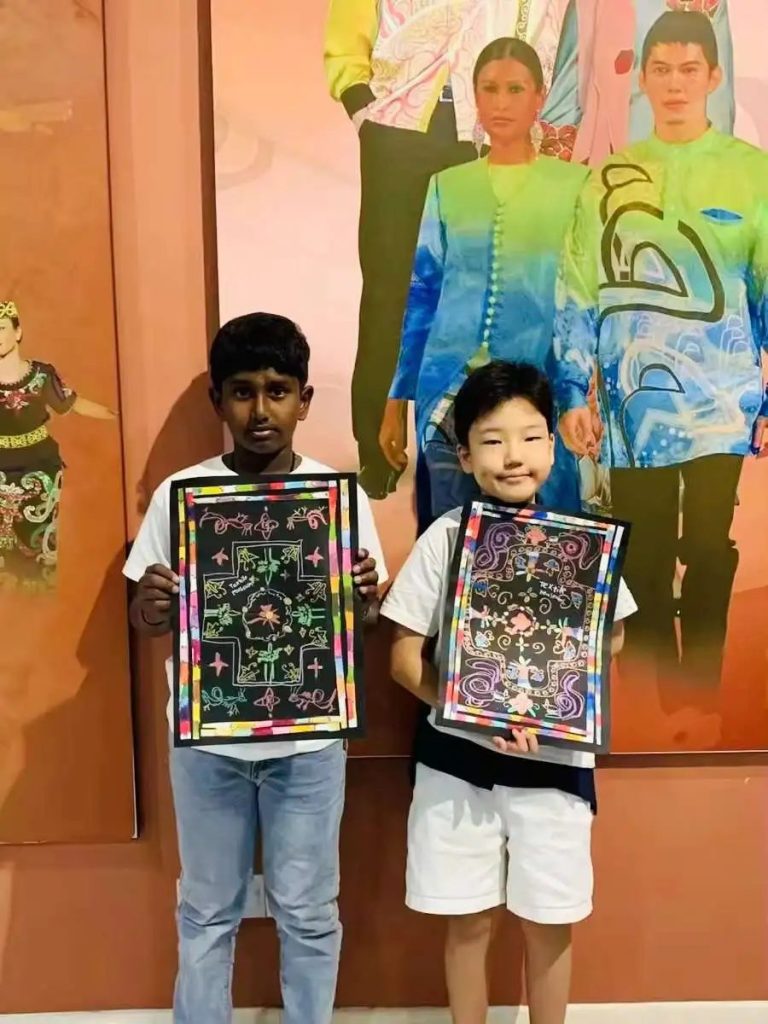
The essence of art lies in expression and creation, not merely the replication of technique. True art is not just about producing a finished piece; it is a journey of experience, exploration, and self-discovery. When education focuses solely on technical training, it strips away the joy and growth found in the creative process, and overlooks the emotional and cultural significance of artistic expression.
艺术的核心在于表达与创造,而不仅仅是技巧的复制。艺术不仅仅是完成一幅作品,更是一种体验和探索的过程。过于注重技巧训练,会失去创作过程中的乐趣和成长,也会忽视艺术的情感价值和文化意义。
II. Art Education Approaches That Cultivate Creativity
二、培养创造力的美术教育方法
The core of art education should not be limited to the transmission of technical skills. Instead, it should aim to ignite children’s creativity, foster independent thinking, and develop their capacity for artistic expression. So, how can we move beyond the constraints of “copying” and truly nurture a child’s creative potential?
美育的核心不应仅仅是技巧的传授,而应该是激发孩子的创造力、培养他们的独立思考能力和艺术表达能力。那么,如何打破“照着画”的局限,培养孩子的创造力呢?
1. Encourage Observation and Critical Thinking
1. 引导观察与思考
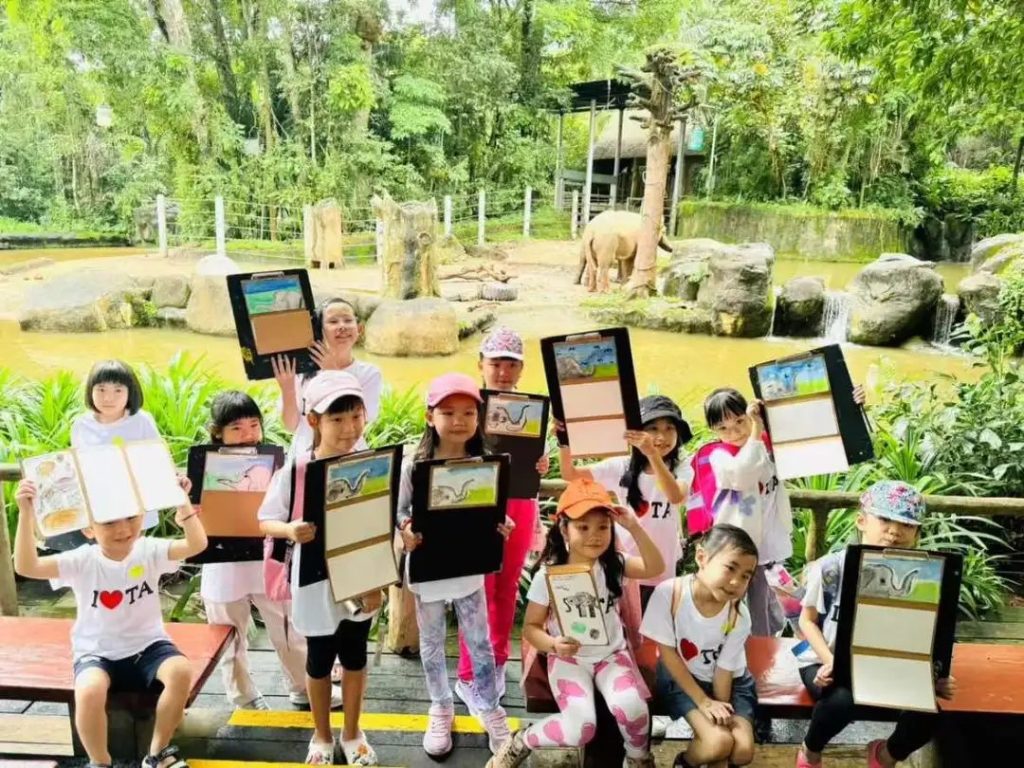
Start by guiding children to observe the world around them—nature, buildings, people, and everyday objects. Cultivating a keen sense of observation helps them discover beauty in ordinary life.
带孩子走进大自然,观察花草树木、建筑、人物等等,培养孩子敏锐的观察力,让他们学会从生活中发现美。
Use open-ended questions to spark curiosity and imagination:
“What does this leaf shape remind you of?”
“If you could design your own house, what would it look like?”
These kinds of prompts stimulate creative thinking and help children form personal interpretations of what they see.
通过提问引发他们思考:“你觉得这片树叶的形状像什么?”“如果让你设计一座房子,它会是什么样子?”这种方式可以激发孩子的想象力。
2. Promote Freedom of Expression
2. 鼓励自由表达
A child’s world is rich with imagination and emotion. Their drawings often defy convention and reflect unique perspectives.
孩子的世界充满了天马行空的想象,他们的画作往往不拘一格,充满了独特的视角和情感。
As educators or parents, our role is to provide ample space for free creation—without predefined frameworks or rigid expectations. By allowing children to express themselves freely, we encourage originality and authentic artistic exploration.
作为教育者或家长,我们要给孩子足够的创作空间,让孩子在创作过程中充分发挥想象力和创造力,而不是给他们设定固定的框架。
3. Offer a Variety of Creative Materials
3. 提供多样化创作工具
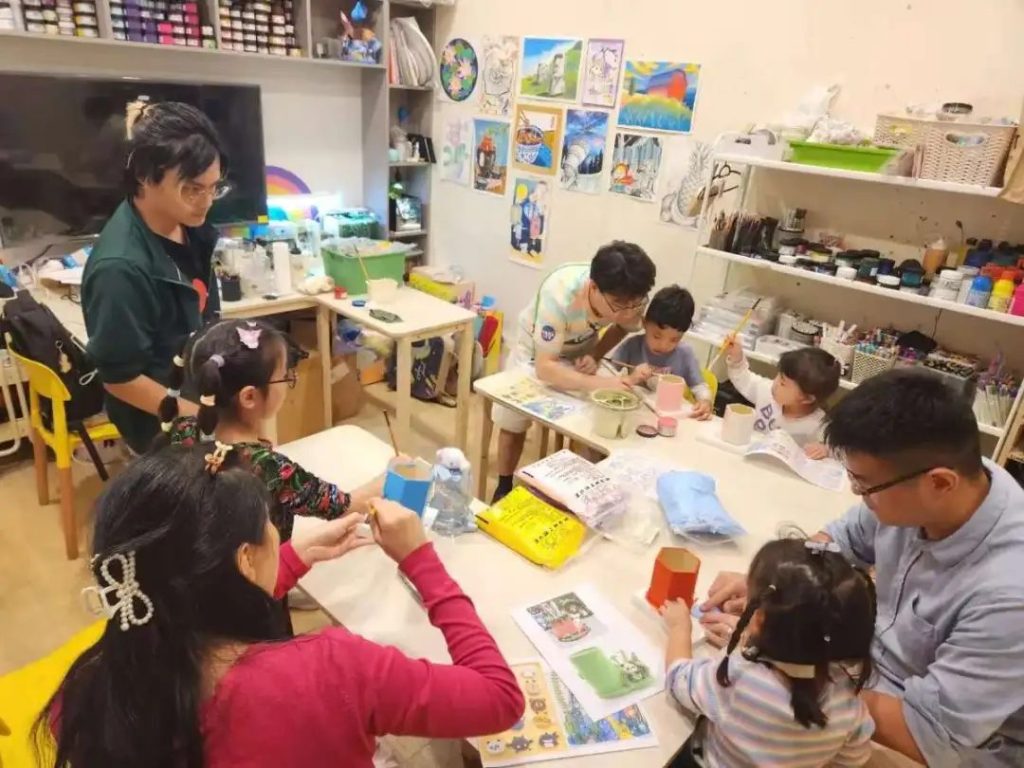
Restricting children to a single type of medium or tool can limit their creative impulses. Beyond pencils, watercolors, or oil pastels, introduce them to materials such as clay, collage papers, fabric scraps, or natural objects like leaves and twigs.
单一的材料和工具可能会限制孩子的创作灵感。除了常见的铅笔、水彩和油画棒,还可以提供黏土、拼贴材料、布料、自然材料(如树叶)等,让孩子尝试不同的创作方式。
Encourage them to mix media—for instance, adding collage elements to a drawing or using clay to build three-dimensional features. This cross-medium approach expands their expressive range and encourages innovative thinking.
还可以鼓励孩子将不同的材料组合使用,比如在画作中加入拼贴元素,或者用黏土制作立体部分。这种跨媒介的创作能够激发孩子的创新思维。
Exploring a wide range of tools and materials opens up new possibilities and helps children develop a broader artistic vision.
通过接触不同的材料和工具,孩子能够探索更多的可能性,从而拓宽他们的艺术视野。4. Focus on the Creative Process, Not Just the Outcome
4. 注重过程而非结果
Too often, adults judge a child’s work based on how “good” or “realistic” it looks, while neglecting the importance of the creative journey itself. True art education emphasizes process over product.
Children should feel joy and fulfillment during creation, not pressure to produce a “perfect” result. When the process is prioritized, children learn to take risks, enjoy discovery, and build confidence in their own voice.
我们常常过于关注孩子的作品是否“好看”或“像样”,而忽略了他们在创作过程中的体验和成长。艺术教育的重点应该是创作的过程,而不是最终的作品。让孩子在创作中感受到快乐和满足,而不是为了完成一幅“完美”的作品而焦虑。
5. Provide Diverse Artistic Experiences
5. 提供多元的艺术体验
Art takes many forms. Exposing children to a wide variety of artistic expressions can greatly broaden their understanding and inspiration.
Take them to visit art galleries and museums; show them works ranging from abstract paintings to sculpture, installation art, and beyond. These experiences not only enhance their appreciation of artistic diversity but also stimulate their own ideas and imagination.
艺术的形式多种多样,我们可以通过多元化的艺术体验拓宽孩子的视野。带孩子参观美术馆、博物馆,欣赏不同风格的艺术作品,如抽象画、雕塑、装置艺术等。这能够帮助孩子理解艺术的多样性,并激发他们的创作灵感。
The true value of art education lies in nurturing creativity, independent thought, and expressive confidence in children.
美术教育的真正意义在于培养孩子的创造力、独立思考能力和艺术表达能力。
Both teachers and parents play a crucial role in this journey. Rather than evaluating children’s artwork based on resemblance or neatness, we should recognize and celebrate their originality and effort. By moving away from the outdated model of “copying,” we open the door to a world of artistic possibilities—where every child can explore, express, and create freely.
老师和家长在孩子的美术教育中扮演着重要的角色,不要轻易地用“像不像”来评价孩子的作品,而是关注他们的创意与努力。摒弃“照着画”的陈旧模式,帮助孩子发现艺术的无限可能。


