
话“蛇”添福,探寻博物馆里的“蛇”
From Fuxi and Nuwa with human heads and serpent bodies, to the Bashe in The Classic of Mountains and Seas, Bai Suzhen and Xiaoqing from The Legend of the White Snake, the sacred serpent of ancient Egypt, Medusa from Greek mythology, and the serpent in Adam and Eve…
从人首蛇身的伏羲女娲、《山海经》的巴蛇、《白蛇传》的白娘子、小青,到古埃及的神蛇、希腊神话中的美杜莎、《亚当夏娃》里的蛇……
It is a creature both mysterious and elegant, symbolizing wisdom and auspiciousness while also evoking a sense of awe.
它是一种既神秘又优雅的生物,既代表着智慧与吉祥,同时也让人感到敬畏。
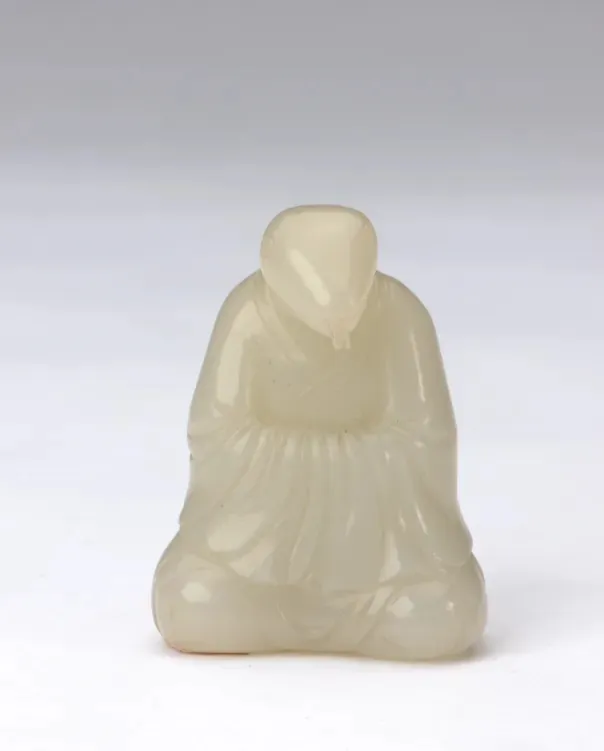
As the Year of the Snake arrives, let us follow the renowned artifacts preserved in museums to trace the enigmatic and captivating snake motifs in art, experiencing the ancient reverence for natural forces and the remarkable artistic achievements of past civilizations.
在蛇年之际,让我们随着博物馆所珍藏的知名文物,共同追寻那些神秘且迷人的蛇纹艺术,体验古人对自然力量的敬仰,以及他们在艺术领域所取得的辉煌成就。
01 The Origins of the Snake
01 “蛇”的源起
The snake, an ancient and mysterious creature, has existed for over 150 million years. It has traversed the vast expanse of time, leaving a profound imprint on the long history of Chinese civilization.
蛇,这种古老且神秘的生物,早在1.5亿年前就已经存在,它穿越了亿万年的光阴,在中华文明的悠久历史中留下了深刻的痕迹。
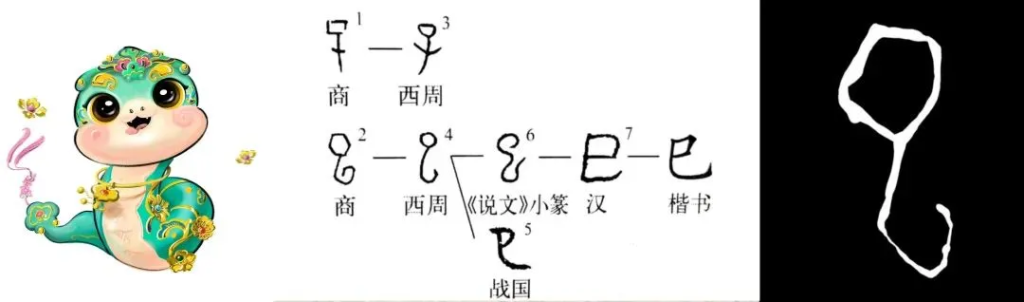
The Chinese people’s reverence and awe for snakes can be traced back to ancient times. In Shuowen Jiezi (Explaining and Analyzing Characters), the definition of “snake” is recorded as: “In ancient times, people living among the grass feared it, so they would ask each other, ‘Have you encountered one?’”
中华文化对蛇的敬畏与崇拜,可以追溯到上古时期,《说文解字》对“蛇”的注解:上古草居患它,故相问无它乎。”
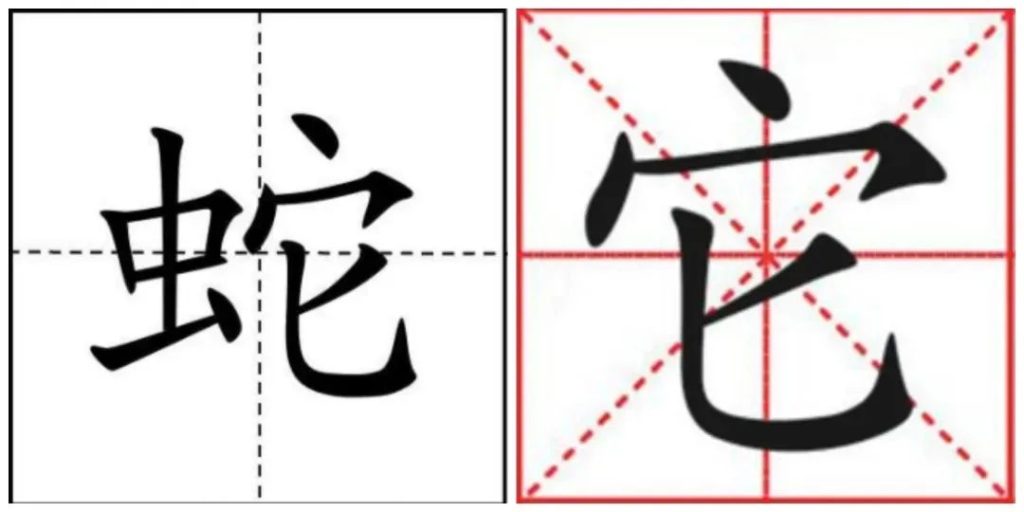
In those years, early humans did not greet each other with “Have you eaten?” or “How have you been?” but rather with “Have you encountered a snake today?” At that time, people either lived in caves or resided in dense grasslands, where snake infestations were common.
那些年先民见面时,他们之间的问候并非“吃了没”或“近来可好”,而是“今日你可遭遇蛇乎”。在那个时代,人们或是居于洞穴之中,或是栖息于草莽之间,蛇患频出。
Thus, whenever they met, they would always ask, “Has your home been visited by a snake?” During that era, the character “它” (tā) specifically referred to snakes. Over time, it evolved into a pronoun for the third person, a usage that continues to this day.
因此,每当先民们相见,他们总是相互询问:“你家可有蛇出没?”在那个时代,“它”这个字眼专指“蛇”,并由此演变为指代第三人称的代词,沿用至今。
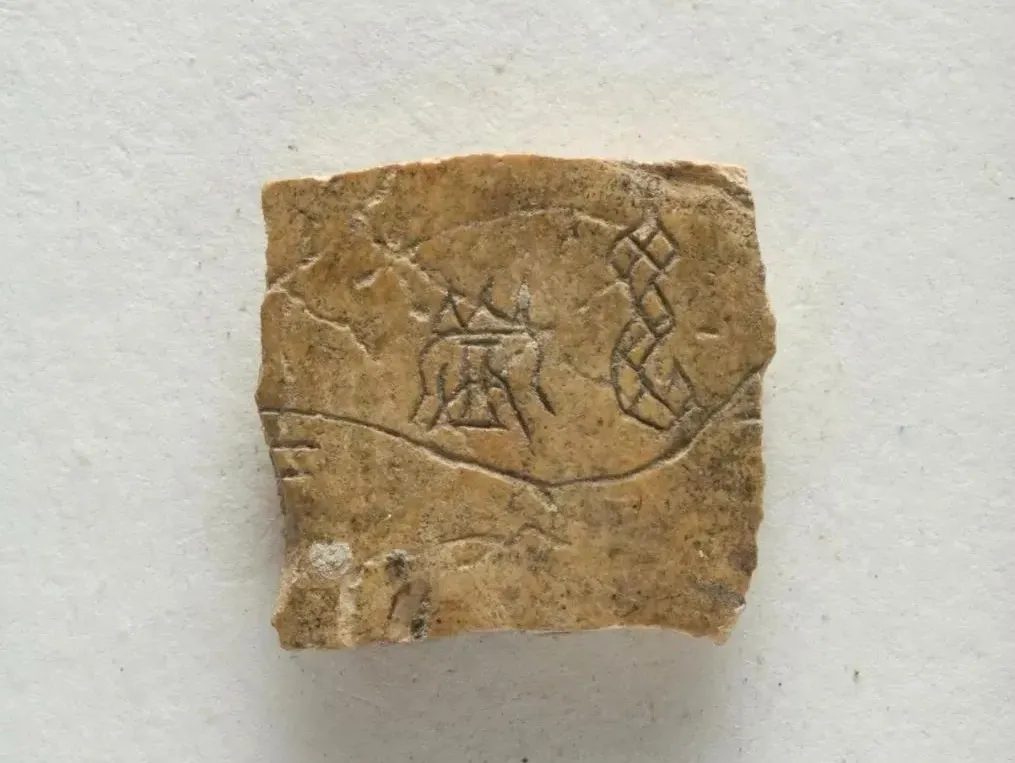
On a fragment of an oracle bone inscription from the late Shang Dynasty, two characters were carved, with the one on the right being the oracle bone script for “它”. Initially, “它” represented a snake, with its form vividly depicting a serpent’s features: a triangular head, patterned body, and coiled tail. During the Qin and Han dynasties, the character “它” was modified by adding the radical “虫” (meaning insect or reptile), forming the modern character “蛇” (she, meaning snake).
商晚期的刻辞龟腹甲残片刻有两字,右一字为甲骨文“它”。“它”字最初表示“蛇”,其字形十分形象地描绘了蛇的特征:头部呈三角形,身上有花纹,尾部卷曲。秦汉时期,表示蛇的“它”字增加“虫”旁,形成了后来的“蛇”字。
02 Snakes in Chinese Museums
02 中国博物馆里的蛇
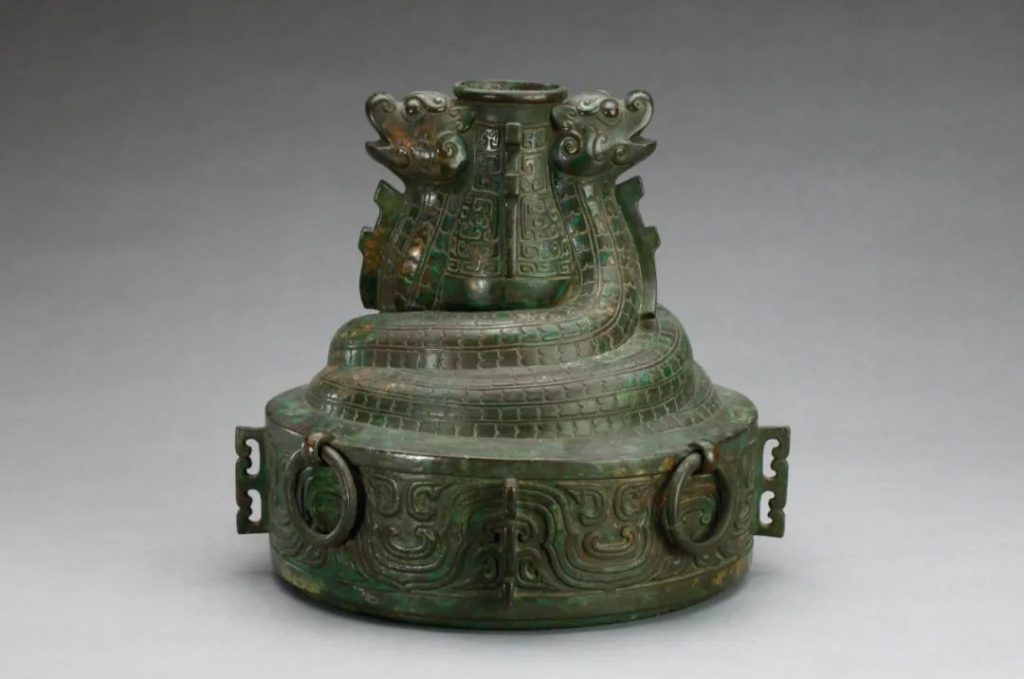
The snake holds the sixth position in the Chinese zodiac, associated with the southeast direction and the time period from 9 AM to 11 AM. In the Chinese earthly branches, the character “巳” represents the snake, making Si Year, Si Month, and Si Hour closely intertwined with ancient life. This highlights the snake’s crucial role in Chinese culture. In early beliefs, the image of the snake predates that of the dragon, earning it the nickname “Little Dragon.”
蛇,十二生肖中排位第六,方位为东南,时辰代表上午9点到11点。地支中的“巳”字代表蛇,无论是巳年、巳月还是巳时,都与古人的生活息息相关,彰显了蛇在中华文化中的举足轻重的地位。在古老的信仰中,蛇的形象比龙更早出现,故有“小龙”之称。
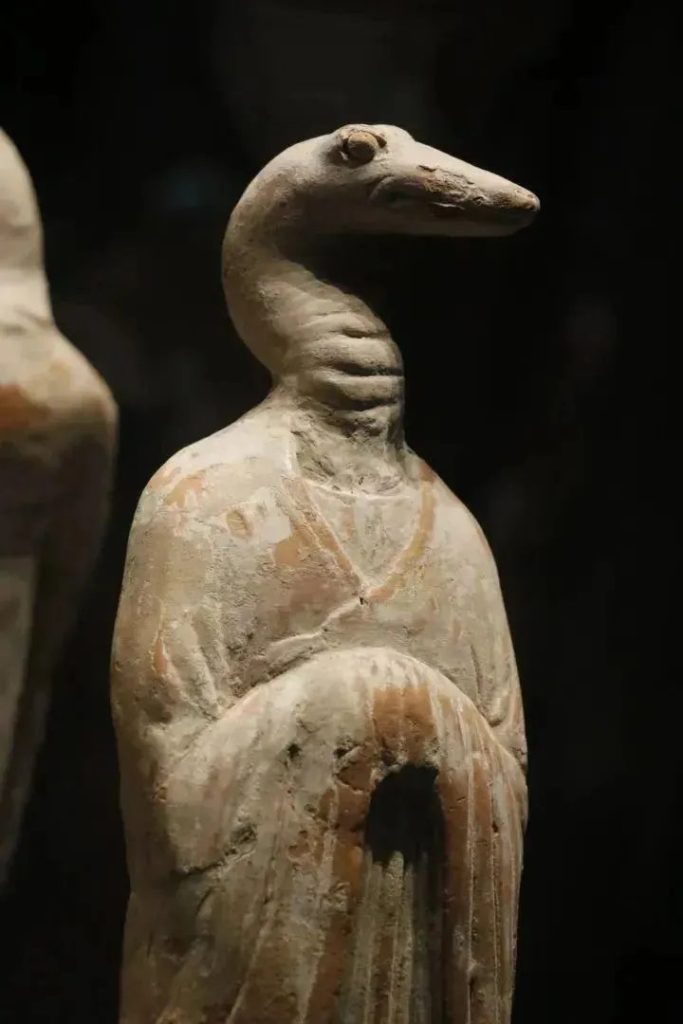
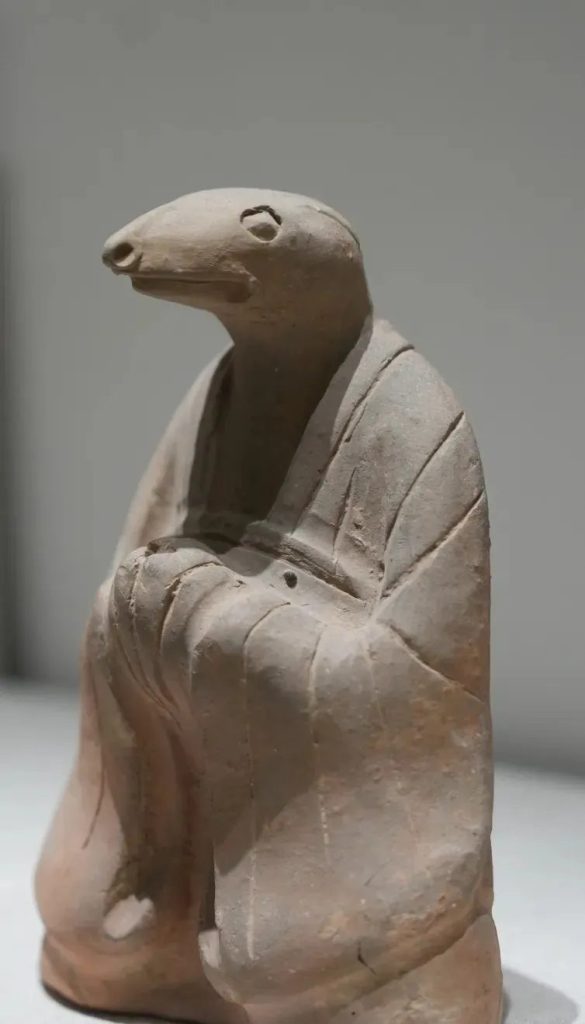
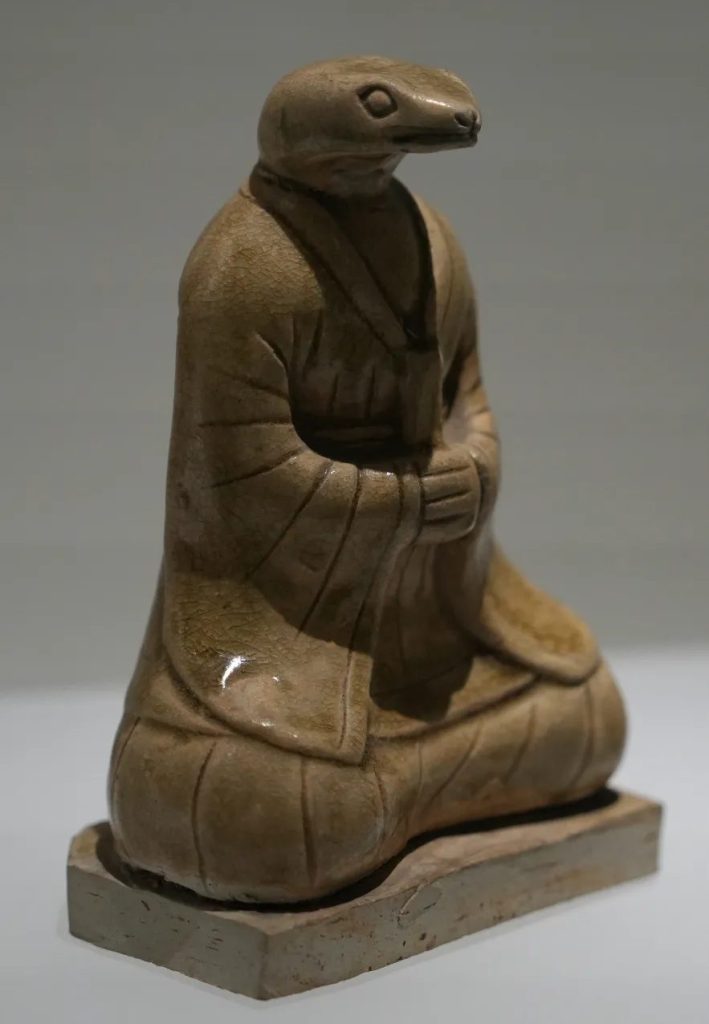
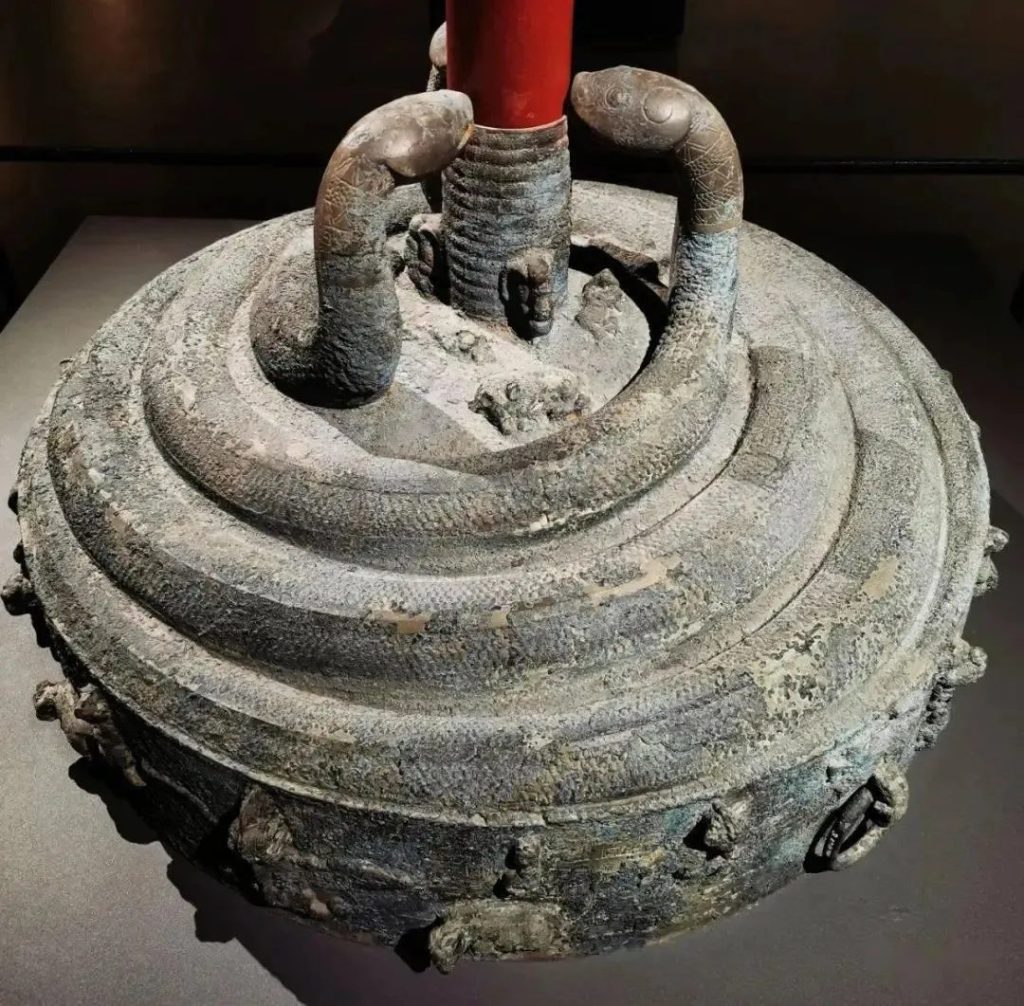
Among the many museum artifacts related to snakes, the bronze snake from the Sanxingdui Museum stands out. This bronze snake, like a mysterious emissary emerging from the ancient mists, carries the profound mysteries of the Shu civilization.
历数各地博物馆中与蛇相关的文物,首先得提三星堆博物馆的青铜蛇。三星堆铜蛇,宛如从远古迷雾中蜿蜒而出的神秘使者,承载着古蜀文明的深邃奥秘。
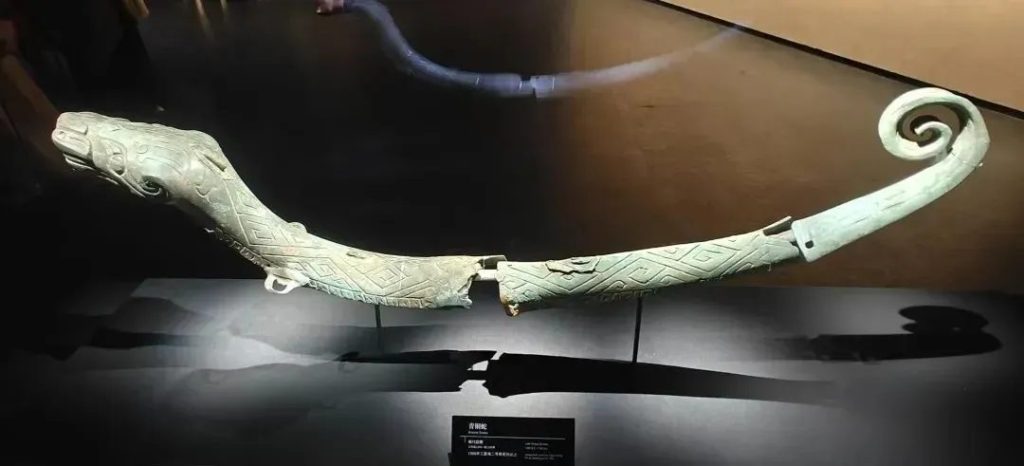
This artifact was cast in separate sections and then riveted together. It features a slender body with fluid lines, an upraised head, wide, round eyes, and distinct scales, making it remarkably lifelike. As one of the most representative artifacts of the ancient Shu civilization, the Sanxingdui bronze snake fuels endless curiosity and a desire to explore the distant past.
这条青铜制成的蛇采用分段铸造,铆接成整体,体型细长,线条流畅,蛇头扬起,双眼圆睁,鳞片分明,栩栩如生。作为古蜀文明中极具代表性的文物之一,三星堆铜蛇激起了人们对遥远古蜀的无尽想象和探索的渴望。
The Spring Festival Gala mascot for the Year of the Snake, “Si Shengsheng,” is inspired by this 3,000-year-old bronze snake. Its round, innocent eyes and distinctive design elements, such as the Chi Yu Pattern (歧羽纹) and Minister’s Eye (臣字目), are directly derived from this ancient relic.
蛇年春晚吉祥物巳升升其中憨态可掬的眉眼,它的歧羽纹、臣字目就源自这条3000多年前的蛇。
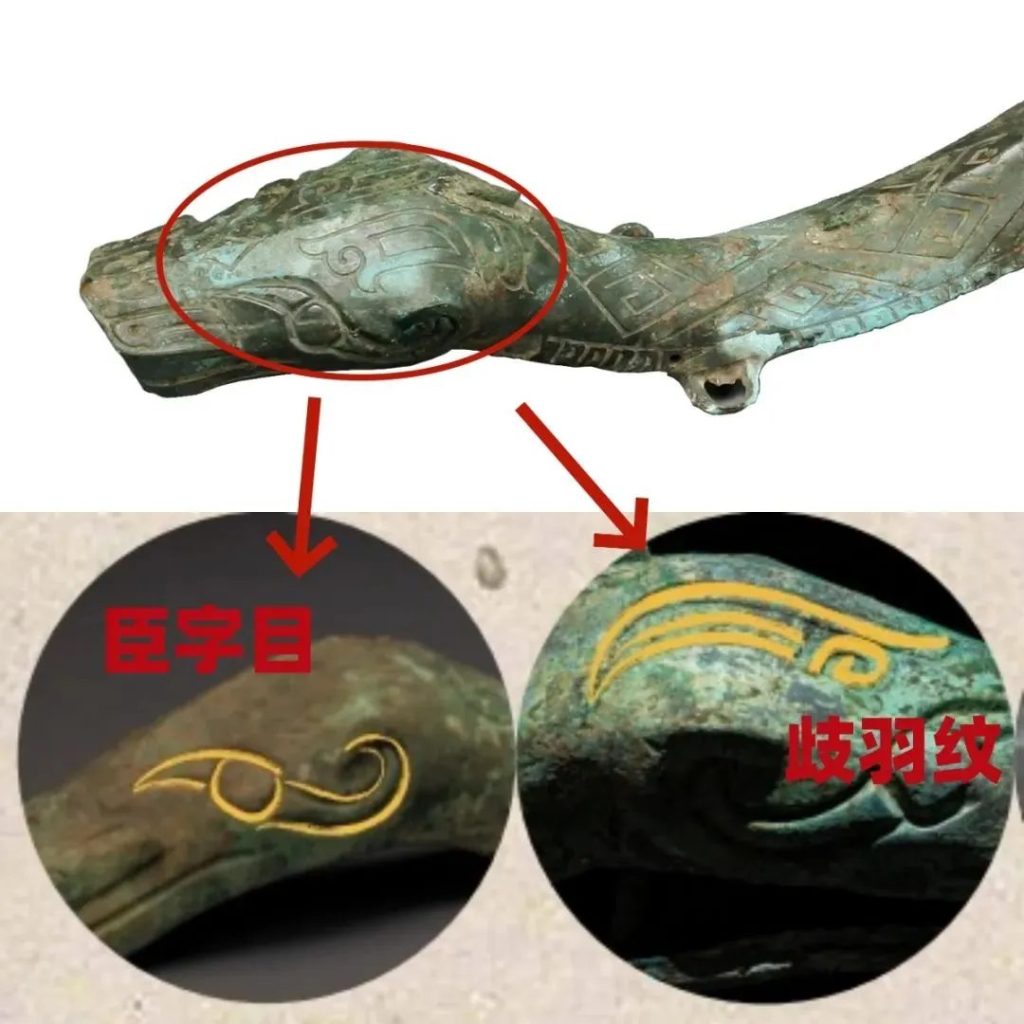
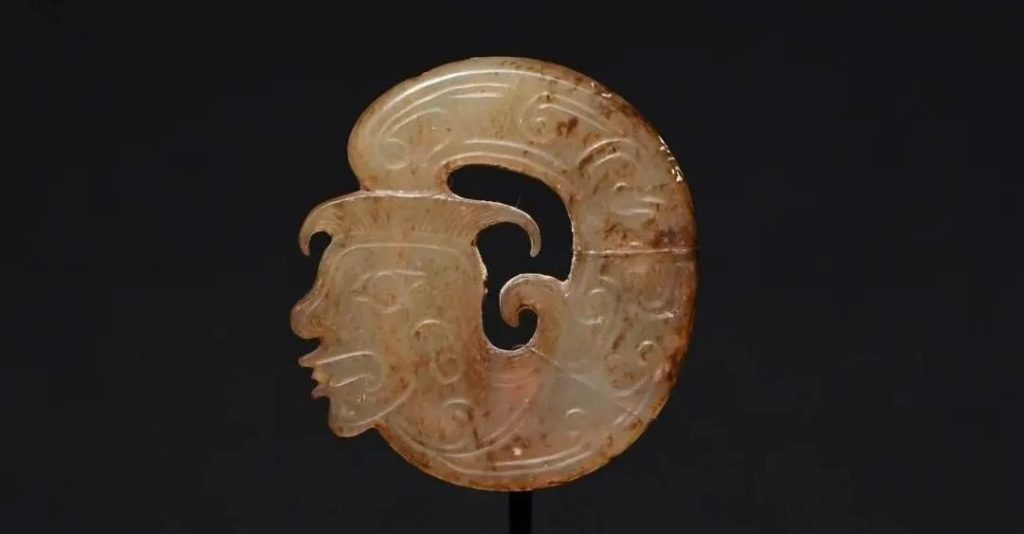
The Minister’s Eye, characterized by an eye shape resembling the oracle bone script for “臣” (minister), is commonly found in Sanxingdui bronzeware but also appears in Central Plains bronze and jade artifacts. This widespread feature reflects the inclusiveness and unity of Chinese civilization.
臣字目,即拥有甲骨文“臣”字形的眼睛,在三星堆出土铜器较为常见,但它也广泛出现在中原地区的青铜器和玉器上,彰显着中华文明多元一体、兼收并蓄。
The Chi Yu Pattern, typically an abstract representation of bird wings, signifies a strong reverence for birds among the ancient Shu people. This motif suggests a deep-rooted bird-worship culture within the region.
歧羽纹,通常由羽翅形象抽象而成,代表了鸟形象,反映出古蜀人有强烈的飞鸟崇拜。
Since ancient times, the snake has been regarded as a creature of profound symbolic significance, with its legends spanning cultures across the globe.
在远古时期,蛇被视作一个充满象征意义的神秘生物,其传说遍布全球各地的文化。
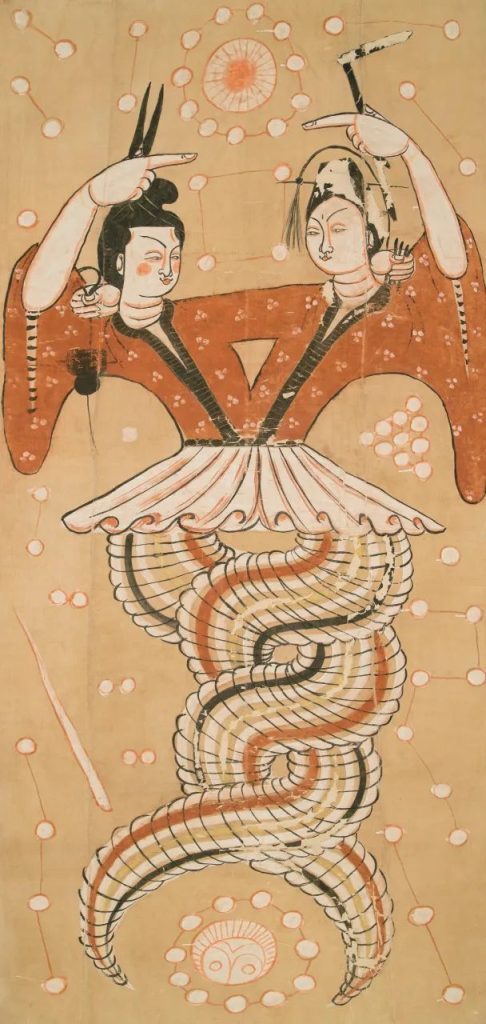
In Chinese mythology, the snake is often imbued with divine attributes. Fuxi and Nuwa, the pivotal creator gods, are depicted as having human heads and serpent bodies, symbolizing their status as the ancestors of the Chinese people. This image reflects the ancient veneration of supernatural powers and holds profound cultural meaning.
在中华神话传说中,蛇常常被赋予神性,伏羲和女娲作为关键的创世神明,常以半人半蛇的形象出现,被认为是华夏民族的鼻祖。这一形象不仅展现了古代人对超自然力量的敬仰,也富含深远的文化内涵。
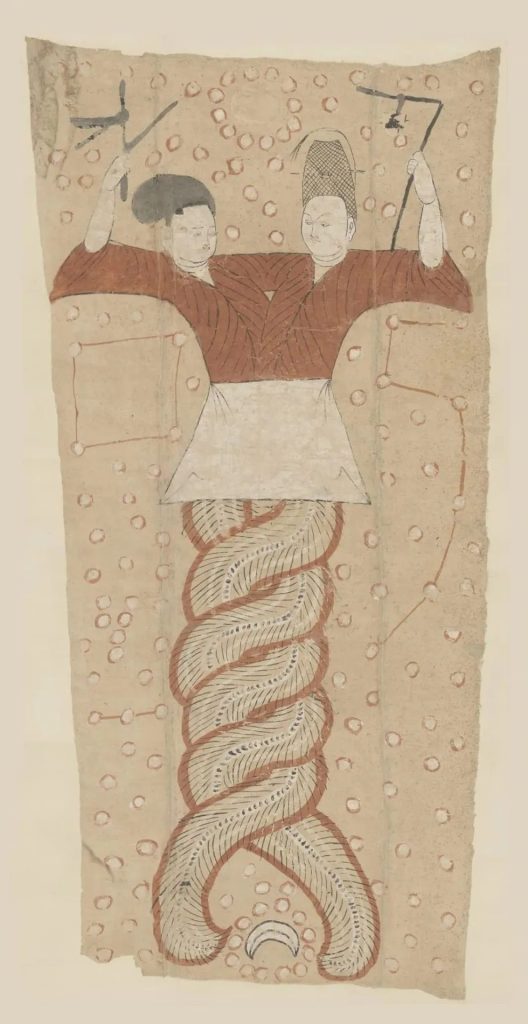
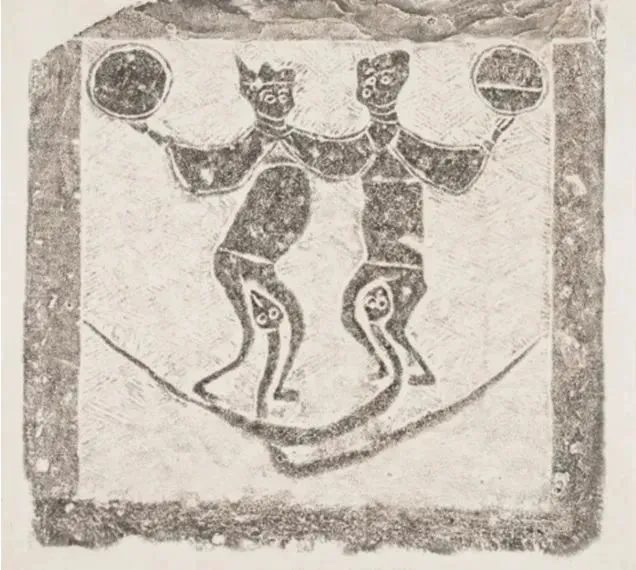
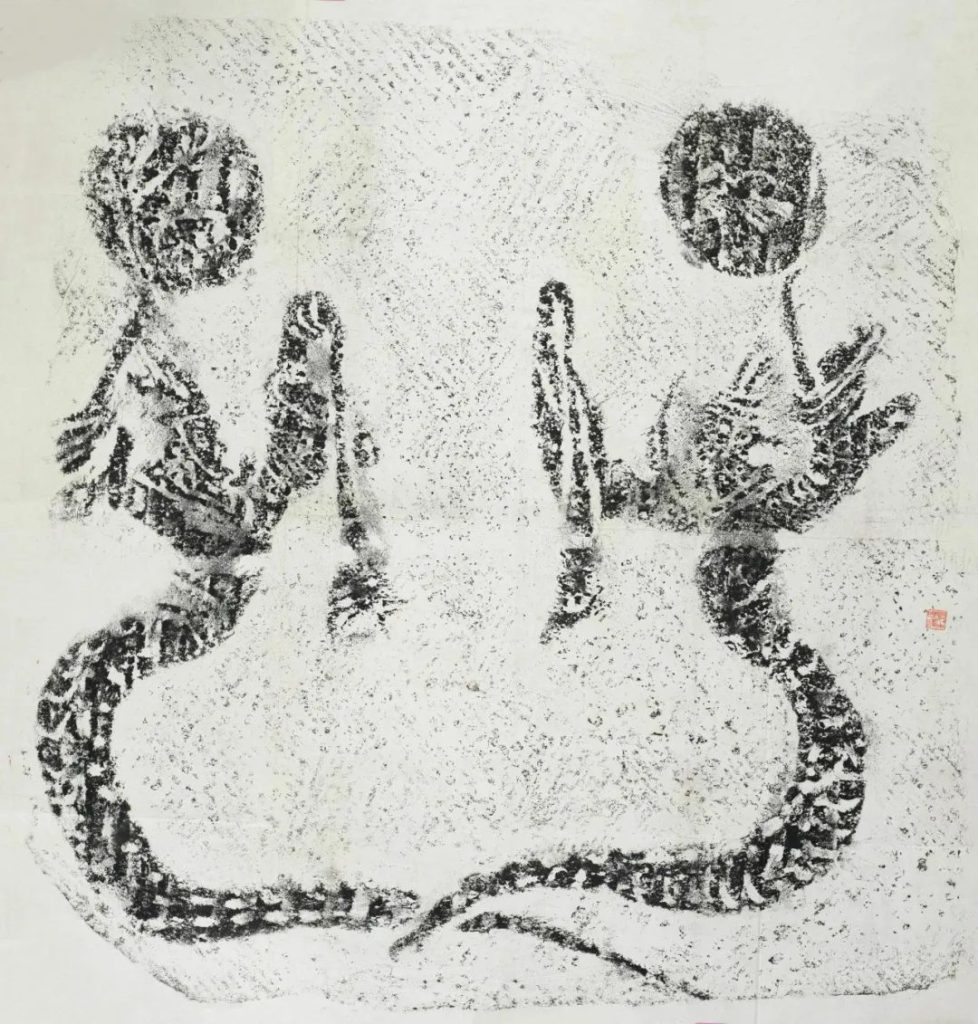
The snake has also been associated with guardianship in historical records. The Classic of Mountains and Seas (Shan Hai Jing) describes a mystical land:
“The Kingdom of Xuanyuan is located in the farthest mountains, where even the shortest-lived people live for 800 years. To the north of the Women’s Kingdom, there exist beings with human faces and serpent bodies, whose tails intertwine over their heads.”
在古代,”蛇”这一形象常常带有守护的寓意。《山海经》中记载的“轩辕之国在此穷山之际,其不寿者八百岁。在女子国北,人面蛇身,尾交首上。”
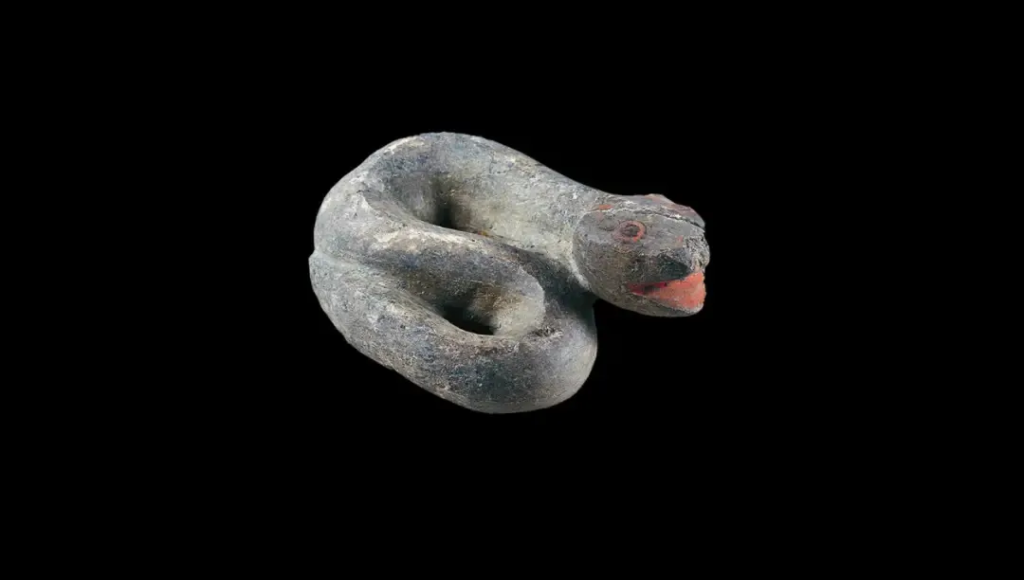
Additionally, early Neolithic cultures such as the Yangshao, Hongshan, and Liangzhu cultures all exhibited evidence of snake worship. These instances reveal that in the hearts of ancient people, the snake possessed an extraordinary sacred status.
此外,在早期的仰韶文化、红山文化、良渚文化中,都可以看到对蛇的崇拜现象。这些现象无不表明,在先民的心中,蛇具有一种非凡的“神圣性”。
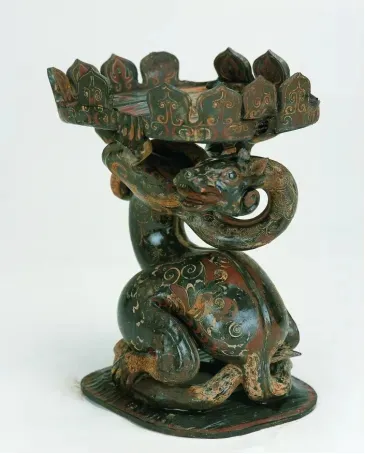
Among the four mythological beasts in Chinese cosmology, Xuanwu (玄武) uniquely combines the turtle and snake into a single entity. This fusion represents a cultural amalgamation of the two totemic creatures, with origins rooted in early snake and turtle worship.
古代四神中,玄武是一种结合了龟与蛇的独特形象,这种融合体现了在地面上的龟族和蛇族文化融合的现象,其起源可以追溯到古代对龟和蛇的图腾崇拜。
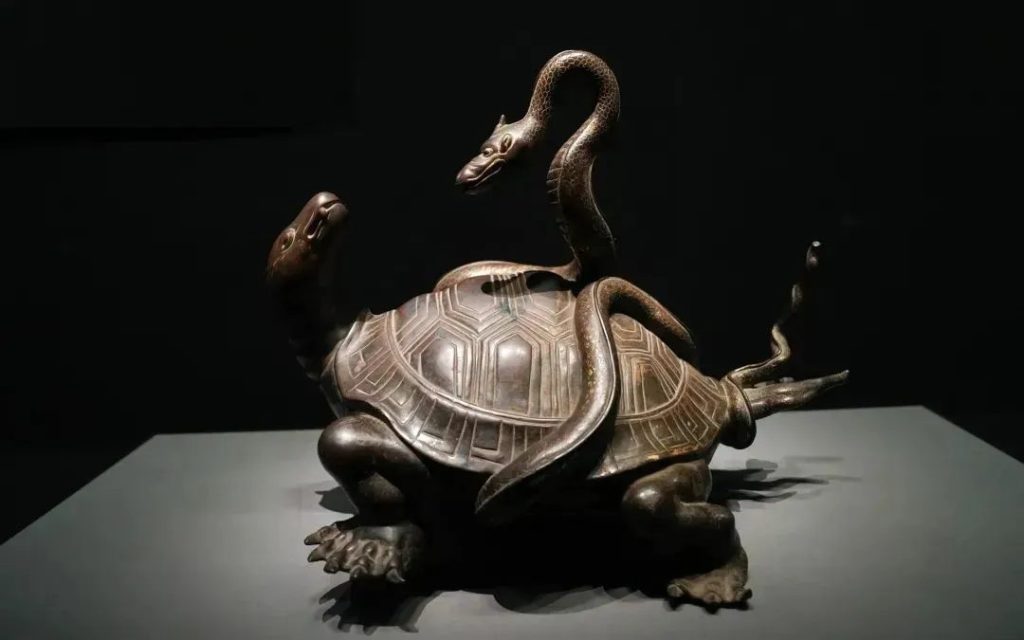
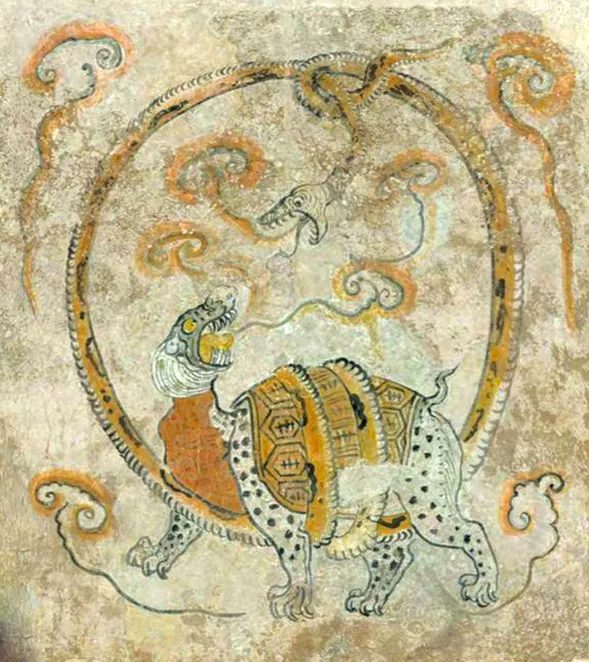
According to legend, Xuanwu’s image originates from the Zhuanxu tribe’s totem, combining the heavenly turtle (Tian Yuan, 天鼋) and mystic serpent (Xuan Xiao, 玄枵).
In Chinese symbolism:
- The turtle represents longevity, stability, and wisdom.
- The snake embodies flexibility, intelligence, and vitality.
When merged into Xuanwu, the combined entity gains even greater symbolic meaning, including protection, guardianship, balance, harmony, authority, and power.
据传说,玄武的形象源自颛顼部族的图腾,是龟族和蛇族图腾的融合,其最初的形式是天鼋与玄枵的结合。
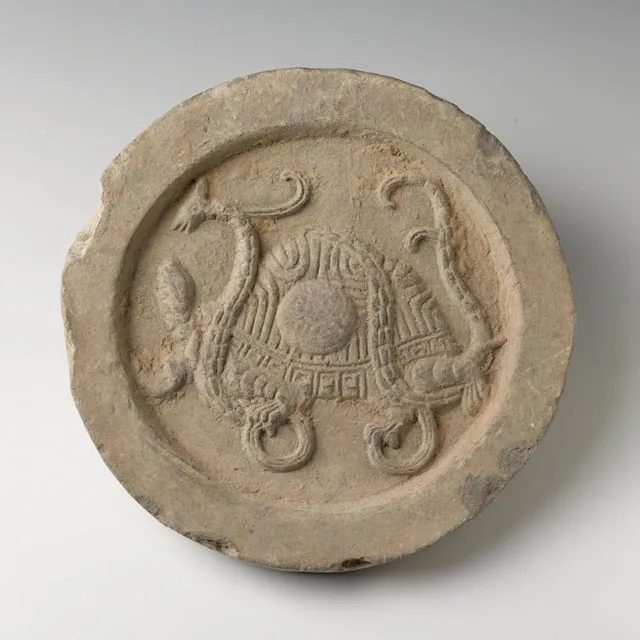
龟象征着长寿、稳重和智慧,而蛇则象征着灵活、机智和活力。当龟与蛇结合成为玄武之后,它不仅结合了两者的优点,还增添了新的象征意义,如守护、保护、平衡、调和、地位和权力等。
03 Snakes in Foreign Museums
03 外国博物馆里的蛇
Snakes have also garnered significant attention in cultures around the world. In ancient Egyptian culture, the snake held immense symbolic importance. The cobra, with its expanded hood, was regarded by the Egyptians as a symbol of protection, authority, and royal power.
在国外,蛇同样备受关注。在古埃及文化中,蛇具有极其重要的象征意义。眼镜蛇因其颈部扩张时的形状,被古埃及人视为保护、权威和王权的象征。
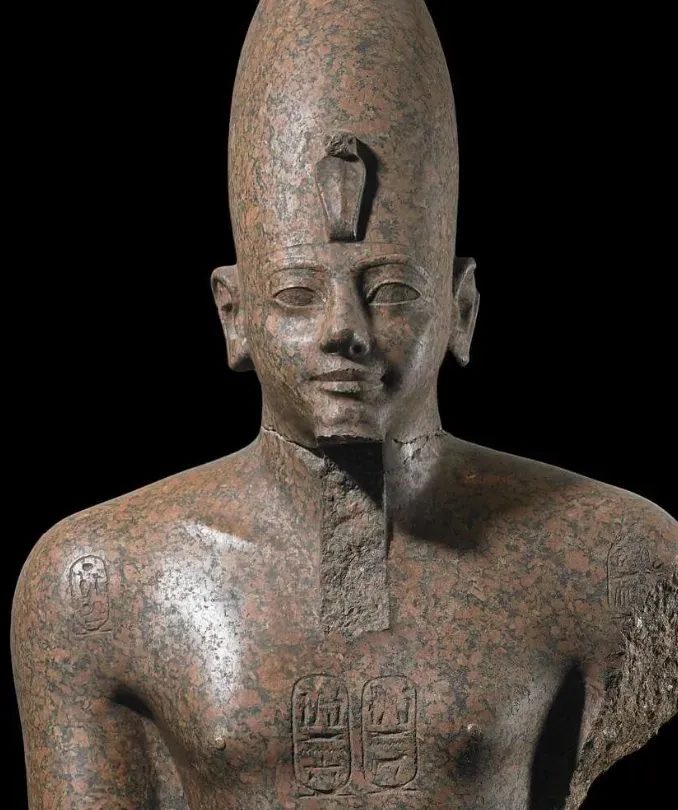
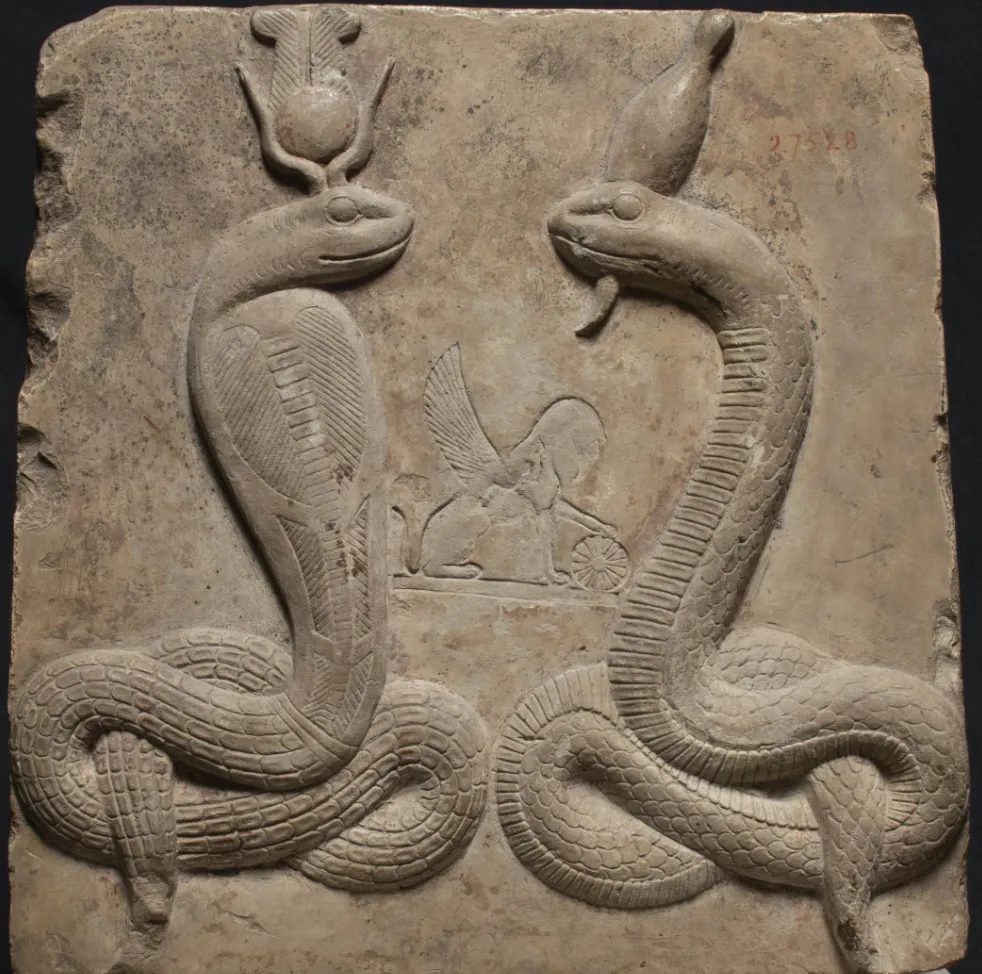
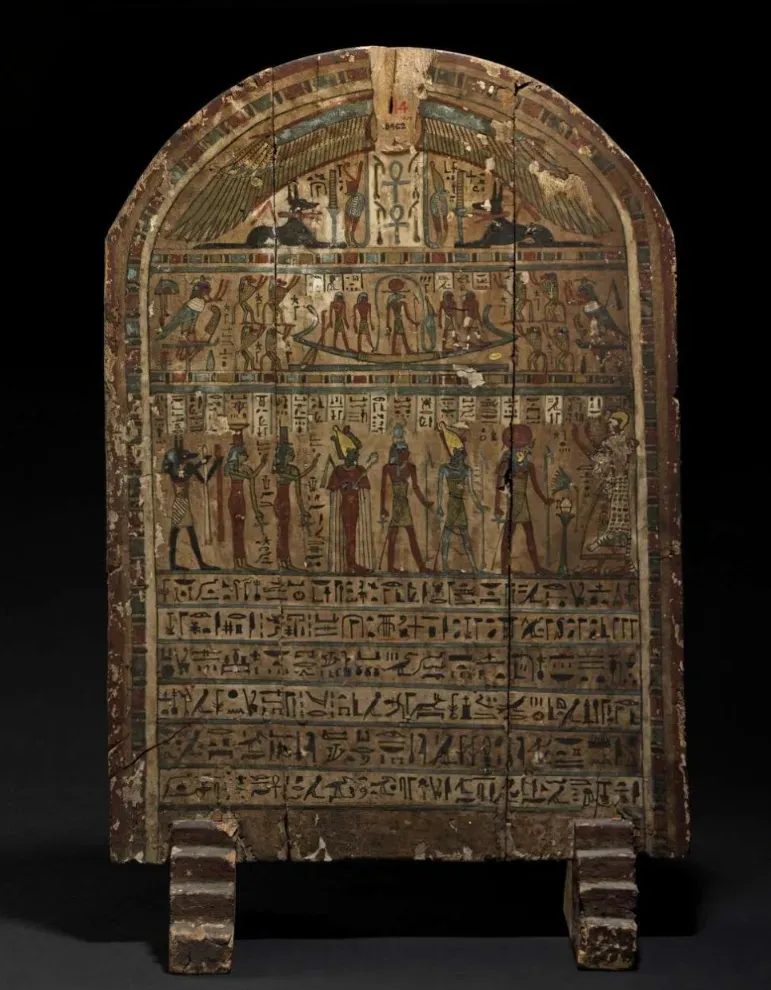
The ancient Egyptians believed that after death, the soul would undergo a process of rebirth and transition to the afterlife. The shedding of a snake’s skin was seen as a representation of renewal, transformation, immortality, and healing—ideas closely tied to their beliefs in resurrection and life after death.
古埃及人相信,死后灵魂会经历一个重生和进入来世的过程。蛇蜕皮的行为,被视为重生、转化、不朽和治愈的象征。这种象征意义与他们对死后生命和复活的信仰紧密相连。
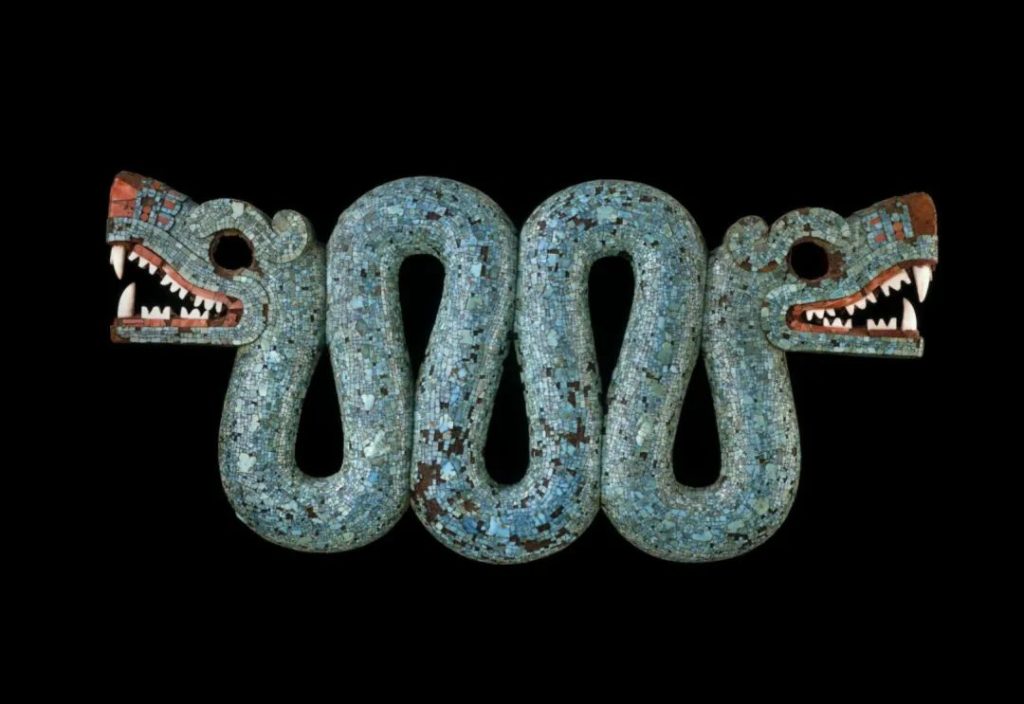
In Mayan civilization, Kukulkan was revered as a creator, cultural hero, and ruler of time and the sun. Similarly, in Aztec mythology, Quetzalcoatl(“coatl” meaning snake) held a highly sacred status. Often depicted as a serpent or a feathered serpent, this deity symbolized death and rebirth.
在玛雅文明中,Kukulkan被认为是创造者、文化英雄和时间与太阳的统治者,在阿兹特克文明中,Quetzalcoatl(“coatl” 意为蛇)是一位具有高度神圣地位的神。通常被描绘为一条蛇,有时是羽蛇的形象。代表死亡与重生。
In Greek mythology, several famous snake-related symbols exist:
- Ouroboros, the serpent that devours its own tail, represents eternity and the cyclical nature of life.
- Hydra, a multi-headed serpent, symbolizes strength and regeneration, as it grows two new heads for every one that is severed.
- The Rod of Asclepius, entwined by a snake, is a symbol of healing, renewal, and wisdom, still widely used in modern medical insignia.
古希腊神话中的衔尾蛇乌洛波洛斯(Ouroboros)和海德拉(Hydra)都是非常有名的多头蛇象征,而阿斯克勒庇俄斯的蛇杖则是治疗、复兴和智慧的象征。
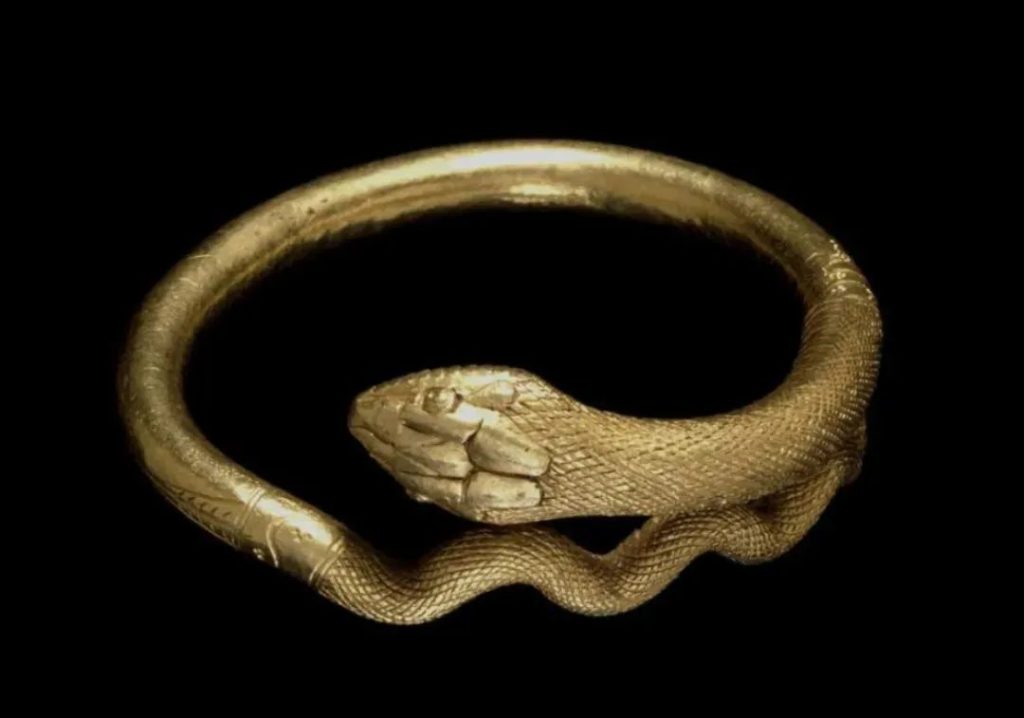
In the Bible’s Book of Genesis, the serpent is depicted as the most cunning of all creatures. It tempts Adam and Eve into eating the forbidden fruit, leading to the fall of humankind. In this context, the snake symbolizes both wisdom and deception.
在《圣经》的《创世纪》中,蛇被描绘为最狡猾的动物,它诱惑了亚当和夏娃偷吃了禁果,导致了人类的堕落。在这个故事中,蛇象征着智慧和狡猾。
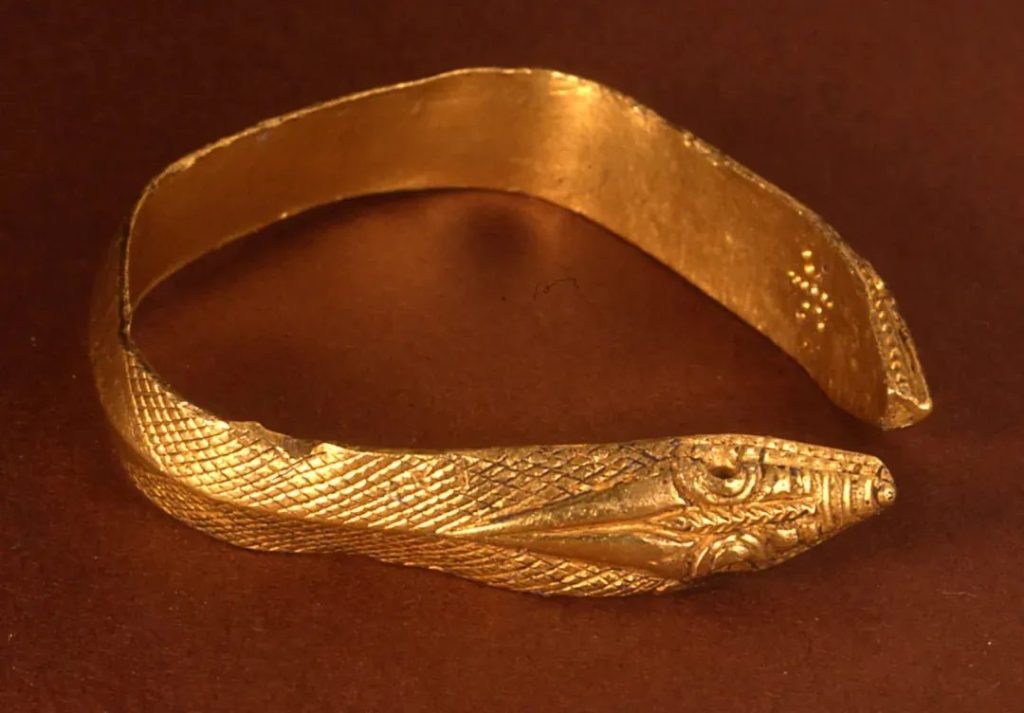
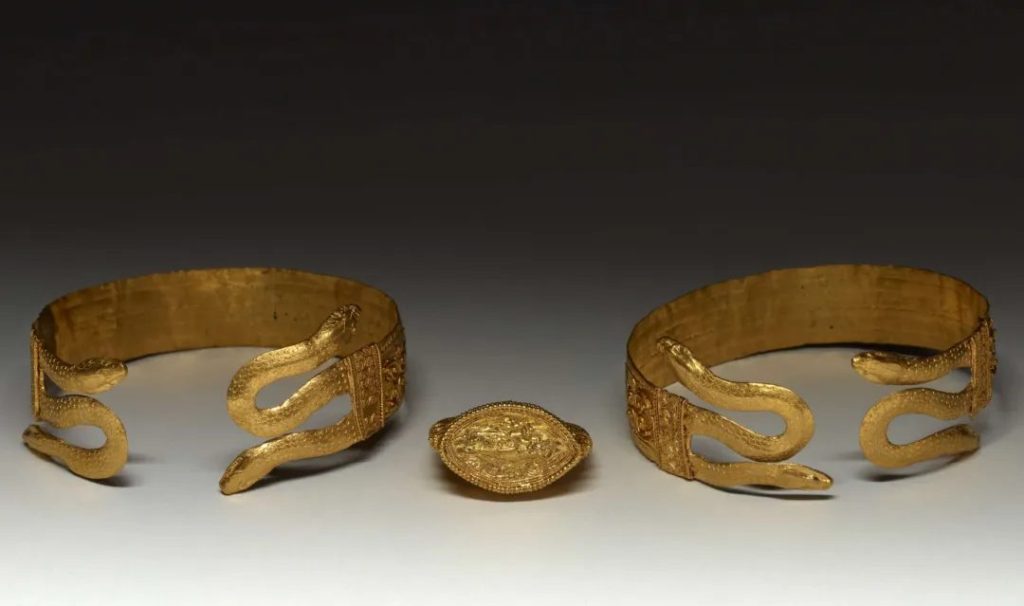
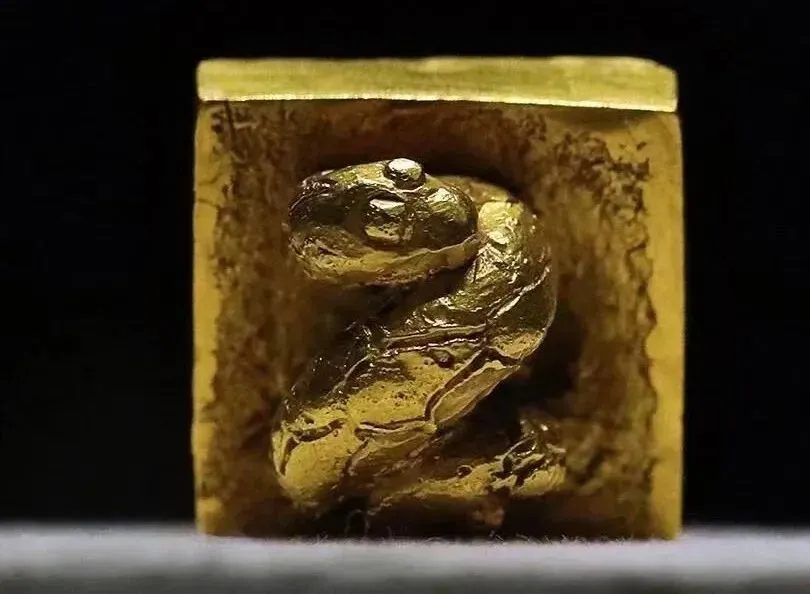
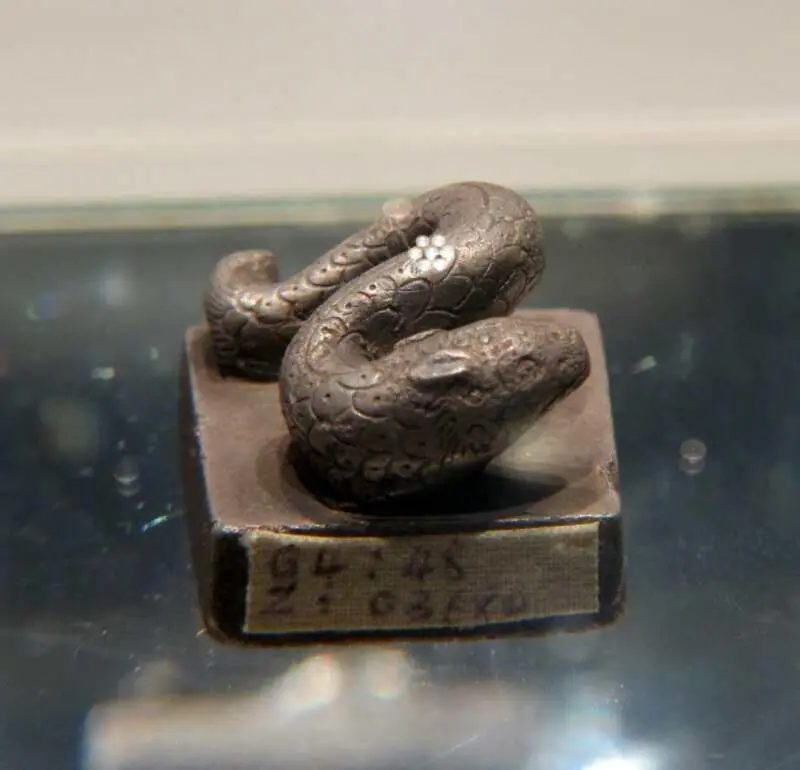
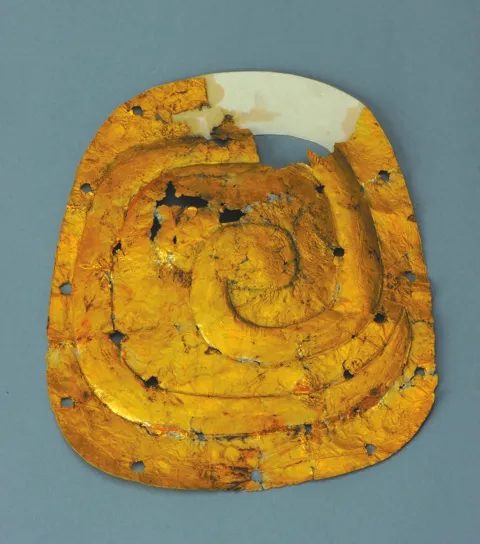
Ancient artifacts related to snakes in museums around the world offer valuable insights into the significance of snakes in human culture. They also reflect the diverse symbolic meanings attributed to snakes across different civilizations. If you have the opportunity, consider visiting these museums to explore the wisdom of ancient peoples firsthand.
各国博物馆与蛇相关的古代藏品,为大家提供了深入了解蛇及其在人类文化中的重要性,也反映了蛇在不同文化中的象征意义。如果你有机会,不妨亲自去博物馆探索这些先民的智慧。


