
Drawing classes for kids are an excellent way to nurture creativity, improve fine motor skills, and provide an enjoyable and educational experience. Whether your child is a budding artist or simply enjoys doodling, structured drawing classes can offer numerous benefits that extend beyond the art itself. This guide explores the importance of drawing classes for children, what to look for in a class, and the types of activities that best engage young learners.
Why Drawing Classes Are Important for Kids
Enhancing Fine Motor Skills
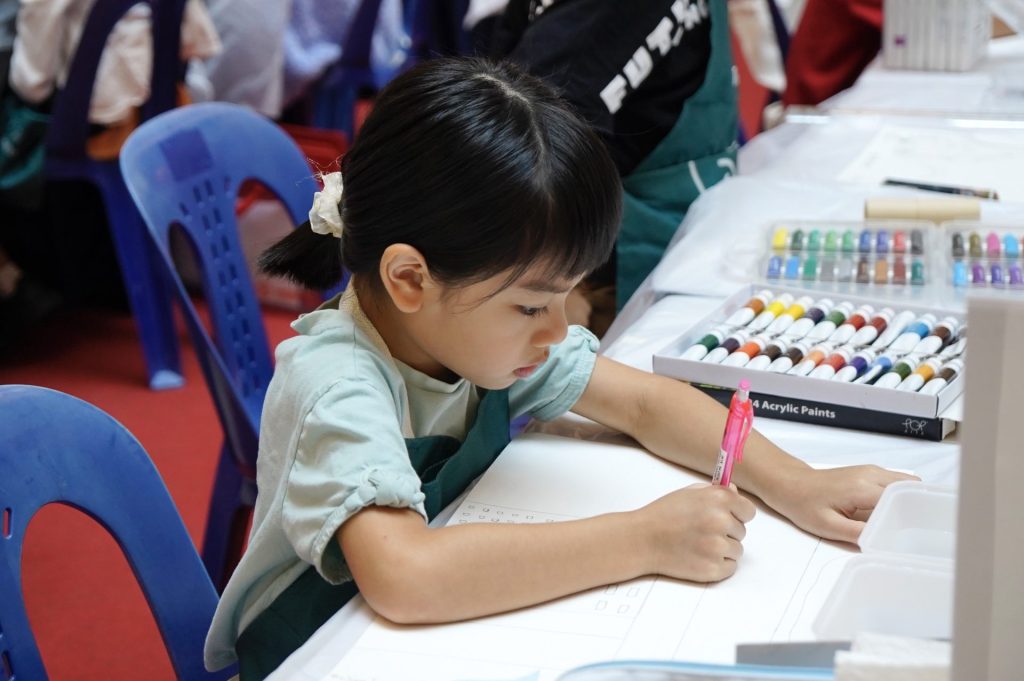
Drawing helps children develop fine motor skills by improving hand-eye coordination and control over small muscle movements. Activities such as holding pencils, crayons, and brushes strengthen these muscles, which is essential for writing and other tasks.
Fostering Creativity and Imagination
Drawing classes encourage children to think creatively and use their imaginations. This creative thinking is crucial for problem-solving and intellectual development, helping children approach challenges from different angles.
Boosting Emotional Expression
Art provides a medium for children to express their feelings and emotions. This can be particularly important for kids who might struggle to articulate their emotions verbally. Through drawing, they can convey their thoughts and experiences in a safe and constructive way.
Developing Social Skills
Participating in group drawing activities teaches children to share, take turns, and collaborate with others. These interactions are vital for developing social skills and building friendships.
Enhancing Cognitive Development
Drawing engages children’s minds, encouraging them to think, make decisions, and solve problems. This helps develop critical cognitive skills and can improve concentration and focus.
Choosing the Right Drawing Class for Your Child
When selecting a drawing class for your child, consider the following factors:
Age-Appropriate Curriculum
Ensure the class offers activities suitable for your child’s age group. Younger children may benefit from simple, fun exercises that focus on basic shapes and colors, while older children can handle more complex techniques and concepts.
Qualified and Patient Instructors
Look for instructors who have experience working with children and can create a supportive and encouraging environment. They should be patient and capable of adapting their teaching methods to meet the needs of different learners.
Safe and Stimulating Environment
The class setting should be safe, clean, and equipped with age-appropriate materials. A stimulating environment with bright colors and various textures can enhance the learning experience and keep children engaged.
Positive Atmosphere
The class should foster a positive and non-judgmental atmosphere where children feel free to express themselves and experiment without fear of criticism.
Types of Drawing Activities for Kids
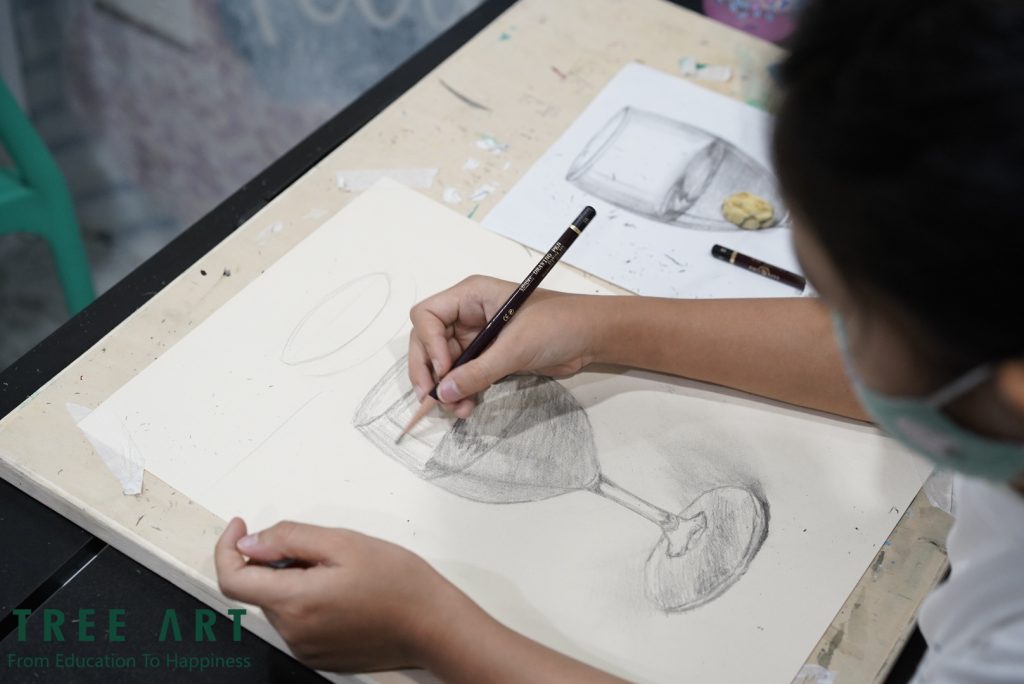
Drawing classes for kids typically include a variety of engaging activities, such as:
Basic Drawing and Coloring
Using pencils, crayons, and markers, children can learn to draw simple shapes and figures, helping them develop basic drawing skills.
Painting and Watercolors
Introducing kids to painting allows them to explore colors and textures in a different medium, broadening their artistic skills.
Collage and Mixed Media
Combining materials like paper, fabric, and natural objects, children can create tactile and visual artworks, enhancing their sensory experiences.
Themed Projects
Themed projects, such as drawing animals, landscapes, or cartoon characters, can make learning fun and relatable for children, keeping them motivated and interested.
Benefits Beyond the Classroom
The benefits of attending drawing classes extend beyond immediate artistic skills. These experiences can:
- Encourage Lifelong Learning: Positive early experiences with art can foster a lifelong love of learning and creativity.
- Build Confidence: Successfully creating art boosts self-esteem and confidence.
- Prepare for Academic Success: Skills developed through drawing, such as focus, patience, and observation, are transferable to academic settings.
Conclusion
Drawing classes for kids offer more than just a fun activity; they are a vital part of early childhood development. By providing a structured yet flexible environment, these classes help young children explore their creativity, develop essential skills, and express themselves. Whether your child is drawing simple shapes or creating elaborate artworks, the benefits of engaging in drawing are profound and long-lasting. Explore the drawing classes available for your child and watch them flourish creatively and developmentally.


