
揭秘色彩魔法:艺术大师们的色彩应用
Throughout human history, the use of color has undergone dramatic transformations. From ancient civilizations to modern society, color has not only been widely applied in painting, design, and decoration but has also driven the evolution of art itself.
在人类历史的长河中,色彩的应用经历了翻天覆地的变化。从古代文明到现代社会,色彩不仅在绘画、设计、装饰等领域中被广泛应用,还推动了艺术的发展。
As one of the core elements of artistic expression, color possesses a universal power that transcends language and culture. It not only creates visual impact but also carries the artist’s emotions, thoughts, and vision. In the world of art, every color choice and combination reflects the artist’s inner world, serving as a crucial tool for conveying messages, telling stories, and pushing the boundaries of aesthetics.
色彩,作为艺术表达的核心要素之一,拥有跨越语言和文化的强大力量。它不仅赋予作品以视觉冲击,更承载着艺术家的情感、思想与愿景。在艺术的世界里,每一种色彩的选择和搭配都是艺术家内心世界的映射,是他们传达信息、讲述故事和探索美学边界的重要手段。
Artists employ color in varied and unique ways—let’s explore the common methods and considerations behind their use of color from an artist’s perspective.
艺术家运用色彩的方式多种多样,一起透过艺术家的视角,看一看他们运用色彩的常见方法和考量吧。
Color Theory
一、色彩理论
1.1. The Color Wheel
1色轮
Artists use the color wheel to determine color relationships, such as utilizing complementary colors to enhance contrast—red and green, blue and orange, etc.—or employing analogous colors to create a harmonious and soothing atmosphere, reinforcing the unity and aesthetic appeal of a composition.
艺术家会根据色轮来选择色彩关系,比如使用互补色来增强对比,例如红色和绿色、蓝色和橙色等,或者使用类似色来营造和谐、舒缓的氛围,增强画面的统一性和视觉美感。
For example, in Pierre-Auguste Renoir’s Boating on the Seine, the complementary contrast between orange and cobalt blue produces a radiant glow. The deep blue water contrasts sharply with the orange boat, while the reflection of the buildings blends with the green foliage in the foreground and the red shadows on the boat’s bow, further enhancing the painting’s visual impact.
比如雷诺阿的《泛舟塞纳河》,橙色和钴蓝色的补色关系形成了炫目的光芒。深蓝色的水面与橙色的小船形成强烈的对比,建筑物的倒影与前景中的绿色树叶和船头的红色阴影相接,进一步增强了画面的视觉效果。
In Claude Monet’s Water Lilies series, blue and green analogous colors are frequently used, creating natural transitions that evoke a sense of tranquility and serenity.
莫奈的《睡莲》系列中,多运用蓝、绿等邻近色,色彩过渡自然,展现出宁静、平和的情感。
1.2. Color Tone
2色调
By adjusting brightness, saturation, and hue, artists can create varied atmospheres and emotional effects.
通过调整色彩的明度、饱和度和色调,艺术家可以创造出不同的氛围和情感效果。In Claude Monet’s Rouen Cathedral series, each painting focuses on the facade of Rouen Cathedral, capturing its shifting details under different lighting conditions and seasons. From sunny days to misty rain, from dawn to dusk, Monet explores the dynamic interplay of light and shadow, offering a profound, multi-perspective visual study of the same subject.
莫奈的《鲁昂大教堂》系列作品中,每幅画作聚焦于鲁昂大教堂的正面,莫奈通过在不同时间和不同季节捕捉教堂的立面,展现了建筑细节在变化光影中的丰富表情。从阳光明媚到阴雨蒙蒙,从清晨到黄昏,这些画作形成了对同一主题的深刻多角度的视觉探讨。
1.3. Color Contrast
3色彩对比
Contrasting colors enhance visual impact, such as warm vs. cool tones or light vs. dark contrasts.
对比色可以增强视觉效果,如冷暖对比、明暗对比等。
This can be seen in Henri Matisse’s works, which emphasize intuitive and emotional color expression. His still lifes and landscapes use highly saturated colors and warm-cool contrasts to evoke different psychological responses.
正如马蒂斯的作品常常表现出对色彩的直观性和情感表达。他的作品如静物和风景画,通过高纯度的色彩和冷暖对比,传达出不同的心理感受。
Artistic Movements and Color Usage
二、艺术流派与色彩运用
2.1. Impressionism
2.1. 印象派
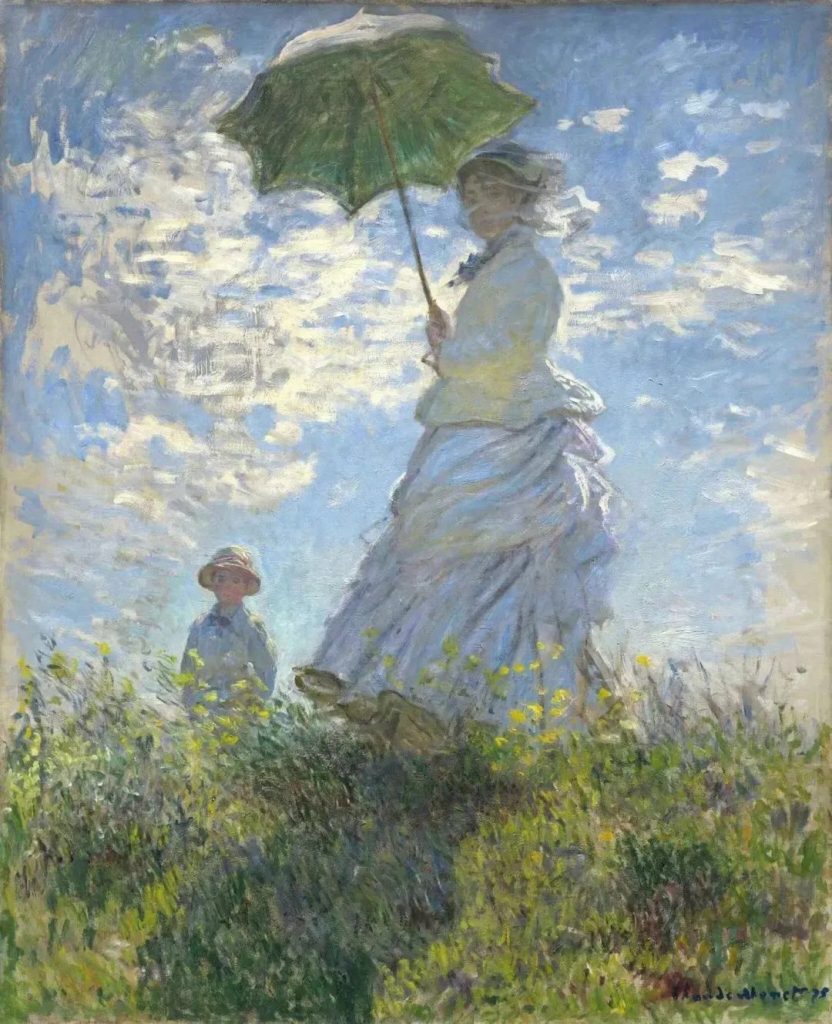
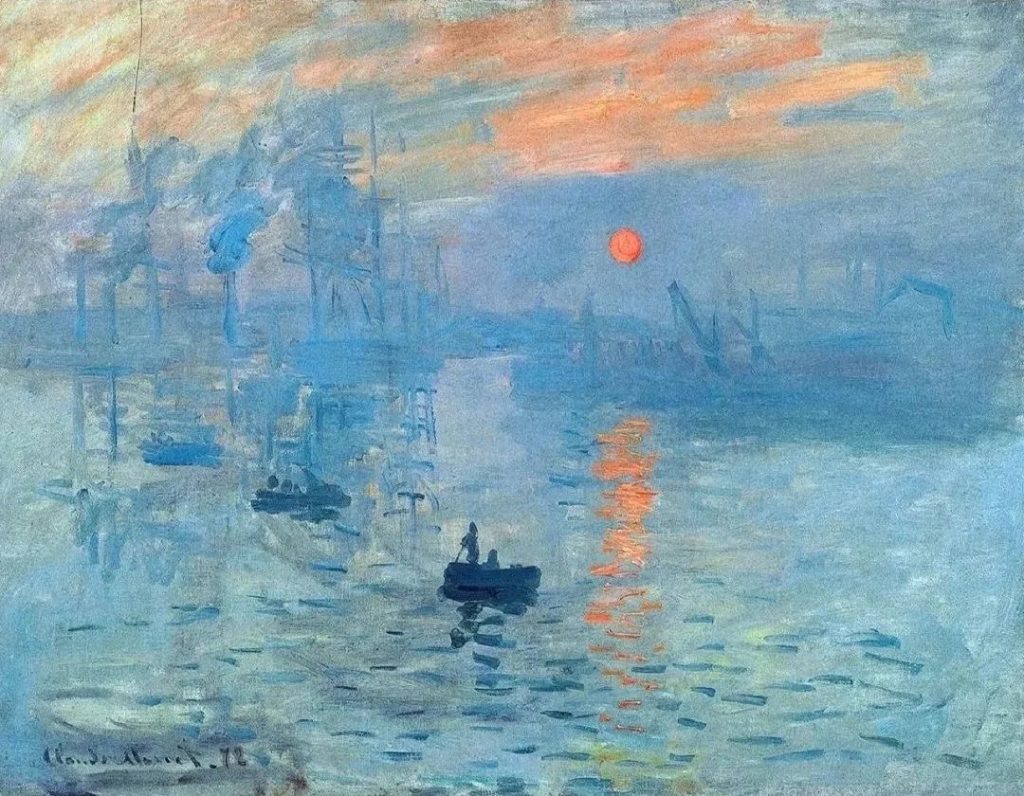
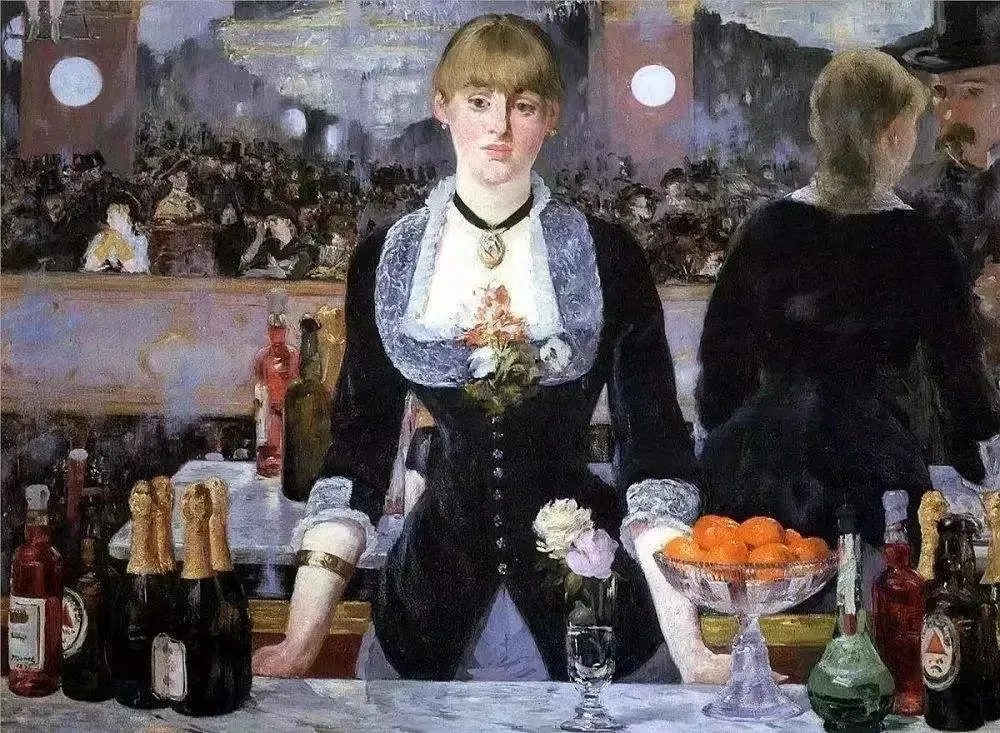
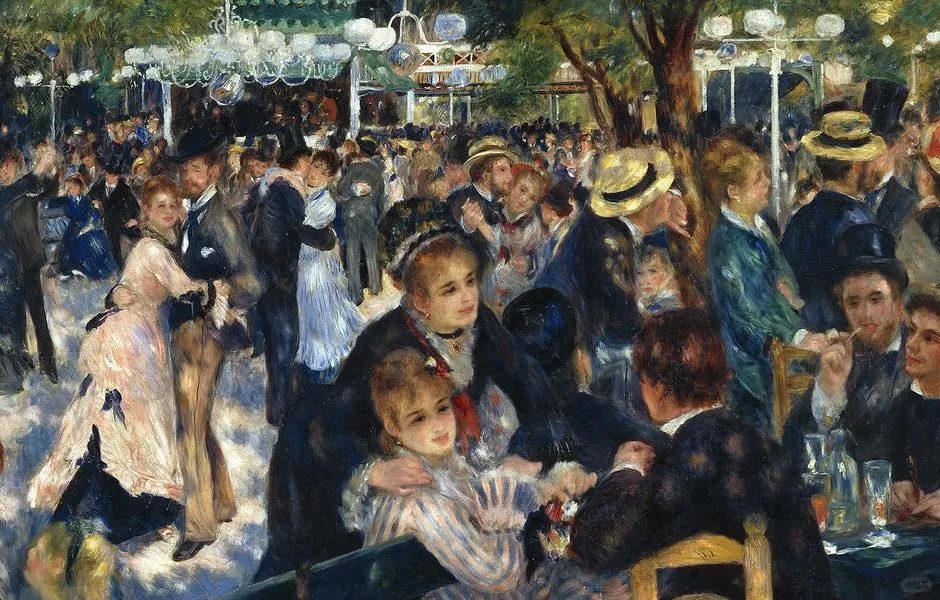
Impressionist artists focused on light and its changing effects. They often painted outdoors (en plein air) and used short, bright brushstrokes to capture the fleeting impressions of natural light.
印象派艺术家注重光影变化,他们通常在户外作画,使用短小且明亮的色彩笔触来捕捉自然光线下的瞬间印象。
2.2. Expressionism
2.2 表现主义
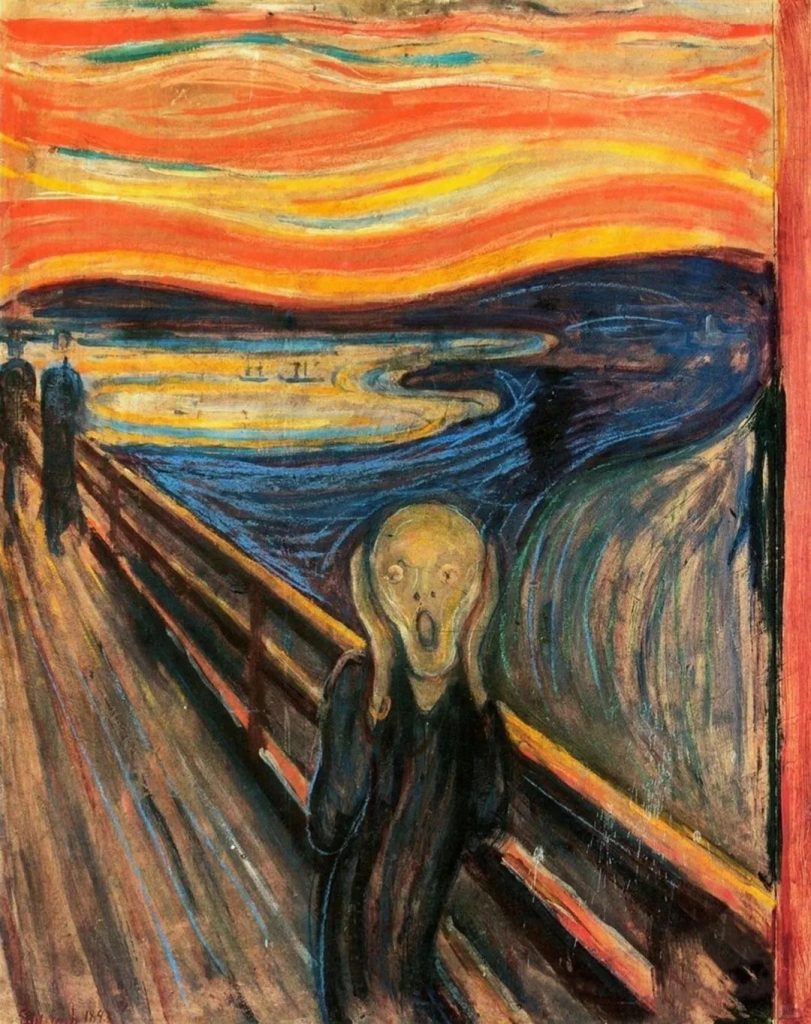
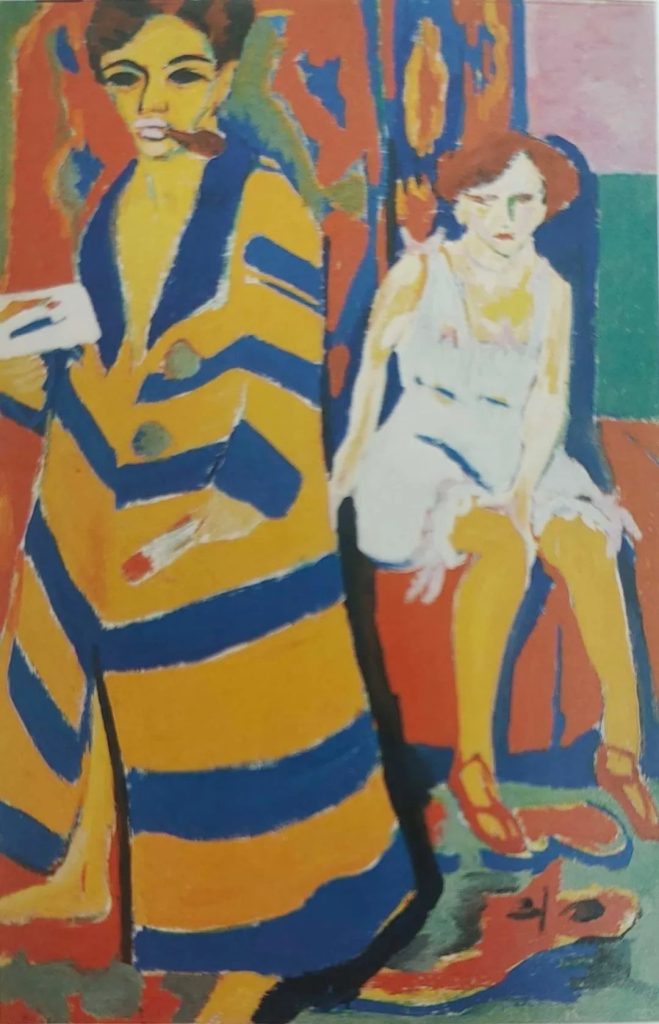
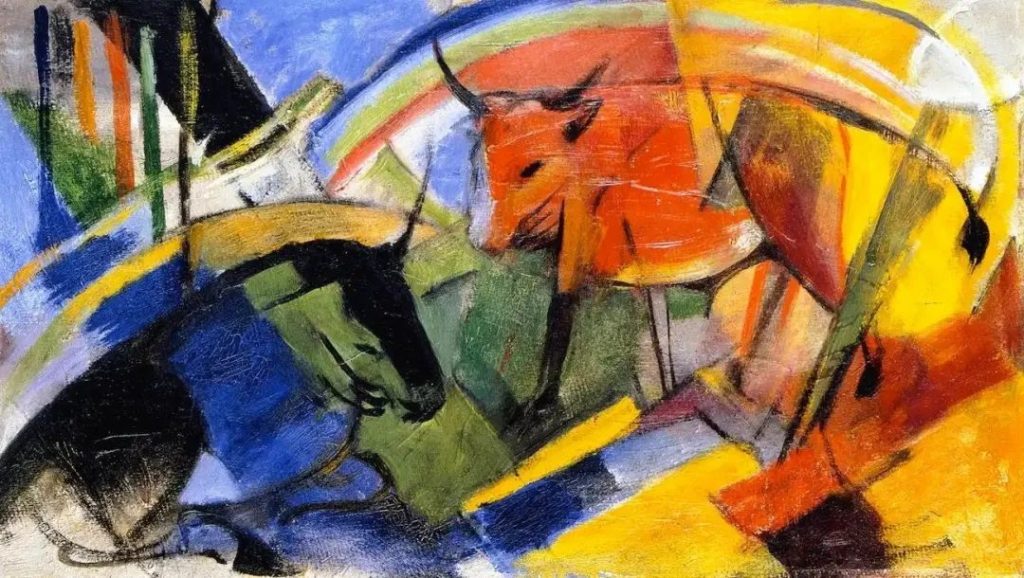
Expressionist artists favored exaggerated and distorted colors to convey deep emotions and thoughts. Their use of color was often symbolic and highly expressive, intensifying the psychological impact of their works.
表现主义艺术家倾向于使用夸张和变形的色彩来传达内心的情感和思想,色彩往往具有象征性和表现力。
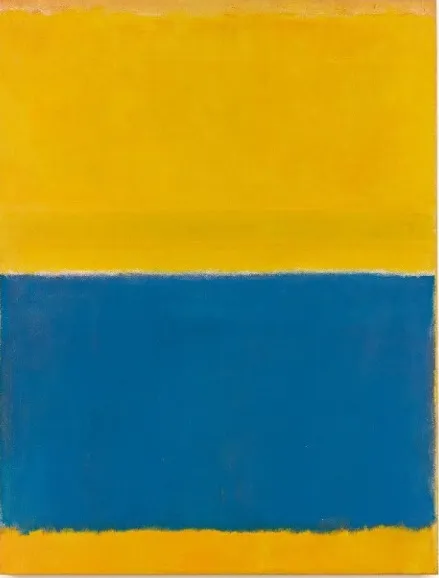
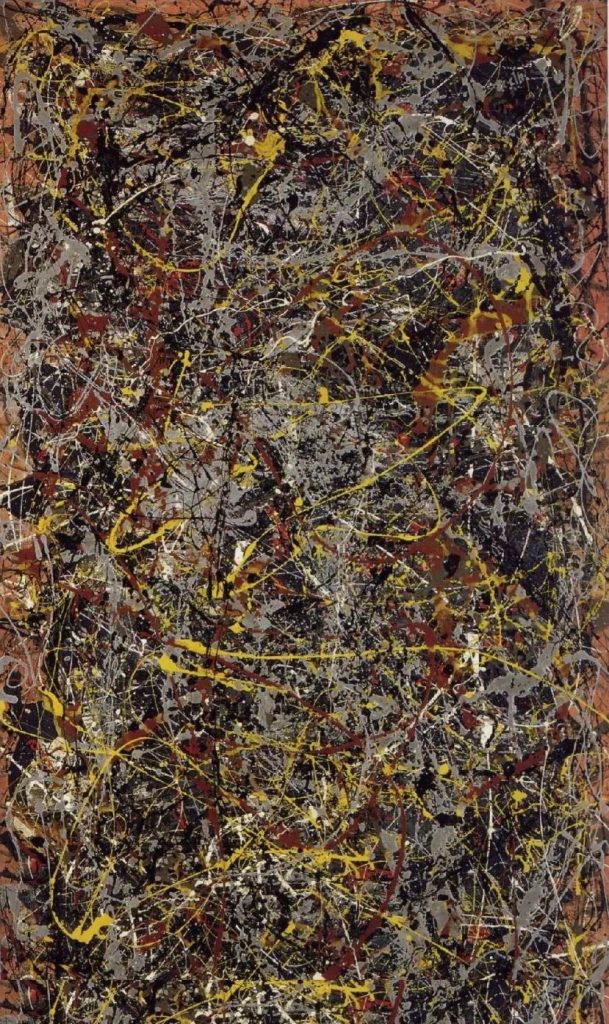
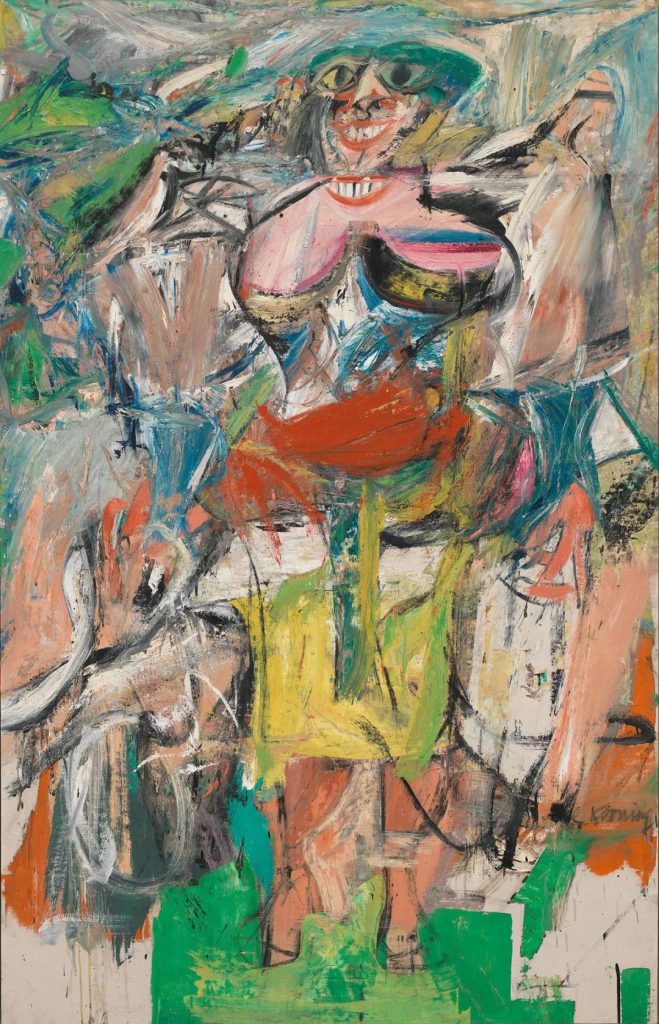
2.3. Abstract Expressionism
3抽象表现主义
In abstract art, color is often liberated from representational constraints, functioning as an independent element for exploration and expression rather than depicting tangible objects.
在抽象艺术中,色彩常常脱离具象物体的束缚,更多地作为独立元素来探索和表达。
Artistic Techniques and Materials
三、艺术技巧与材料
3.1. Layering Technique
3.1. 层叠法
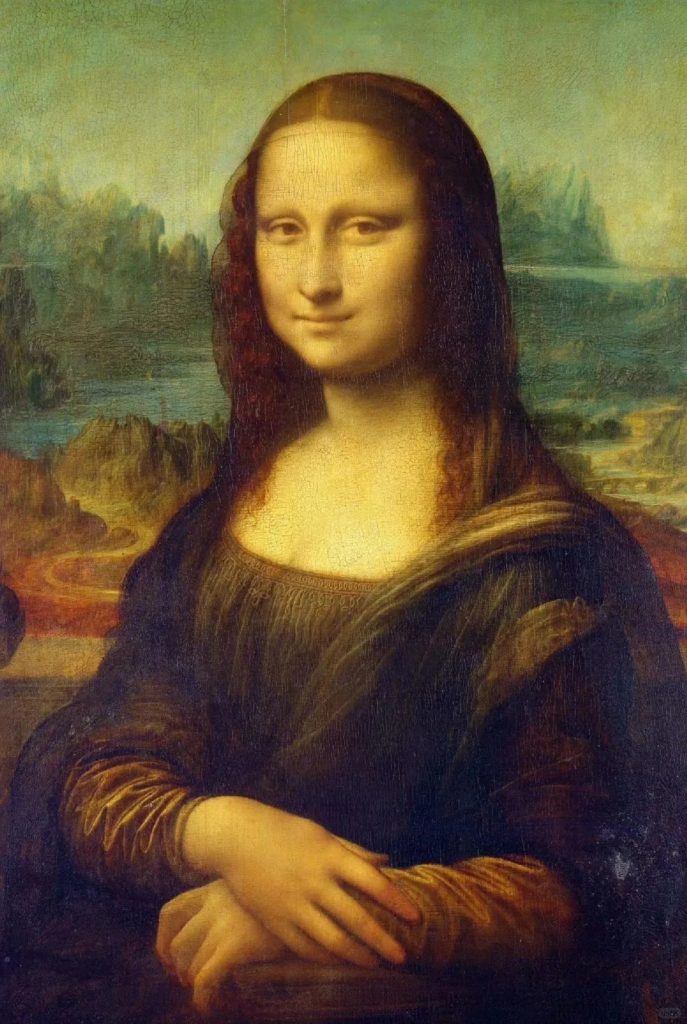
By layering different colors, artists can create depth and texture, a technique commonly used in oil painting.
通过层叠不同的色彩,艺术家可以创造出深度和质感,这也是油画中常见的技法。In Leonardo da Vinci’s Mona Lisa, multi-layered color application enhances the painting’s visual richness. The shadowed areas are built up with thin glazes, while the midtones and highlights are formed through thicker, layered paint, creating strong contrasts and giving the work a unique textural quality.
达芬奇的《蒙娜丽莎》通过色彩的多层次构建来深化画面。暗部区域采用轻薄涂层,而中间色阶与高光部分则通过层层叠加的厚重色彩来表现,这种技法创造了鲜明的色块对比,同时赋予了作品独特的肌理效果。
3.2. Blending Technique
3.2. 混色法
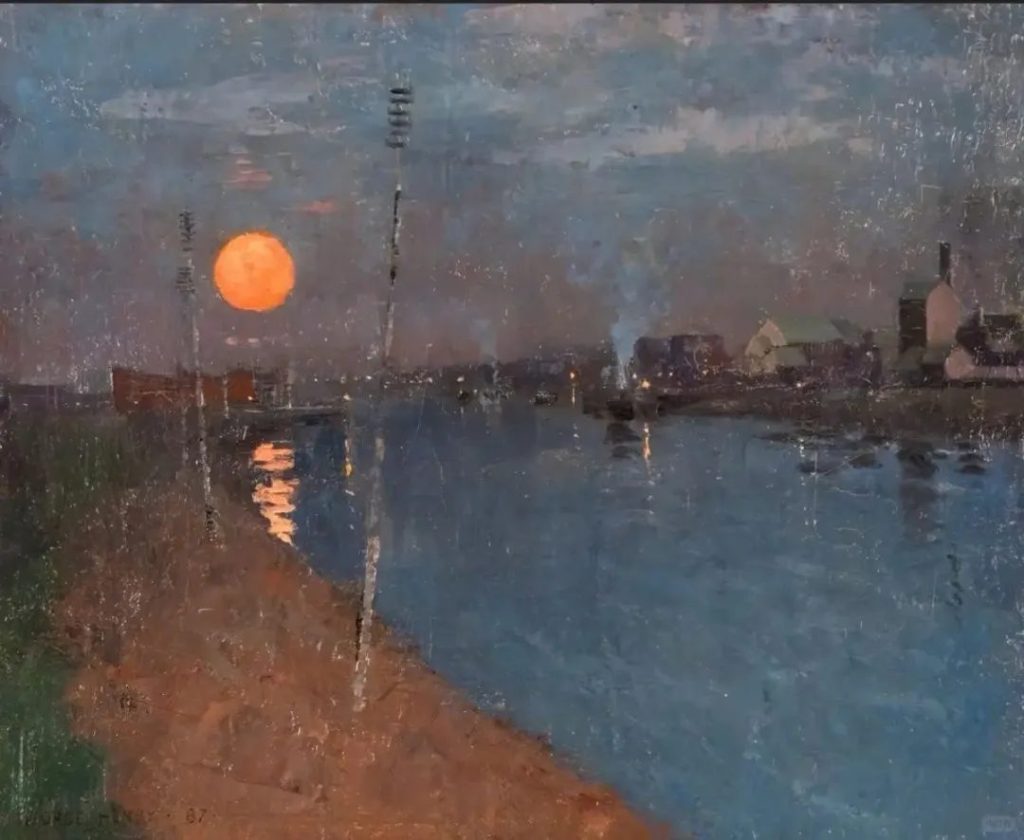
Artists mix colors either on the palette or directly on the canvas to achieve subtle and rich intermediate tones.
艺术家会在调色板上混合色彩,或者直接在画布上混合,创造出丰富的中间色调。
3.3. Choice of Materials
3.3. 材料选择
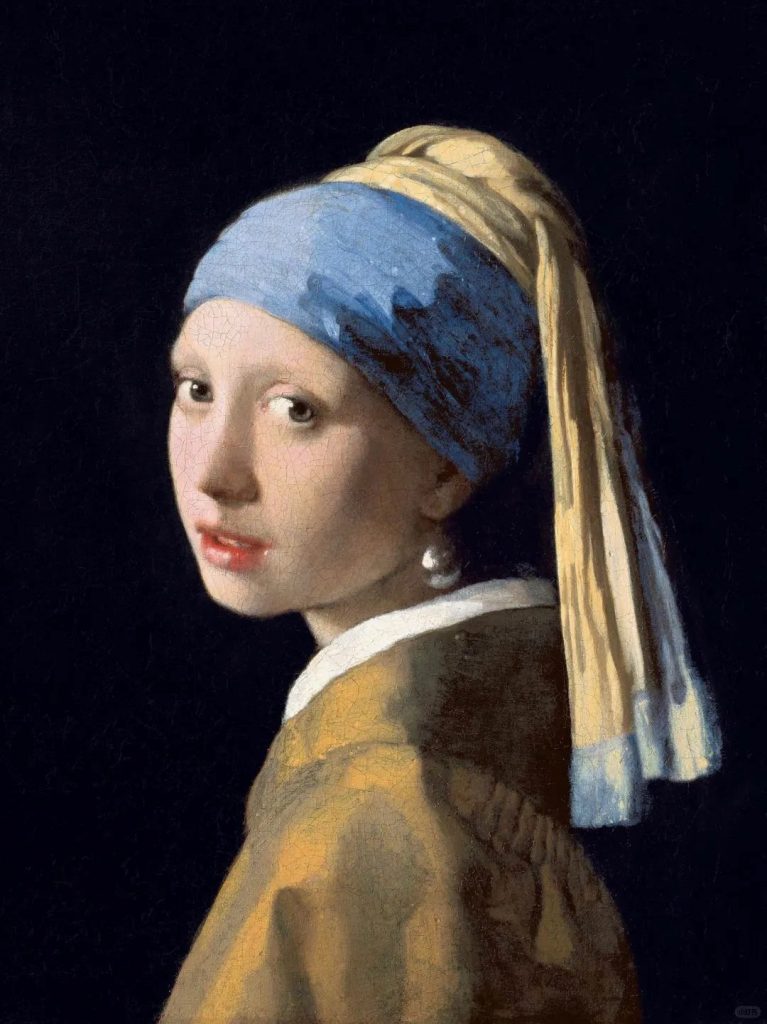
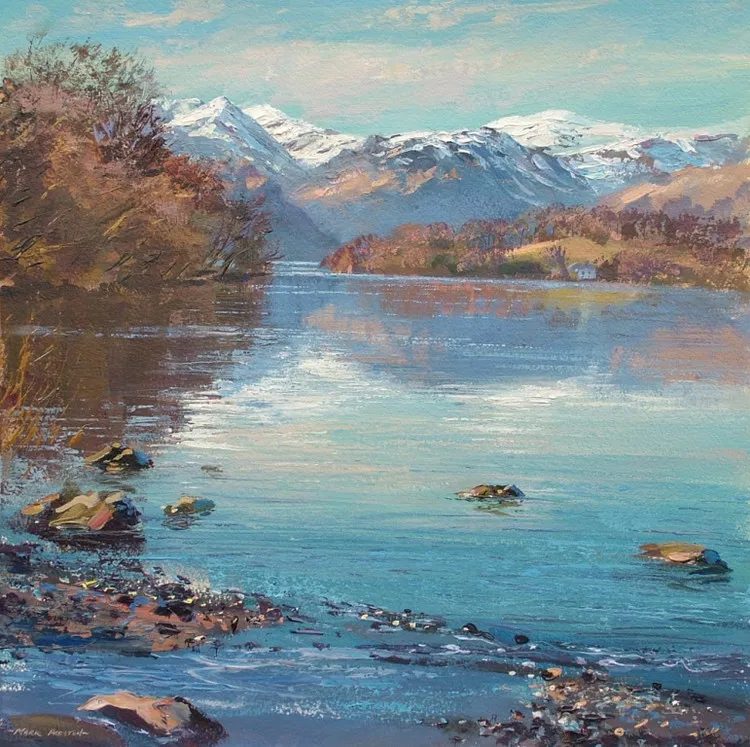
Different painting materials—such as oil paint, watercolor, and acrylic—offer varying color effects. Artists select materials based on their desired artistic expression and technical needs.
不同的绘画材料(如油画、水彩、丙烯)具有不同的色彩表现力,艺术家会根据需要选择合适的材料。
Emotion and Symbolism
四、情感与象征
4.1. Emotional Expression
4.1. 情感表达
Artists use color to convey specific emotions—warm colors are often associated with joy and energy, while cool tonescan evoke calmness or melancholy.
艺术家通过色彩来表达特定的情感,如温暖的颜色通常与欢乐和活力相关联,而冷色调则可能与平静或忧郁相关。
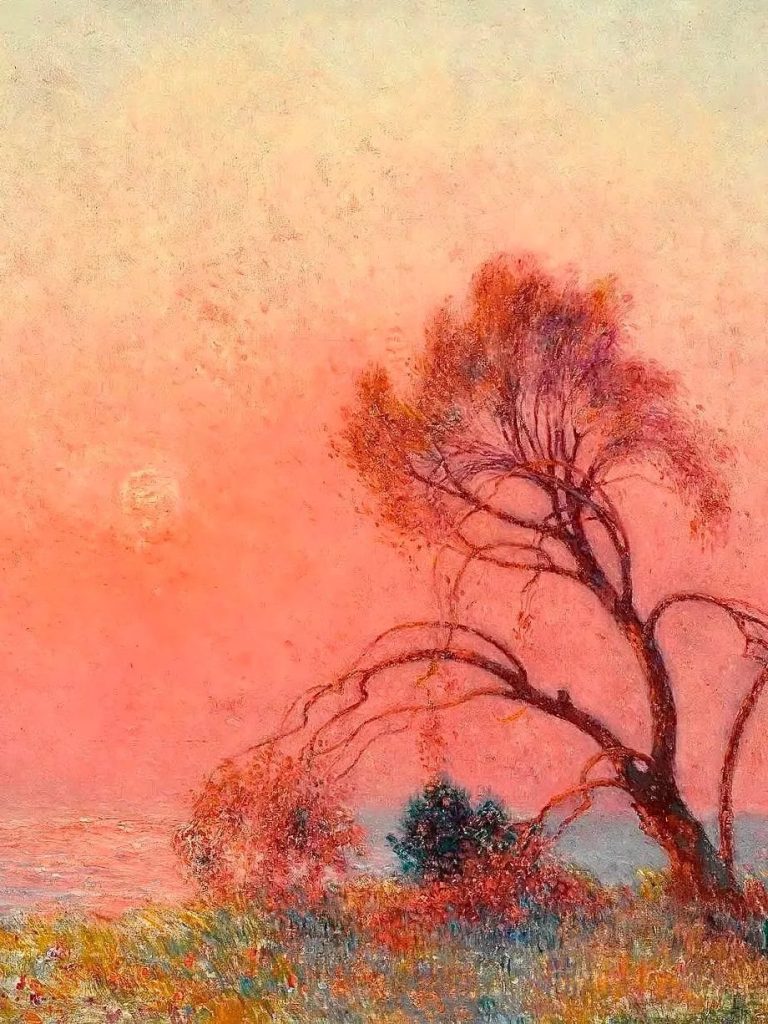
Ferdinand du Puigaudeau’s paintings capture the romance and vitality of nature, known for their dreamlike colors and delicate brushwork. His works immortalize the beauty of nature, drawing viewers into an almost immersive world.
费迪南德·杜普伊加多的画作展示了大自然的浪漫与生命力,以其浪漫的色彩和细腻的笔触著称,他用画笔捕捉了大自然的美丽瞬间,让人仿佛置身于画中的世界。
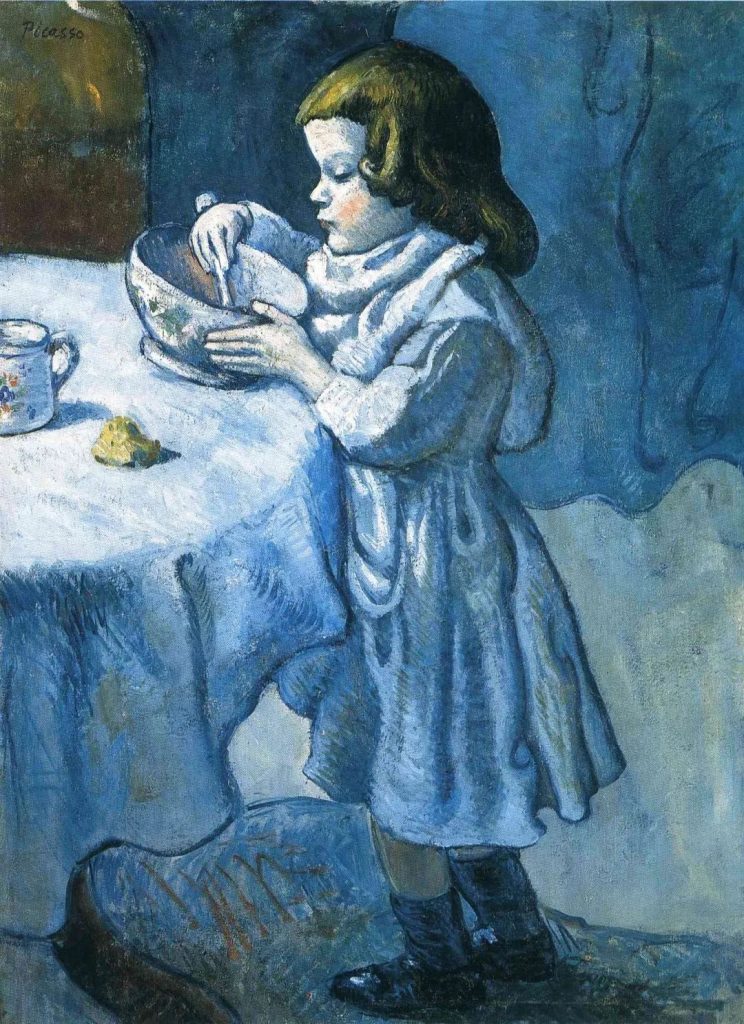
In the early 20th century, after settling in Paris, Pablo Picasso endured years of hardship—he lacked a stable studio, artistic recognition, or financial security. Overwhelmed by personal struggles, he began his Blue Period, characterized by cold tones, melancholic blues, dark grays, and sickly greens. Through these somber hues, Picasso expressed his inner pain and desolation, reflecting his depressed emotional state at the time.
毕加索20世纪初在巴黎定居,经历了几年的困苦,没有固定的工作室,也没有什么艺术成就,生活的危机困扰着他。他开始了一系列蓝色的绘画,每幅都以冷色调为特征,忧郁的蓝色、暗灰色和病态的绿色。他用蓝色来表达痛苦和凄凉,回应了他当时忧郁的心情。
4.2. Symbolic Meaning
4.2. 象征意义
In different cultural and artistic traditions, colors often carry specific symbolic meanings. For example, in Chinese culture, red is traditionally associated with celebration and good fortune.
在不同的文化和艺术传统中,色彩常常具有特定的象征意义,如红色在中国文化中通常代表喜庆和好运。
Personal Style
五、个人风格
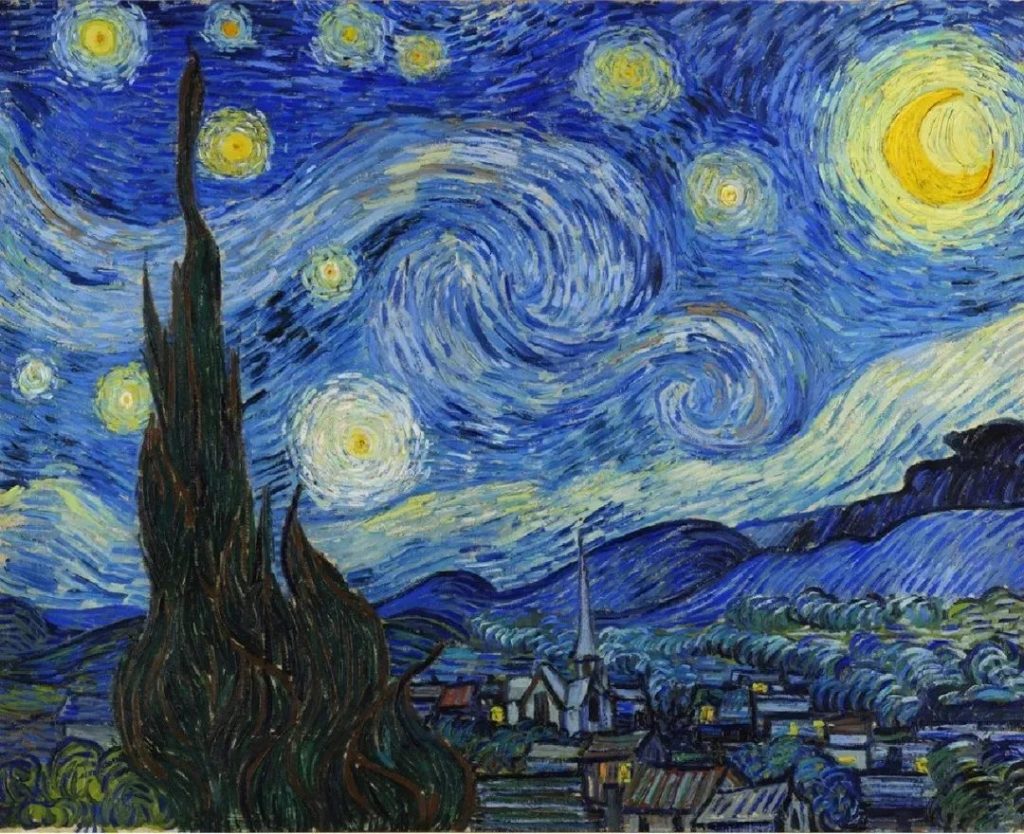
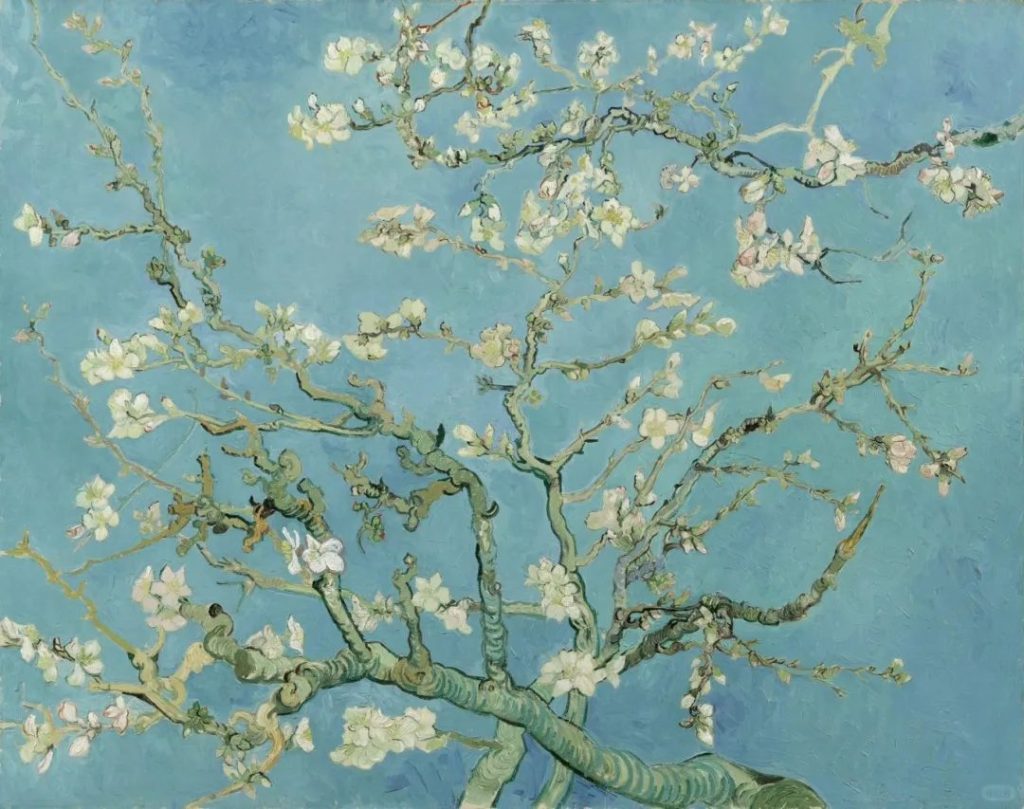
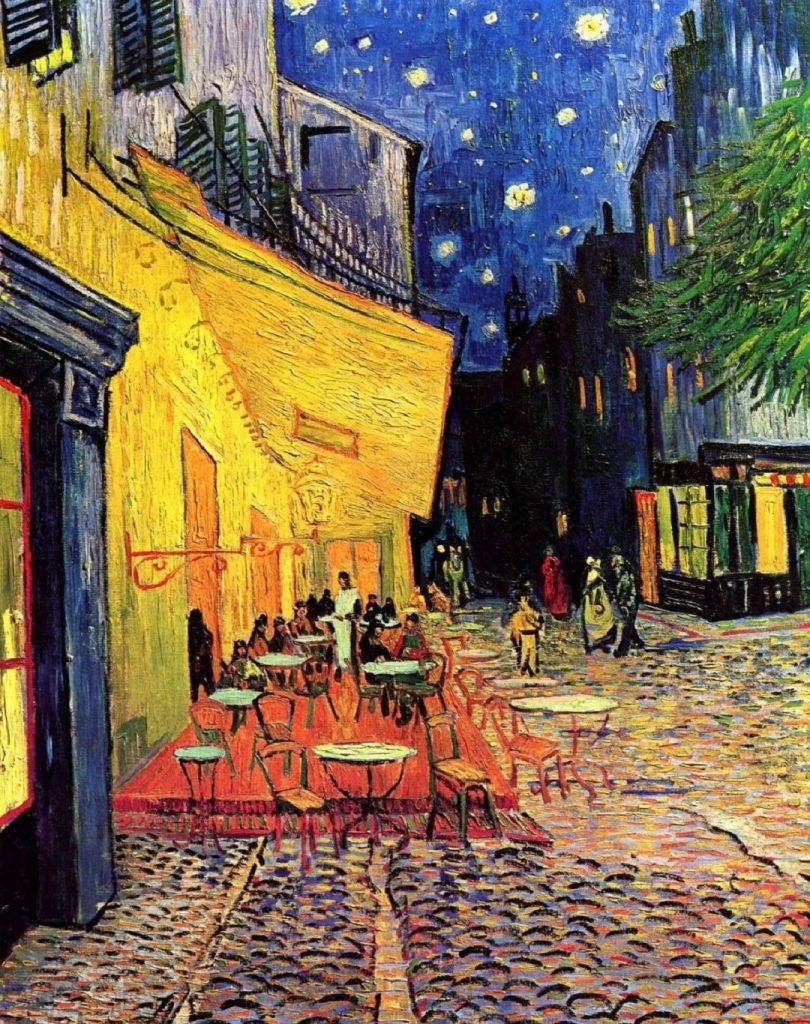
Every artist has a unique approach to color, which becomes an integral part of their personal style. For instance, Vincent van Gogh favored vibrant yellows and blues, while Claude Monet was renowned for his ability to capture the changing interplay of light and shadow.
每位艺术家都有自己独特的色彩运用方式,这成为他们个人风格的一部分。例如,梵高喜爱使用明亮的黄色和蓝色,而莫奈则擅长捕捉光与影的变化。
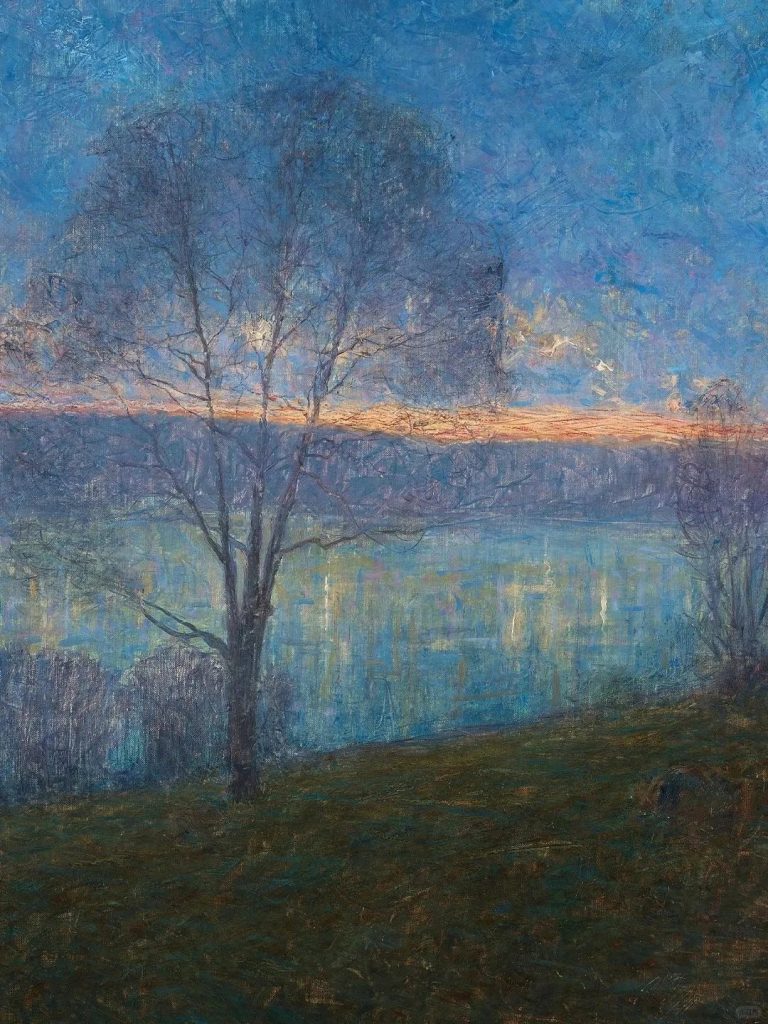
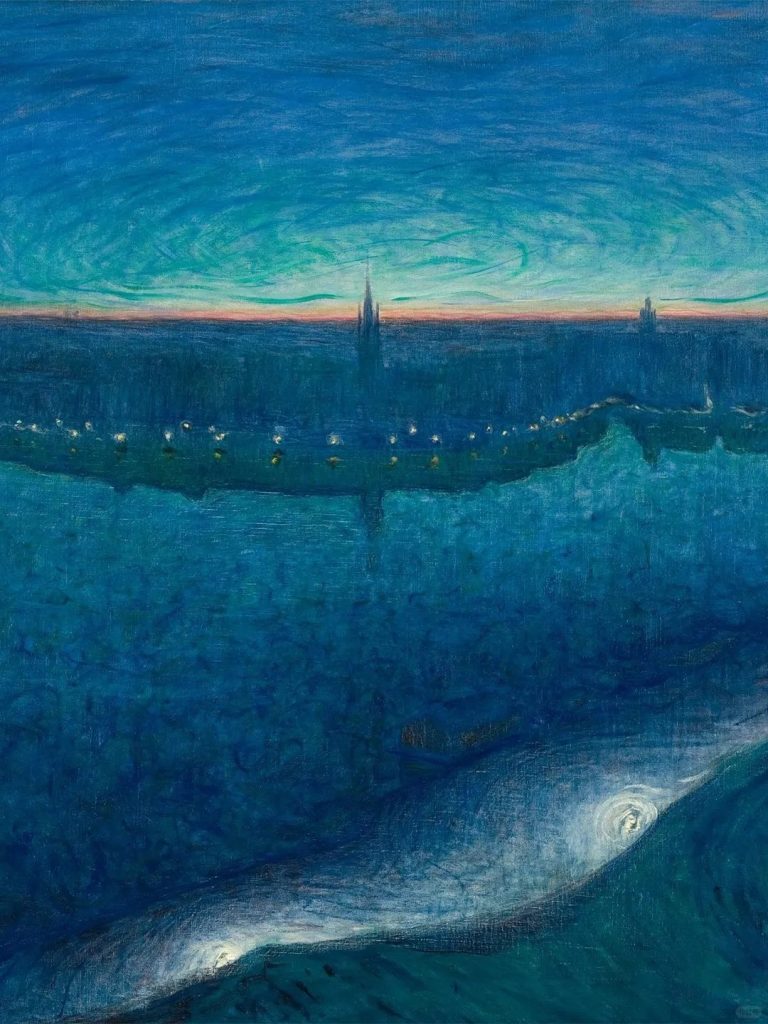
Swedish artist Eugène Jansson used blue tones to construct a world that is both mysterious and profound. He became internationally recognized not only for his distinctive use of blue hues but also for his masterful treatment of light and color, securing his place in art history with his signature artistic vision.
瑞典艺术家尤金·詹森,他用蓝色构建了一个既神秘又深邃的艺术世界。他不仅以其独特的蓝色调作品闻名于世,更因其对光线与色彩的独特处理方式,在艺术史上留下了浓墨重彩的一笔。
The way artists use color is a complex and deeply significant aspect of artistic creation. It not only reflects their personal style and emotional expression but also reveals the cultural and historical understanding of color across different periods. Artists use color as a powerful tool for conveying thoughts and emotions, producing countless awe-inspiring masterpieces.
艺术家运用色彩的方式是艺术创作中一个复杂且深刻的话题,不仅反映了他们的个人风格和情感表达,也体现了不同文化和历史时期对色彩的理解。他们将色彩作为表达思想和情感的重要工具,创作出了无数令人赞叹的艺术作品。


