
Does your child’s creativity seem locked in simple doodles?
What if children’s art classes could transform their artistic expression into breathtaking masterpieces through skilful guidance?
Imagine the thrill of watching young artists grow in confidence, as they explore vivid colours and techniques—each session nurturing their ability to translate imagination into sophisticated art, paving the path for lifelong creative enrichment.
Unlock their potential today.
\ Early Stages of Drawing
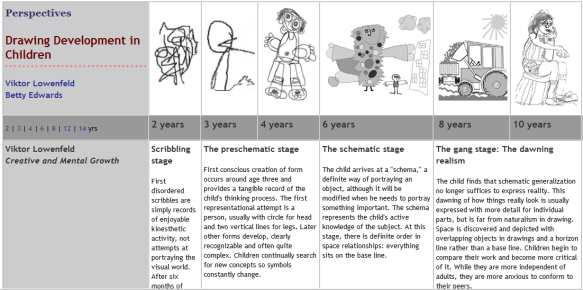
At the early stages of drawing, children’s imaginations burst forth with enthusiasm and unfiltered creativity. This foundational phase is where their artistic journey begins.
In 2016, renowned psychologist, Anya Peterson, highlighted how scribbles provide a window into a child’s creative development, enabling educators to tap into the vibrant minds of young learners.
The beauty lies not in the perfect lines but in the expression of a child’s perception of the world. Children’s art classes finely tune these initial sketches into more structured, colourful representations of their imagination.
Thus, as adults, we must nurture these budding talents with patience and encouragement, focusing on the joy of exploration that the early stages offer. A supportive environment is where creativity truly flourishes, and every scribble transforms into meaningful art.
Investing time in this fundamental stage creates a solid artistic foundation.
Encouraging Creativity in Young Artists’
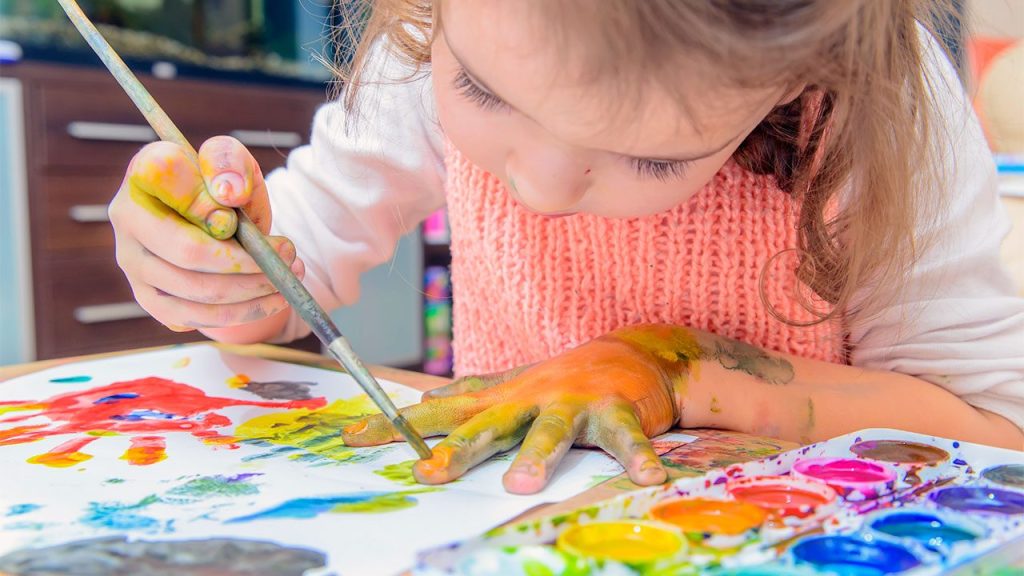
Encouraging creativity in young artists is crucial to their holistic development, unlocking a world of endless possibilities and fostering self-confidence. Through children art classes, creativity is nurtured with care.
Art classes captivate young minds by exploring various artistic techniques, expanding their creative horizons.
Notably, these classes facilitate interactive environments, where collaboration and feedback spurs peer learning.
Furthermore, exposure to diverse art forms ignites curiosity and broadens artistic understanding, paving the way for innovative expression.
Teachers play a pivotal role in fostering a supportive atmosphere that stimulates artistic experimentation, empowering young artists to develop their unique style and voice.
Ultimately, the goal is to ignite the children’s spark of artistic imagination. Educators harness this passion, guiding students towards realising their full creative potential.
Introduction to Basic Shapes
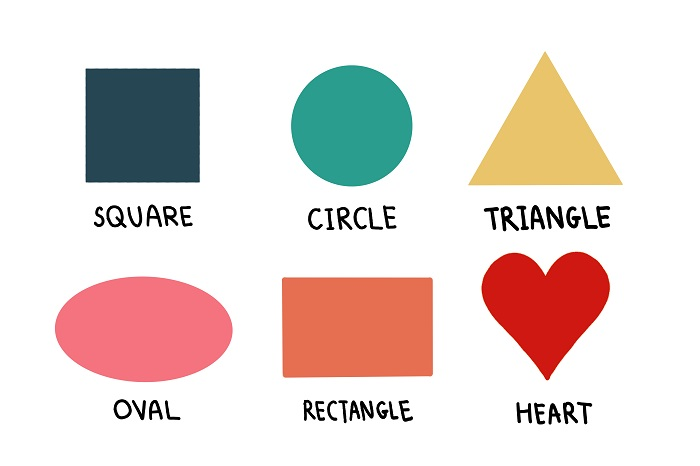
Every masterpiece begins with simple strokes.
In children art classes, learning the fundamentals of basic shapes acts as the cornerstone for budding artists. These foundational forms equip young learners with the tools necessary to interpret and recreate the world around them. Squares, circles, and triangles become the building blocks of creativity, leading to imaginative compositions.
Basic shapes offer a universal language.
These shapes provide children with a canvas to experiment – to see the world from different perspectives and to build the essential skills needed as they progress. By mastering these, children gain confidence and start seeing art in everything around them.
In 2023, integrating technology with traditional teaching methods in art education has shown promising results. Teachers utilise digital tools to inspire students, transforming basic shapes into compelling narratives. Such advancements ensure that today’s children are well-prepared to become tomorrow’s innovative artists.
Developing Fine Motor Skills
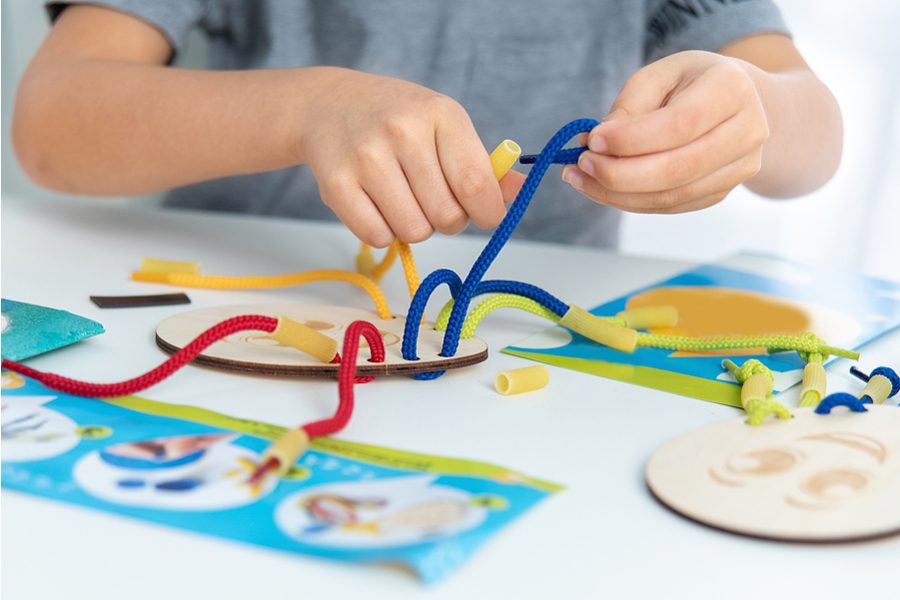
Children art classes play a pivotal role in cultivating fine motor skills through various artistic activities. Pencil grips and brush strokes help enhance muscle control.
As children engage in these artistic endeavours, they begin honing their dexterity. This dexterity fosters precision in their craft.
Parents and educators witness the profound transformation as these skills mature, observing a marked improvement in children’s coordination, rendering their artistic expressions more fluid and nuanced. The seemingly simple act of drawing lines or circles becomes an exercise in control and confidence, revealing the latent potential within each child.
By nurturing these fine motor skills through engaging and thoughtfully structured children art classes, educators empower students with the dexterity and confidence necessary for diverse future pursuits, be it in art or life. Art becomes not just a medium of expression but a foundational pillar for overall skill development. As children master these skills, they are motivated to explore their limitless possibilities.
Understanding Colour Theory
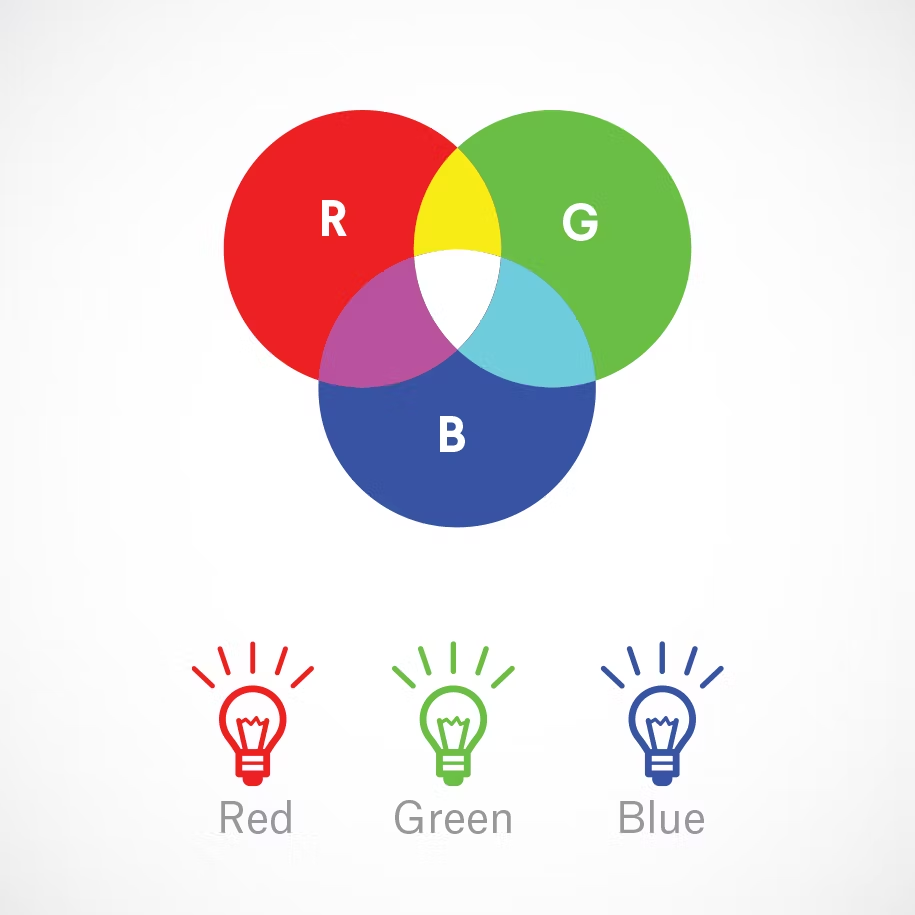
Colour theory serves as a vibrant cornerstone, unlocking the untapped potential within young artists and transforming their creative visions into vivid realities.
In children art classes, understanding colour theory is a fundamental step towards developing artistic acumen. Educators introduce young minds to the enchanting world of primary, secondary, and tertiary colours, guiding them through the mesmerising interplay of hues. By gaining insights into how colours interact and evoke emotions, young artists begin their journey towards mastery, empowering them to make intentional choices that reflect their unique visions.
Remarkably, colour theory becomes a universal language transcending cultural boundaries. As children explore various palettes, they develop an innate understanding of how certain colours harmonise while others contrast, allowing more sophisticated and intuitive artistic expressions to flourish.
The incorporation of colour theory in children art classes ignites a passion for discovery that fuels creativity. As children learn the art of mixing colours, they realise the infinite possibilities at their fingertips, fostering an environment where innovation thrives. This foundational knowledge encourages them to paint their worlds boldly and fearlessly, translating their dreams and emotions into masterpieces that resonate with their souls and inspire others.
Exploring Different Art Materials
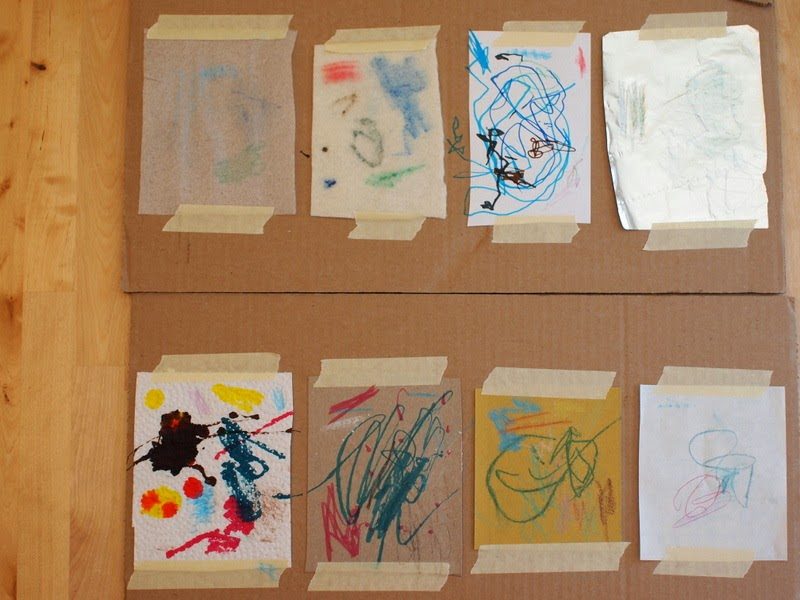
Children art classes offer a rich playground where young creatives can explore the multitude of art materials available.
In 2016, an astounding local study highlighted that children exposed to diverse art media displayed marked improvement in their creative thinking and problem-solving skills. This revelation underscored the profound impact of engaging with varied materials.
Whether it’s the smooth glide of oil pastels or the rustic texture of charcoal, each medium’s unique properties unveil a new world of artistic possibilities and inspiration.
Moreover, the exploration of different art materials encourages children to push boundaries, sparking transformation as they move from simple sketches to sophisticated art forms that blend traditional techniques with innovative expression.
Inspiration thrives when children have the freedom to experiment, unlocking uncharted creative pathways.
Boosting Confidence Through Art
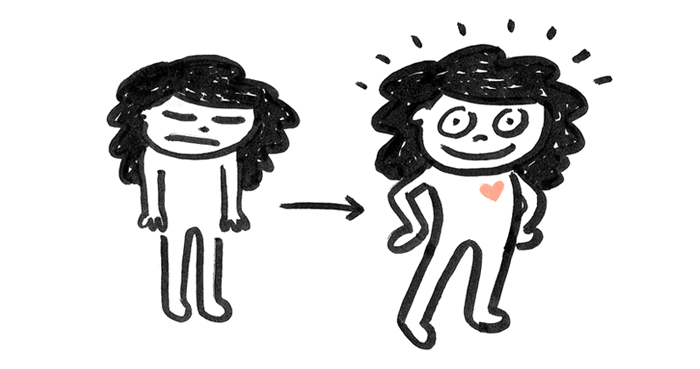
Art builds self-esteem and nurtures creativity.
Participating in children art classes fosters a positive self-image. These classes provide a safe haven for young minds to explore their artistic talents, free from the constraints of right or wrong. Encouragement, coupled with the joy of creating, heightens their excitement for personal expression through their artistic journey.
Every little success nurtures burgeoning confidence.
As children translate their ideas into visuals – no matter how abstract or detailed – they witness tangible manifestations of an inner world, thereby strengthening self-assurance and bolstering resolve to refine their skills.
These newfound capabilities translate into enhanced cognitive abilities, contributing to holistic development. Children become more resilient, acknowledging that growth is a continuous journey marked by perseverance and a positive attitude. These vital lessons in self-confidence through art resonate well beyond 2023, equipping them with lifelong skills.
Transitioning to Advanced Techniques
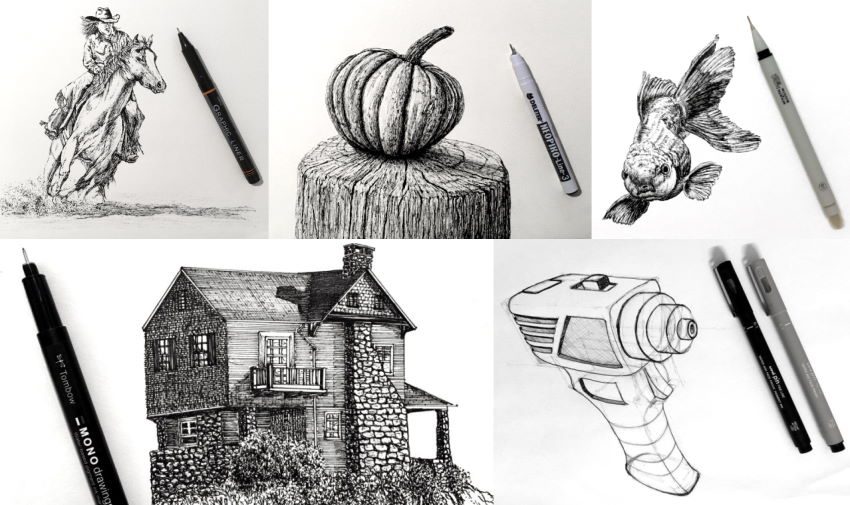
Once a strong foundation is established, children art classes aim to push boundaries and explore new dimensions of creativity.
At this stage, these burgeoning artists are introduced to a broader spectrum of sophisticated methods and tools, pushing their understanding and execution to new heights. Techniques such as chiaroscuro, perspective drawing, and mixed media applications become integral parts of their creative repertoire. Engaging with these advanced methods, children not only refine their skills but also discover unique ways to express their individual visions.
Moreover, this phase is essential for cultivating a deepened appreciation of art history and theory. By analysing the works of renowned artists, young creators begin to see where their efforts fit into a larger tapestry of artistic expression. This awareness fosters a seamless transition from learning techniques to innovating them, paving the way for original contributions to the art landscape.
In essence, children’s engagement in art classes that offer advanced technique training equips them with the competence and confidence needed to challenge themselves artistically. As their proficiency grows, so does their ability to convey complex emotions and ideas. Through this transformative journey, they emerge not just as skilled artists, but as visionaries ready to leave a mark on the world of art.
The Importance of Art Critique
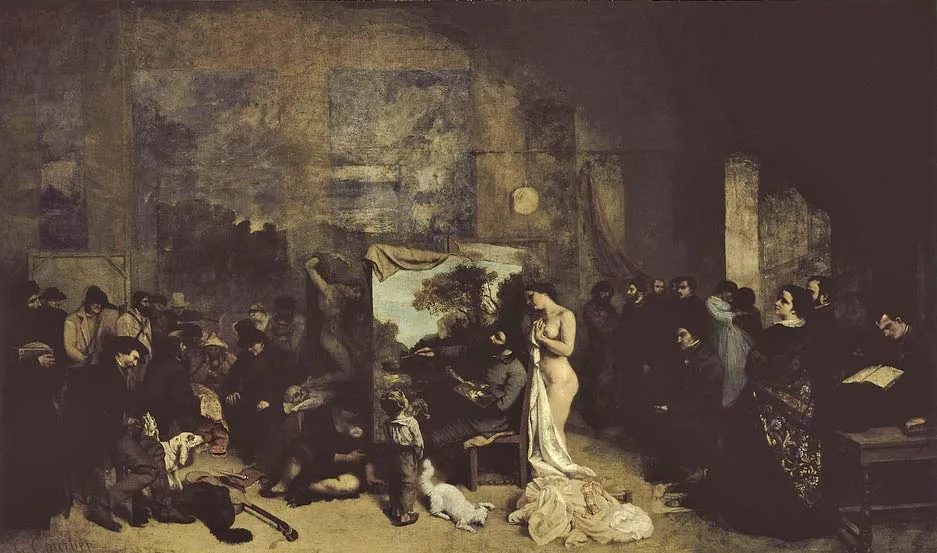
Art critique plays a vital role in artistic development.
As children progress through various stages in art classes, the supportive environment of critique becomes invaluable. This process allows them to understand the nuanced perspectives of diverse audiences, helping to refine their creativity. Moreover, exposure to this art critique encourages self-reflection, shaping the next generation of critical thinkers.
The value of feedback and iteration cannot be overstated.
Through thoughtful critique, young artists learn to assess strengths and identify areas for growth. These discussions provide a launching pad for innovative ideas and enhance problem-solving skills.
Additionally, teachers guiding children art classes in 2023 will have the invaluable opportunity to nurture a culture of constructive criticism. Such a culture bolsters the confidence of budding artists, empowering them to take bold strides towards originality and excellence. Embracing critique fosters resilience and adaptability, crucial traits as they journey from doodles to masterpieces, realising their full potential.
Harnessing Imagination in Art
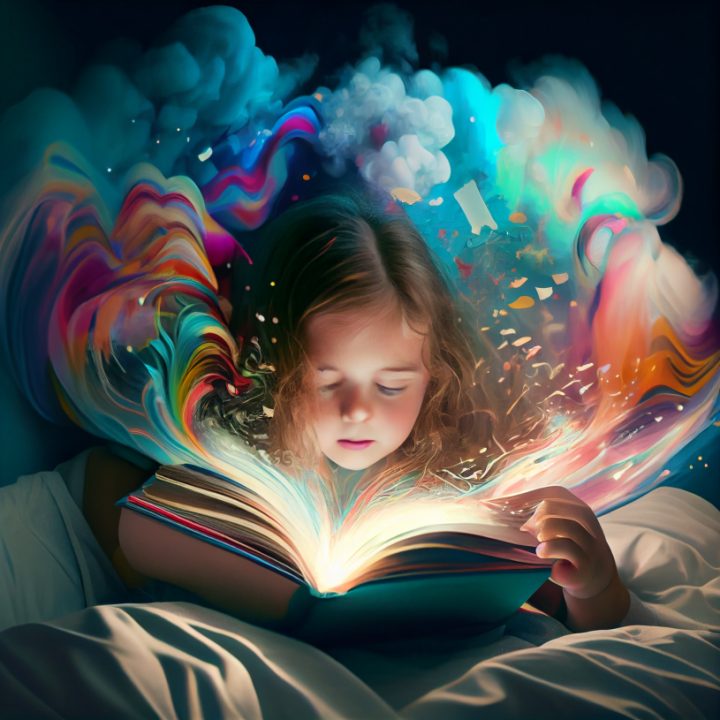
Children possess the unique gift of boundless imagination, transforming ordinary everyday objects into extraordinary art pieces.
In children art classes, this innate creativity is a powerful force waiting to be harnessed. By providing a nurturing environment, these classes inspire young artists to explore a wide array of artistic expressions, from painting and drawing to sculpture and digital art. Captivating their imagination in such immersive experiences cultivates an intrinsic motivation for artistic discovery.
Harnessing creativity goes beyond mere art production; it involves sparking curiosity and igniting a passion that drives lifelong learning. By guiding children to view the world through an artistic lens, these classes lay the foundation for future innovation, encouraging them to think beyond conventional boundaries.
Ultimately, children art classes serve as vital platforms for expressing individuality and recognising one’s unique perspective. They empower young minds to connect disparate ideas and translate them into tangible forms, inspiring confidence in their creative capabilities. When imagination is harnessed effectively, it transforms the art-making process into a journey of exploration, self-discovery, and endless possibilities.
Showcasing Young Talent

The vibrant tapestry of children’s art classes is a testament to the power of youthful creativity and expression.
In 2016, the Singapore Art Showcase, a local annual exhibition, provided budding artists the platform to exhibit their creations alongside established names, igniting a spark of recognition and growth in young hearts.
Here, creativity finds its voice, as young ones savour experiences not merely to display their work but to articulate their vision—a crucial facet of artistic expression often nurtured through children art classes.
These events serve as a crucial springboard, allowing even the youngest artists to discover their capacity for innovation without constraint. They engage in transformative dialogues that inspire both peers and audiences, magnifying the depth of their creative expression.
It’s beautiful to witness how these platforms uplift and embolden the imagination, fostering talented individuals who shape our cultural landscape.
\ Celebrating Artistic Achievements
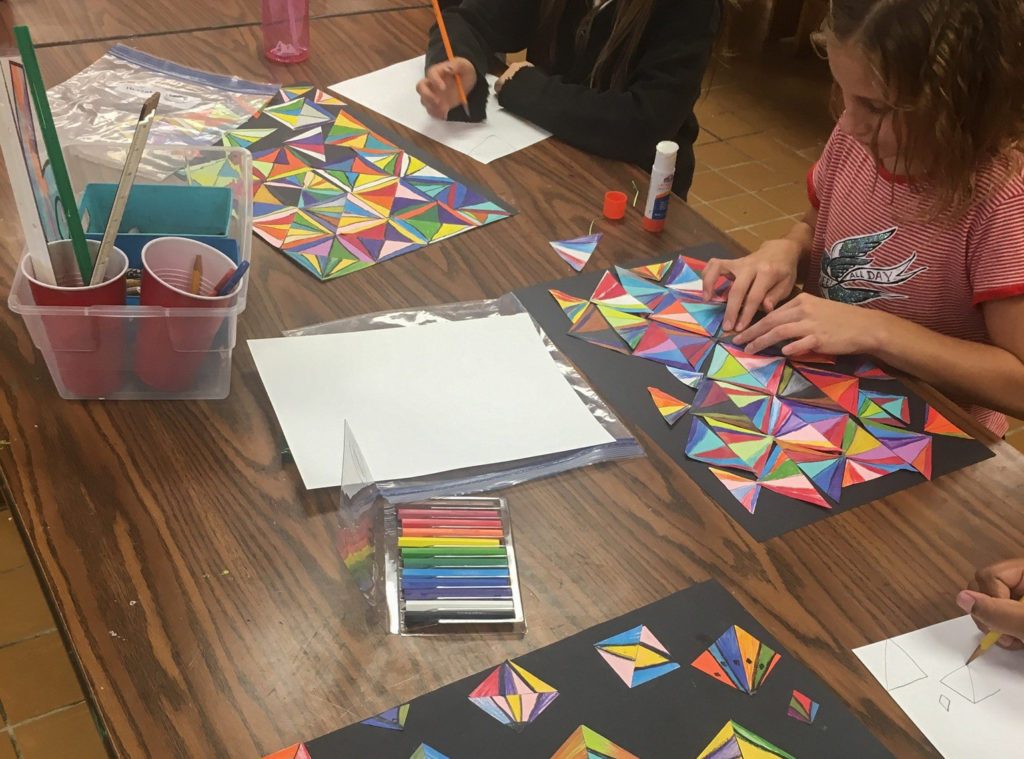
Accomplishments in art are journeys worth honouring.
Each child’s masterpiece, borne from children art classes, tells a unique story. These classes provide fertile ground where young imaginations can flourish, bringing out latent talents and honing them to shine brightly. Recognising these achievements encourages a continued exploration of creativity, boosting confidence and passion in the young artists.
Witness their evolution with awe.
We see life’s kaleidoscope through the vibrant artworks of children, each brushstroke echoing dreams and aspirations. Proudly displayed, their creations transform learning spaces into galleries, illustrating the profound impact of art education.
By celebrating their creations, we kindle the spirit of artistic excellence, offering them a future where imagination meets opportunity, and dreams are realised. As we stand in awe of their unwavering potential, we embrace a new generation shaping our artistic landscape with resilience and vision.
\ Role of Children Art Classes
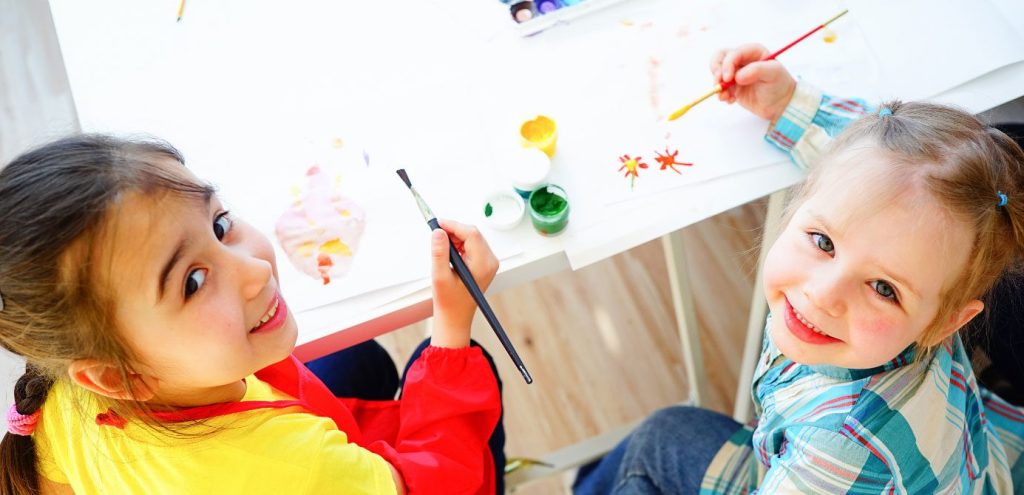
Children art classes play an instrumental role, acting as nurturing environments where young artists flourish. Structured yet flexible, these sessions offer guided instruction blended with creative exploration, allowing each child to discover a unique artistic voice. Enthusiastic educators encourage experimentation and self-expression, inspiring children to embrace challenges with confidence and imagination. As they navigate through various artistic techniques and styles, children not only hone their craft but also develop critical thinking and emotional intelligence, painting their way towards a future replete with potential and possibility.
\ Structured Learning Environment
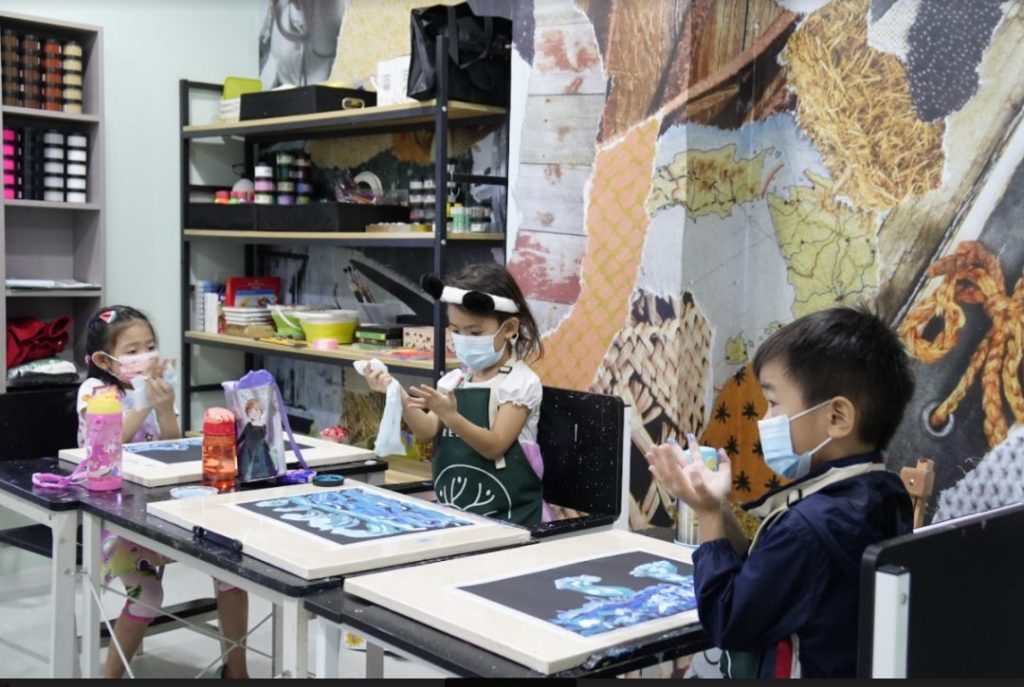
In a structured learning environment, children art classes provide a balance of discipline and freedom. These settings are carefully crafted to nurture both skill development and creative expression.
Such environments encourage a culture of “creative play”, where art is not just an activity but a medium for limitless exploration, allowing children to achieve their fullest artistic potential.
Art education enhances emotional intelligence in children, empowering them to articulate feelings through visual expression.
Through structured guidance, children experience the thrill of new achievements while learning to refine their skills. Instructors adeptly facilitate an environment where patience and curiosity blossom hand in hand, setting the stage for artistic transformation. Success in these classes extends beyond the canvas, laying a colourful foundation for future creative endeavours and personal growth.
\ Exposure to Various Techniques
In children art classes, diverse techniques open doors to new possibilities and ignite an everlasting passion for art.
At the heart of this exposure, children are introduced to a spectrum of artistic mediums and styles, from watercolours to sculpture, encouraging artistic curiosity. This exploration not only enhances their skill set but also fosters a deeper understanding of the wide-ranging landscapes of visual expression. These classes cultivate foundational skills while inspiring the boundless creativity that transcends conventional artistic norms.
Consequently, they develop a profound appreciation for the art world. As children experiment with different materials, they learn that each medium offers unique challenges and rewards, strengthening both their technical prowess and conceptual thinking.
Ultimately, by experiencing various approaches to creating art, children internalise versatile problem-solving skills and adaptive learning techniques, vital for their artistic journey. This exposure is a doorway to endless horizons in the art world, enabling young talents to embrace and create with confidence and enthusiasm, underlining the transformative power of diverse artistic practice.


