
In a brightly lit classroom, brushes danced across canvases, as young minds embarked on creative journeys through sketching and painting.
Imagine a world where every stroke of paint opens a door to infinite possibilities for kids today.
Art class cultivates imagination, boosts confidence, and nurtures emotional intelligence, equipping kids with invaluable skills for the future.
Benefits of Art Class for Kids
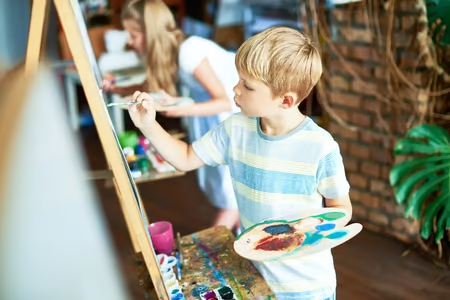
Art classes open doors to creative exploration.
Through engaging in art, kids discover their unique voices. The safe haven of an art class encourages self-expression and fosters innovation—integral components of personal growth. Moreover, this vibrant environment nurtures critical thinking, as they learn to analyse and interpret their artistic choices and those of their peers.
Their confidence and self-esteem soar.
An art class also acts as a refuge from the rigours of conventional academia—offering a playground where imagination flourishes and stress dissipates.
Engagement in creative activities fosters cognitive development through the stimulation of neural pathways, promoting better academic performance and problem-solving skills. Art class for kids, hence, is not just about creating masterpieces; it’s about fostering a lifetime of creativity and curiosity that extends beyond the canvas.
Enhancing Creativity and Imagination
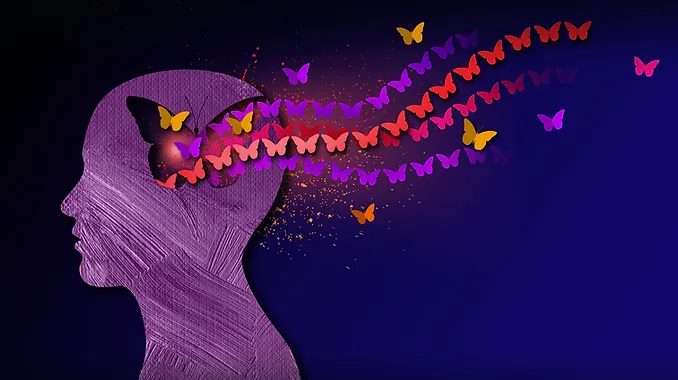
Art class for kids is a portal to the boundless realms of creativity, where dreams take form. By tapping into this creativity, they can develop the innovative thinking essential for future challenges.
Children naturally possess vivid imaginations that should be nurtured through artistic pursuits.
Seeing the world through an artist’s eye helps kids view challenges differently, fostering a mindset unique to imagining possibilities. This sparks an intellectual curiosity that transcends boundaries, enabling them to question, explore, and invent.
By expressing ideas visually, children can communicate concepts that might be challenging to articulate verbally. The ability to transform abstract ideas into tangible art projects not only empowers them to bring a piece of their inner world to life but also equips them with versatile communication skills crucial for their holistic development.
Developing Fine Motor Skills
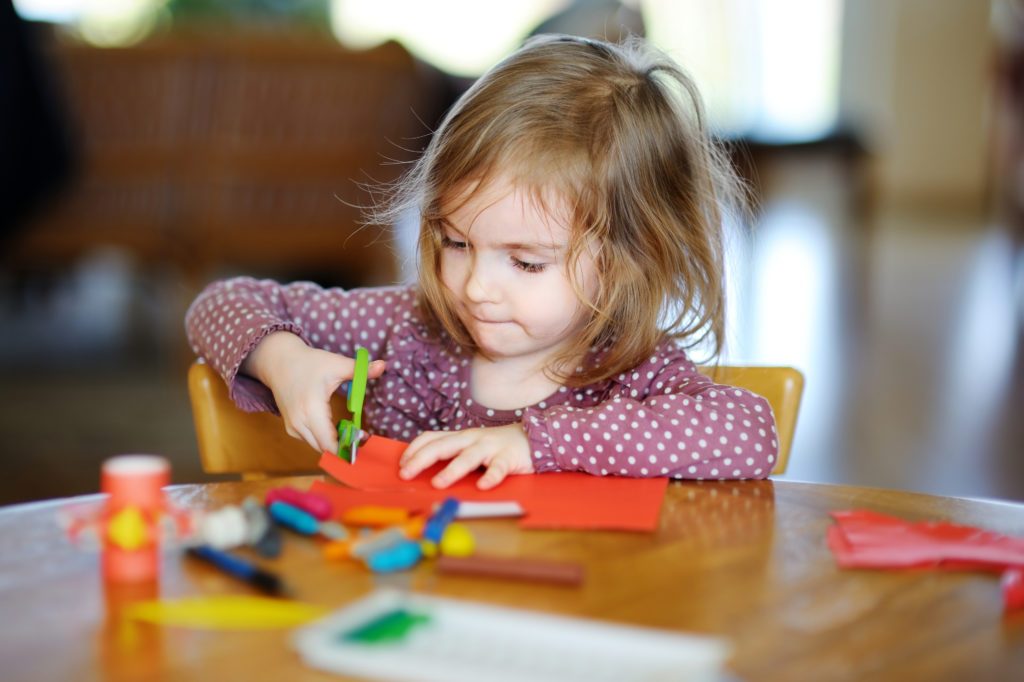
Art class supports the enhancement of fine motor skills.
Through activities like cutting, drawing, calligraphy, and painting with watercolour, kids refine hand-eye coordination. As they carefully use scissors to cut shapes, direct paintbrushes across paper, and manoeuvre pencils for intricate details, they are constantly honing these essential skills. Consequently, engaging in art becomes an avenue for kids to improve the precision and dexterity vital for other daily tasks.
Children’s art practice builds adeptness needed for intricate tasks.
These art activities are instrumental in fostering important life skills – an unseen benefit often overlooked in the quest for academic excellence. By adapting their artistic techniques, kids enrich their day-to-day capabilities.
The small steps achieved in art class contribute significantly towards building skills needed for academic and personal mastery. Parents, educators, and children alike should celebrate these seemingly minor victories, recognising them as pivotal milestones on the path to lifelong dexterity and success.
Boosting Problem-Solving Abilities
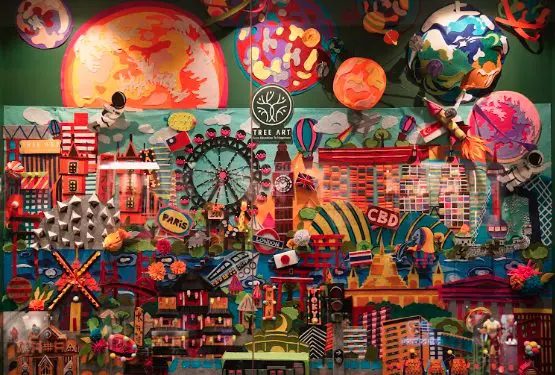
Art class presents a vibrant landscape where kids learn the art of problem-solving through creativity and innovation, integrating these skills seamlessly into their curriculum.
In 2016, Howard Gardner, a notable education researcher, stressed how creativity plays a pivotal role in enhancing problem-solving abilities in children. Through art class, kids are encouraged to explore different solutions to a given problem, which broadens their cognitive flexibility and creative thinking skills.
Art, in its own right, demands that kids reconcile the mind’s ideations to create a tangible piece of work. Art class becomes a venue where kids can experiment with diverse mediums, try out novel perspectives, and develop solutions beyond conventional academic settings.
Fostering such skills in art class means kids aren’t simply learning to create; they’re also learning the 3 Cs, creativity, critical thinking, and constructive evaluation, which are indispensable to future problem-solving. Their participation in these exercises grows their ability to adapt and strategise in varying scenarios.
Art class offers kids the limitless potential to delve into problem-solving beyond textbooks. Their creativity knows no bounds.
Encouraging Emotional Expression
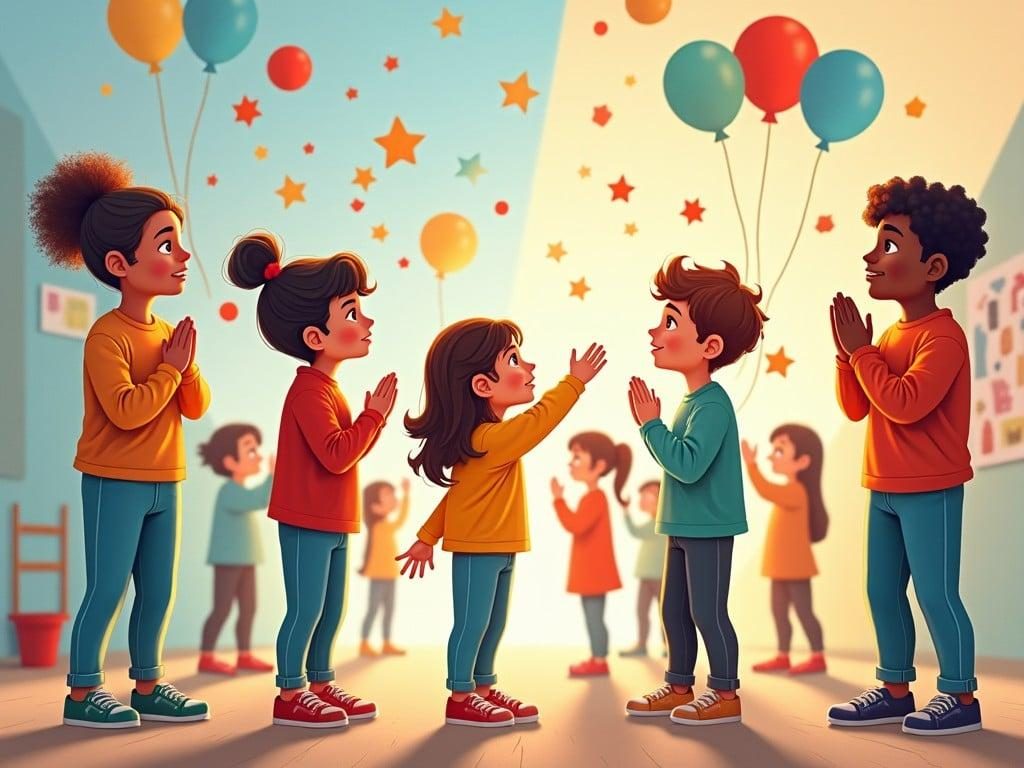
In the vibrant realm of art classes, a canvas for emotional expression, art therapy provides kids with solace. Encouraging emotional expression through art allows them to articulate feelings, providing them with a powerful, non-verbal communication tool. This nurturing space cultivates not only artistic skills but also emotional resilience.
When children immerse themselves in a medley of colours and shapes, they enter into a “creative flow”. This is not merely an artistic endeavour; it’s a dynamic exploration of their emotional landscapes. As they paint, sculpt, draw, engage in sketching, or practice calligraphy, the reflection of their inner world takes form, helping them navigate emotions and develop coping mechanisms, paramount in their holistic development.
Understanding Emotions Through Art
Art offers an unparalleled opportunity for kids to explore complex emotions. As they engage with artistic activities, they tap into their subconscious, uncovering profound emotional understanding.
This transformative experience often leads to enhanced self-awareness, allowing kids to recognise and articulate their emotions more effectively. Such exploration within art class nurtures an empathetic understanding, fostering emotional intelligence.
Art stimulates the release of emotions, providing a safe space for children to express and manage their feelings effectively.
Through regular practice, children gain confidence in articulating emotions constructively, building resilience. This crucial skill not only enhances their personal lives but also prepares them for nuanced interpersonal interactions, essential for thriving in our dynamic society.
Fostering Patience and Perseverance
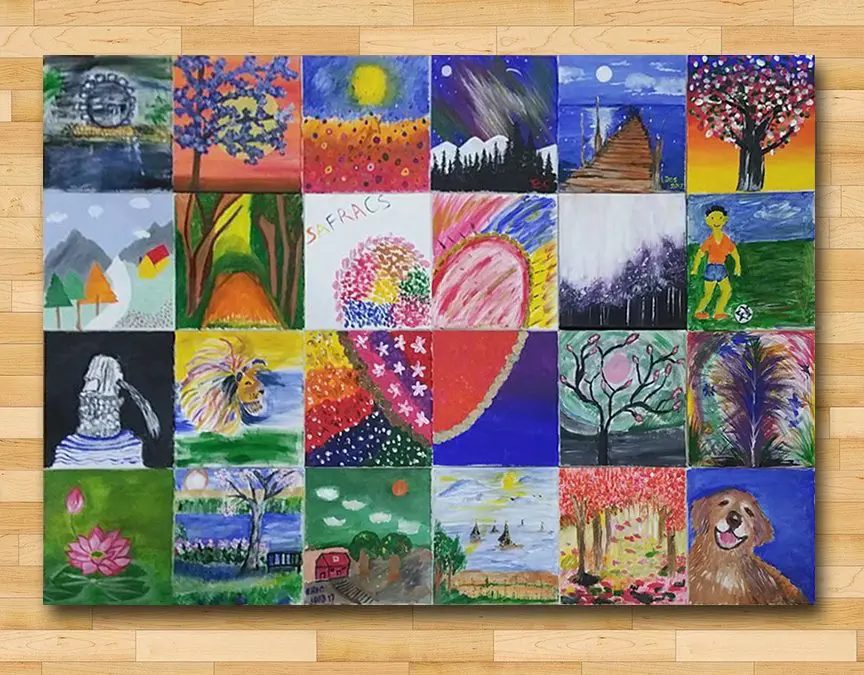
In art class, children learn that mastery takes time, patience, and consistent effort.
As they embark on artistic projects of increasing complexity, they come to understand that true creativity involves a process, one that requires dedication and the resilience to overcome setbacks. This environment, much like art therapy, cultivates the crucial understanding that immediate perfection is neither necessary nor the goal, promoting a mindset of growth and perseverance.
Furthermore, art lessons build a culture of supportive learning among kids. By witnessing the gradual progress made by themselves and their peers, children learn to appreciate the value of persistent effort, recognising that setbacks are part and parcel of achieving refined artistic expressions.
In embracing the challenges of art-making in art classes, kids develop a resilient spirit that extends beyond the studio. These indispensable lessons on patience and the commitment to push through obstacles become valuable life skills, preparing them for a world where patience and determination are key components of success, innovation, and adaptability.
Building Confidence and Self-Esteem
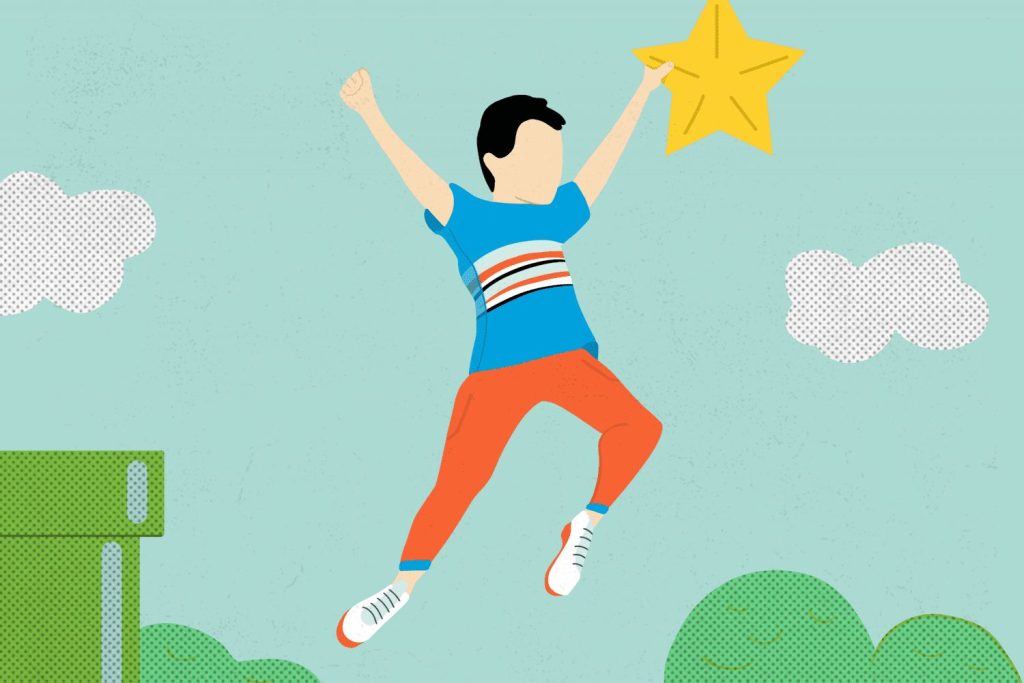
Art classes serve as a nurturing environment where kids can explore their imaginations without judgment. Encouragement from teachers and peers is constant, creating a safe space for kids to express their unique perspectives. As they see their abilities improve over time, their self-confidence and self-esteem naturally increase.
In art class, each completed project provides an opportunity for tangible success, reinforcing a child’s belief in their capability. Celebrating individual achievements fosters a positive self-image, where children understand that their creative voice holds value. These experiences play a pivotal role in shaping self-assured individuals.
The pride a child feels in their artistic creations translates into increased confidence. This newfound self-assurance positively impacts other areas of their academic and personal life, inspiring them to tackle challenges with a more self-assured outlook.
Showcasing Art Work to Build Confidence
Displaying children’s artwork can significantly bolster their confidence and sense of achievement, as they see their creativity come to life.
Every piece garners deserved recognition and helps kids realise their potential.
When children exhibit their artwork, it invites appreciative feedback that fosters a sense of pride and encourages them to embrace new artistic challenges. This practice enhances their communication, presentation, and leadership skills, resonating well beyond the canvas.
The experience of showcasing art empowers kids to step out of their comfort zones and into a community of creative thinkers, all in support of one another’s artistic journeys. Each exhibit acts as a “pulse” of their evolving talents and provides a palpable inspiration to take on more ambitious projects. By witnessing other “artists” share their work, kids are inspired and driven to push their creative boundaries further.
Encouraging Teamwork and Collaboration
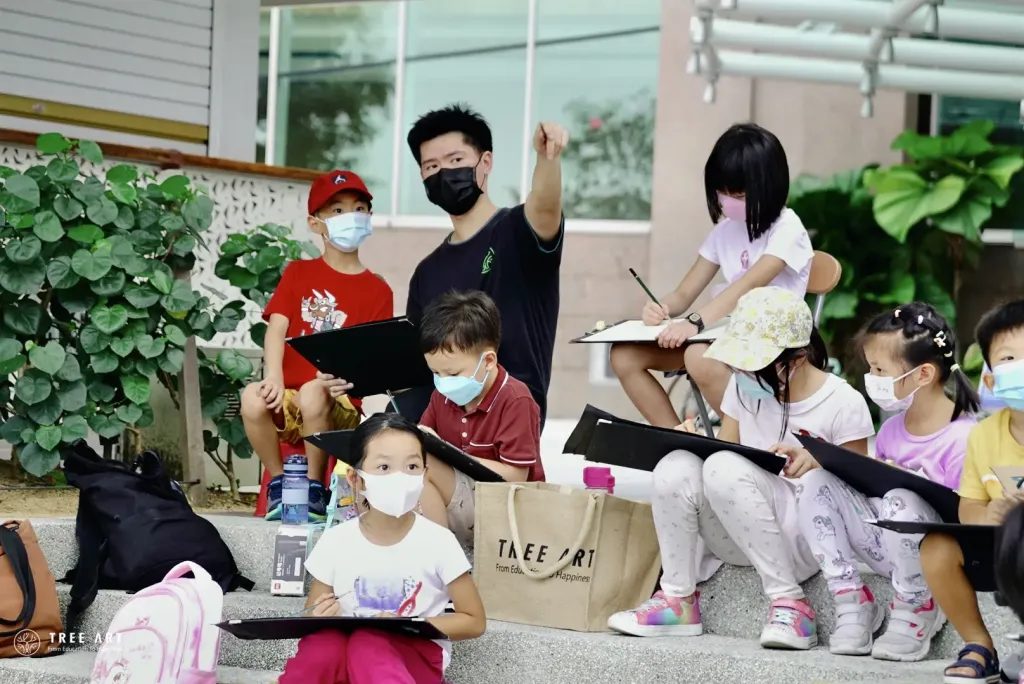
Art class nurtures teamwork and collaboration skills.
In art class, children frequently collaborate on projects. This setting encourages them to share ideas and learn the importance of working harmoniously towards a common goal, which can be incredibly gratifying and educative. Furthermore, group projects open opportunities to critically assess their creative processes and resolve conflicts effectively.
Such interactions deepen understanding and friendship.
By working with others, kids learn to appreciate diverse perspectives and talents – an invaluable lesson that transcends art class into other domains – fostering compassionate communication and cross-cultural respect.
These collaborative experiences in art class promote innumerable benefits, including innovative problem-solving, empathic communication, and an appreciation for diverse expressions, preparing them to meet future challenges with unprecedented resilience and an enthusiastic embrace of global collaboration, which is particularly relevant in our interconnected society.
Exploring Different Art Forms
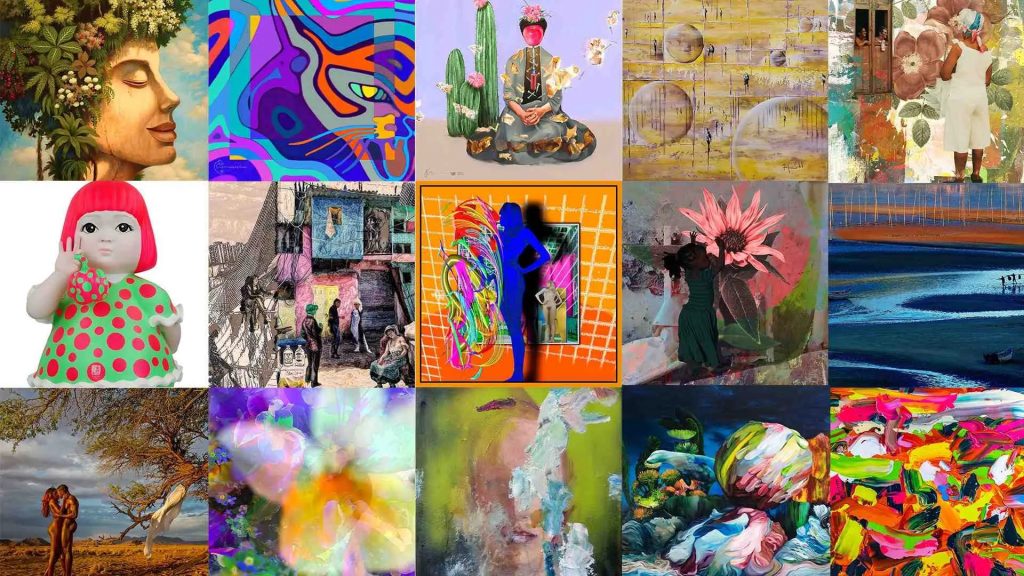
Embarking on an artistic adventure, a myriad of enriching possibilities unfolds before kids. Exploring varied art forms, ranging from painting to sculpting, empowers children with a vibrant palette for self-expression and creativity. By engaging with different techniques, they gain a profound appreciation of the world’s diverse artistic traditions, thereby broadening their creative horizons and igniting a lifelong passion for the arts. Through art class, children cultivate an intrinsic understanding that art is not merely a subject but an integral part of the curriculum, offering a dynamic exploration of thought, emotion, and innovation—a testament to the inspiring human spirit.
Learning About Painting and Drawing
Immersing kids in painting and drawing classes is a transformative journey, offering them a gateway to unparalleled creative exploration. These artistic practices become a focal point of self-discovery and expression.
Kids cultivate patience and dedication as they learn sketching techniques, calligraphy, and style evolution. Engaging with these art forms, they uncover the intricate dance between colours and shapes.
Experimenting in vibrant hues, varied textures, and watercolour techniques, young minds require focus (critical for cognitive development) and coordination. Such activities enhance their fine motor skills significantly.
Moreover, the foundational skills acquired in learning about light, shadow, and perspective transcend the canvas, influencing broader cognitive growth and problem-solving abilities.
Art class isn’t just about creating pictorial aesthetics—it builds emotional resilience, empowering kids with unique ways to express their feelings through art therapy and foster deep personal introspection. This is an essential life skill.
Ultimately, art class weaves an engaging tapestry, blending imagination with technique. Young artists gain limitless potential for creativity, contributing to their confidence now and into the future.
Introduction to Sculpture and 3D Art
Delve into the captivating world of sculpture and 3D art, where imagination takes on tangible form, transcending conventional artistic boundaries.
- Fundamentals: Understand the basic materials and tools needed for creating sculptures and 3D artworks.
- Techniques: Explore various methods such as carving, modelling, casting, and constructing to shape artistic visions.
- Historical Context: Learn about the evolution of sculpture from ancient times to contemporary practices.
- Creative Process: Discover how artists conceptualise, design, and execute three-dimensional pieces.
- Personal Expression: Develop unique styles through experimentation and embracing creativity without limitations.
Engaging in this dynamic art form nurtures spatial awareness, encourages innovative problem-solving, and integrates techniques learned in various classes.
Aspiring sculptors will find a platform to express individuality while mastering the complexities of form and structure.
Making Art Class a Fun Learning Experience
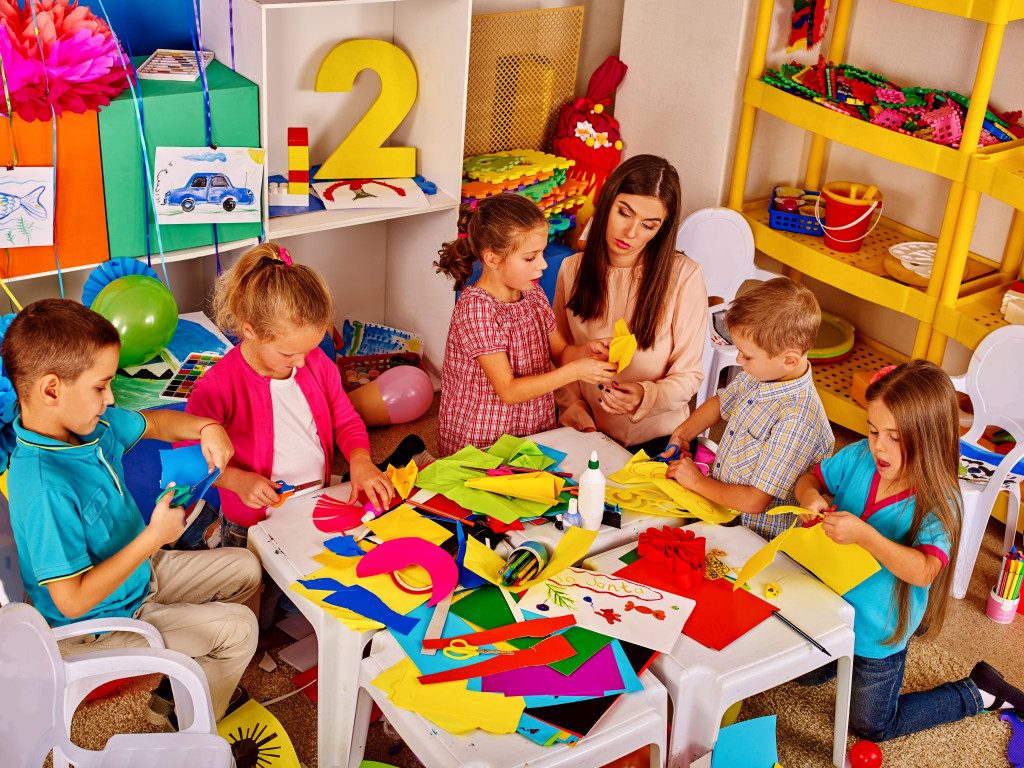
Infusing art class with excitement transforms it into a vibrant realm where creativity flourishes, imagination thrives, and self-expression becomes a delightful journey.
Energetic environments catalyse curiosity and spark students’ inherent innovativeness.
Diverse, interactive activities keep young learners eager and engaged, fostering joy (and consequently shorter attention spans) through exploration.
A playful approach helps to cultivate foundational art skills, enabling kids to explore their boundless creative potential while having fun.
Offering challenges that encourage problem-solving and collaboration facilitates personal growth, instilling a sense of accomplishment and camaraderie, critical for emotional and social development.
Ultimately, the goal is to ensure every child’s experience in art class is transformative. Constructive engagement propels them to new artistic horizons.
The Lifelong Impact of Art Education for Kids
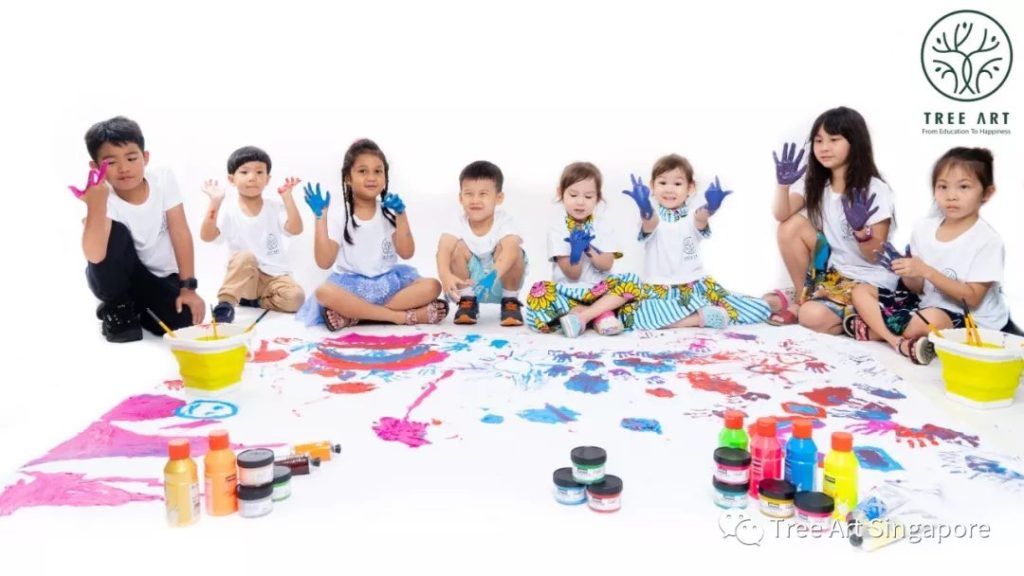
Art classes lay the groundwork for creative thinking.
By encouraging kids to explore new ideas through visual expression, art classes nurture a profound understanding of diverse perspectives, and are an integral part of the curriculum. This foundation not only aids artistic pursuits but also enhances the cognitive flexibility essential for various aspects of life. Moreover, the joy of creation instills confidence in young artists, empowering them to navigate challenges with a creative, solution-oriented mindset.
In this dynamic environment, kids learn valuable life skills.
Their engagement with art fosters resilience and adaptability – qualities that enable them to flourish amidst a constantly changing world.
Exposure to art encourages a deeper appreciation of cultural diversity and social empathy. Children become more aware of global narratives, understanding the world around them through a more compassionate and creative lens. Such awareness fosters a respectful and inclusive community, essential for thriving in our interconnected society. Through art, children also harness critical thinking and communication skills, valuable to lifelong success.


