

标准答案的桎梏
In traditional education, we are accustomed to seeking the “right answer”—math problems have fixed solutions, reading comprehension has “reference answers,” and even essays are graded against standardized criteria.
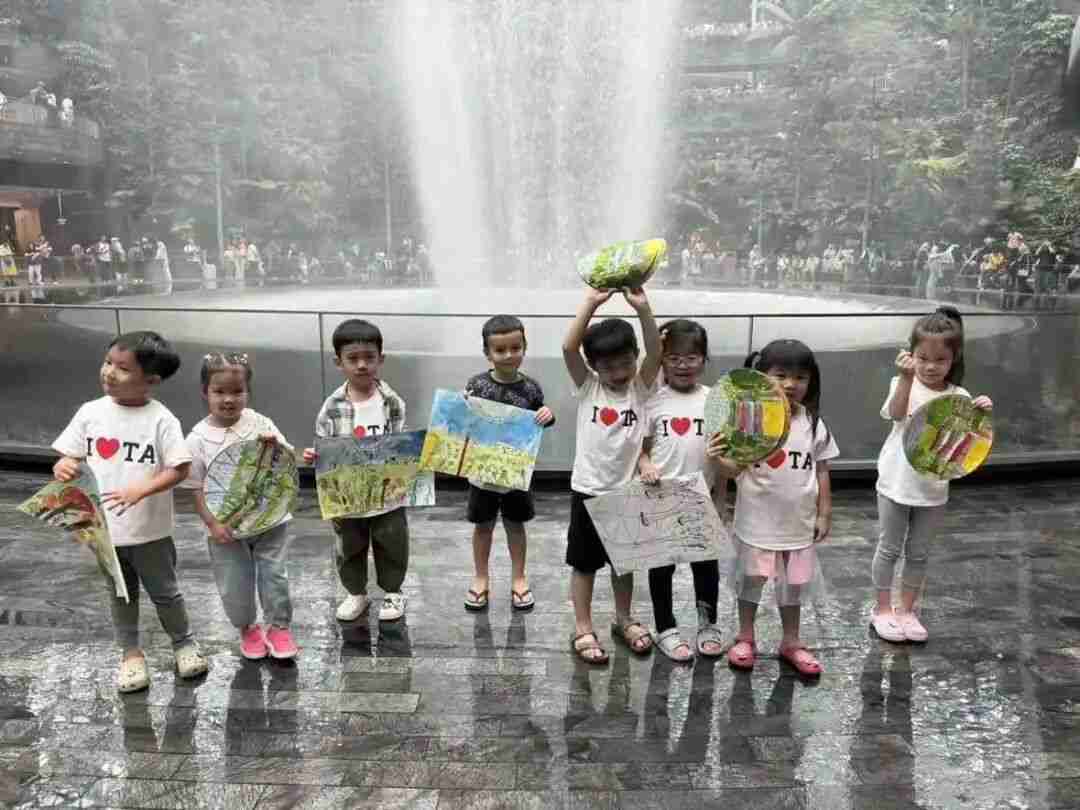
This “right-answer” mindset is particularly harmful in art education. It reduces artistic creation to mere imitation of techniques and replication of examples, overlooking the essence of art—emotional expression and individuality. When children are required to follow rigid steps and prescribed patterns, their thinking becomes constrained, their inspiration stifled, and their works lose vitality and emotional impact.
在传统教育中,我们习惯于寻找”标准答案”——数学题有固定的解,语文阅读有”参考答案”,甚至连作文都有固定的评分标准。
这种“标准答案”的思维模式在艺术教育中尤为有害。它将艺术创作简化为对技法的模仿和对范本的复制,忽略了艺术最本质的东西——情感的表达和个性的展现。当孩子们被要求按照固定的步骤和模式进行创作时,他们的思维被束缚,灵感被扼杀,作品也失去了生命力和感染力。

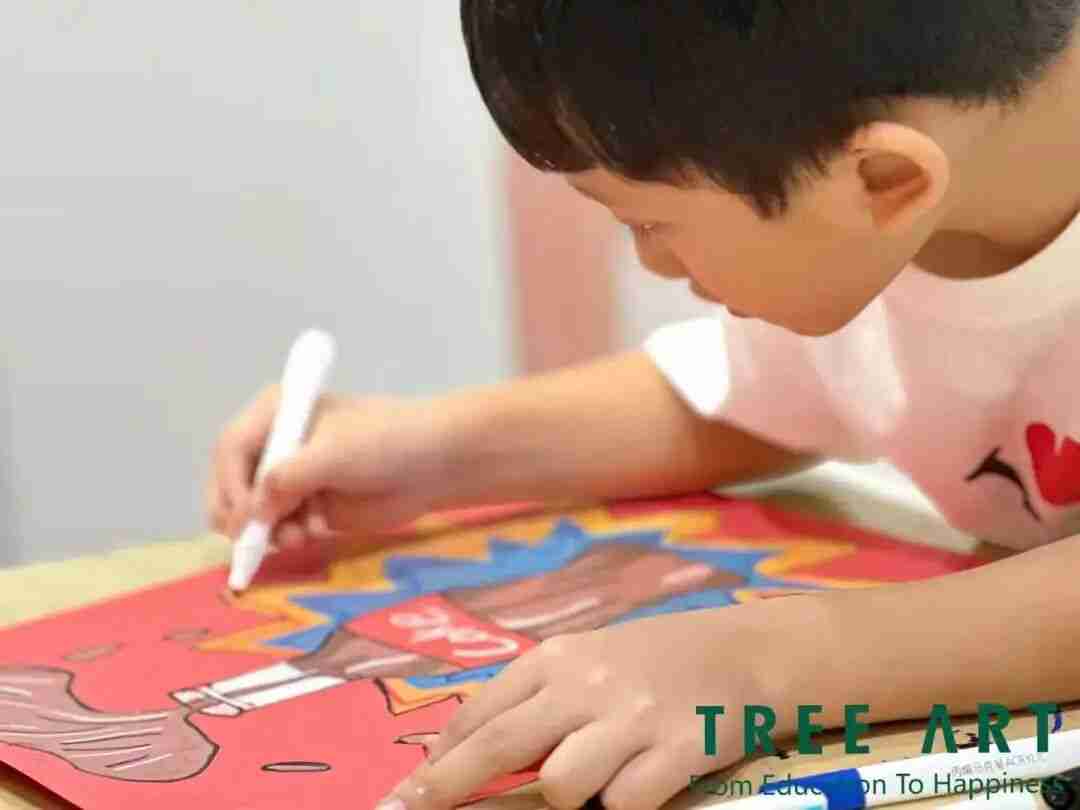
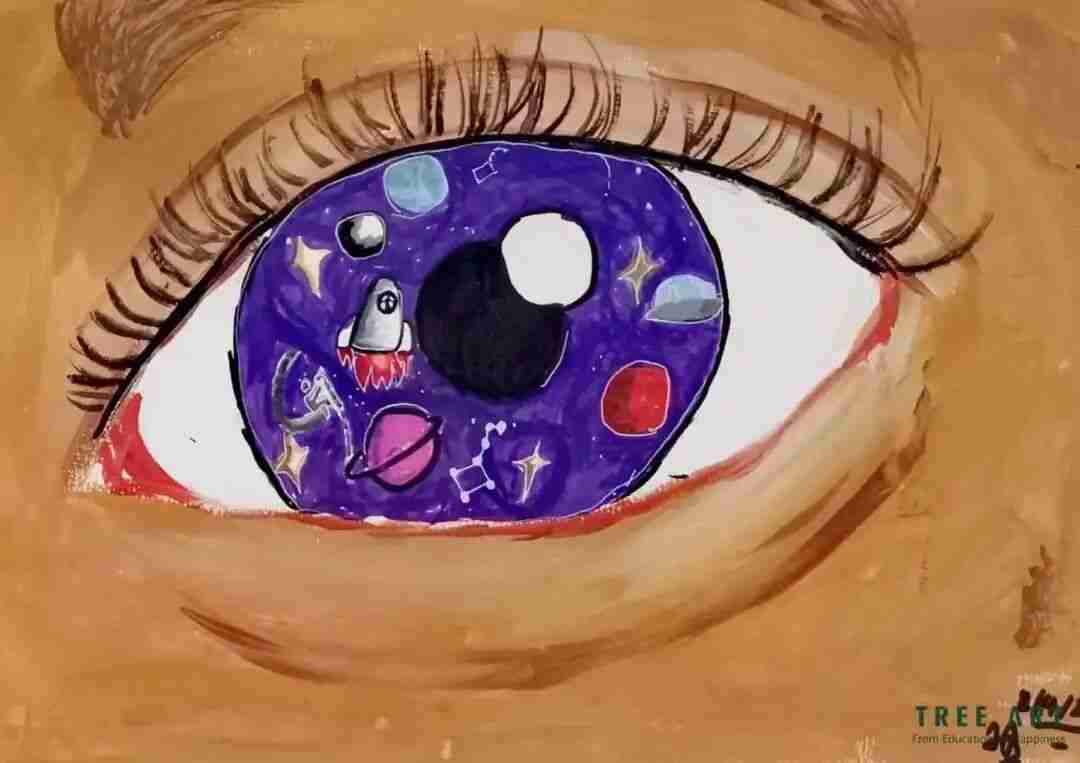
这恰恰是艺术教育最需要警惕的时刻——当美术变成了”解题”,创造力就开始枯萎。艺术教育的核心矛盾在于: 我们总在无意识中给孩子传递”正确范式”——太阳必须是圆的,海必须是蓝的。但历史上所有伟大的艺术突破,恰恰来自那些打破范式的”意外答案”:
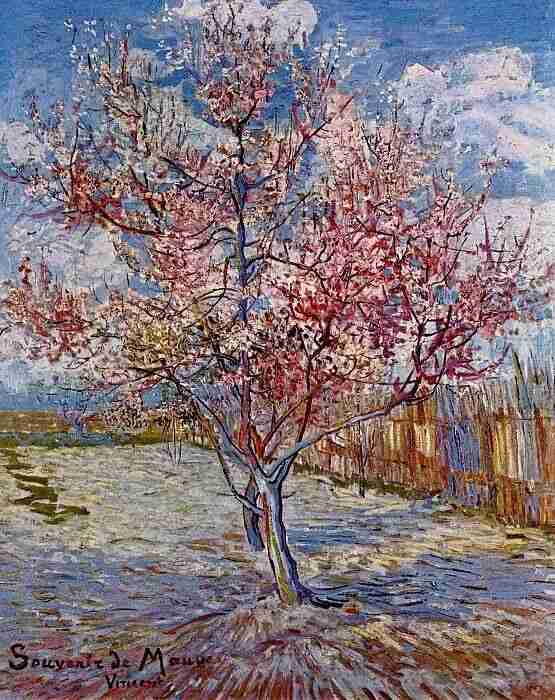
一棵树可以是绿色的,也可以是紫色的。(梵高就这样画过)
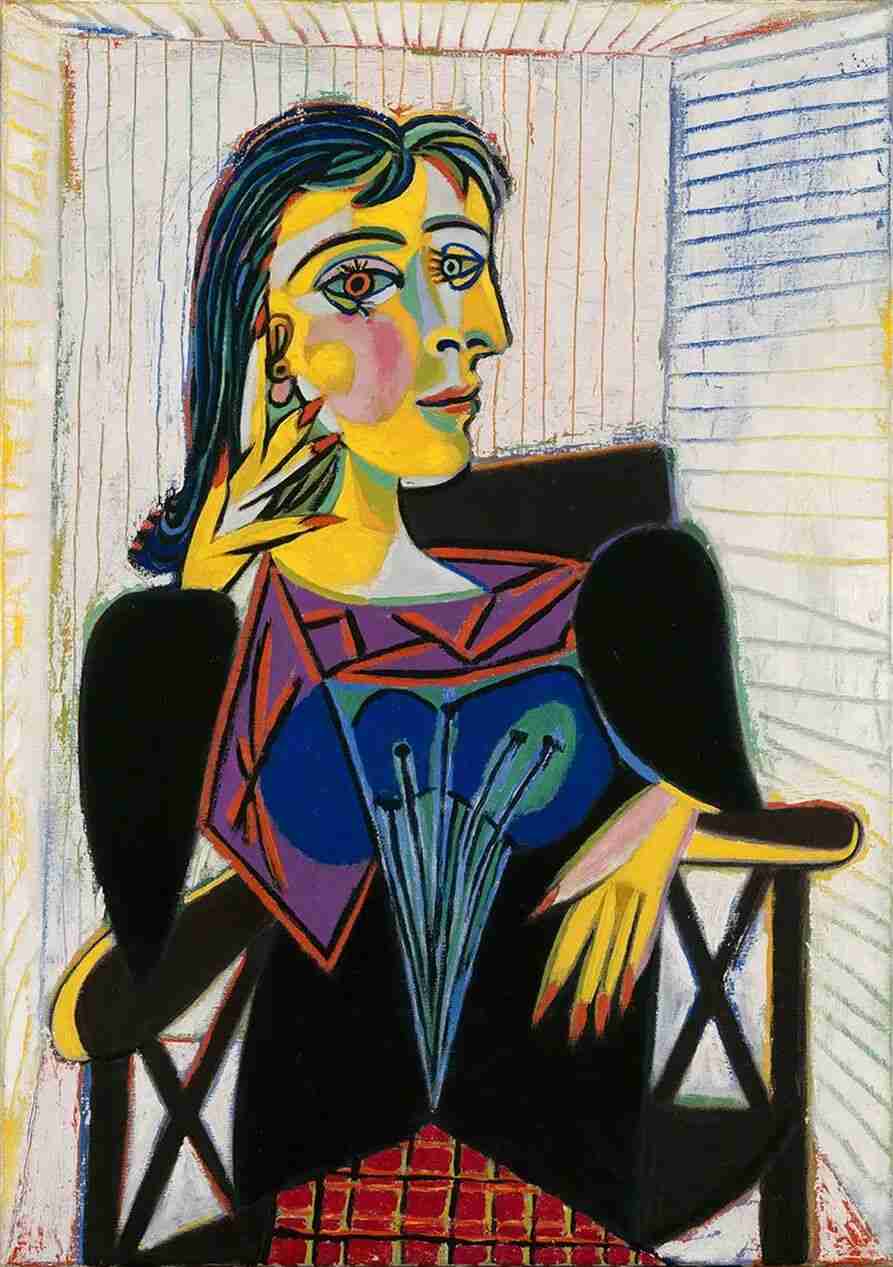
人脸可以比例精确,也可以像毕加索那样错位重组。
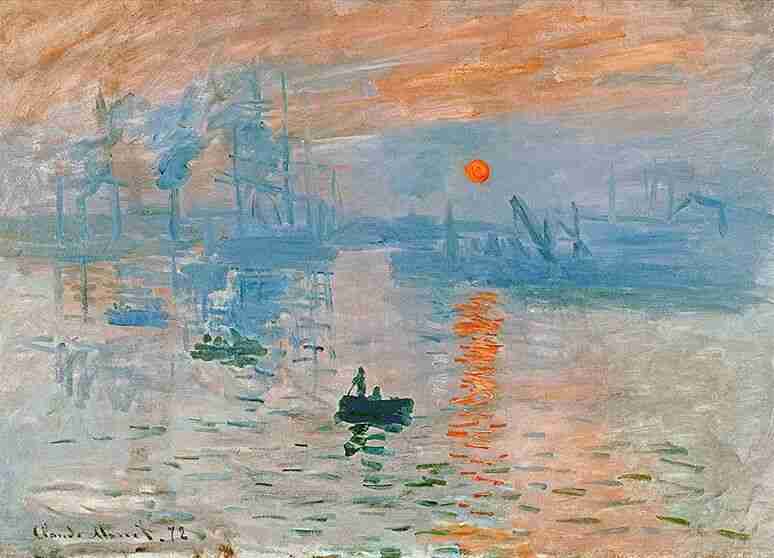
“错误”的配色可能创造出全新的风格(莫奈的《日出·印象》最初被嘲”未完成的草稿”)
在数学考试中,1+1的答案只能是2;但在美术课上:允许“意外答案”的出现。
This is precisely the moment that art education must be most vigilant—when art becomes “solving problems,” creativity begins to wither. The core contradiction in art education lies in the fact that, often unconsciously, we convey “correct formulas” to children—the sun must be round, the sea must be blue. Yet throughout history, every great artistic breakthrough has emerged from those “unexpected answers” that defied convention:
- A tree can be green—or it can be purple. (Van Gogh painted it so)
- A human face can follow precise proportions—or be rearranged like Picasso did.
- “Wrong” color combinations can give rise to entirely new styles. (Monet’s Impression, Sunrise was initially mocked as an “unfinished sketch”)
In a math exam, 1 + 1 can only equal 2; but in an art class, “unexpected answers” are allowed to flourish.

为什么艺术需要”意外答案”?

1. The Need for Cognitive Development
Psychologist Lev Vygotsky’s theory of the “Zone of Proximal Development” emphasizes that children test the boundaries of their cognition through “deviant” behaviors. When a child colors the grass purple, it may seem “wrong,” but in fact it is an experiment in hypothesis testing. The child is thinking: “What would the world look like if I break the norm?” This kind of thinking is precisely the source of innovation.
Encouraging children to break conventions and explore various “what if” scenarios helps cultivate divergent thinking, which is crucial for solving complex problems.
1. 认知发展的需要
心理学家维果茨的“最近发展区”理论强调:儿童通过”出格”的行为测试认知边界。当孩子将草地涂成紫色时,看似“错误”,其实是一场假设验证。他在思考:”如果突破常规,世界会变成什么样?”这种思维正是创新的源头。
鼓励孩子突破常规,进行各种“假设”和“如果”的思考,有助于培养他们的发散性思维,这对于解决复杂问题至关重要。
2. The Need for Emotional Expression
Art serves as an outlet for emotions. If a child paints a family portrait in dark tones, it may reflect inner feelings of stress, anxiety, or sadness; giving a dinosaur wings could indicate a desire for strength, freedom, or exploration of the unknown.
Every child is an independent individual with a unique emotional world. Art education should respect and embrace each child’s emotional expression, even if it appears “unexpected” or “irrational” to us. Through understanding and guidance, children can learn to recognize and manage their emotions.
2. 情感表达的需要
艺术是情感的出口,如果孩子把全家福画成黑色调,可能是孩子内心压抑、焦虑或悲伤的投射;给恐龙加上翅膀,则可能是孩子对力量、自由或未知的渴望。
每个孩子都是独立的个体,拥有独特的情感世界。艺术教育应该尊重并接纳每个孩子的情感表达,即使这种表达在我们看来是“意外”或“不符合常理”的。通过理解和引导,帮助孩子认识和管理自己的情绪。
3. The Needs of Future Society
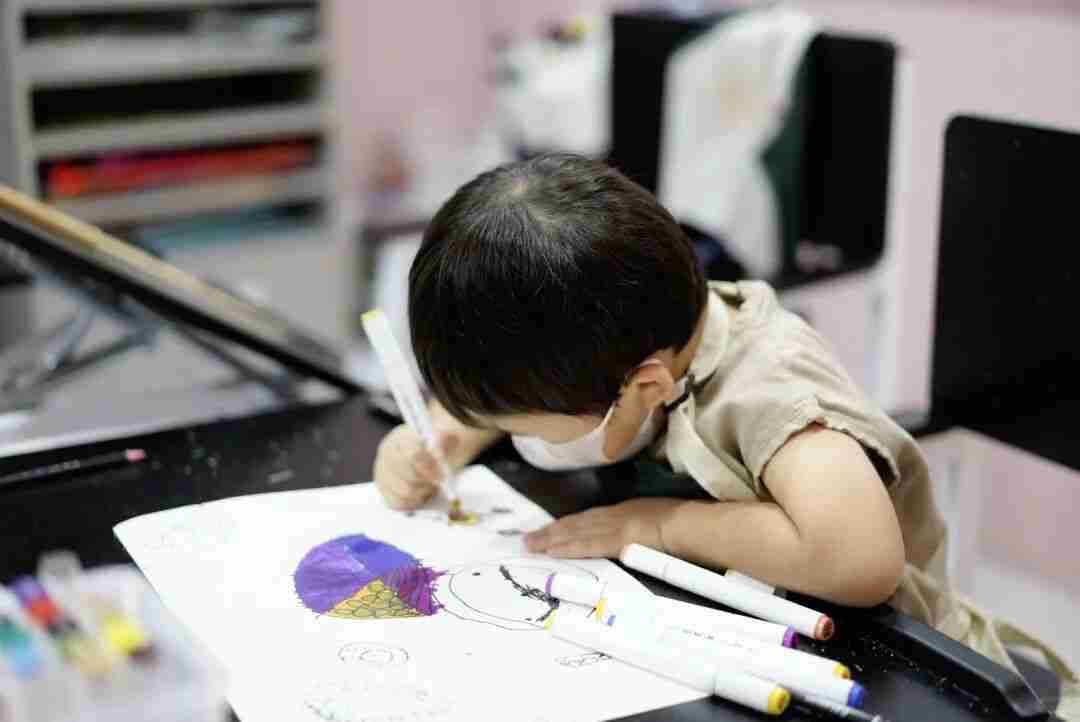
In the AI era, repetitive and pattern-based tasks will be replaced by machines, while creativity, imagination, and critical thinking will become core competencies. The “unexpected answers” in art education are a key way to cultivate these abilities. As Apple designer Jonathan Ive once said, “The best designs often come from attempts that seem impossible.”
The future society is full of uncertainty, requiring the ability to adapt quickly to change. The “unexpected” outcomes and trial-and-error processes in art education help children build psychological resilience, develop flexibility, and foster a lifelong capacity for learning.
3. 未来社会的需要
AI时代,重复性、模式化的工作将被机器取代,而创造力、想象力和批判性思维将成为核心竞争力。艺术教育中的“意外答案”,正是培养这些能力的重要途径。苹果设计师乔纳森·艾维曾说:”最好的设计往往诞生于’这不可能’的尝试中。”
未来社会充满不确定性,需要具备快速适应变化的能力。艺术教育中的“意外”和“试错”,可以帮助孩子建立应对不确定性的心理弹性,培养他们灵活变通、不断学习的能力。
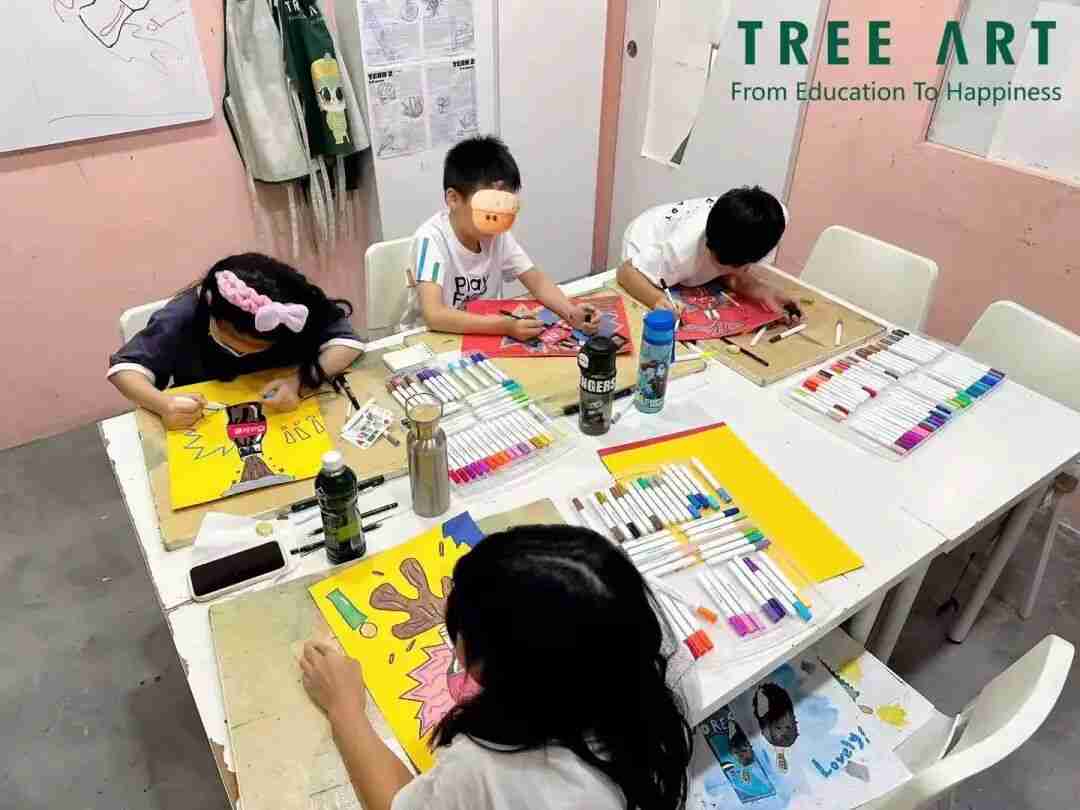
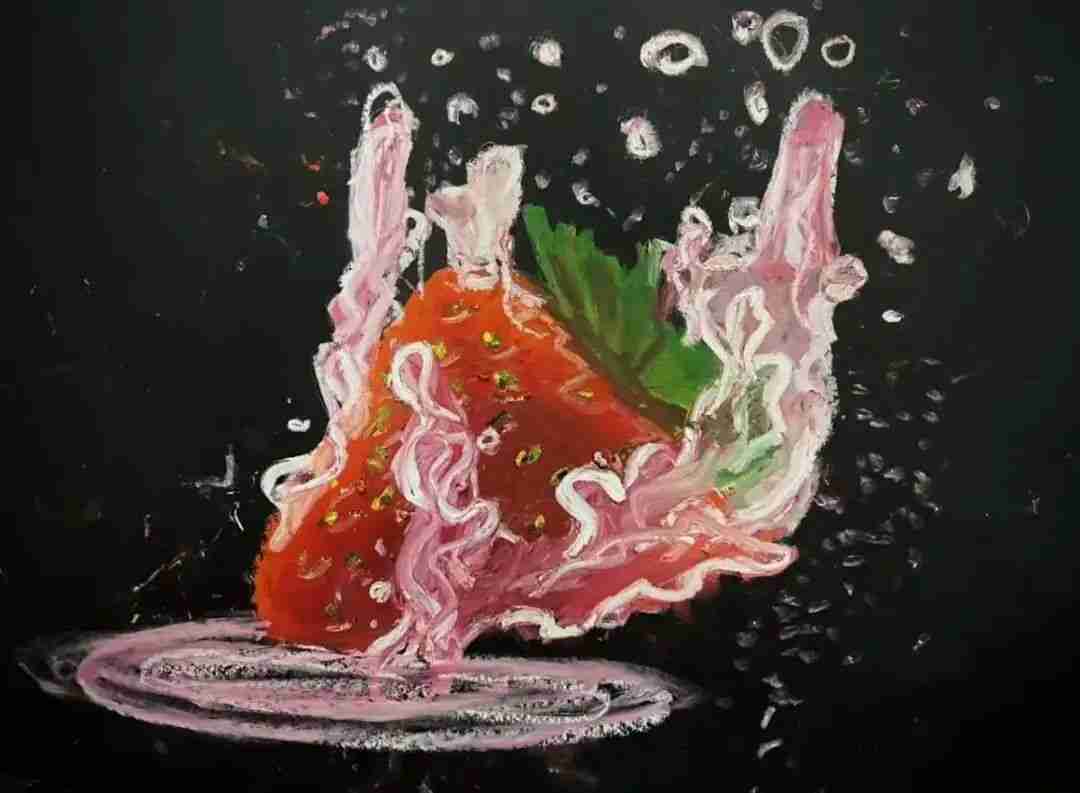
艺术不是解题,它不需要标准答案;教育也不是流水线,它应当尊重每个孩子的独特性。
“意外”是艺术创作的源泉,是培养创造力、批判性思维、审美能力和个性化发展的关键。保护这些”意外答案”,就是保护孩子们与生俱来的创造力和表达勇气。
真正的艺术教育,不是追求统一的“正确答案”,不是教会孩子如何画得”正确”,而是让他们敢于画出属于自己的世界。
Art is not about solving problems; it doesn’t require a standard answer. Likewise, education is not an assembly line—it should respect each child’s uniqueness.
“Unexpected outcomes” are the source of artistic creation and are key to cultivating creativity, critical thinking, aesthetic sense, and individual development. Protecting these “unexpected answers” means safeguarding children’s innate creativity and courage to express themselves.
True art education is not about pursuing a uniform “correct answer” or teaching children how to draw “properly”; it is about giving them the confidence to create a world that belongs uniquely to them.


