
美育=画画?90%的家长都错了!
Many parents are beginning to recognize the importance of exposing children to the arts, and drawing, being one of the more accessible options, has become a popular choice. However, most parents simply follow the trend without truly understanding what art education (美育) is, what it offers children, and what kind of art education best suits them.
很多家长都逐渐认识到给孩子学习一门艺术的重要性,而绘画作为其中门槛相对较低的,颇受家长青睐。但大部分家长都是随大流,并不知道美育究竟是什么?美育可以给孩子带来什么?什么样的美育适合孩子?
A common misconception is that art education is just about teaching kids how to draw—but this is a narrow and incomplete view. The two core aspects of art education are:
- Appreciating beauty – learning to observe and admire artistic and aesthetic elements.
- Creating beauty – expressing oneself through artistic creation.
As parents, it’s essential not only to guide children in appreciating art but also to encourage them to create and express beauty in their own way.
很多人都认为美育仅仅是教孩子画画,其实这种观点是很片面的。美术教育最主要的两个方面,一是感受美,二是创造美。作为家长,我们不仅要引导孩子学会欣赏艺术之美,还要尝试着自己动手创造出美的艺术。
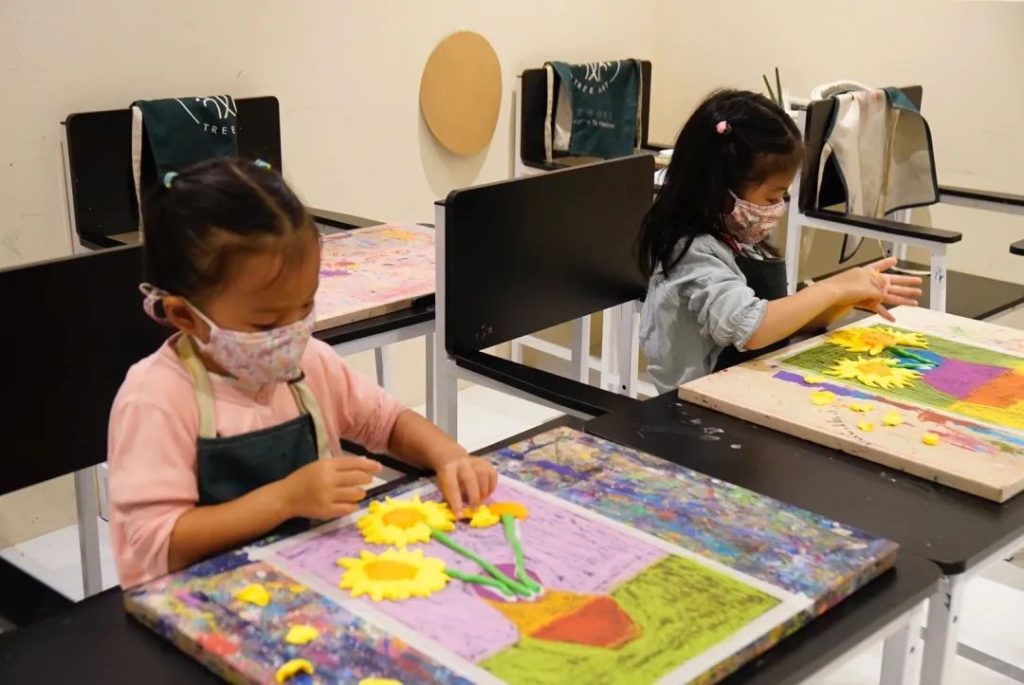
Art education goes beyond painting—it is found in:
- Traditional dance, where children hum along and step to the rhythm, learning about cultural heritage.
- Lines and colors in visual arts, where they express their perspective of the world through their unique artistic lens.
美育不止于绘画,它是学习民族舞蹈的过程中,伴着节奏哼歌踏舞,了解民族文化知识;也是学习绘画的线条与色彩中,用自己的视角表达这个的世界。
Art education is broad and diverse, spanning different art forms and cultural fields. Through a variety of experiences, children feel, understand, and create beauty, gaining a richer perspective on the world.
美育是广泛而多样的,它能够跨越不同的艺术形式和文化领域,让孩子们在多种体验中感受美、理解美、创造美。
1. What is Art Education?
一美育是什么?
Art education, or aesthetic education, is a form of education aimed at developing an individual’s ability to appreciate and create beauty. It encompasses art education, environmental education, and emotional education, helping individuals recognize and appreciate beauty while fostering their creative expression. Art education is not limited to the arts—it extends beyond visual arts (such as painting and sculpture) to include music, dance, drama, literature, as well as aesthetic experiences in nature, society, and science.
美育,即审美教育,是一种旨在培养人们审美能力、提高审美素养的教育形式。它通过艺术教育、环境教育、情感教育等多种途径,帮助个体认识和欣赏美,培养创造美的能力。美育不仅涵盖视觉艺术(如绘画、雕塑)、音乐、舞蹈、戏剧、文学等艺术领域,还包括自然美、社会美等非艺术领域的审美体验。
Four Key Aspects of Art Education:
- Artistic Beauty – Found in music, dance, painting, theater, film appreciation, and literature.
- Natural Beauty – The aesthetic experience of nature, such as the beauty of landscapes, seasons, and wildlife.
- Social Beauty – Appreciation of positive human interactions and societal harmony, recognizing beauty in acts of kindness and cultural traditions.
- Scientific Beauty – The aesthetic value of scientific discoveries, mathematical symmetry, and the elegance of engineering and technology.
1. 艺术美:音乐和舞蹈,绘画,影剧欣赏,文学;
2. 自然美:以大自然为审美对象所感受和体验到的美;
3. 社会美:以社会生活中美好的人和事为对象而感受和体验到的美;
4.科学美:以科学的内容和形式为对象所感受到的美。
1. Common Misconceptions Parents Have About Art Education
二家长对美育的普遍误区
2.1. Overemphasizing Drawing Techniques While Neglecting Imagination
1、过分强调绘画技巧,轻视想象
Some parents become frustrated when their child’s drawings aren’t perfectly round, square, or symmetrical. They tend to focus excessively on technical accuracy, constantly correcting mistakes rather than encouraging imaginative expression. However, this approach fails to consider the child’s developmental stage and natural creative instincts.
有的家长因孩子画的不圆、不方、不正而懊恼,总是会在孩子练习绘画之后,过分注重孩子绘画手法的正误,而忽视了培养孩子的想象力。这实际是没有从孩子的身心特点出发,忽视了孩子自身的需要和兴趣的培养。
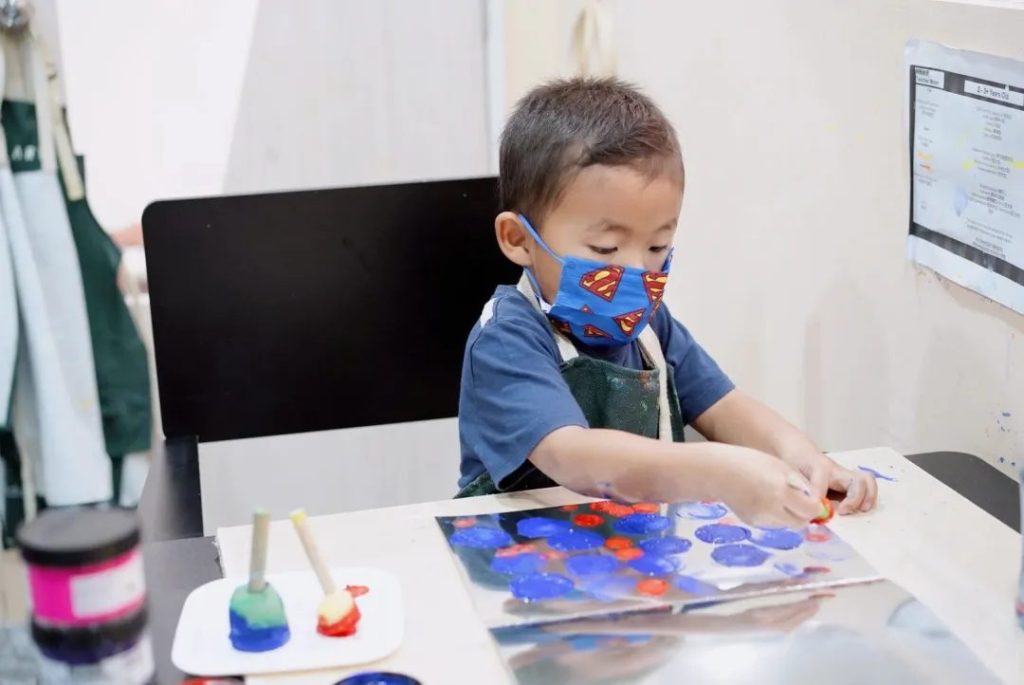
Albert Einstein once said:
“Imagination is more important than knowledge. Knowledge is limited, whereas imagination embraces the entire universe, serving as the driving force of progress and the source of wisdom.”Think about it—are all great works of art perfectly structured with precise lines? Is flawless technique truly the most important aspect of creativity? Children’s drawings are a reflection of their experiences and observations. Rigidly teaching technical skills too early may suppress their natural interest in art.
爱因斯坦曾说过:“想像力胜过知识,因为它是有限的,而想象力则是宇宙万物的统一体,是进步的动力,是智慧的发展之源。”想想看,难道每一位艺术家的作品都是横平竖直的吗?线条优美又真的那么重要吗?儿童的绘画是经验的积累和总结,单纯教授绘画技巧可能会扼杀孩子的兴趣。
Early childhood is a critical period for developing bold imagination. At this stage, the brain’s thinking patterns are easily shaped and can last a lifetime. Therefore, fostering creativity in children’s art lessons is far more important than enforcing technical accuracy.
幼儿期是大胆的想象力开始形成的阶段,这一阶段大脑思维模式很容易形成并可永久保持,因此在儿童美术课中培养儿童的想象力是至关重要的。
2.2. Viewing Children’s Artwork from an Adult Perspective
2、以成人的眼光看待孩子的作品
One of the main reasons parents often feel dissatisfied with their child’s artwork is that they evaluate it through an adult lens. In reality, children are frequently told that their drawings must be realistic or “look like” the actual object. This expectation can make children hesitant, overly cautious, and less creative in their artistic expression.
孩子的作品之所以很难被父母满意,很大的原因是因为他们看待作品的眼光不同。现实中,儿童常被要求画作要“像”,这种要求会导致孩子画画的胆子越来越小,过分谨慎,缺乏创造性。
Children draw based on their direct feelings and perceptions. For them, a picture is “realistic” when it highlights what they consider most important. For example:
- When drawing a child kicking a shuttlecock, they might make the kicking leg much longer than the other leg.
- If someone is eating a cake, they might exaggerate the mouth size to emphasize the action.
孩子画画凭的是直接感受,他们认为只有突出主要的,夸张重要的就是最像。如:孩子画踢毽子的腿会比不踢的腿要长,画吃蛋糕的嘴比平时的嘴张得要大。
However, parents often expect children’s drawings to resemble photographs. They assume that children should imitate exactly what the teacher draws on the board, without any modifications—the closer it is to reality, the more “perfect” it is.
但是父母却不同,他们希望孩子的画就像是照片一样。所以老师在黑板上画什么,孩子就应该模仿什么,不应该有任何的改动,越是相像越是完美。
Parents should shift their mindset—childlike simplicity is also a form of beauty. By viewing art from a child’s perspective, parents can better appreciate the innocence and authenticity of children’s drawings.
家长应该更新观念,其实幼稚也是一种美,站在孩子的视角,认识儿童学画的幼稚性和合理性。要鼓励孩子们认真大胆,顺其自然的画,画出自己的想法,画出自己的心意。
2.3. Pursuing Mature Aesthetics
3、追求成熟美
Forcing children to copy adult artworks or replicate award-winning pieces deprives them of their individual experiences and creative rights. It is like feeding them nutritionally deficient mental fast food, which may eventually lead to boredom and long-term negative effects, making them lose interest in the fun of drawing.
让儿童统一去临摹成年人的作品或一些公认获奖作品,这无异于剥夺了孩子个体经验和创造的权利,犹如让儿童吃营养不良的精神快餐,终究会因方法沉闷而留下后遗症。导致孩子越来越越不喜欢画画这件有趣的事情。
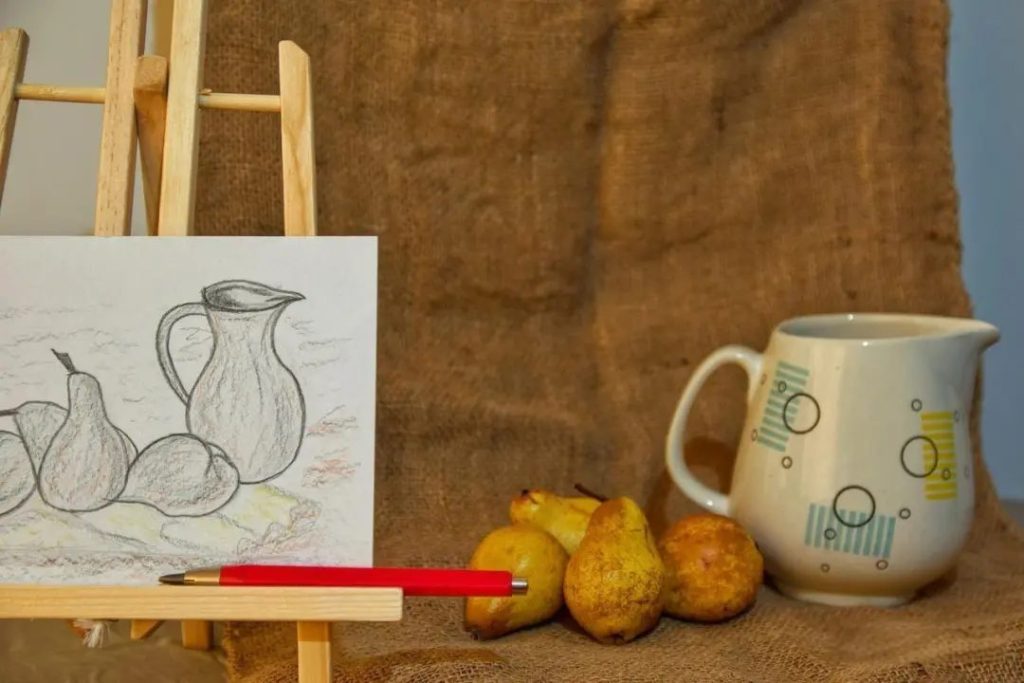
No one is born with mature and perfect artistic skills. On the journey to artistic expression, proper guidance and scientific teaching methods are the keys to unlocking a child’s creative potential, not mere copying or imitation. Every child is unique—only by respecting their developmental stage and understanding their natural growth patterns can they effectively absorb artistic nourishment and develop their creativity.
没有人天生就会画的很成熟很完美,因为在表现真实的路上,好的引导与科学的教授才是打开孩子心灵窗口的钥匙,而不是照抄和临摹,孩子有个体差异,只有遵循当下年龄段孩子的发展规律,才能更好的给孩子吸收艺术的养分!
2.4. Imposing Personal Will on Children
4、把自己的意志强加给孩子
Some parents tend to influence their child’s artistic thinking based on their own knowledge and experiences, leading to rigid thinking patterns.
For example:
- If a child colors grass yellow or red, they insist it must be green.
- If a child draws a fish in the sky, they immediately correct them, saying fish should only be in water.
This rigid correction stifles a child’s imagination. Some parents even force their children into specific artistic directions based on their own preferences, disregarding the child’s interests and strengths.
部分家长在孩子绘画时,习惯于用自己已有的知识经验影响孩子的思维,使孩子形成定势思维。家长看到孩子把小草涂成黄色或红色就硬要孩子改成绿色,看到鱼画在天上,就告诉孩子鱼应该画在水里,粗暴的扼杀孩子的想象。部分家长甚至还会按照自己的意愿为孩子选择艺术方向,忽视了孩子的兴趣和特长。
The renowned artist Pablo Picasso once said:
“It took me a lifetime to learn how to paint like a child.”Children’s art should not be limited to drawing only what they see—more importantly, they should draw what they imagine. Only imaginative works have soul, truly reflecting a child’s inner world.
著名画家、艺术大师——毕加索曾经说过:“我花了一辈子的时间去学习像儿童一样画画。”儿童学画不应只学画“看”到的,更重要的学画“想”到的。只有充满想象力的作品才是有灵魂的作品,才是儿童内心的写照。
1. The Significance of Art Education
三美育的意义

3.1. Developing Aesthetic Awareness
Art education helps children establish a proper sense of aesthetics, enhancing their ability to perceive and appreciate beauty. In daily life, children are exposed to various visual stimuli—advertisements, films, architecture—all of which shape their aesthetic environment.
Through art education, children develop a keen artistic sense, learning to distinguish true beauty from superficial glamour. This ability will help them make better choices, discover and appreciate beauty in everyday life, and cultivate a refined sense of taste.
培养审美能力:美育能够帮助孩子建立正确的审美观念,提高对美的感知和鉴赏能力。在日常生活中,孩子接触到的各种视觉信息(如广告、电影、建筑等)都构成了他们的审美环境。
通过美育,孩子能够培养出敏锐的审美眼光,学会区分什么是真正的美,什么只是表面的浮华。这种能力将使孩子在未来的生活中更加懂得选择,在日常生活中发现并享受美,更加有品味地生活。
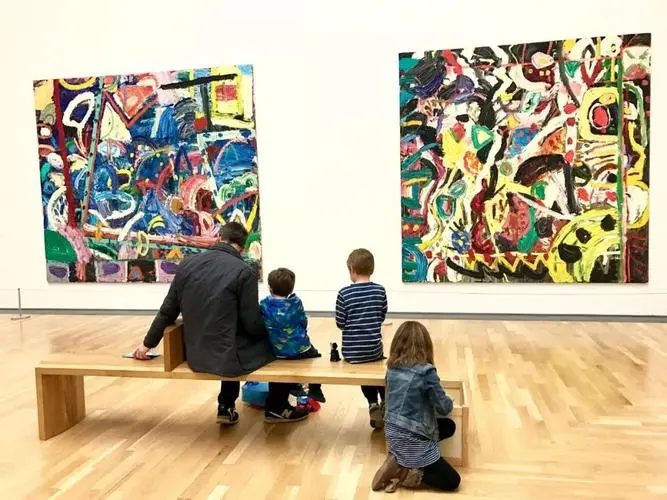
3.2. Emotional Development
Art serves as a medium for emotional expression, helping children cultivate positive emotions, attitudes, and values.
By participating in various artistic activities, children learn to express their feelings through art, which enhances their interpersonal skills and supports mental well-being.
情感教育:通过艺术的形式,美育有助于情感的陶冶,培养良好的情感态度和价值观。
通过参与各种艺术活动,孩子可以学会用艺术的方式表达自己的情感,这对他们的人际交往能力和心理健康都非常有益。
3.3. Encouraging Creative Thinking
Art education fosters creative and imaginative thinking, enabling children to develop innovative abilities. It allows them to freely express their ideas and emotions, which is crucial for personality development and future career growth.
创新思维:美育鼓励创造性思维,激发孩子的想象力和创造力,有助于创新能力的培养。使他们自由地表达自己的想法和情感。这对于孩子的个性发展和未来的职业生涯都至关重要。
3.4. Enhancing Character Development
Art education contributes to personal growth, promoting mental well-being and social adaptability.
It helps children develop a positive outlook on life, nurture compassion and empathy, and grow into responsible and morally grounded individuals.
人格完善:美育有助于孩子形成完善的人格,促进心理健康和社会适应能力的提高。
美育可以帮助孩子形成积极的生活态度和价值观,培养他们的同情心和爱心,使他们成为有责任感和道德感的人。
1. How Should Parents Guide Their Children in Art Education?
四父母应该如何对孩子进行美育?
- Respect Children’s Interests – When choosing an artistic direction, prioritize the child’s interests and preferences.
- Focus on the Experience – Encourage children to enjoy the creative process and express themselves, rather than obsessing over the final outcome.
- Offer Diverse Experiences – Expose children to various art forms to enrich their aesthetic understanding, rather than limiting them to a single discipline.
- Create an Artistic Environment – Foster a creative atmosphere at home by displaying artworks and providing materials for artistic exploration.
- Choose the Right Institution – When selecting an art education program, consider whether its teaching philosophy is scientific, values individual development, and is led by qualified instructors.
1、尊重孩子兴趣:在选择艺术教育方向时,应首先考虑孩子的兴趣和喜好。
2、注重过程体验:鼓励孩子在艺术创作中享受过程,表达自我,而不是过分追求成果。
3、提供多样化体验:让孩子接触多种艺术形式,丰富审美体验,不要局限于某一领域。
4、创设良好环境:在家中营造艺术氛围,如布置艺术作品、提供创作材料等。
5、选择合适机构:选择美育机构时,应考虑其教育理念是否科学,是否注重个体发展,以及教师的专业水平。
1. About TREE ART
五关于 TREE ART
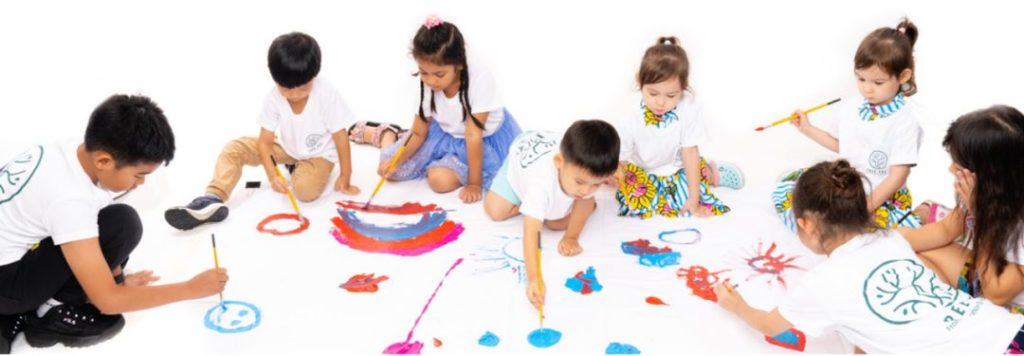
Founded in 2015, Tree Art is built on the philosophy of “From Education To Happiness” and has rapidly become one of Singapore’s most respected art education brands.
Tree Art品牌创立于2015年,以“通往幸福的教育”为品牌理念, 迅速成为新加坡最受尊敬的艺术教育品牌之一。
Our unique approach combines international art programs developed in collaboration with top global universities, setting us apart from the rest. Through a comprehensive OMO (Online-Merge-Offline) model, we provide both online and offline art education, paving the way for a holistic and flexible learning experience.
我们独特的方法,与世界顶尖大学合作开发的国际艺术课程的独特融合,使我们与众不同。我们通过OMO双渠道提供全面的线上和线下艺术教育,为整体和灵活的艺术学习体验铺平道路。
At Tree Art, we envision a new kind of art education—one that inspires creative artistic thinking and practice, nurtures future artistic talent, and cultivates individuals with aesthetic awareness across multiple disciplines. Our dream is to seamlessly integrate art, education, science, and technology into everyday life, making art education accessible to all.
在TREE ART,我们设想一种新的艺术教育,激发创新的艺术思想和实践,塑造未来的艺术人才,培养具有多学科知识的审美意识的个人。我们的梦想是将艺术、教育、科学和技术无缝地融入生活,让所有人都能接受艺术教育。
Through aesthetic education, Tree Art:
- Listens to children’s voices and inner worlds.
- Focuses on emotional development and sensitivity training.
- Uses art courses and activities to stimulate critical thinking.
- Encourages creativity through structured creative habits.
- Inspires multidimensional thinking through aesthetic guidance.
- Builds confidence in decision-making through practice and refinement.
- Enhances the ability to appreciate beauty through structured aesthetic training.
- Develops artistic and creative skills to lead a fulfilling and happy life.
Tree Art通过美学的教育,
更多的倾听孩子的心声与内心世界,
更多的关注与培养孩子的情操与感性教育,
从而通往幸福的人生。
通过艺术课程和艺术活动,激发孩子们的思考。
通过创意习惯的训练,提升想象与创造的能力。
通过美学启发与引导开启多方位思考能力。
通过反复练习与考究做出自己的决定。
通过美学规律训练提升判断美的能力。
通过审美和创意能力的培养,最终获得幸福的人生。


