
Art classes play a significant role in shaping the emotional well-being of children and are an essential component of their education.
In today’s fast-paced world, children often face pressures that stifle their creativity and emotional expression.
Through art classes, children can unlock their potential, encouraging emotional growth, problem-solving skills, and inner happiness.
Introduction to Art Classes for Children
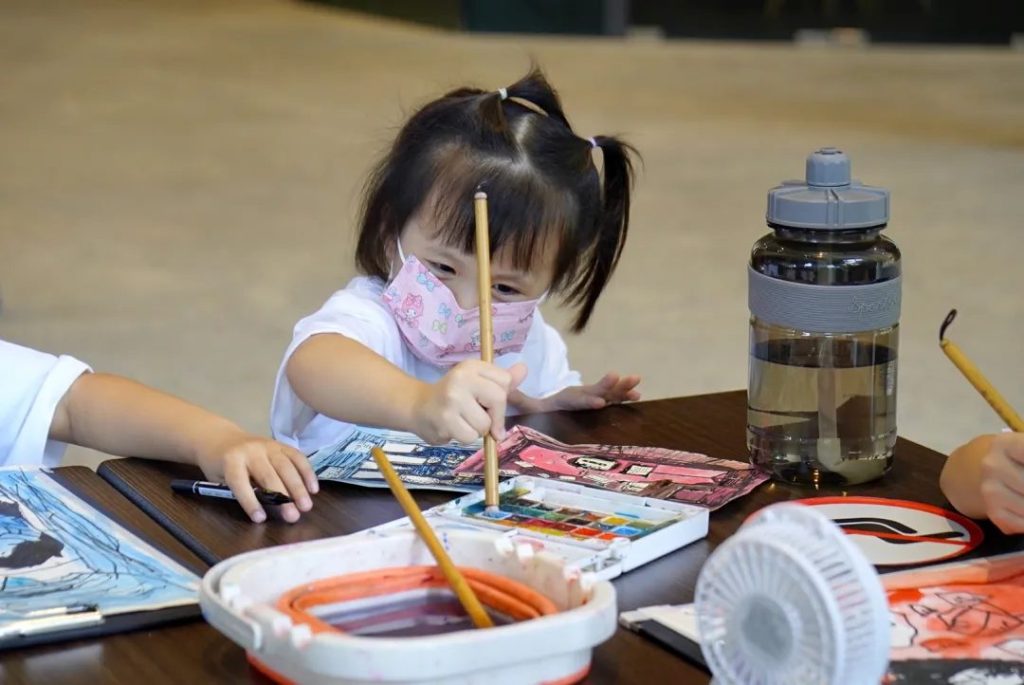
In a world brimming with technology and information, art classes serve as an oasis of creativity and emotional expression for children, creating meaningful pathways to emotional well-being.
Art encourages children to navigate the complexities of the human experience with grace.
Engaging in art fosters a sense of purpose and clarity, giving them the tools to articulate emotions.
These classes provide a nurturing environment where children feel safe to express their innermost thoughts and feelings.
With art, children learn empathy and resilience, laying the groundwork for a balanced emotional life, and the ability to view challenges as opportunities.
Indeed, the creative world of art classes is a valuable ally in nurturing tomorrow’s leaders who are imaginative, empathetic, and confident.
Why Art Matters for Emotional Growth
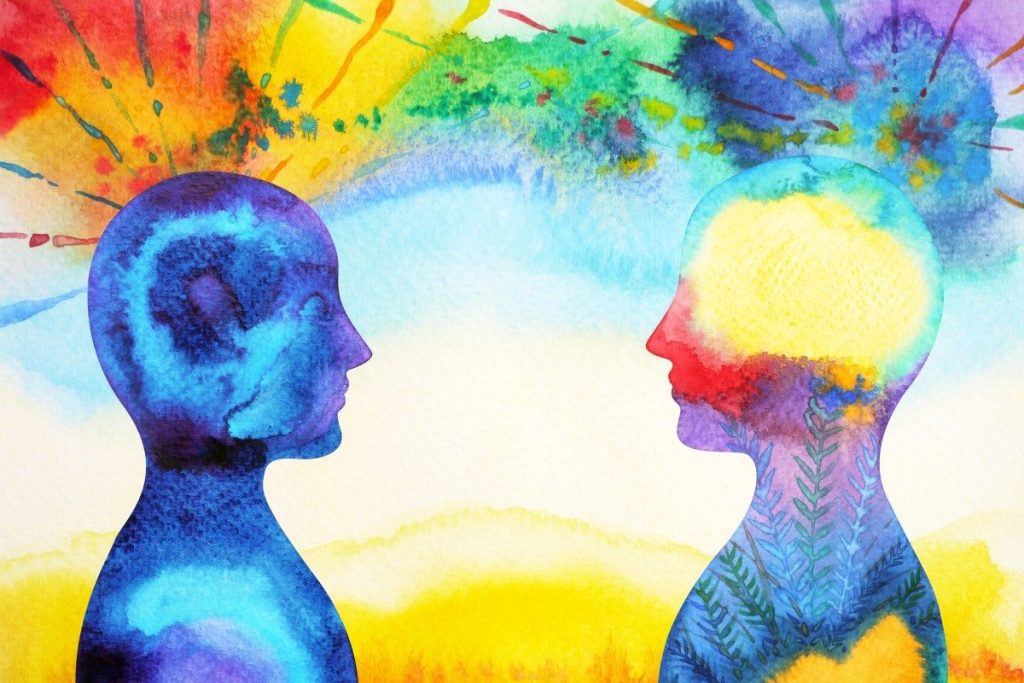
Art serves as a powerful catalyst for emotional growth by enriching children’s understanding of themselves and the world. It bridges the gap between internal emotions and external expression, providing a medium through which children can gain insight into their feelings.
In 2016, Singapore Children’s Society conducted a study revealing that participation in the arts significantly enhances children’s emotional intelligence, helping them better manage and comprehend their emotions, contributing to overall well-being.
Moreover, it is no small feat that art nurtures children’s capacity to create a narrative of their experiences, to translate emotional complexity into tangible stories that articulate their perceptions, fears, and joys vividly.
Researchers have discovered that the exploration of art materials, while seemingly simple, actually engages areas of the brain involved in the 3 C’s: communication, creativity, and critical thinking, which leads to improved emotional intelligence.
As champions of tomorrow, children endowed with emotional growth through art classes are better equipped to harness their unique perspectives and navigate life’s myriad challenges with resilience and empathy.
Boosting Self-Expression through Art
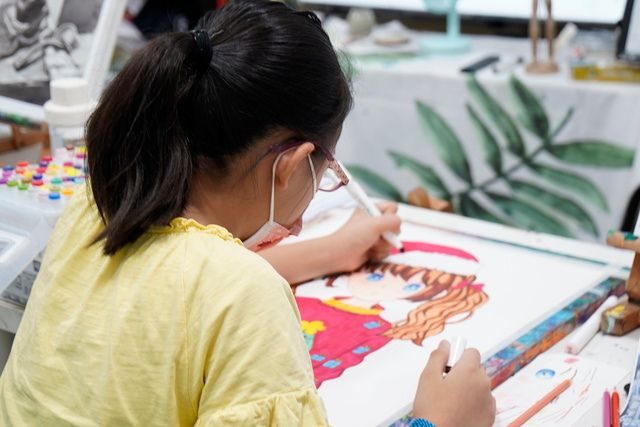
Art’s boundless potential offers children a medium of unbounded communication, where words may fall short. Through art, children are given the freedom to sculpt their worlds, breathing life into imaginations unspoken, allowing them to convey nuanced emotions with authenticity.
Encouraging Creativity and Imagination
Art classes and creative workshops foster limitless possibilities, igniting children’s unique creativity and transformative pathways for dynamic imagination.
Children who engage in creative activities exhibit higher levels of problem-solving skills and innovative thinking throughout life.
These creative endeavours are the foundation on which children build confidence, enhancing their abilities to think outside conventional frameworks while inspiring innovative and diverse viewpoints.
By elevating their creative potential and broadening the horizons of their imaginations, art classes nurture a generation adept at addressing evolving challenges with visionary foresight and original solutions.
Art Classes as a Tool for Emotional Expression
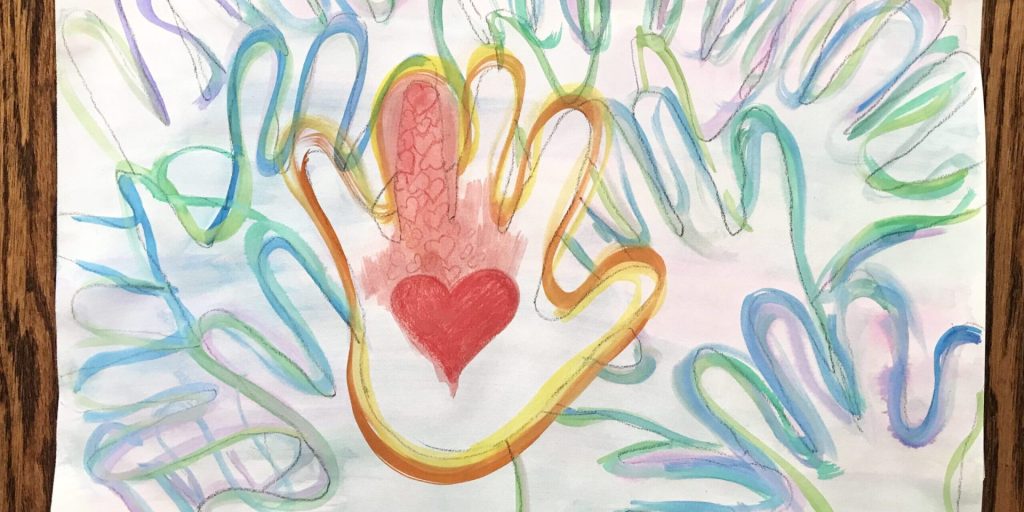
Art provides children a sanctuary, a canvas for unfiltered emotional expression, where words may falter. Participating in drawing and other art classes enables children to explore and articulate their innermost emotions through vibrant strokes and bold creations, fostering a profound sense of personal insight.
Through the process of creating art, children learn to “speak differently”. Art serves as a mirror to their inner world, offering them an alternative language. In this way, the journey of art-making not only enriches their emotional literacy but also empowers them to approach life’s complexities with an enhanced capacity for emotional resilience.
Benefits of Visual Storytelling
Visual storytelling captivates and engages children’s imagination.
By employing this powerful medium, children learn to communicate ideas and emotions beyond the constraints of language. This practice encourages them to harness their creativity and develop the ability to convey complex narratives through compelling imagery. Over time, these experiences refine their skills in empathetic communication, nurturing more profound connections with others.
Children’s narratives flourish using visual imagery.
Simple sketches evolve into intricate tales – as they grow more skilled, children gain profound insights into the multifaceted storytelling dimensions unique to the visual arts – honing observational prowess and arousing empathetic connections.
Ultimately, nurturing visual storytelling in art classes empowers children to embrace and express their individuality while fostering self-confidence and innovation. As they interact with diverse visual narratives, they cultivate a more inclusive perspective of the world around them, preparing them to become perceptive, thoughtful leaders in an interconnected global society.
Building Confidence through Art Activities
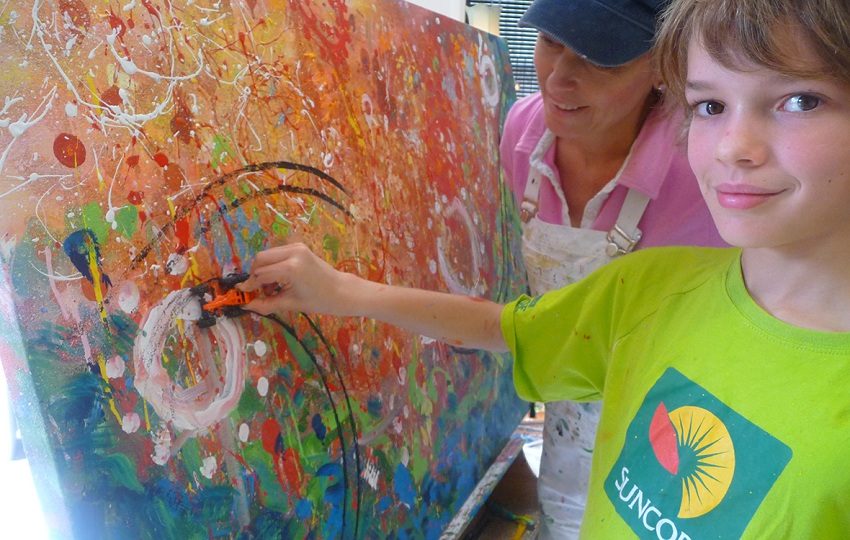
Art classes empower children to discover their unique voices, breathing life into each child’s potential, and cultivating self-assuredness.
In an atmosphere where self-expression thrives, these creative sessions and creative workshops encourage children (and adults) to experiment with various mediums, drawing their inspiration from diverse techniques, thus allowing for exploration without fear of judgment. This nurturing environment promotes growth in creative problem-solving skills, essential for self-confidence.
The terms “self-confidence” and “self-expression” have become synonymous in the realm of the ‘artistic journey’.
Overcoming Inhibitions in Art
Art classes lay the foundation for children to explore their creativity freely, unlocking a fearless realm of self-expression often hidden within their young hearts. They foster an environment where children feel safe to experiment and make mistakes, lighting the path toward personal growth.
As children confront personal inhibitions, the structured yet liberating setting of an art class acts as a catalyst for breaking free from self-imposed limitations.
Creatively, their innate desire to explore and experiment takes centre stage, uncovering the rich tapestry of their imagination while vanquishing the fear of judgment.
Through seamless guidance and encouragement, art educators ignite a spark that propels each child toward embracing their journey of artistic discovery, valuing not only the artistic journey but also the critical role of education in fostering such growth.
As they delve deeper into their creative pursuits, children encounter unspoken support that naturally diminishes anxieties and unleashes their boundless artistic potentials, equipping them with invaluable lessons in patience, resilience, and confidence.
Together, they weave through a nurturing cocoon that champions every child’s artistic endeavours. Vivifying creativity becomes a celebration, unveiling the truth that beauty resides not in perfection, but in the boldness of self-expression.
Art’s Role in Enhancing Social Skills
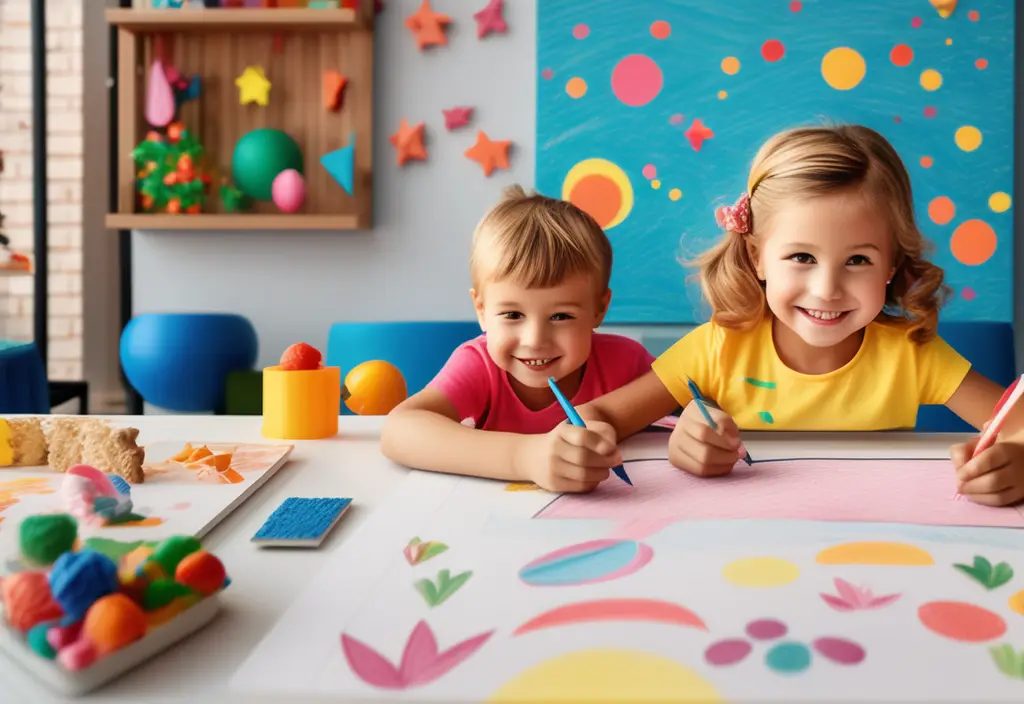
Art classes open up a universe of interaction and dialogue amongst children, forging pathways where friendships blossom and mutual respect, patience, and co-operation thrive. Activities like group projects or exhibitions lead children to communicate, appreciate diverse perspectives, and develop essential social skills integral to their holistic growth.
Participation in such creative endeavours gives children an opportunity to cultivate empathy and foster an inclusive mindset.
Collaboration and Teamwork in Art Projects
Collaborative art projects provide fertile grounds for children to hone collaboration and teamwork skills, subtly preparing them for future interactions.
Within these settings, children are entrusted with a shared vision and collectively work towards a common goal, learning the nuances of effective communication and the importance of listening to others. This collaborative environment paves the way for harnessing the collective creativity of a group, transforming individual visions into dynamic artistic expressions that resonate powerfully.
Moreover, children discover the value of a diverse array of ideas. By engaging in discussions, they learn how compromise enriches outcomes and fosters a spirit of inclusion, ultimately leading to authentic and meaningful artistic achievements.
In these collaborative projects, children are empowered to take on various roles that reflect their strengths, or alternatively, challenge themselves to grow in new areas. Such experiences lay the foundation for problem-solving, encourage adaptive thinking, and imbue an understanding that obstacles are opportunities for innovation, nourishing self-assurance and visionary thinking.
Managing Stress and Anxiety with Art
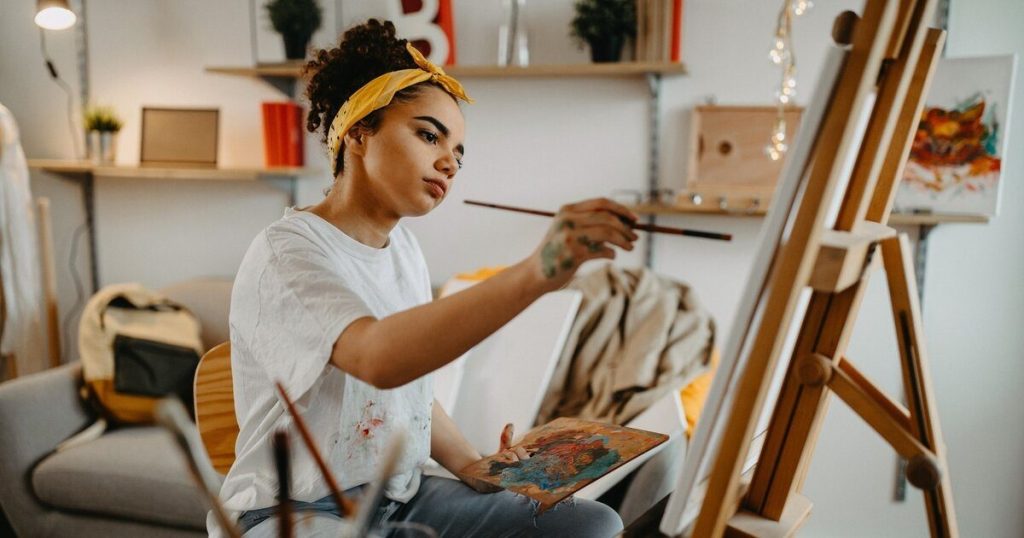
Art’s transformative power transcends boundaries, offering children an exceptional emotional sanctuary, especially during times of stress. Through art classes, children find calm amidst chaos, cultivating resilience by channeling emotions into colours and shapes, encouraging a sense of purpose and relaxation.
By harnessing the therapeutic aspects of a blank canvas, children create their “safe spaces”. Engaging in art as a form of personal expression, they experience a profound release of emotions. In this way, the formation of art becomes more than just an activity; it is an avenue for children to navigate life’s challenges while nurturing inner peace.
Techniques for Mindful Art Practice
Meditation with colours is an enriching practice that encourages children to connect deeply with their creativity, enabling them to explore their emotions with clarity.
Guided exercises help young artists embrace mindfulness through art-making.
By nurturing an intentional rhythm of art creation, children experience a state of flow—a harmony of thoughts and brushstrokes, free from distractions. This provides a sanctuary from the external world, fostering a sense of balance and mental calmness.
Moreover, tactile experiences like clay modelling or paper sculpting contribute immensely to a child’s understanding of mindfulness. Throughout these processes, there is an invitation to explore textures, sensations, and patience. Such a practice not only cultivates a mindful approach but also refines emotional intelligence, leading to a heightened awareness of both self and surroundings. This mindful exploration ultimately encourages children to “see” and appreciate the profound beauty in every aspect of their art.
Art and Child Development Insights
Beneath the vibrant strokes lies a tapestry of transformative experiences, where each hue reveals. Research shows that art classes significantly enhance cognitive abilities, nurturing children’s capacity to tackle problems with a robust and resilient mindset.
Cognitive and Emotional Improvements
Art classes play a crucial role in enhancing both cognitive functions and emotional intelligence in children.
- Enhanced Creativity: Art encourages imaginative thinking, equipping children to approach problems innovatively.
- Problem-Solving Skills: Engaging in art projects develops strategic thinking and resourcefulness.
- Emotional Expression: Art provides a safe outlet for emotions, fostering emotional clarity and regulation.
- Increased Focus: Working on art tasks improves concentration and attention to detail.
- Self-Esteem Boost: Completing art projects can elevate a child’s confidence and self-appreciation.
These improvements empower children to navigate complex emotional landscapes with resilience.
By fostering such abilities, art contributes significantly to a child’s holistic development, preparing them for future challenges.
Customising Art Classes for Different Age Groups
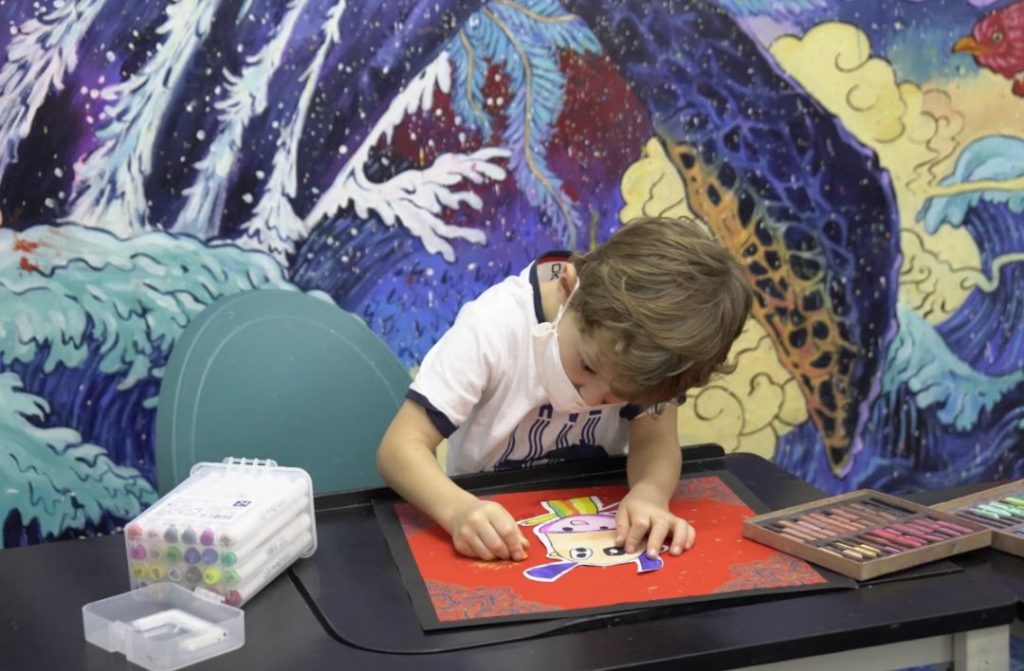
Tailoring art experiences to align with their education maximises growth and engagement in children.
Structuring art classes to suit specific age groups can significantly impact the developmental journey of young minds. For young children, introducing tactile and sensory activities can stimulate curiosity and enhance motor skills. Likewise, allowing pre-teens to explore abstract concepts can foster critical thinking. Meanwhile, age-appropriate modifications ensure children remain engaged and challenged in their art exploration.
Young children thrive in environments that encourage play.
Such settings allow for the natural development of creativity—a potent force for learning. Aligning the art curriculum with cognitive milestones ensures that each child receives the most suitable stimulus for their growth and emotional well-being.
Older children benefit from exploring more complex art forms. This exploration, enriched by increasingly challenging mediums and techniques, encourages them to harness critical analysis and introspection. By focusing on age-specific needs, educators can nurture children’s creative potential and emotional development, ensuring art classes remain a source of joy and enlightenment.
Exploring Different Art Forms in Classes
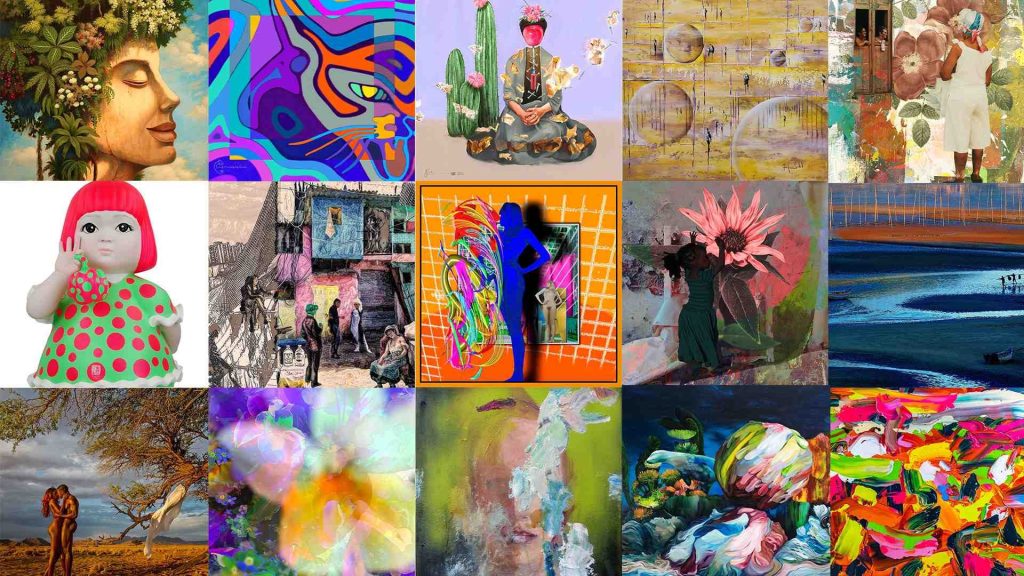
In art classes, children’s imaginative prowess finds a canvas of boundless possibilities, where each stroke narrates a story. Exploring various art forms—painting, pottery, digital art—unlocks different facets of a child’s creative potential, moulding them into resilient, expressive individuals.
Painting, Sculpture, and More
Painting and sculpture form the cornerstone of artistic exploration for children in art classes. Through the vibrant strokes of a paintbrush or the tactile shaping of clay, young minds discover a rich tapestry of expression, tapping into creativity they may not have yet realised they possess.
These art forms offer more than visual satisfaction; they evoke emotions and inspire a sense of accomplishment. Children experience pride after completing a piece, regardless of simplicity or complexity.
In painting, children learn about colours, patterns, and textures, developing a keen eye for detail and an understanding of aesthetics. Similarly, sculpture encourages spatial awareness and craftsmanship, allowing them to shape and develop ideas into tangible forms.
The freedom and flexibility inherent in painting, drawing, sculpture, and other art forms invigorate a child’s capacity to imagine and create. They learn to convey their inner worlds and emotions through art, fostering emotional intelligence and resilience. Art classes instill a lifelong appreciation for beauty and innovation, empowering children to envision and sculpt a more hopeful future.
Success Stories from Art Classes
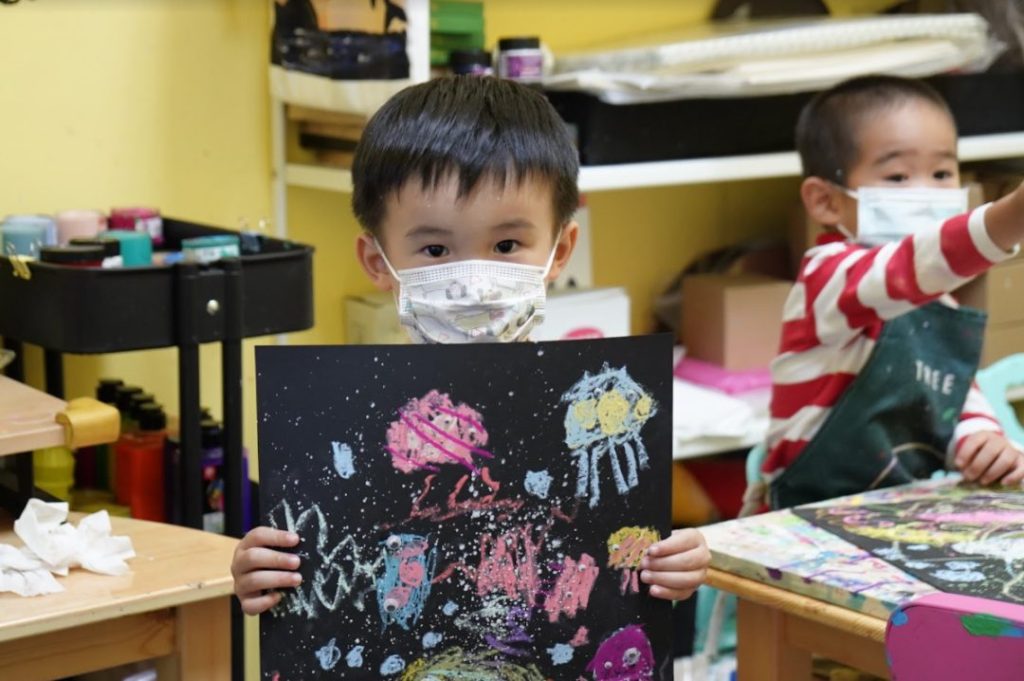
In vibrant studios across the city, stories of transformation unfold, revealing the profound impact art classes have on children.
Consider Johan, an initially introverted child in a prestigious school where academic excellence often overshadowed personal expression. Through consistent engagement in art classes, Johan tapped into his creativity, gaining confidence otherwise hidden. His teachers witnessed a remarkable improvement in his ability to articulate thoughts, showcasing enhanced emotional intelligence and communication skills.
Furthermore, there was Sarah, who found art a comforting escapade amid her struggles with anxiety. Through various artistic mediums, Sarah channelled her emotions, discovering the calming effects of her creative pursuits. Her journey in art led to increased self-awareness and a newfound resilience in dealing with life’s hurdles.
These narratives exemplify how art classes plant seeds of personal growth and emotional well-being, cultivating a sanctuary where children thrive. By reflecting on the stories of Johan and Sarah, we are inspired to recognise the transformative power of creativity, envisage limitless potential, and foster environments where all children can realise their most authentic selves.
Selecting the Right Art Class for Your Child
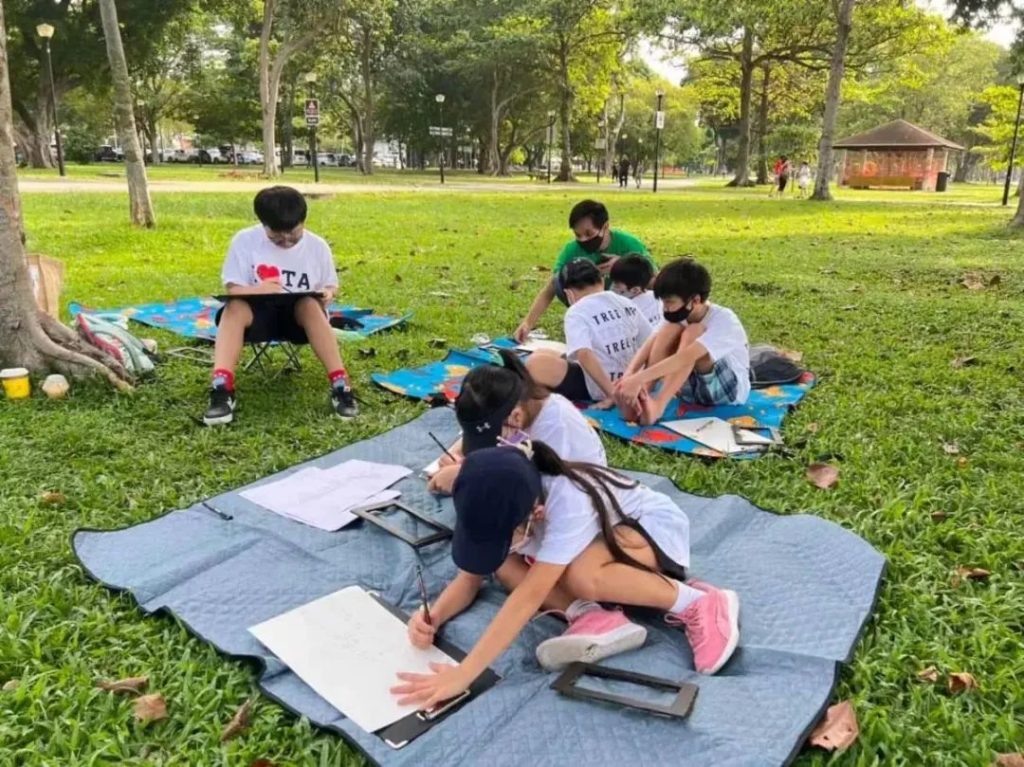
Choosing an appropriate art class can greatly enhance the emotional well-being and creativity of your child, allowing them to explore their inner world.
Consider the learning style that resonates most effectively with your child’s needs.
You may want to prioritise classes that offer diverse artistic techniques, fostering a balance of structured guidance and creative freedom. Additionally, exploring different art mediums like painting, sculpture, or digital art ensures your child stays engaged, motivated, and excited about their journey.
The success of an art class hinges on how well it aligns with your child’s unique interests and developmental stage. It is imperative to connect with instructors who are passionate and who encourage a nurturing classroom atmosphere—fostering a culture of support and creativity. By infusing enthusiasm and inspiration, art educators can lay a foundation where your child can unlock newfound passions and emotional resilience.


