
Students struggle to engage with traditional academic subjects, hindering their overall performance and confidence in school.
Imagine a classroom where creativity harmonizes with cognition, transforming textbooks into tools for artistic exploration.
Art classes offer this enriching experience, fostering skills like critical thinking and problem-solving, elevating academic achievement.
Enhancing Cognitive Skills Through Art
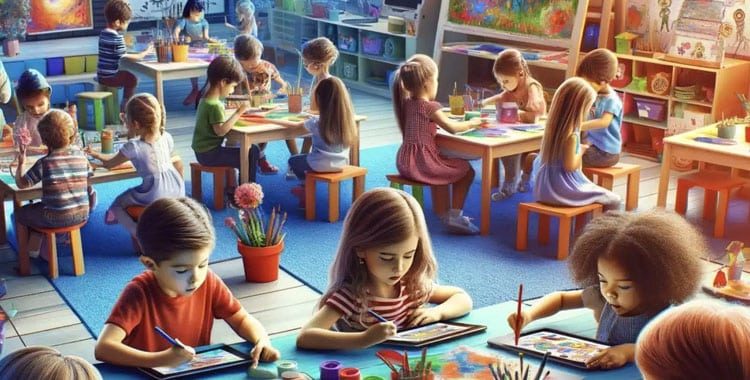
Art classes, through their dynamic nature, enhance a student’s cognitive skills and reshape their academic journey.
By engaging in art, students stimulate a myriad of mental processes that involve planning, attention, and flexibility, all critical to cognitive development. These creative endeavours spark the brain’s regions responsible for innovation and conceptualisation, ushering in new ways to approach conventional educational hurdles.
Students who routinely participate in art projects develop a keener eye for detail. This heightened awareness transcends the art room, spilling over into other subjects, aiding in analytical challenges and ultimately boosting academic success.
Art classes serve as a laboratory for creativity, where trial and error lead to resilience and deeper learning. Such an environment not only nurtures inquisitive minds but also equips students with adaptive strategies for real-world applications. In doing so, art education cultivates lifelong learners with versatile skill sets, prepared to excel in multifaceted academic and professional landscapes.
Art Classes and Critical Thinking
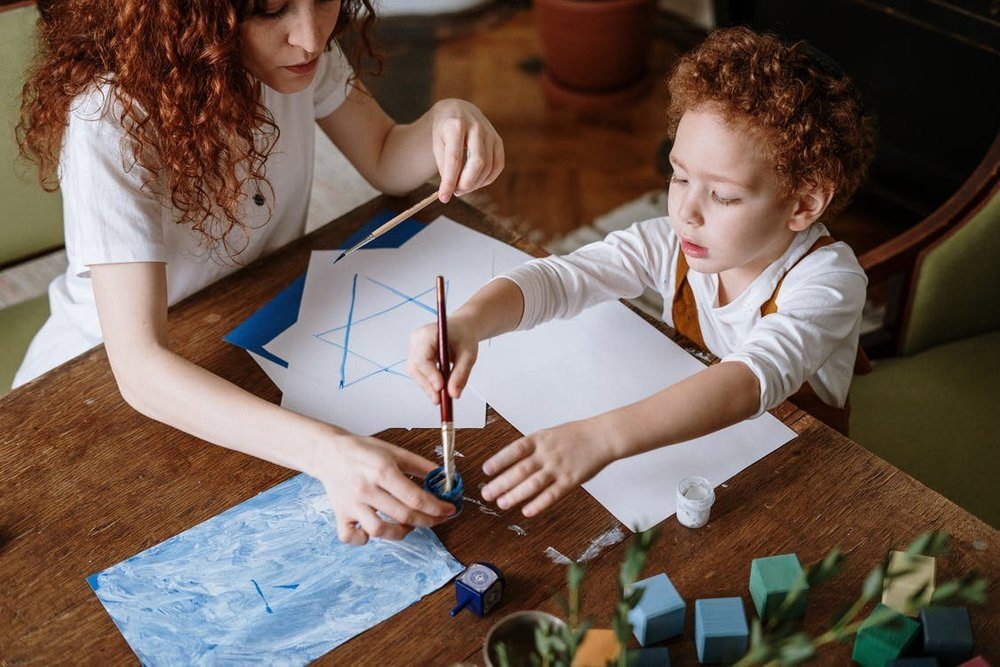
Art classes play a pivotal role in fostering critical thinking among students by encouraging exploration, curiosity, and the pursuit of innovative solutions.
Through art, students learn how to approach tasks from diverse perspectives.
Engaging in artistic endeavours demands a vast array of problem-solving skills, many of which are akin to those required in science, technology, engineering, and mathematics. Such parallels allow students to cultivate a mindset where critical thinking is seamlessly integrated into their academic pursuits and daily lives.
This holistic environment empowers students to break free from the rigid confines of traditional educational constraints, nurturing an atmosphere of collaborative discernment and discovery. Art classes champion the notion of “thinking outside the box,” propelling learners to challenge assumptions and embrace the complexity of the world with confidence and enthusiasm. Such inspiring instruction begets a resilient and intellectually agile generation, unafraid to pioneer their unique paths forward.
The Role of Art in Creative Problem Solving
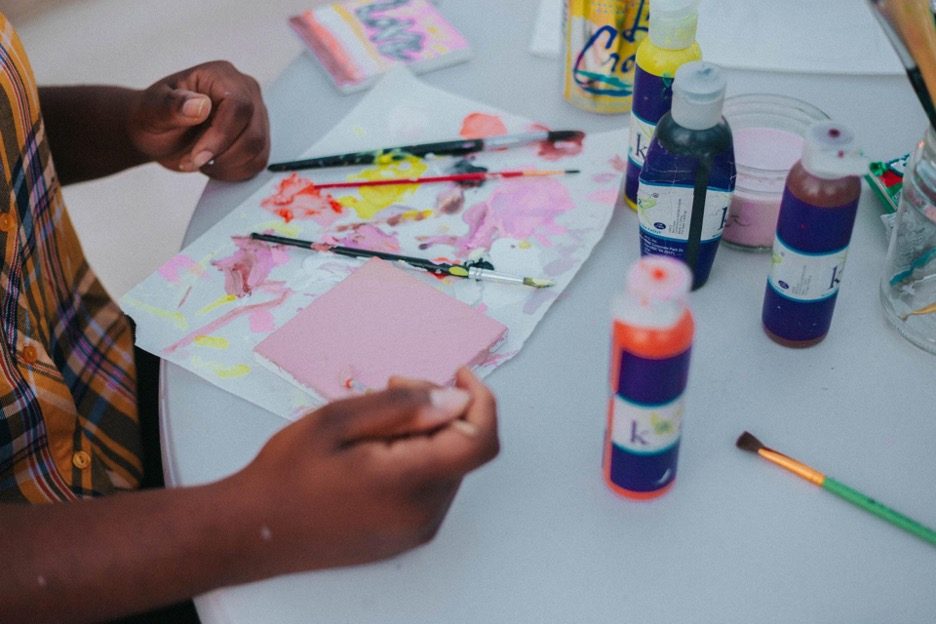
Art classes have the profound potential to significantly enhance cognitive flexibility and innovative thinking. They cultivate an environment where students are encouraged to express new ideas, experiment with different techniques, and welcome unexpected outcomes. In this process, they develop resilience and adaptability, essential traits in creative problem-solving.
In 2016, researchers conducted a study examining how participation in art classes influenced students’ problem-solving abilities. The results were compelling, demonstrating that students engaged in artistic activities regularly showed heightened capacity in generating novel solutions and thinking critically about complex issues. These skills transferred seamlessly to other academic disciplines, bolstering overall academic performance and personal development.
Delving into the world of art fosters a mindset in which one’s approach to problems becomes an exploration of possibilities rather than a search for a singular solution. This shift in perspective encourages students to perceive challenges as opportunities for creative expression, leading them to form connections and insights that were previously unseen. As they hone these skills, they build a robust foundation for tackling issues with confidence and precision.
Exploring the nuances of art demands a unique form of attention, one that is both disciplined and open-minded. Students learn to synthesize disparate elements—a critical component of creative problem-solving. By navigating the complex interplay of various media and techniques, they inadvertently cultivate innovative thinking patterns that extend beyond the realm of art and into their everyday lives.
Integrating art courses into education is vital for nurturing versatile thinkers ready to address the world’s challenges, whether they are in Singapore or elsewhere.
Art as a Medium for Emotional Expression
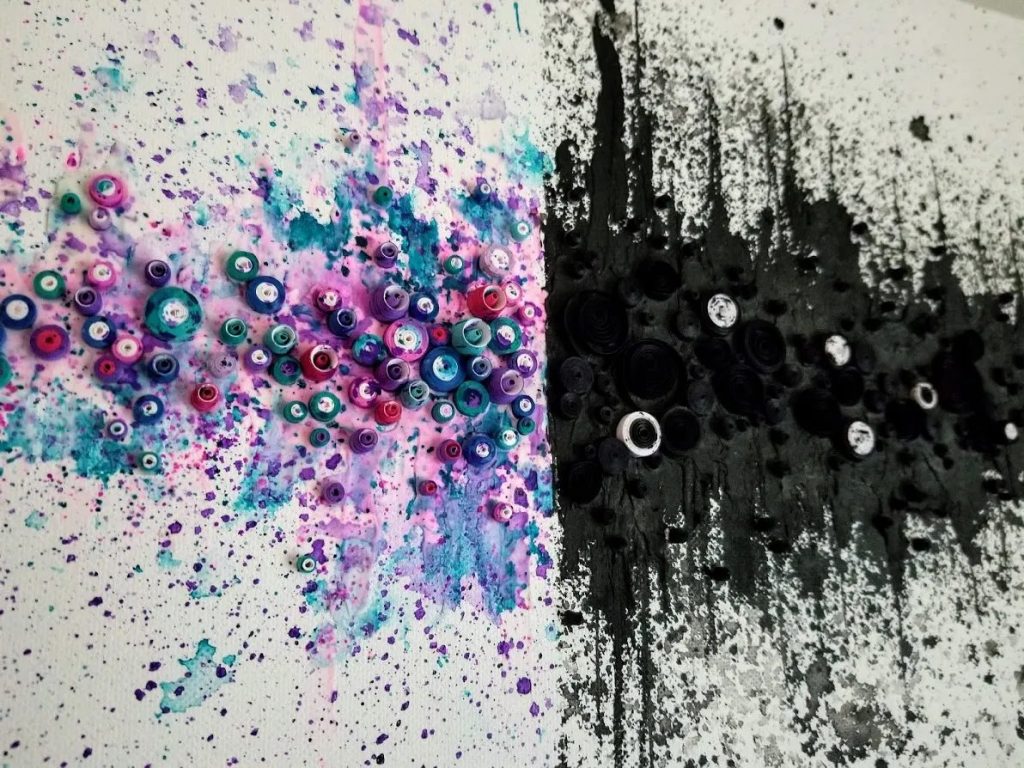
Art transforms thoughts into tangible forms.
In the realm of education, art classes are more than a break from traditional subjects; they are the best catalyst for emotional expression and personal development, especially for kids. They act as a vital catalyst for emotional expression and personal development, permitting students to explore and articulate intangible feelings through visuals and colours. Inevitably, this becomes the cornerstone of fostering emotional intelligence and resilience in students.
Colours speak louder than words, offering the best means to express emotions beyond verbal communication.
In art courses, students are gently nudged to converse with their inner selves – an invaluable skill when navigating tumultuous emotional landscapes that life may present in the future. Here, there is an unrivalled ability to articulate one’s emotions beyond verbal or written forms.
The journey of discovering self through art can significantly enrich the educational experience, imbuing students with the tools to gain deeper insights into emotions. This process not only heightens emotional awareness but also equips learners to harness empathy and develop relationships that embody understanding and same-heartedness, consequences far-reaching into academic pursuits and personal growth.
Art Classes and Social Skills Development
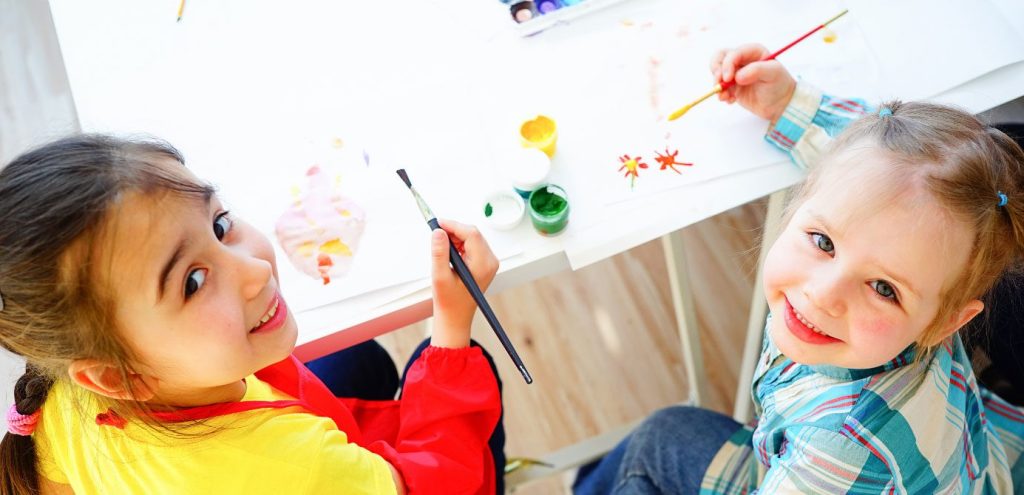
Art classes are a remarkable space that nurtures the blossoming of creativity and cultural appreciation for kids, while also enabling the growth of social skills, similar to how Singapore embraces multiculturalism and artistic innovation.
Collaborative art projects spark conversation, fostering a spirit of teamwork.
Through the harmonious exchange of ideas in art classes, students cultivate a sense of community, underpinning the importance of listening, cooperating, and respecting diverse perspectives. These social interactions forge connections that transcend the classroom, leading to lifelong friendships.
Art possesses a transformative capacity to bring out the best in every student, as artistic endeavours necessitate communication and shared vision. This environment not only bolsters confidence but also fosters an inclusive atmosphere where every voice is valued. In cultivating these skills, students stand poised to navigate the complexities of real-world interactions, ready to contribute thoughtfully and dynamically. As they embark on this creative venture, they become “artists” of their social worlds, adept at weaving relationships that are both profound and lasting.
Art Classes and Academic Subjects

In today’s complex educational landscape, a myriad of interdisciplinary connections awaits discovery. Integrating art classes with core academic subjects fosters a synergetic environment that enhances critical thinking, creativity, and problem-solving skills. This holistic approach not only deepens students’ understanding of traditional subjects but also stimulates innovative thinking, empowering them to excel academically and pursue intellectual curiosity.
Art Integration in STEM
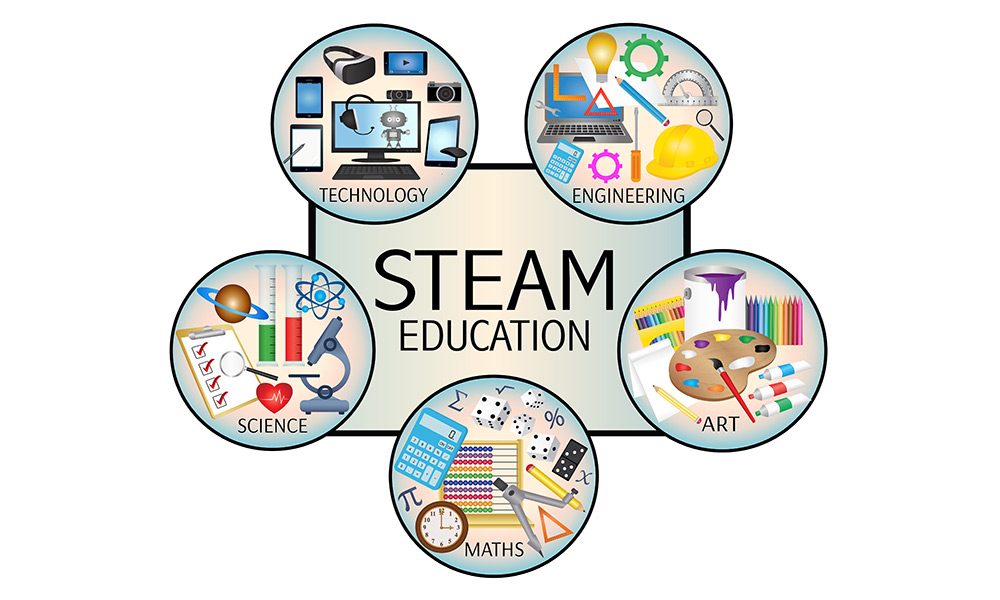
Art’s vibrant synergy with STEM nurtures a generation of innovative thinkers and problem-solvers. By blending creativity with analytical skills, students gain fresh perspectives on complex scientific concepts.
Pioneering institutions recognise the transformative power of this “STEAM approach”. Art classes are no longer just a respite from rigorous academics; instead, they become an integral driver of cognitive development.
Including arts in STEM curricula boosts students’ creativity and problem-solving capabilities by 20%, according to recent educational studies.
Such integration encourages students to leverage both hemispheres of the brain, resulting in a balanced intellectual prowess. Art classes enhance pattern recognition, spatial reasoning, and the emotional depth necessary for inventive exploration. As this dynamic interplay unfolds, students build confidence and adaptability, essential skills for future-oriented careers.
Improved Literacy Through Art
Could the strokes of a brush and the rhythm of colours truly illuminate the path to academic literacy success?
In 2016, renowned researcher, a leading literacy expert, discovered that integrating art with literacy lessons significantly enhanced children’s reading and writing abilities, showing an 18% improvement.
Indeed, it is no surprise that art’s narrative essence helps students develop a comprehensive understanding of the stories they illustrate and craft, fostering an effective synthesis of image and word narratives.
Harnessing the power of the visual and the verbal, students learn to decode not just the letters of the 3r’s, but also the symbolic interpretations, enriching overall communication proficiency.
In classrooms where art flourishes, the written word becomes more than text; it evolves into vivid, imaginative realms that stimulate and sustain intellectual pursuits.
Choosing the Right Art Class
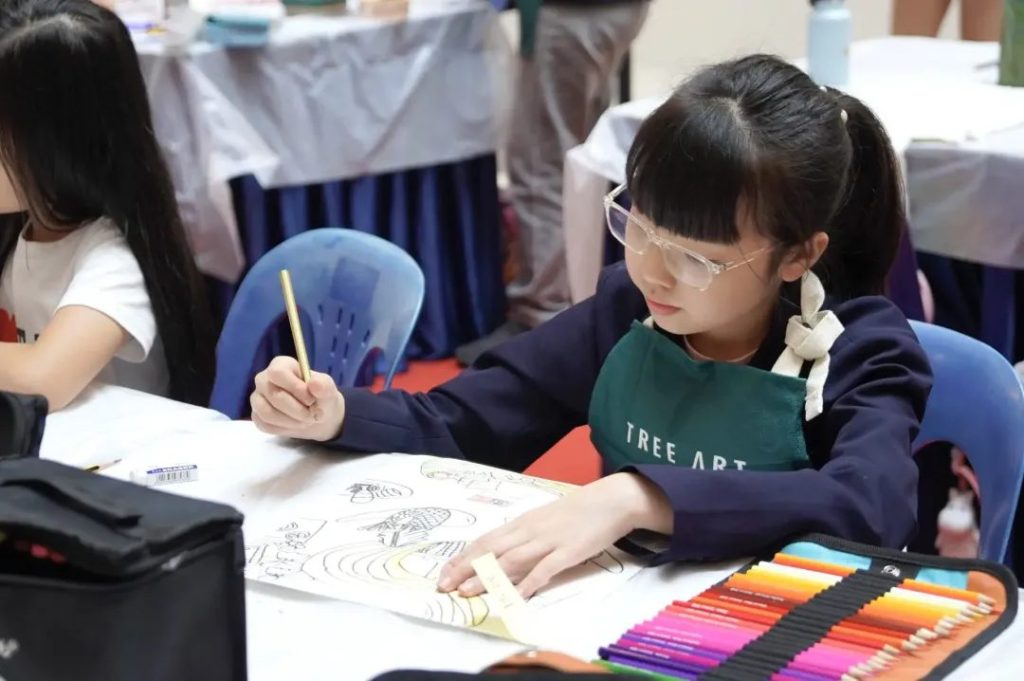
The choice of an art class for kids is pivotal.
Foremost, it is vital to assess the instructor’s qualifications. The ideal educator is one who not only masters the art form but also possesses the pedagogical prowess to inspire others. Moreover, look for an environment that encourages experimentation, where learners feel both challenged and supported in their creative quests.
Consider the art class structure, available courses, and curriculum.
Numerous types exist – be it sketching, painting, or sculpting, each offers unique skills conducive to creative development and often mirrors real-world applications.
A wise selection empowers students to transcend limitations, seeking out unfamiliar challenges and surpassing their expectations. The art class transforms into a sanctuary of inspiration, motivating learners to embrace and explore the captivating unknown of the creative world.
The Tree Art Method Explained
The Tree Art Method is an innovative art-instruction approach that harnesses natural inspiration to awaken students’ creativity and enhance their cognitive skills.
Rooted in mindfulness, this approach utilises interactive art exercises (such as sketching of organic forms) to connect with cognitive learning, thus aiding in developing focus and abstract reasoning beyond the conventional.
Art’s “branches” and “roots” become metaphors to explore the ‘interconnection of concepts’.
Core Principles of Tree Art
Tree Art thrives on interconnected concepts.
At its foundation, the Tree Art Method is deeply entrenched in mindfulness, fostering personal and intellectual growth. By drawing inspiration from nature, students experience a harmonious blending of creativity and analytical thought, akin to how the roots and branches of a tree coexist. Consequently, this method strengthens an individual’s resilience and adaptability, qualities paramount in today’s dynamic educational landscape.
Nature inspires insight and comprehension.
By engaging in exercises that mimic natural patterns, students tap into the innate potential of their minds, igniting both curiosity and a yearning for exploration. This synergy of nature-inspired art not only enhances creative faculties but also bolsters problem-solving capabilities.
Ultimately, the core principles of Tree Art aim to cultivate a nurturing environment where innovation blossoms. This approach empowers learners to not just appreciate art as a subject, but as a transformative tool that emboldens them to challenge their own limits. As we traverse this new methodology, Tree Art encourages a lifelong appreciation for both education and creativity, representing the future of holistic cognitive development.
Real-World Applications of Tree Art
Tree Art, with its nature-infused approach, finds broad applications that transcend traditional artistic realms, fostering profound growth in various fields.
- Environmental Education: Incorporating Tree Art into environmental programs helps students understand ecological balance and sustainability.
- Therapeutic Interventions: Utilised in therapy, Tree Art can aid emotional healing and enhance mental well-being through expressive creativity.
- Architectural Design: Architects harness Tree Art principles to envision and create sustainable, nature-inspired structures.
- Corporate Innovation: Businesses embrace Tree Art techniques to stimulate creativity and improve problem-solving strategies among teams.
These applications underscore Tree Art’s capacity to inspire novel solutions and enriched perspectives across different disciplines.
By instilling an awareness of nature and interconnectedness, Tree Art plays a pivotal role in shaping innovative, forward-thinking minds.


