
培养孩子的高级审美,从鉴赏名画开始
In today’s image-saturated era of visual culture, the importance of aesthetic education cannot be overstated. A refined sense of aesthetics not only enhances artistic appreciation, but also shapes a child’s perception of the world, their attitude toward life, and their ability to express themselves authentically.
在当今视觉文化盛行的时代,审美教育的重要性不言而喻。审美能力不仅关乎艺术欣赏,还影响着孩子对世界的感知、对生活的态度以及对自我表达的方式。
Introducing children to great works of art is one of the most effective ways to develop advanced aesthetic sensitivity. Art appreciation serves as a gateway, guiding young minds into the rich and diverse world of artistic expression.
而鉴赏名画是培养孩子高级审美的重要方式,是引导孩子走进艺术殿堂的最佳途径。
I. Understanding Composition
一、看构图
Composition is the framework of a painting—it determines the balance, rhythm, and visual focus of the image. By analyzing composition, children can begin to understand how artists organize visual elements to guide the viewer’s gaze and convey meaning.
构图是画作的骨架,它决定了画面的平衡、节奏和视觉焦点。通过观察构图,孩子可以理解艺术家如何组织画面,引导观者的视线。
1. Subject and Background
1. 主体与背景
Encourage children to identify the main subject of the painting and observe how the background supports or contrasts with it.
让孩子找出画中的主体是什么,背景是如何衬托主体的。
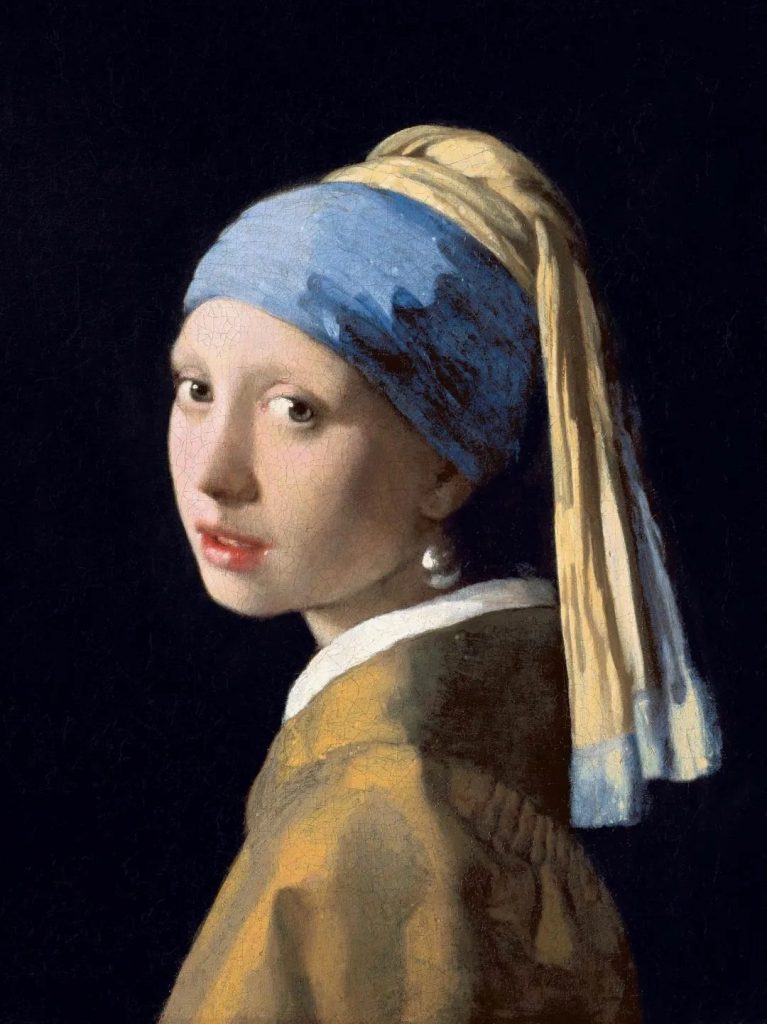
For example, in Girl with a Pearl Earring by Johannes Vermeer, the girl is clearly the central subject. Her facial expression and the luminous pearl earring serve as focal points. The dark, plain background helps to isolate her figure, allowing the viewer’s attention to rest entirely on her face and expression.
例如,在维米尔的《戴珍珠耳环的少女》中,少女是主体,她的面部表情和珍珠耳环是画面的焦点。背景是深色的,简洁而朴素,这种处理方式让观众的注意力完全集中在少女的面部表情上。
2. Symmetry and Asymmetry
2对称与不对称
Ask children to observe whether the composition is symmetrical or asymmetrical. Symmetry often conveys a sense of stability and solemnity, while asymmetry can evoke dynamism and tension.
让孩子观察画面是对称的还是不对称的。对称构图通常给人稳定、庄重的感觉,而不对称构图可能更具动感。
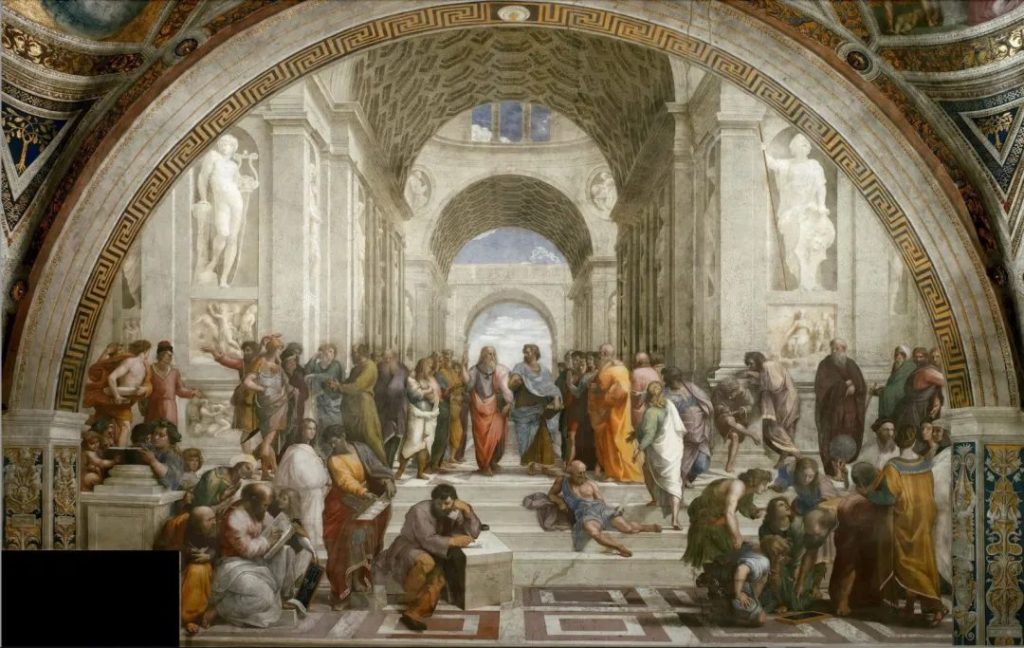
In The School of Athens by Raphael, the symmetrical composition places Plato and Aristotle at the central axis. The surrounding figures and architectural elements mirror each other, reinforcing a sense of balance and grandeur.
拉斐尔的《雅典学院》采用对称构图,画面中心的柏拉图和亚里士多德位于对称轴上,两侧的人物和建筑也呈现出对称分布,突出了画面的庄严感和平衡感。
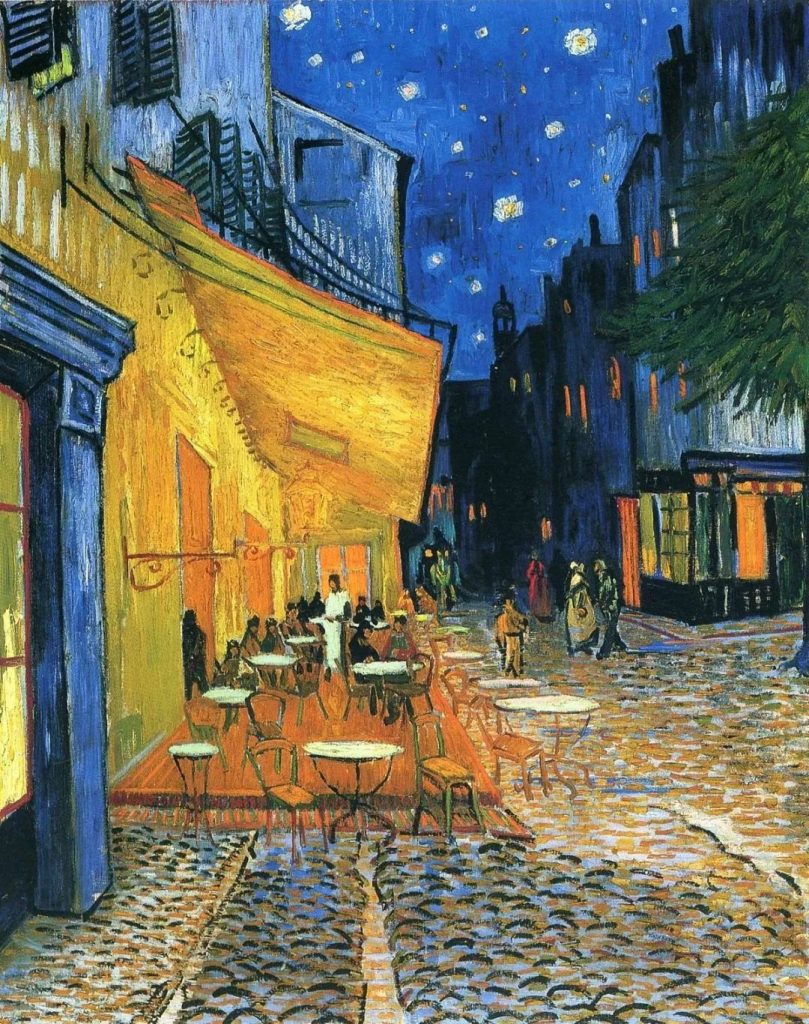
In contrast, Vincent van Gogh‘s The Night Café employs an asymmetrical layout. The skewed angles of tables and the scattered lighting create a feeling of movement and unease, reflecting the emotional undercurrent of the scene.
在梵高的《夜晚的咖啡馆》中,画面不对称,桌椅和灯光的布局营造出一种动态和不安的氛围。
3. Leading Lines
3. 引导线
Guide children to find leading lines in the artwork—these may be roads, rivers, architectural lines, or even the gaze of figures. Such lines help direct the viewer’s eyes and add depth to the composition.
让孩子寻找画中的引导线,并观察它们如何引导视线。例如道路、河流或人物的目光。这些线条可以引导观者的视线,增强画面的层次感。
In The Last Supper by Leonardo da Vinci, the lines of the table and walls converge toward Jesus, reinforcing his central role and spiritual prominence in the composition.
达·芬奇的《最后的晚餐》中,餐桌和墙壁的线条将观众的视线引向耶稣,突出了他在画面中的核心地位。
In Georges Seurat‘s A Sunday on La Grande Jatte, the riverbank and the careful alignment of figures create natural guiding lines that draw the viewer’s eye from the foreground into the background, establishing a sense of calm and structural clarity.
乔治·修拉的《大碗岛的星期天下午》中,河岸的线条和人物的排列形成了自然的引导线,将观者的视线从前景逐渐引向背景,营造出一种宁静而有序的氛围。
II. Understanding Color
二、看色彩
Color is the soul of a painting—it conveys the artist’s emotions and sets the tone of the work. By exploring color, children can begin to perceive emotional expression and learn about artistic techniques in color usage.
色彩是画面的灵魂,它传递着画家的情感和作品的氛围。通过观察色彩,孩子可以感受画作的情感表达和艺术家的用色技巧。
1. Dominant Color Tone
1. 主色调
Encourage children to identify the dominant color tone of the painting and reflect on what kind of mood or feeling it evokes.
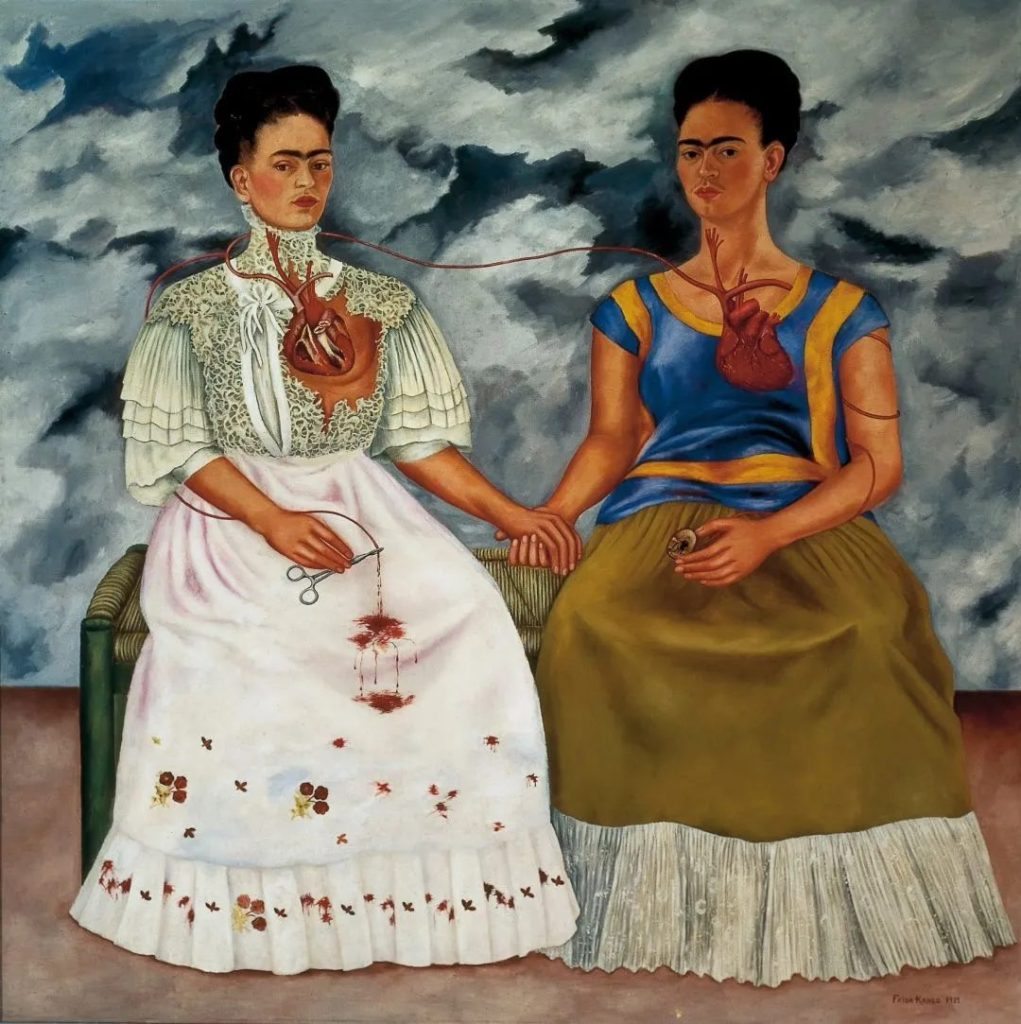
In The Two Fridas by Frida Kahlo, red and white serve as the dominant hues. Red symbolizes passion and pain, while white represents purity and solitude. Together, these colors reveal the complexity of the artist’s emotional world.
让孩子观察画中的主色调是什么,它给人什么感觉。在弗里达·卡罗的《两个弗里达》中,红色和白色为主色调,红色象征激情与痛苦,白色象征纯洁与孤独,两种颜色共同表达了艺术家内心的复杂情感。
2. Color Contrast
2. 色彩对比
Guide children to observe color contrasts within the artwork, such as the interplay between warm and cool tones, or the use of complementary colors. Strong contrasts can heighten visual impact and emotional intensity.
引导孩子寻找画中的色彩对比,例如冷暖色的对比或互补色的对比。强烈的色彩对比可以增强画面的视觉冲击力。
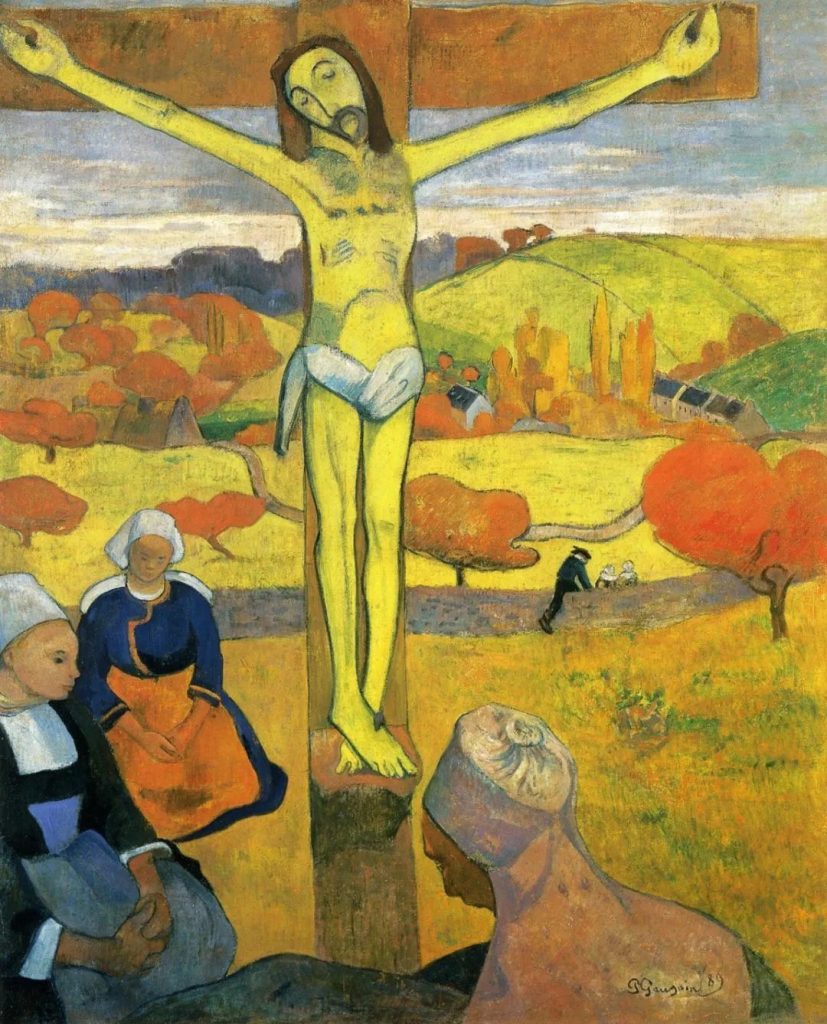
In The Yellow Christ by Paul Gauguin, the vivid yellow of Christ’s body contrasts sharply with the deep blue background. Yellow suggests divinity and light, while blue conveys melancholy and mystery—together they enhance the painting’s spiritual atmosphere and emotional power.
高更的《黄色基督》,明亮的黄色与深蓝色形成强烈对比,黄色象征神圣与光明,蓝色象征忧郁与神秘,这种对比增强了画面的宗教氛围和情感张力。
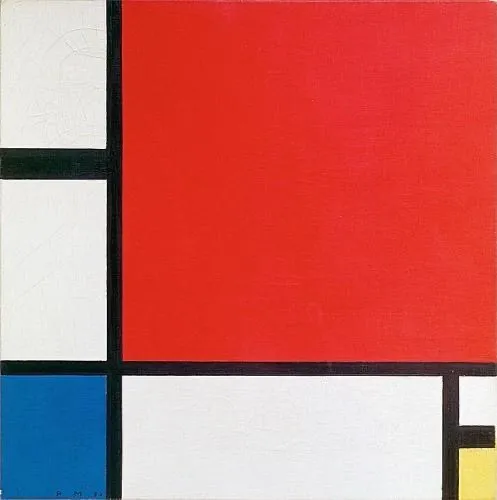
In Piet Mondrian’s Composition with Red, Yellow and Blue, the use of primary colors in stark contrast injects energy and modernity into the piece, reflecting the artist’s pursuit of pure form and abstract harmony.
在蒙德里安的《红、黄、蓝的构成》中,红、黄、蓝三原色的对比使画面充满活力和现代感,展现了艺术家对纯粹形式的追求。
3. Symbolism in Color
3. 色彩象征
Some colors carry symbolic meanings—gold may symbolize divinity, green may represent nature. Encourage children to think about whether the colors in a painting hold deeper significance.
某些色彩可能有特殊的象征意义。例如,金色可能象征神圣,绿色可能象征自然。让孩子思考画中的色彩是否有特殊的含义。
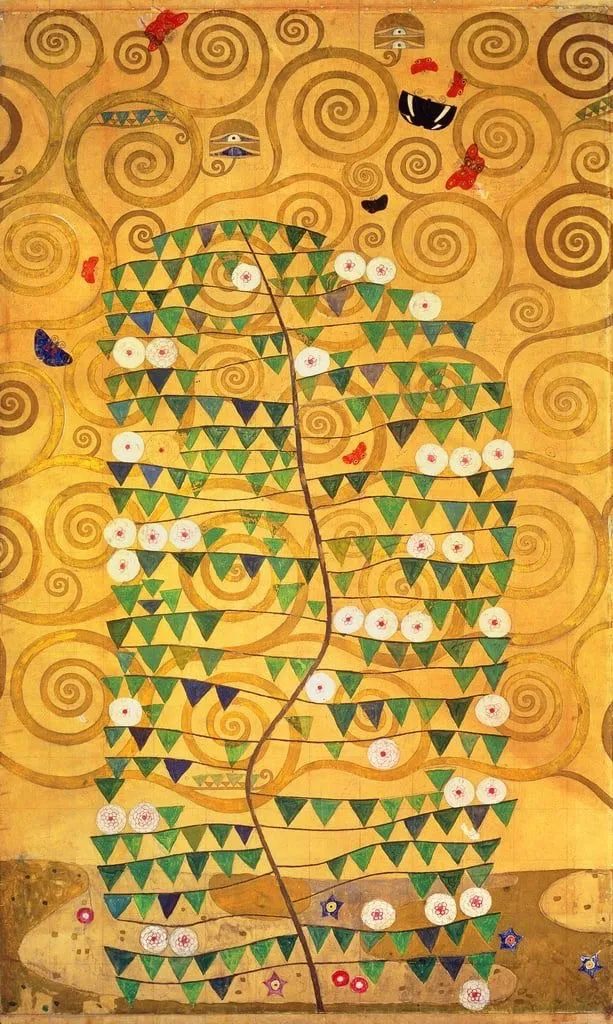
In The Tree of Life by Gustav Klimt, gold is used to symbolize eternity and divinity, while green represents life and growth. Together, these colors express the artist’s contemplation on the meaning of life.
在克林姆特的《生命之树》中,金色象征着永恒与神圣,绿色象征着生命与成长,这些颜色共同表达了艺术家对生命意义的思考。
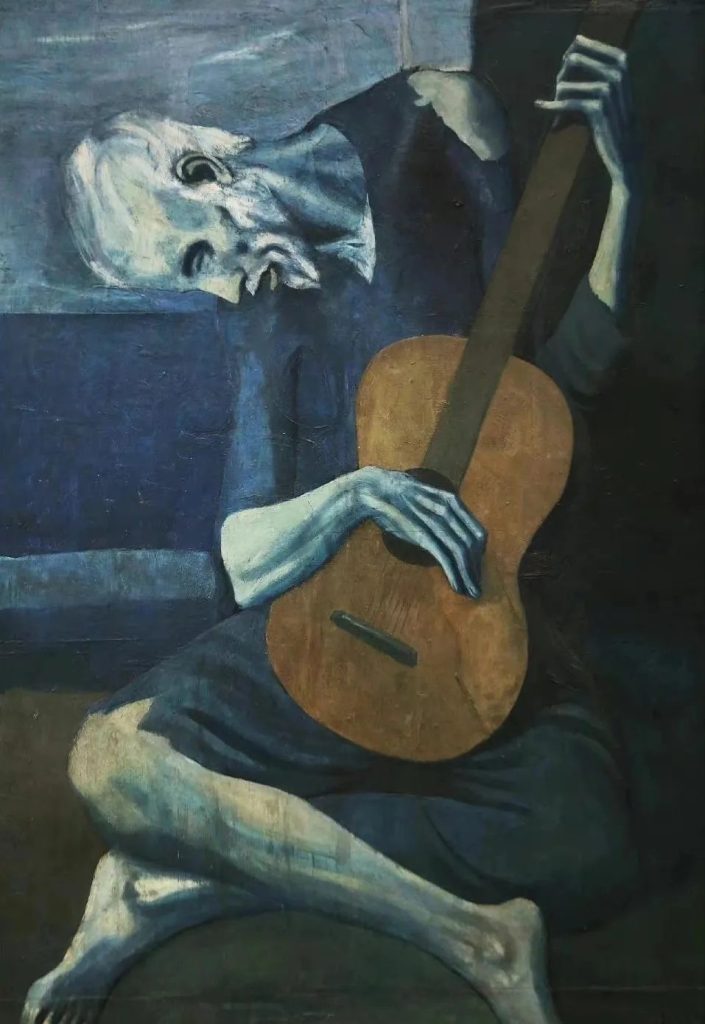
During Pablo Picasso’s Blue Period, blue was widely used to convey sorrow, loneliness, and introspection. In The Old Guitarist, for example, the deep blue palette reflects the isolation and helplessness of the figure, imbuing the work with a somber and reflective tone.
毕加索的《蓝色时期》作品中,蓝色被广泛使用,象征着忧郁、孤独和沉思。例如,《老吉他手》以深蓝色为主,表现了人物的孤独与无助。
III. Understanding Light and Shadow
三、看光影
Light and shadow are essential elements in painting that help create a sense of three-dimensionality, set the mood, and highlight key subjects. By observing how light is used, children can gain insight into how artists convey texture, depth, and atmosphere.
光影是画作中塑造立体感、营造氛围和突出重点的重要元素。通过观察光影,孩子可以理解艺术家如何利用光线表现物体的质感和空间感。
1. Direction of Light Source
1. 光源方向
Encourage children to identify the direction of the light source in a painting and observe how it influences the depiction of objects and figures.
In The Night Watch by Rembrandt, light falls from the side, illuminating the central figures while leaving others in shadow. This contrast enhances the dramatic tension and spatial depth of the scene.
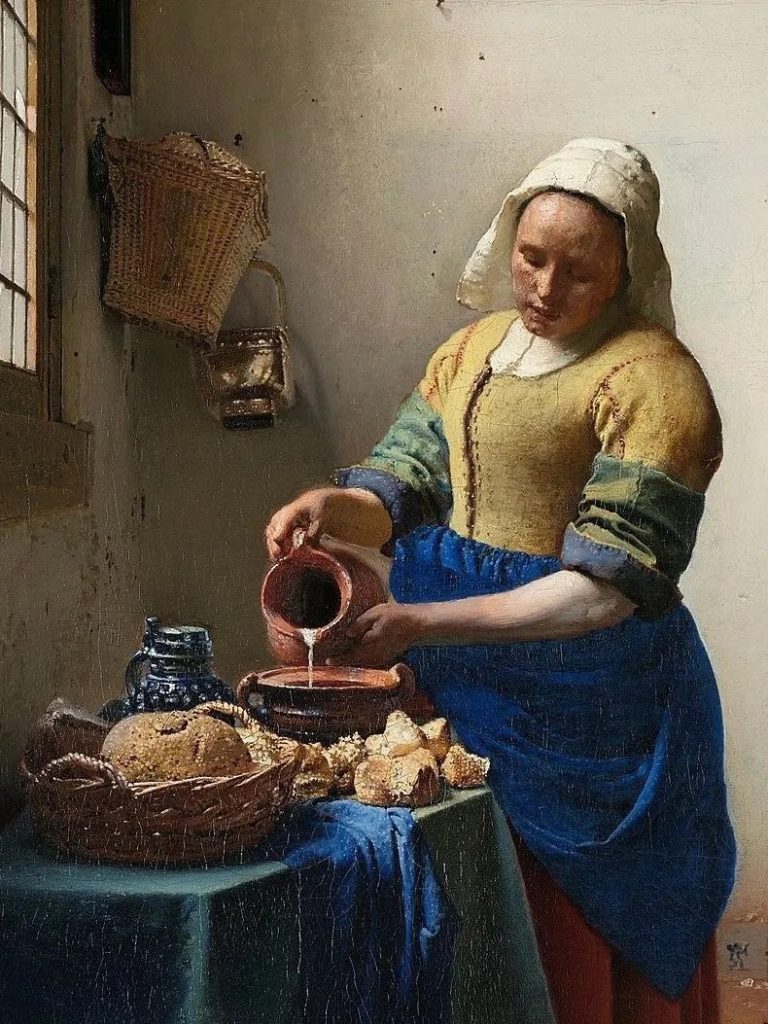
In Johannes Vermeer’s The Milkmaid, soft daylight enters from a window on the left, gently lighting the maid and the objects on the table. The effect creates a tranquil and intimate atmosphere.
让孩子找出画中的光源来自哪里,它如何影响画面中的物体。在伦勃朗的《夜巡》中,光线从侧面照射,突出了主要人物,而其他人物则隐没在阴影中,增强了画面的戏剧性和层次感。
在维米尔的《倒牛奶的女仆》中,柔和的光线从左侧窗户照射进来,照亮了女仆和桌子上的物品,营造出一种宁静而温馨的氛围。
2. Contrast Between Light and Dark
2. 明暗对比
Guide children to observe whether the painting exhibits strong contrasts of light and dark. High contrast often enhances drama and emotional intensity.
In The Calling of Saint Matthew by Caravaggio, the stark chiaroscuro highlights the figures against a dark background, creating a mysterious and tense ambiance.
In Georges de La Tour’s Joseph the Carpenter, a single candle serves as the only light source, casting deep shadows and illuminating the faces with a warm glow. This use of light enhances both the theatrical quality and the spiritual symbolism of the scene.
引导孩子观察画中的明暗对比是否强烈。强烈的明暗对比可以增强画面的戏剧性。
卡拉瓦乔的《召唤圣马太》,强烈的明暗对比突出了画面中的人物,营造出一种神秘而紧张的氛围。
在乔治·德·拉图尔的《木匠圣约瑟》中,烛光作为唯一光源,形成了强烈的明暗对比,增强了画面的戏剧性和宗教氛围。
3. Atmosphere Creation
3. 氛围营造
Ask children how light and shadow affect the overall mood of a painting. Soft lighting may create a warm, cozy feel, while strong shadows might introduce tension or isolation.
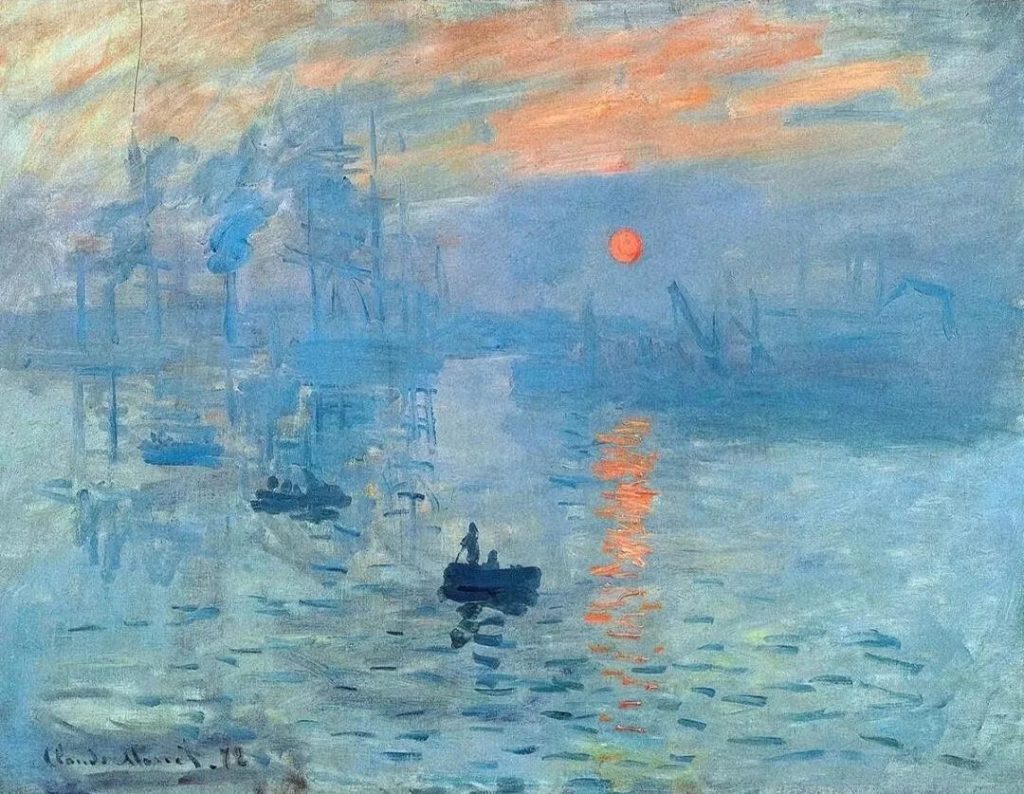
In Impression, Sunrise by Claude Monet, gentle morning light bathes the harbor and boats in a misty, serene glow, capturing the stillness and beauty of dawn.
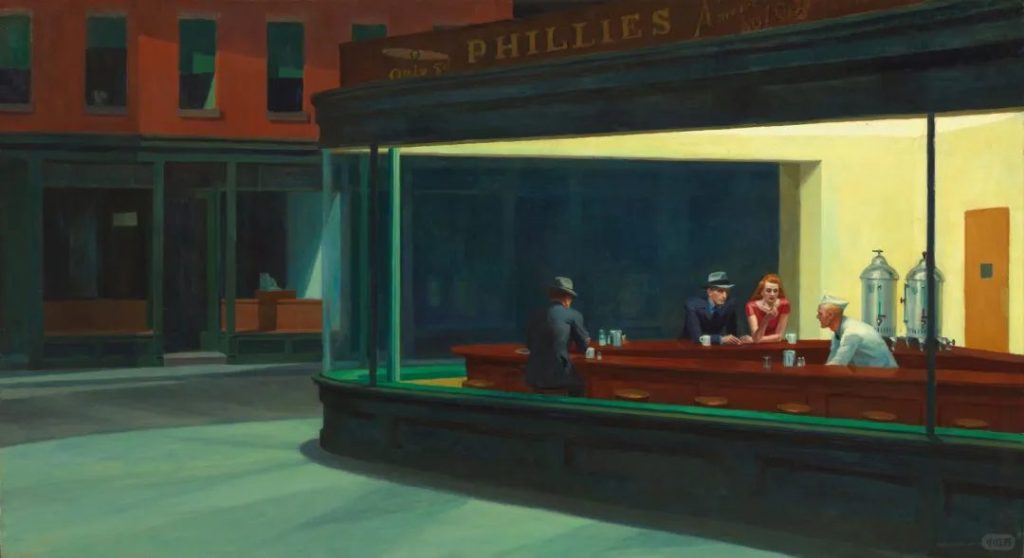
In Nighthawks by Edward Hopper, the harsh fluorescent lighting contrasts with the deep shadows of the empty street, creating an atmosphere of loneliness and detachment, reflecting the alienation of modern urban life.
光影如何影响画面的整体氛围?例如,柔和的灯光可能营造温馨的感觉,而强烈的阴影可能营造紧张的氛围。
莫奈的《日出·印象》,柔和的晨光笼罩着水面和船只,营造出一种朦胧而宁静的氛围,让人感受到清晨的宁静与美好。
爱德华·霍普《夜鹰》中,强烈的灯光与深沉的阴影形成对比,营造出一种孤独与疏离的氛围,让人感受到现代都市的冷漠与寂寥。
IV. Understanding Brushstrokes
四、看笔触
Brushstrokes are the visible marks left by the artist on the canvas. They reflect the artist’s personality, technique, and emotional state. By observing brushstrokes, children can connect with the artist’s creative process and gain a deeper appreciation of emotional expression through painting.
笔触是艺术家在画布上留下的痕迹,能够体现艺术家的个性和情感。通过观察笔触,孩子可以感受艺术家的创作过程和情感表达。
1. Thickness and Texture of Brushstrokes
1. 笔触的粗细
Ask children to observe whether the brushstrokes are fine and delicate or bold and rough. Fine strokes may convey precision and detail, while bold strokes may express energy or intensity.
让孩子观察画中的笔触是细腻的还是粗犷的。细腻的笔触可能表现精致,而粗犷的笔触可能表现力量。
In Claude Monet’s Impressionist works, the brushstrokes are often loose and fluid, capturing the fleeting movement of light.
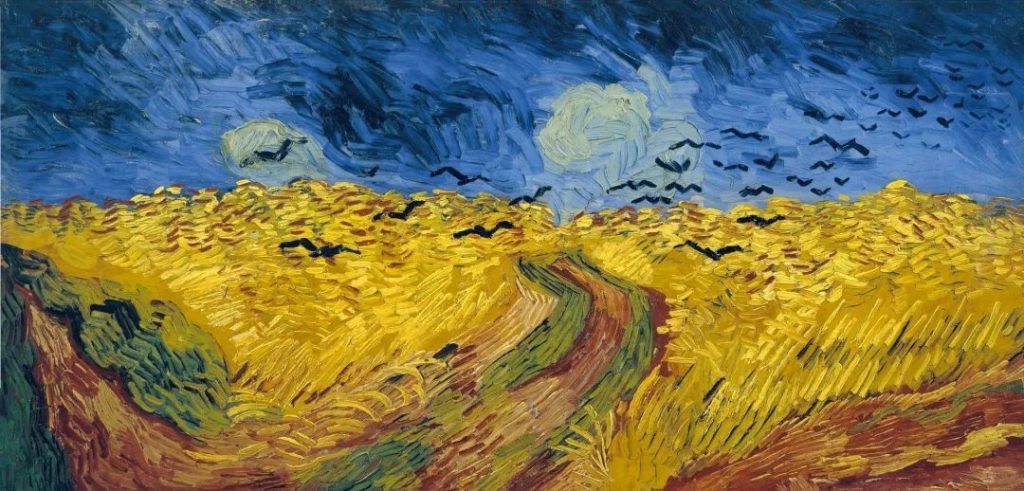
In Vincent van Gogh’s Wheatfield with Crows, the thick, textured brushstrokes bring the wheat fields and birds in flight to life, conveying a sense of tension and unease.
莫奈的印象派作品中,笔触较为松散,表现了光线的流动感。
梵高的《麦田里的乌鸦》,粗犷的笔触表现了麦田的起伏和乌鸦的飞翔,传递出一种紧张和不安的情感。
2. Direction of Brushstrokes
2. 笔触的方向
Encourage children to examine whether the brushstrokes follow a consistent direction, and how these directions help to define the texture and structure of objects.
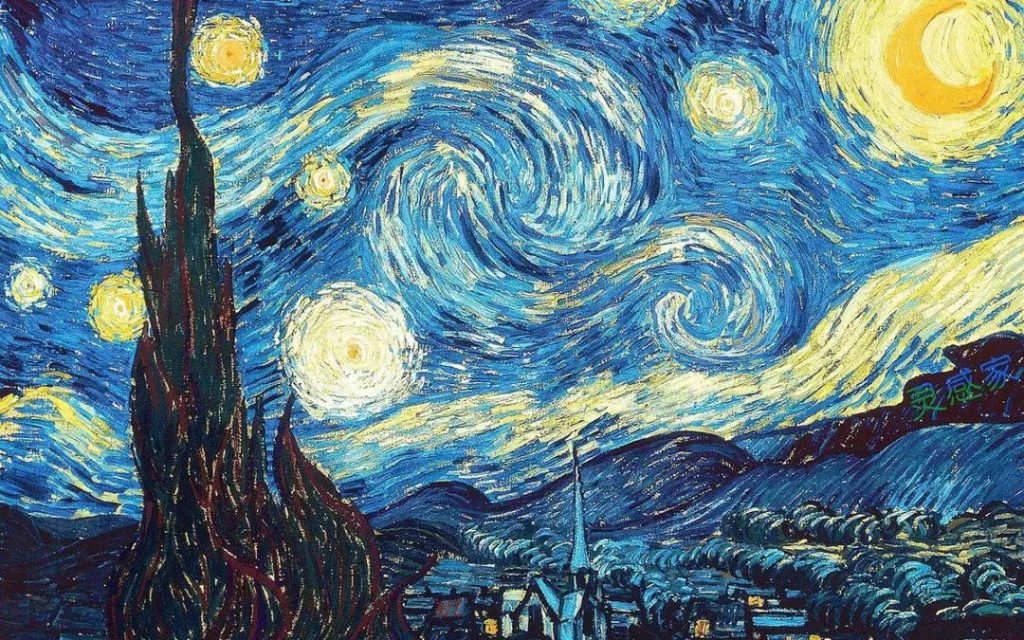
In The Starry Night by Van Gogh, swirling strokes animate the sky, giving it a sense of dynamic motion.
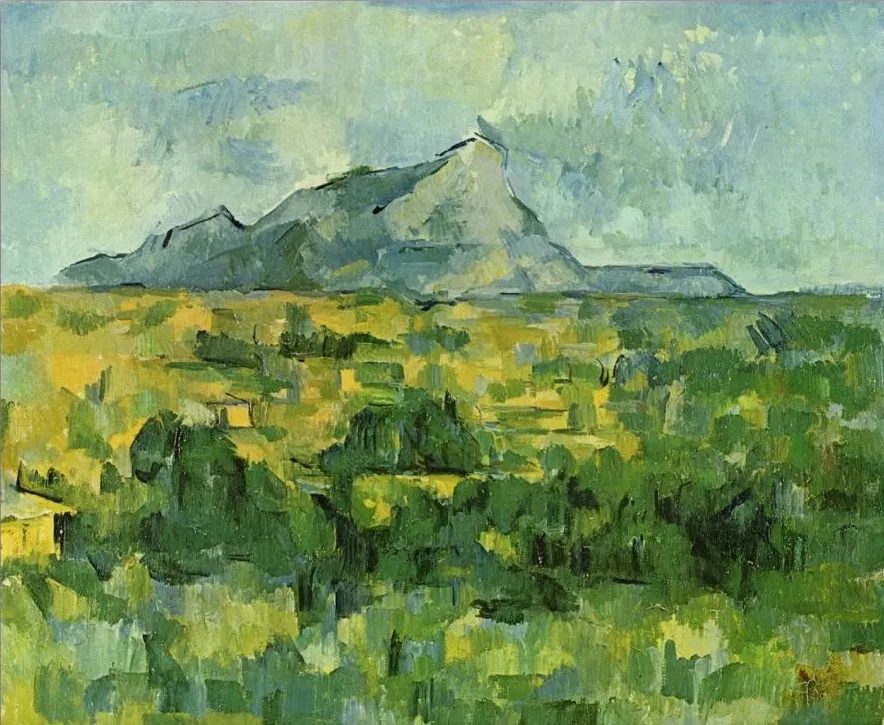
In Paul Cézanne’s Mont Sainte-Victoire, brushstrokes vary in direction to depict the solidity of the mountain and the lushness of the surrounding trees, enhancing the painting’s volume and texture.
让孩子观察笔触的方向是否一致,它们如何表现物体的质感。在梵高的《星月夜》中,旋转的笔触表现了星空的动感。
塞尚的《圣维克多山》,笔触的方向多变,表现了山体的坚实和树木的繁茂,增强了画面的立体感和质感。
3. Emotional Expression
3. 情感表达
Brushwork often reflects the emotional intensity of the artist. Fast, spontaneous strokes may suggest excitement or chaos, while slow, controlled strokes may communicate calmness and thoughtfulness. Invite children to mimic the brushstrokesin certain artworks to better sense the emotional rhythm behind the painting.
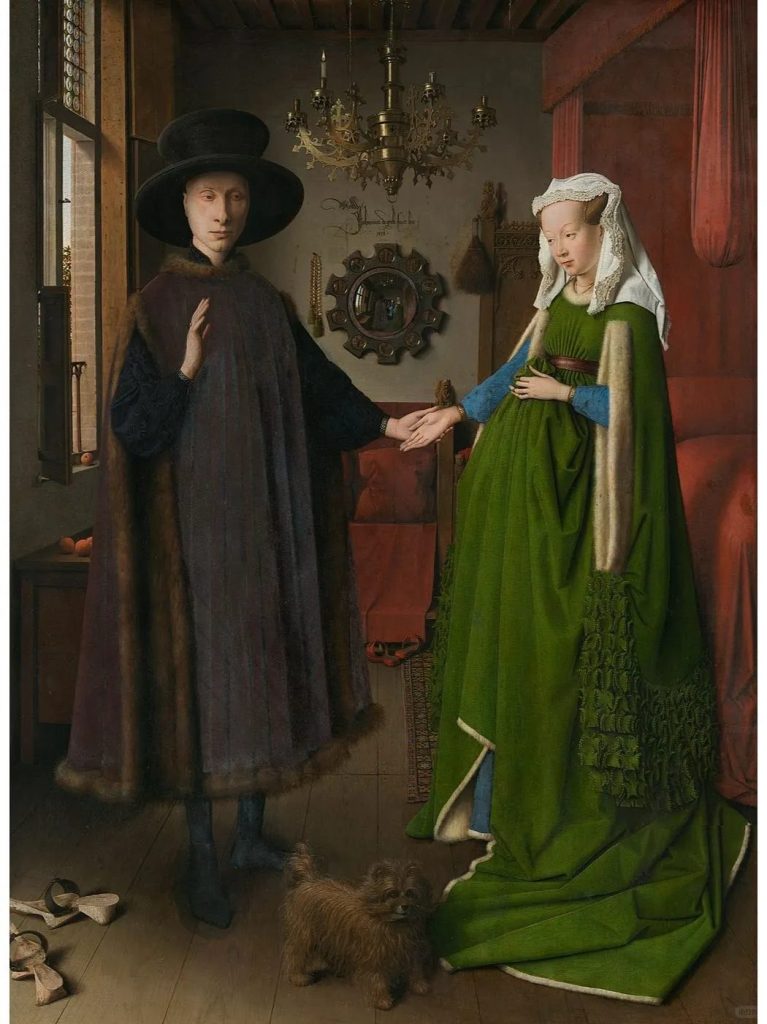
In The Arnolfini Portrait by Jan van Eyck, the smooth, detailed brushstrokes convey a mood of stillness and solemn dignity.
In contrast, Jackson Pollock’s drip paintings are characterized by fast, unrestrained movements, expressing a sense of freedom, improvisation, and emotional release.
笔触如何体现艺术家的情感?快速的笔触可能表现激动,而缓慢的笔触可能表现平静。让孩子尝试模仿画中的笔触,感受艺术家的情感。
《阿诺芬尼夫妇像》扬·范·艾克,画中的笔触细腻而平滑,表现了人物肖像的宁静与庄重。
波洛克的《滴画》系列,快速而随意的笔触表现了他创作时的自由与即兴,给人一种狂野与解放的感觉。
By guiding children to observe and analyze a painting’s composition, color, light and shadow, and brushwork, we help them uncover the artist’s creative intentions and emotional depth. These elements come together to create an artwork’s beauty and expressive power.
More importantly, engaging with masterpieces fosters children’s aesthetic awareness, imaginative thinking, and emotional resonance. Art appreciation becomes more than just a skill—it becomes a journey of discovery that enriches their growth and lights the way toward creativity and self-expression.
通过观察和分析画作的构图、色彩、光影和笔触,孩子可以更深入地理解艺术家的创作意图,感受作品的美感和情感表达。更重要的是,鉴赏名画不仅能提升孩子的审美能力,还能激发他们的创造力、想象力和情感共鸣,为他们的成长增添一份艺术的光彩。


