
名画中的美育启蒙:如何带孩子欣赏艺术大师作品?
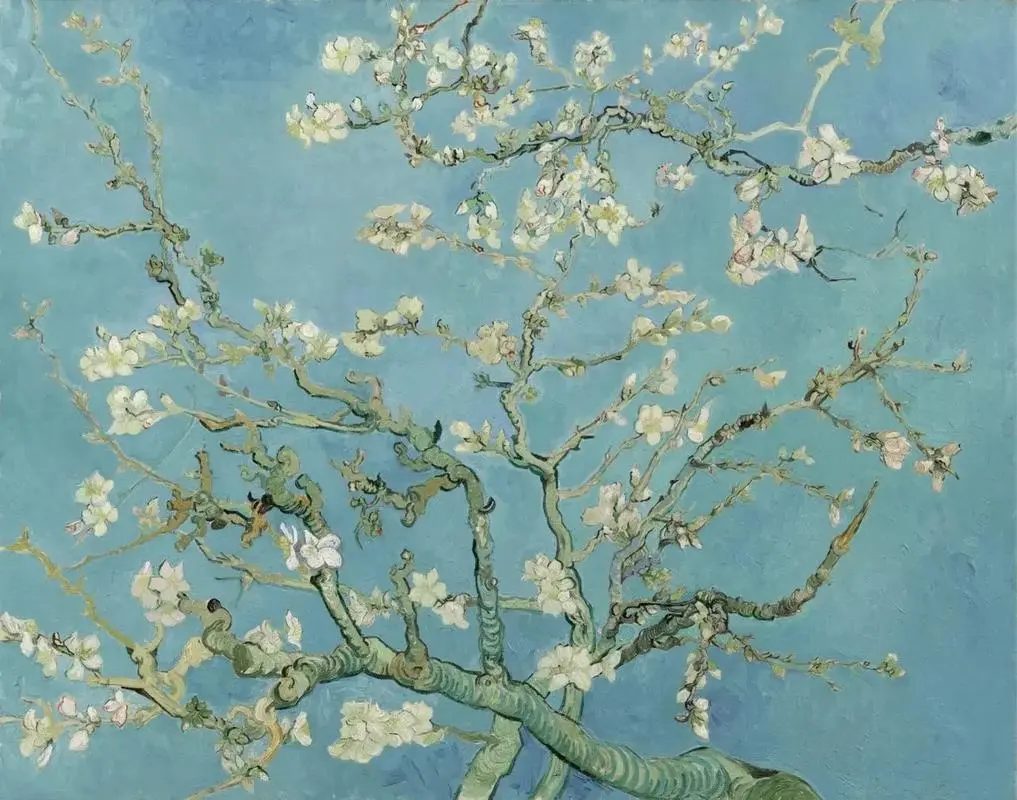
Art is an expression of human emotion and thought, and masterpieces are the treasures of art history. For children, appreciating these great works is not only a visual delight but also a valuable opportunity to cultivate their artistic perception, aesthetic sensibility, and creativity. So, how can we guide children into the world of great artists through the appreciation of masterpieces?
艺术是人类情感和思想的表达,而名画则是艺术史上的瑰宝。对于孩子而言,欣赏名画不仅是一次视觉的享受,还能培养他们的艺术感知力、审美能力和创造力。那么,如何通过欣赏名画来引导孩子走进艺术大师的世界呢?
I. Why Should Children Be Encouraged to Appreciate Masterpieces?
一、为什么要带孩子欣赏名画?
- Enhancing Aesthetic Literacy
The charm of masterpieces lies in their unique color schemes, compositional arrangements, and emotional expression. When children engage with these artworks, they gradually develop their own sense of aesthetic judgment.
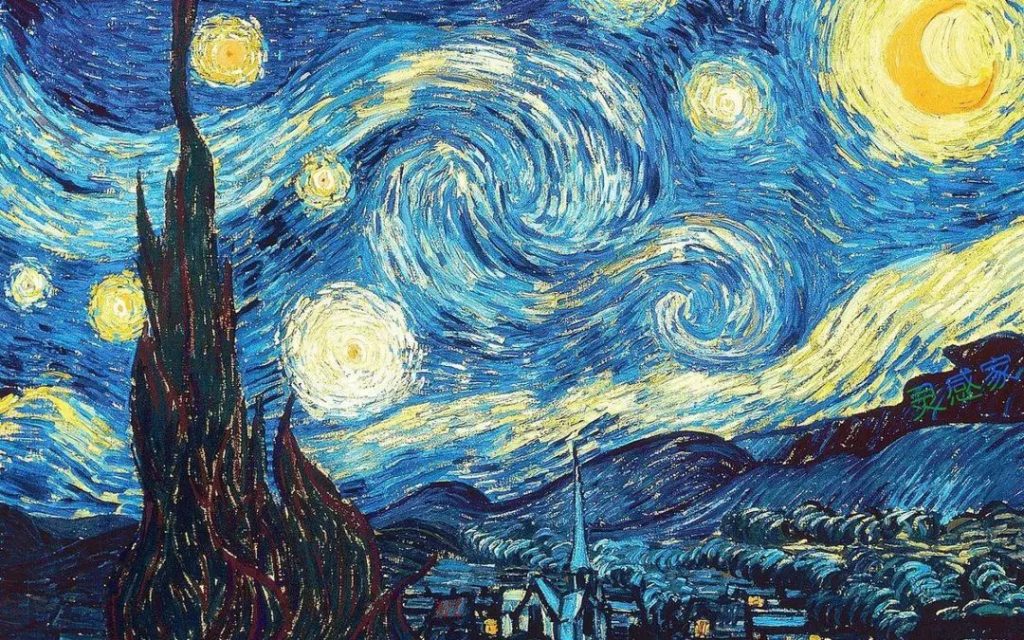
For example, Van Gogh’s Starry Night captures the vitality of the night sky with bold colors and flowing lines, while Monet’s Water Lilies conveys the tranquility of nature through soft tones.
1提升审美素养
名画的魅力在于其独特的色彩搭配、构图布局和情感传递。孩子们在接触这些艺术作品,可以逐渐形成自己的审美标准。
比如,梵高的《星月夜》用强烈的色彩和流动的线条勾勒出夜空的活力,而莫奈的《睡莲》则以柔和的色调表现了自然的静谧。
2. Stimulating Creativity
The works of great artists are often rich in originality and distinctive techniques. Through appreciating these pieces, children learn various ways to express their own ideas.
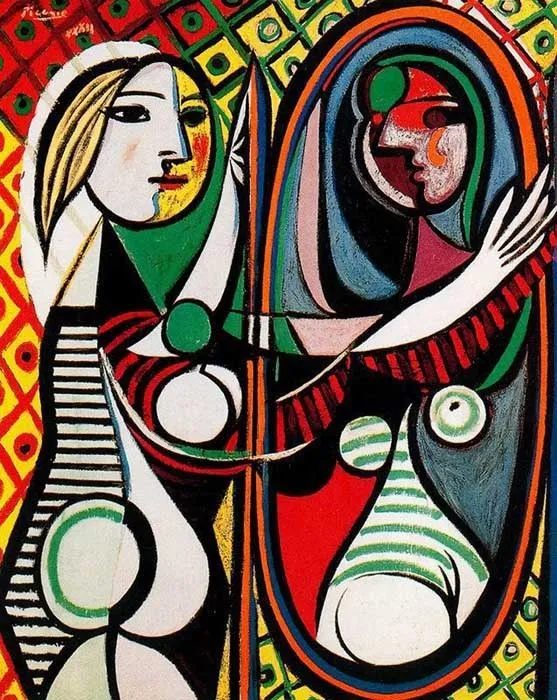
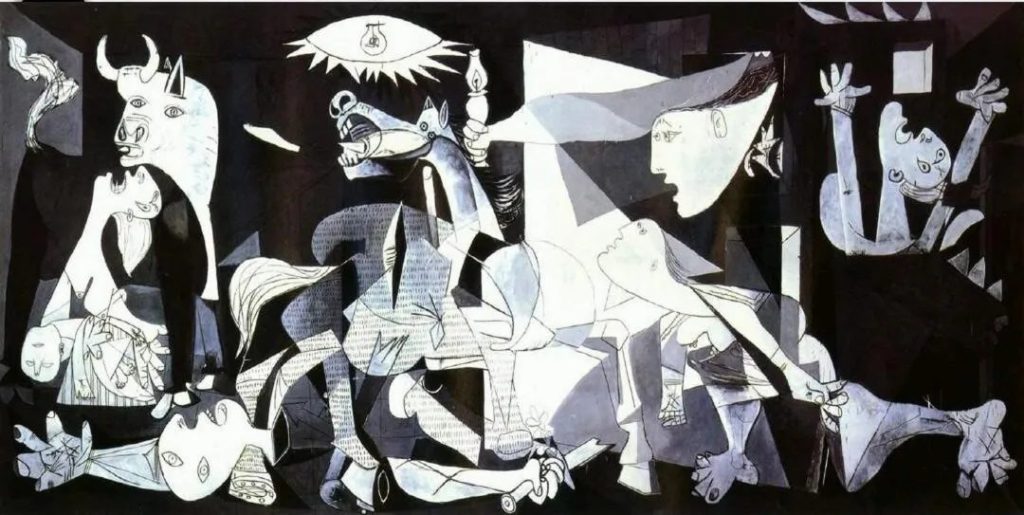
For instance, Picasso’s Cubist paintings break away from traditional perspective rules, inspiring children to view the world from entirely new angles.
2激发创造力
艺术大师的作品往往充满了独特的创意和表现手法。孩子们在欣赏这些作品的过程中,可以学习如何用不同的方式表达自己的想法。比如,毕加索的立体主义作品打破了传统的透视规则,可以启发孩子用全新的视角看待世界。
3. Cultivating Focus and Observation Skills
Carefully observing a masterpiece requires children to concentrate on the details—such as facial expressions, texture in the background, and harmony of colors. This process sharpens their focus and patience, while enhancing their ability to notice subtle details.
3培养专注力和观察力
细致地欣赏名画要求孩子们专注于画作的细节,如人物的神态、背景的质感、色彩的协调等。这种细致的观察过程可以锻炼孩子的专注力和耐心,同时提高他们对细节的捕捉能力。
4. Broadening Cultural Horizons
Masterpieces are not only artistic creations but also carriers of historical and cultural significance. By exploring the stories behind the paintings, children gain insights into the cultures and eras from which they emerged.
For example, Leonardo da Vinci’s Mona Lisa reflects the humanistic ideals of the Renaissance period.
4拓宽文化视野
名画不仅是艺术的结晶,也是历史和文化的载体。通过探索名画背后的故事,孩子们可以了解到不同国家、不同时期的文化知识。比如,达芬奇的《蒙娜丽莎》反映了文艺复兴时期的人文主义。
II. How to Select Masterpieces Suitable for Children?
二、如何选择适合孩子的名画?
- Works with Vivid Colors
Children are naturally drawn to bright and vibrant colors, so selecting masterpieces rich in color can serve as an ideal introduction to art.
For instance, Van Gogh’s Sunflowers and Matisse’s The Dance use bold, expressive palettes that immediately capture children’s attention and ignite their interest in the visual arts.
1色彩鲜艳的作品
孩子们往往对鲜艳的色彩更感兴趣,因此可以选择一些色彩丰富的名画他们的艺术启蒙。比如,梵高的《向日葵》、马蒂斯的《舞蹈》等,都用大胆的色彩吸引孩子的目光,激发他们对艺术的兴趣。
2. Paintings with Strong Narrative Elements
Masterpieces that contain compelling stories can spark children’s curiosity.
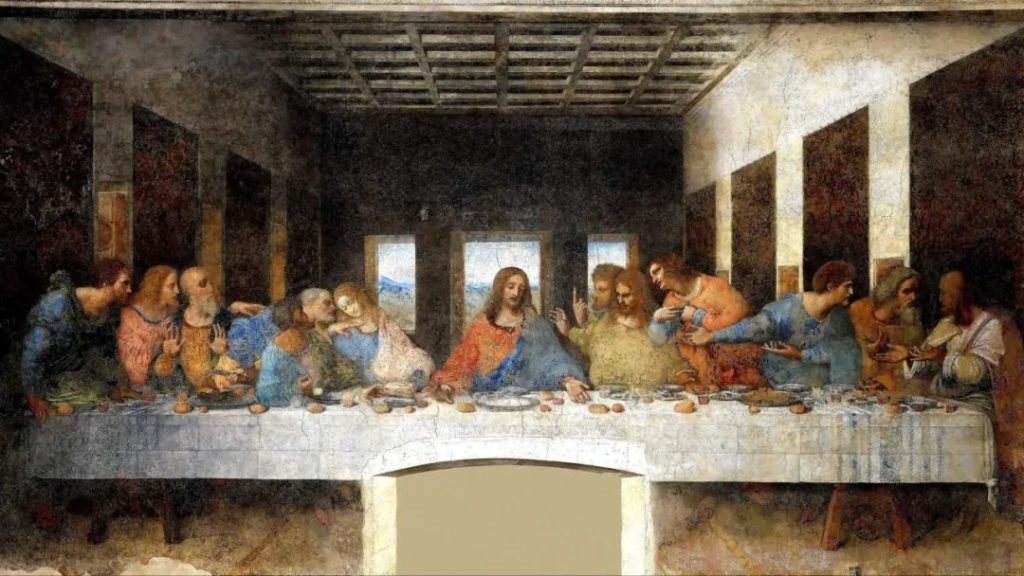
For example, Leonardo da Vinci’s The Last Supper depicts the final meal shared by Jesus and his disciples, while Picasso’s Guernica conveys the horrors of war. These narratives help children engage with the artwork on a deeper, more meaningful level.
2故事性强的作品
一些名画背后有引人入胜的故事,可以激发孩子的好奇心。比如,达芬奇的《最后的晚餐》描绘了耶稣与门徒的最后一次聚餐,而毕加索的《格尔尼卡》则反映了战争的残酷。这些故事能够引导孩子更深入地理解画作。
3. Themes Related to Everyday Life
Choosing paintings that reflect familiar, relatable themes makes it easier for children to connect with the artwork.
For example, Renoir’s Luncheon of the Boating Party portrays a warm and joyful family gathering, while Millet’s The Gleaners depicts the hard work of rural laborers. Such themes allow children to appreciate the close relationship between art and daily life.
3贴近生活的主题
选择一些与孩子生活相关的主题,可以让他们更容易产生共鸣。比如,雷诺阿的《游艇上的午餐》展现了家庭聚会的温馨场景,而米勒的《拾穗者》则描绘了农民的辛勤劳动。这些题材能够让孩子在欣赏的同时,感受到艺术与生活的紧密联系。
III. Steps to Guide Children in Appreciating Masterpieces
三、引导孩子欣赏名画的步骤
Step 1: Observation
Encourage children to carefully observe the painting by asking open-ended questions such as: “What do you see?”, “How do these colors make you feel?”, or “What are the people in the painting doing?” These questions help children develop both broad and detailed observational skills.
第一步:观察 引导孩子仔细观察画面,可以提出问题:“你看到了什么?”“这些颜色给你什么感觉?”“画中的人物在做什么?”通过这些问题,能够训练孩子从宏观到微观的观察技巧。
Step 2: Imagination
Inspire children to use their imagination to explore the story behind the artwork. Ask questions like: “What do you think the person in the painting is thinking?”, or “If you were in the painting, what would you do?” Such exercises stimulate creativity and enhance verbal expression.
第二步:联想 鼓励孩子发挥他们的想象力,去探索画面背后的故事。比如:“你觉得画中的人在想什么?”“如果你是画中的人,你会怎么做?”这样的联想活动能够促进孩子的创造力和语言表达能力。
Step 3: Expression
Invite children to describe the artwork in their own words, and encourage them to create their own pieces by imitating the style of the original painting. This personalized form of expression deepens their understanding of the artwork while developing their artistic techniques.
第三步:表达 鼓励孩子用他们自己的话语来描述画作,尝试用画笔模仿名画的风格进行创作。通过这种个人化的表达,孩子可以加深对作品的理解,还能提升自己的艺术表现技巧。
Step 4: Extension
Introduce children to the historical context of the painting, including the artist’s life and creative journey. For instance, although Van Gogh faced many hardships, his works reflect a profound love for life. Similarly, Monet continued to paint despite deteriorating vision in his later years. These stories help children appreciate the perseverance and passion of great artists, fostering a deeper respect and understanding of art.
第四步:延伸
结合名画的历史背景,给孩子介绍艺术家的生平和创作背景。比如,梵高虽然一生坎坷,但他的作品充满了对生命的热爱;莫奈晚年在视力减退的情况下,依然坚持不懈地创作。这些故事可以让孩子感受到艺术家们的执着和热情,从而更加尊重和理解艺术。
IV. Interactive Games to Make Art More Fun
四、互动小游戏,让艺术更有趣
- Masterpiece Imitation Show
Invite children to mimic the poses or facial expressions of figures in famous paintings and take photos as keepsakes. For example, they can try to recreate the mysterious smile of Mona Lisa or the shocked expression from The Scream.
1名画模仿秀
让孩子模仿画中人物的动作或表情,拍照留念。比如,尝试重现《蒙娜丽莎》的神秘微笑,或是模仿《呐喊》中人物的惊恐表情。
2. Color Challenge
Encourage children to use paint or colored pencils to replicate the color schemes of masterpieces. They can use yellow and blue to mimic Van Gogh’s Starry Night, or pink and green to emulate the palette in Matisse’s The Dance.
2色彩大挑战
让孩子用颜料或彩笔模仿名画的色彩搭配。比如,用黄色和蓝色模仿梵高的《星空》,或者用粉色和绿色模仿马蒂斯的《舞蹈》。
3. Masterpiece Puzzle Challenge
Print out and cut a masterpiece into puzzle pieces, then solve it together with the child. This activity not only improves observation skills but also enhances their hands-on coordination and problem-solving abilities.
3名画拼图挑战
将名画打印并切割成拼图,和孩子一起完成。这个过程不仅能够提升孩子的观察力,还能锻炼他们的动手操作能力。
By appreciating great artworks, children can not only experience the beauty of art but also subtly develop their aesthetic sensibility and creativity. Let us guide children into the world of master artists, where they can freely explore, feel beauty, discover beauty, and create beauty.
通过名画欣赏,孩子不仅可以感受到艺术的魅力,还可以在潜移默化中提升自己的审美能力和创造力。让我们一起带孩子走进艺术大师的作品,让孩子在艺术的世界中自由探索,感受美、发现美、创造美。


