
Drawing is a fantastic way for children to express their creativity, develop fine motor skills, and build confidence. But where do you start if your child is just beginning their artistic journey? Luckily, there are simple drawing techniques that are easy to learn and fun to practise. These methods not only help children explore their artistic side but also encourage problem-solving and attention to detail. Here are three easy-to-learn drawing techniques that kids will love.
1. Basic Shapes Technique
Drawing can seem intimidating at first, but breaking complex images into simple shapes makes it much easier for kids to get started. This technique is perfect for beginners and helps children visualise how larger objects are constructed.
How It Works:
- Encourage your child to look at a reference image, such as an animal or a car.
- Show them how to identify the basic shapes that make up the object—circles, squares, triangles, and rectangles.
- Have them start by drawing the shapes lightly in pencil to outline the object.
- Once the basic shapes are in place, they can connect the lines, add details, and erase the guidelines.
Example:
To draw a cat, they can start with:
- A circle for the head
- A larger oval for the body
- Triangles for the ears
- Small circles for the paws
Why It’s Great:
This technique simplifies the drawing process, making it less overwhelming for beginners. It also teaches kids to break down complex tasks into manageable steps, a valuable skill in all areas of life.
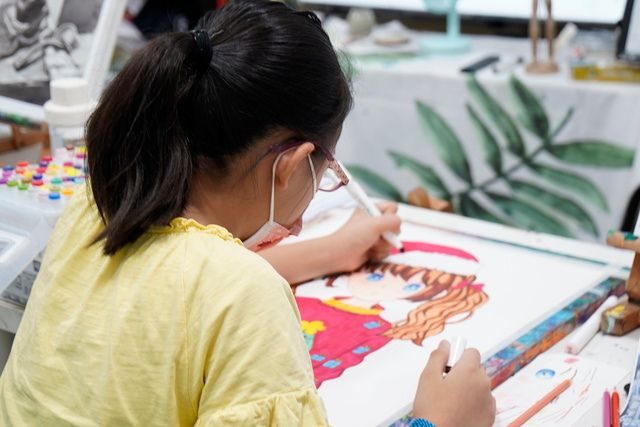
2. Doodle Drawing
Doodling is a freeform drawing technique that allows kids to create without worrying about the outcome. This method encourages creativity, as there are no rules or “wrong” ways to doodle. It’s great for sparking imagination and is especially useful for kids who feel intimidated by structured drawing lessons.
How It Works:
- Provide your child with paper, pencils, markers, or crayons.
- Ask them to start with a simple shape, line, or scribble.
- Encourage them to expand on it, adding more shapes, patterns, or colours as they go.
- They can create abstract designs, funny characters, or even a random mix of patterns.
Example:
A child might start with a squiggly line and turn it into a colourful snake. Or they could draw random circles and turn them into a whimsical flower garden.
Why It’s Great:
Doodling boosts creativity and encourages kids to think outside the box. It’s also a relaxing activity that helps improve focus and reduces stress. Plus, it’s portable—kids can doodle anywhere!

3. Shading with Simple Lines
Shading adds depth and dimension to drawings, and it’s easier than it sounds. Introducing kids to basic shading techniques, such as hatching and cross-hatching, helps them understand how light and shadow work in art.
How It Works:
- Start by showing your child how to draw parallel lines (hatching) to create shadows.
- For areas with darker shadows, they can draw crisscrossing lines (cross-hatching).
- Teach them to vary the spacing of the lines—closer lines create darker areas, while wider lines create lighter shading.
- Use a simple object, like a sphere or cube, to demonstrate how shading can make the drawing look 3D.
Example:
- Draw a circle and teach your child to shade one side using parallel lines. The more lines they add, the darker the shadow will appear.
- They can also add a shadow underneath the circle to make it look like it’s sitting on a surface.
Why It’s Great:
Shading teaches kids about light, shadow, and perspective, which are essential concepts in art. It also makes their drawings look more realistic and polished, boosting their confidence.
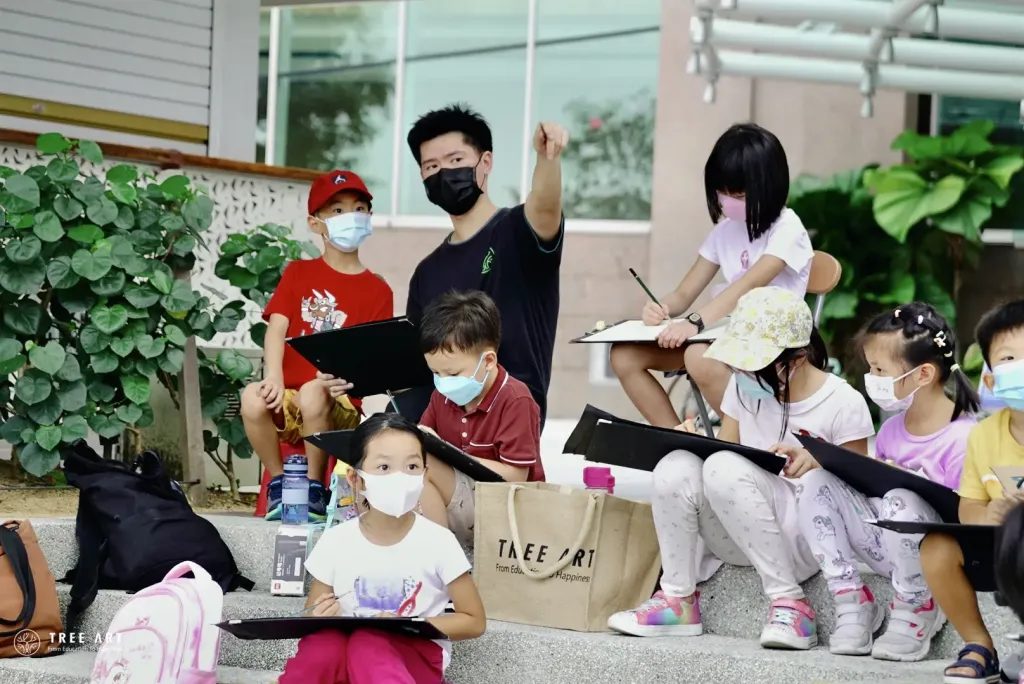
Bonus Tip: Practising These Techniques
Encourage your child to practise these techniques regularly. Provide them with sketchbooks, pencils, and plenty of encouragement. Remind them that making mistakes is part of the learning process and that every artist started as a beginner.
To make practising more engaging:
- Suggest they draw their favourite animals, characters, or objects using the basic shapes technique.
- Challenge them to fill an entire page with doodles.
- Provide simple objects for them to practise shading, such as fruits or toys.
Conclusion
Learning to draw doesn’t have to be complicated. These three simple techniques—basic shapes, doodling, and shading—are easy for kids to pick up and offer a great foundation for developing their artistic skills. By encouraging your child to explore these methods, you’re not just teaching them how to draw—you’re helping them build confidence, enhance creativity, and develop a lifelong love for art. So grab some paper and pencils, and let the creative journey begin!


