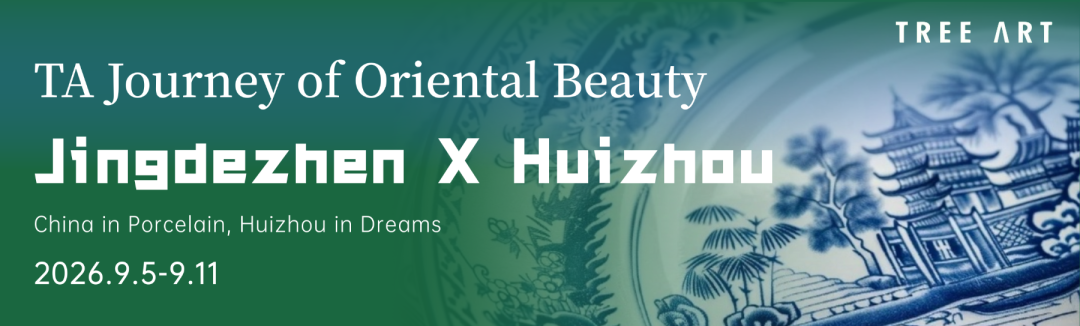
Jingdezhen X Huizhou — China in Porcelain, Huizhou in Dreams
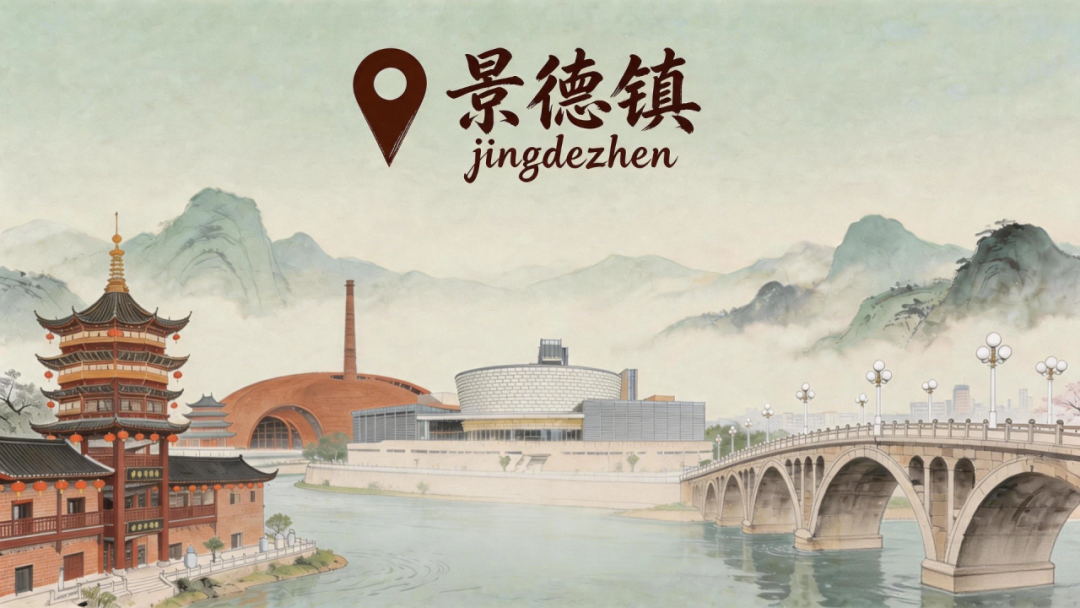
Imperial Kiln Museum / Taoxichuan Ceramic Art Avenue
Xujiayao Kiln Workshop Cluster
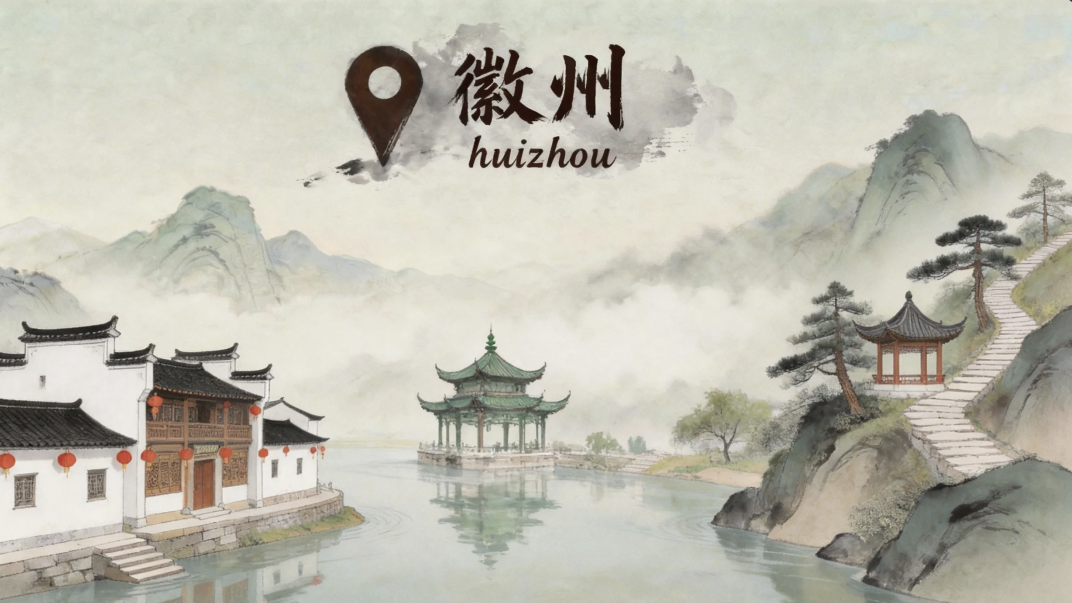
Taoyang New Village / Xixinan Ancient Village


Some civilizations live only in history books;
others are reborn in the fire of ancient kilns.
A city that writes no poetry,
yet paints centuries of elegance in cobalt blue.
A village that speaks no words,
yet whispers stories of life through
white walls and dark-tiled eaves.
Jingdezhen: a vision of China forged in clay and flame.
Huizhou: a hidden paradise suspended within an ink-wash dream.
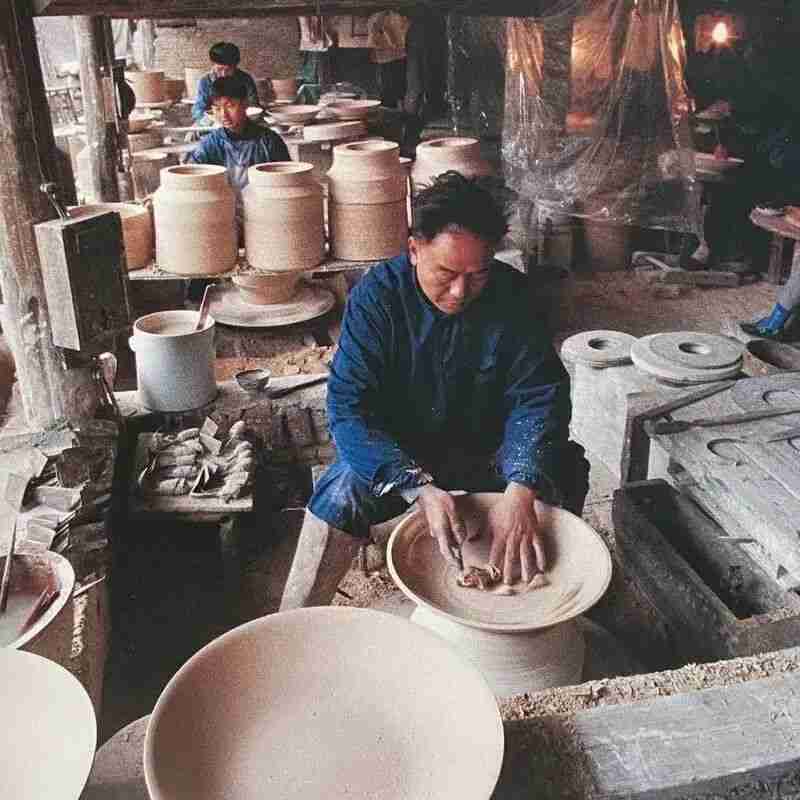
For children, this is far more than a journey.
It is an immersive dialogue
with Eastern aesthetics, craftsmanship, and creativity.
It is a conversation with beauty-a journey of patience,
creativity and hands-on discovery.
Here, culture is no longer distant.
It takes root—in their hands,
through every brushstroke,
and within every breath they take.
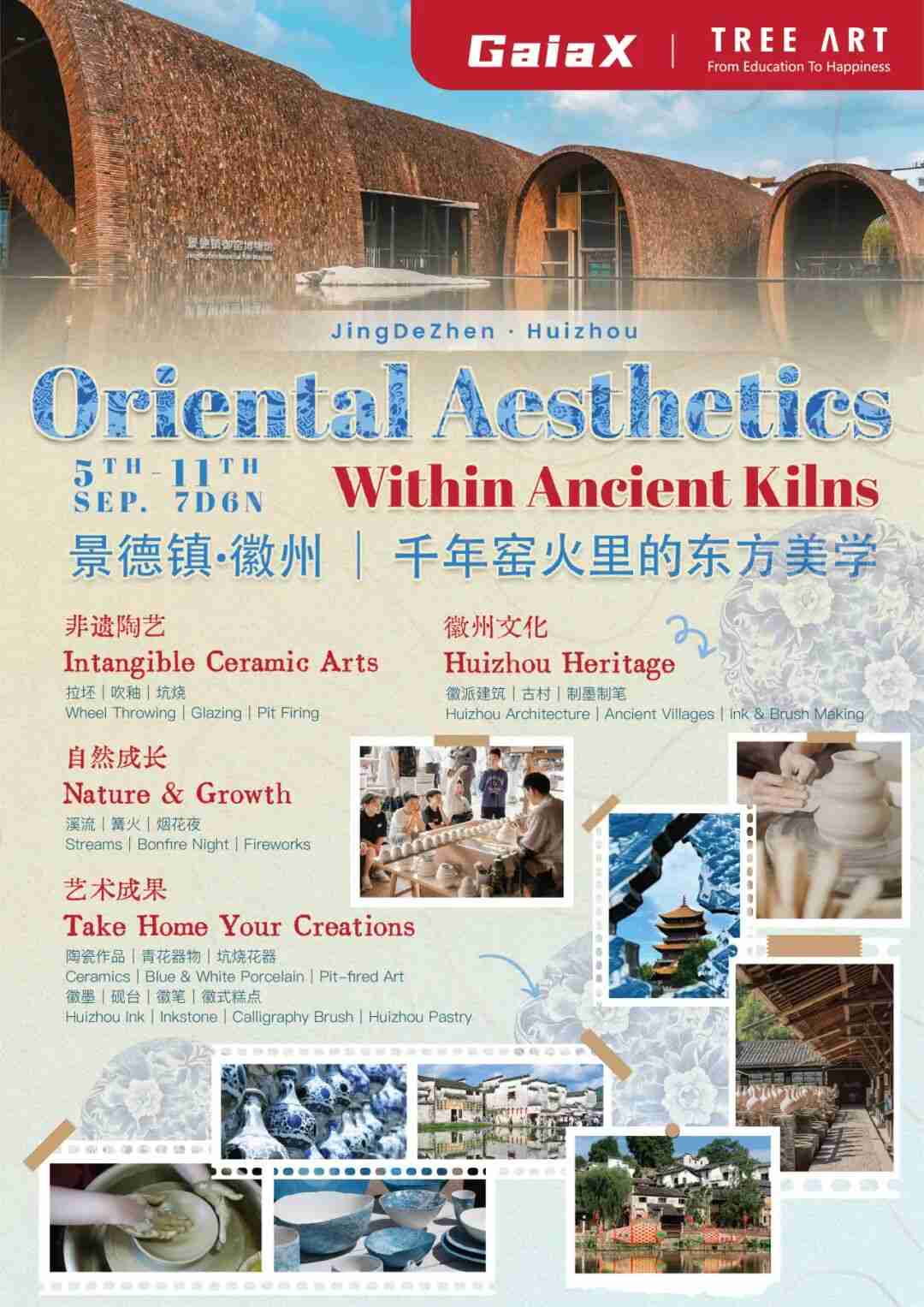

Why Jingdezhen & Huizhou?
◼︎ Jingdezhen
- A Millennium of Ceramics: Explore China’s largest ceramic museum and wander through the streets and alleys of the “Porcelain Capital of the World.”
- Diverse Cultural Experiences: Go beyond simply working with clay — discover the full process of painting, shaping, and firing porcelain,where skilled craftsmanship meets hands-on learning.
- Immersive Human Connections: Engage closely with master artisans and inheritors of intangible cultural heritage, gaining a deeper appreciation for the richness of traditional craftsmanship.
◼︎ Huizhou
- Rich Historical Heritage: As one of China’s three great regional cultures,Huizhou is known for its depth, richness, and remarkably cohesive traditions.
- Intimate Nature Encounters: Step into a thousand-year-old village nestled among maple forests, shaded by green trees and surrounded by flowing streams—a pristine and tranquil natural sanctuary.
- Immersive Human Connections: Engage closely with master artisans and inheritors of intangible cultural heritage, gaining a deeper appreciation for the richness of traditional craftsmanship.
- Deep Cultural Roots: From Huizhou woodblock prints, Huiju opera, and Hui-style architecture to Hui cuisine, Hui brushes, Hui ink, and She inkstones, each reflects the enduring cultural legacy and distinctive charm of ancient Huizhou.
We believe the best classroom is not confined to a schoolhouse—it unfolds along the journey.
In the smoke of ancient kilns, we begin to understand what craftsmanship truly means.
In every stroke of cobalt blue, we discover the quiet power of focus.
In the breeze drifting across tea-covered mountains, we write nature’s poetry.
Under the curved eaves of Huizhou, we begin to read the Chinese spirit—its beauty, its harmony, its order.
This is more than sightseeing.
It is where culture takes root in your hands, and beauty begins to bloom in your heart.

3 Core Highlights — China in Porcelain, Huizhou in Dreams
1. Unique Curriculum Design
A distinctive journey through Jingdezhen and Huizhou, offering an immersive experience of local intangible cultural heritage.
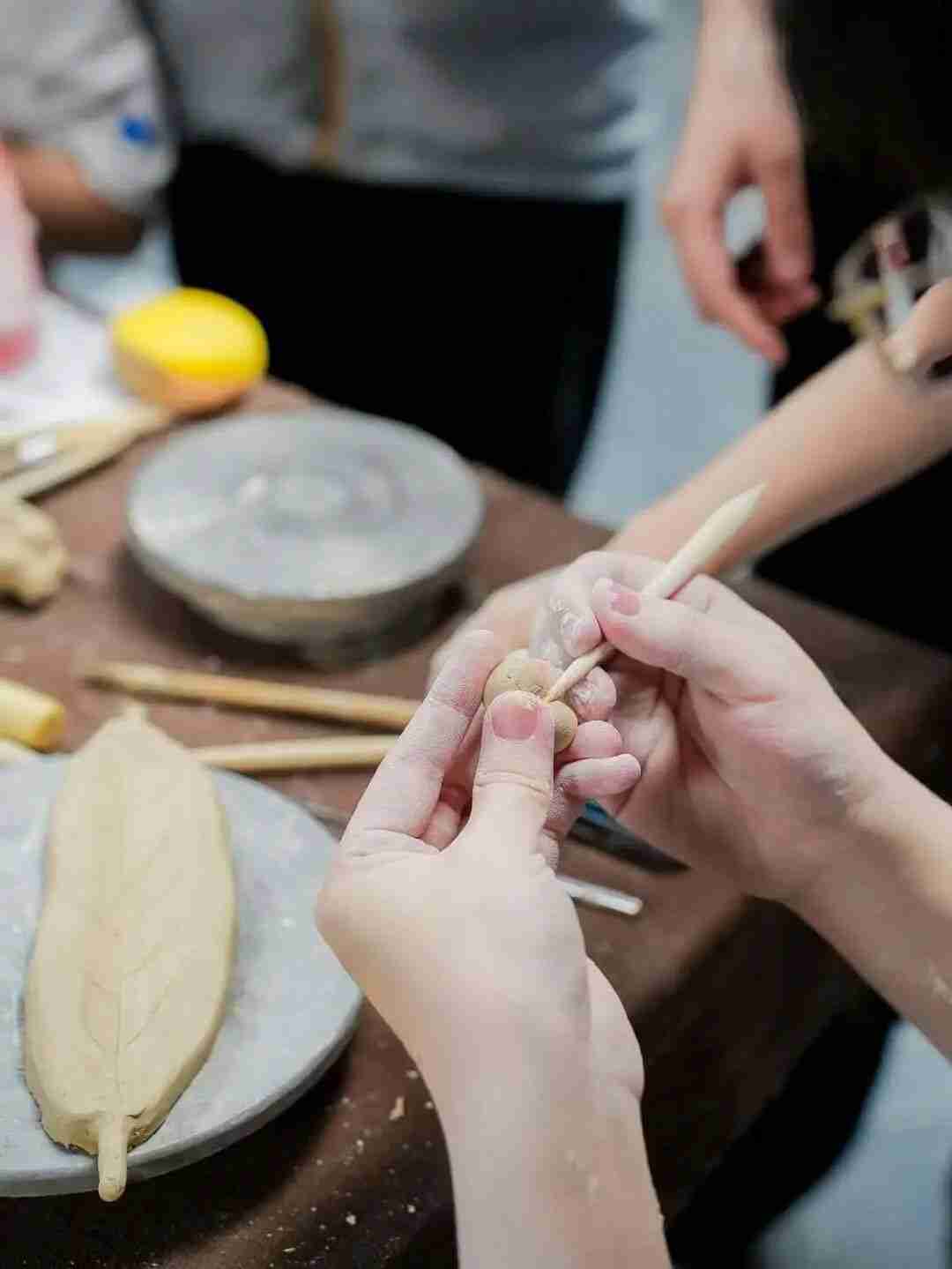
Exclusive courses developed by our team include mud treading, glaze blowing, ceramic jewelry making, blue-and-white clay crafting, and hand sculpting
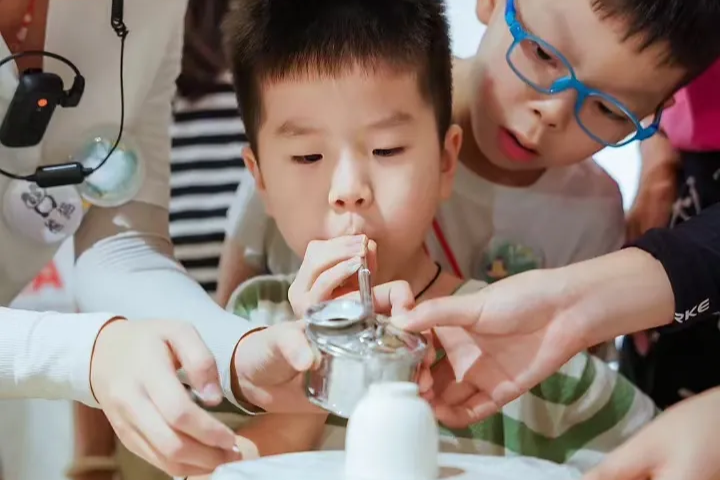
2. The City Becomes a Living Ceramics Classroom
The city is steeped in a rich artistic atmosphere. Within this environment,we witness the origins and evolution of ceramics—from ancient times to the present—while gaining hands-on experience in the full process of creating a finished ceramic piece.
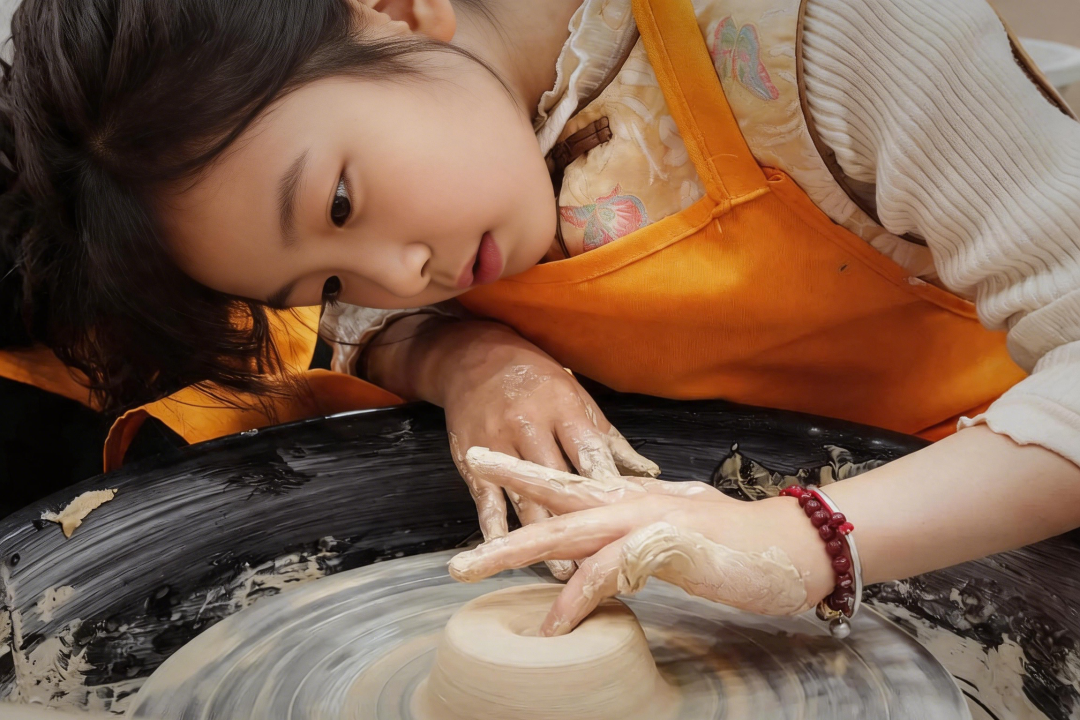
3. Local Life Across Time and Space
Activities are thoughtfully designed to align with the rhythm of local life. We visit markets, explore ceramic exhibitions, and stop by artists’ studios—experiencing a different side of urban life and returning home with insights worthy of the Millennium Porcelain Capital.
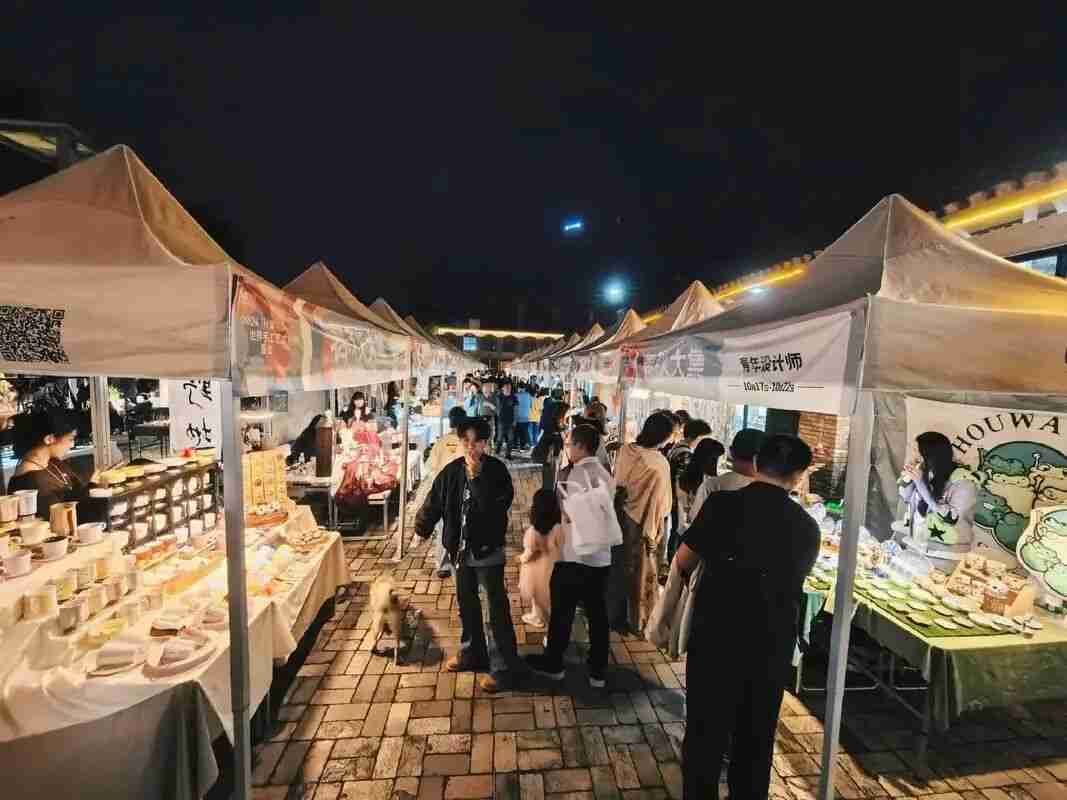

Itinerary — 7 Days, 6 Nights — An Immersive Journey into Eastern Aesthetics
Day 1 – Departure & Arrival · First Encounter with the Porcelain Capital · Opening Ceremony
上午/下午:专车在景德镇机场接机,开启瓷都之旅。
Morning / Afternoon: A private transfer from Jingdezhen Airport upon arrival begins your journey into the Porcelain Capital
✈️CA976 September 5 Singapore Changi T1 → Beijing Capital T3 09:00–15:15
✈️ CA1887 September 5 Beijing Capital T3 → Jingdezhen 17:30–19:40
Evening: In the Millennium Porcelain Capital, a meaningful first gathering begins. Children confidently introduce themselves, meet new friends, and receive their study tour materials. Through shared group experiences, they will explore, learn together, and embark on a new adventure—a meaningful journey ahead.
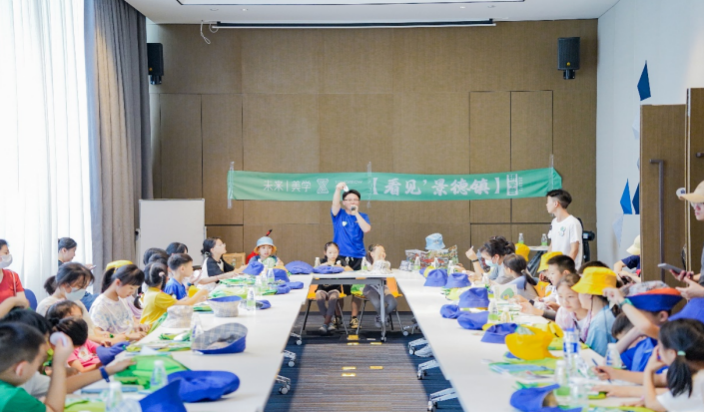
Day 2 – Imperial Kiln Elegance · Creation at Your Fingertips
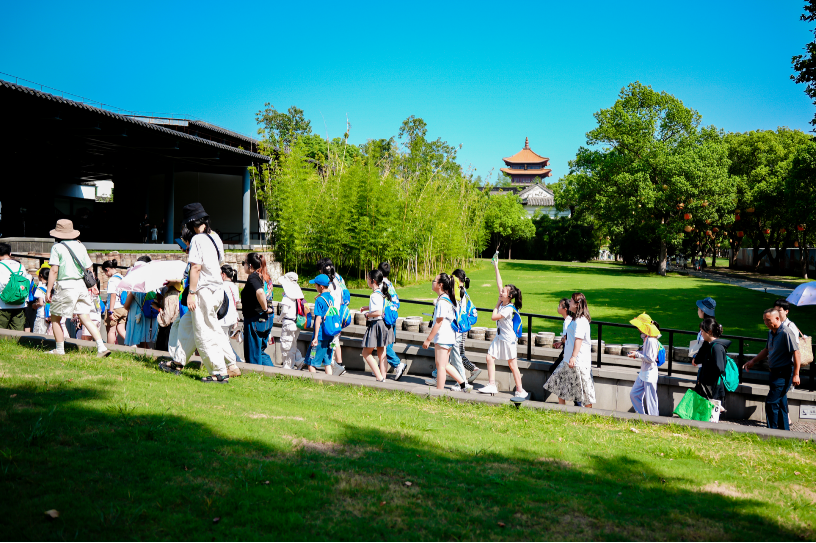
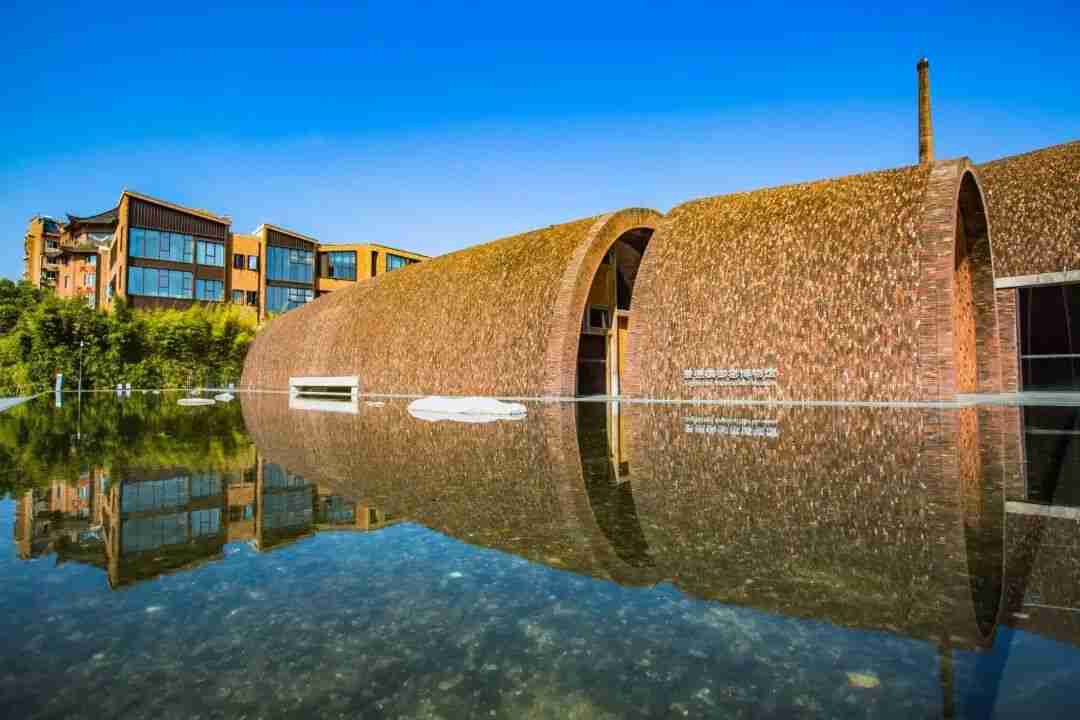
Morning: Visit the Imperial Kiln Museum—the only ceramic institution in the world dedicated to serving the imperial court, known for its long firing history, grand scale, enduring legacy, and exceptional artistic standards.
The museum itself is a work of art, with red-brick arches and sunken courtyards—winner of the “Oscar of Architecture.”
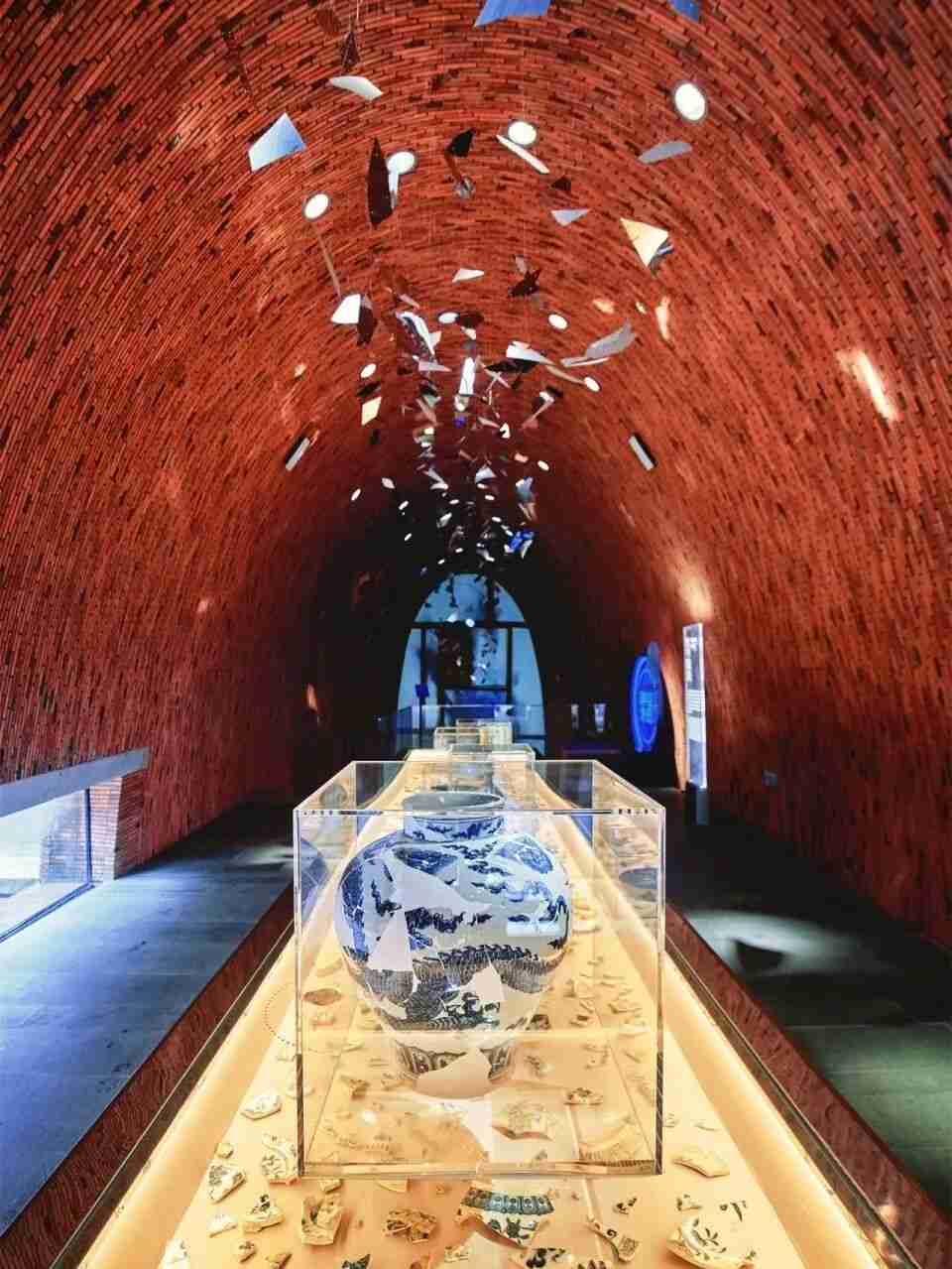
Inside, restored imperial porcelain and countless ceramic fragments are carefully preserved. Listen as the docent explains how porcelain was once crafted for the emperor. These cracks and restored traces often feel even more moving than the intact pieces themselves.
After admiring the exquisite imperial porcelain, head into the workshop spaces to craft your very own “royal porcelain.”
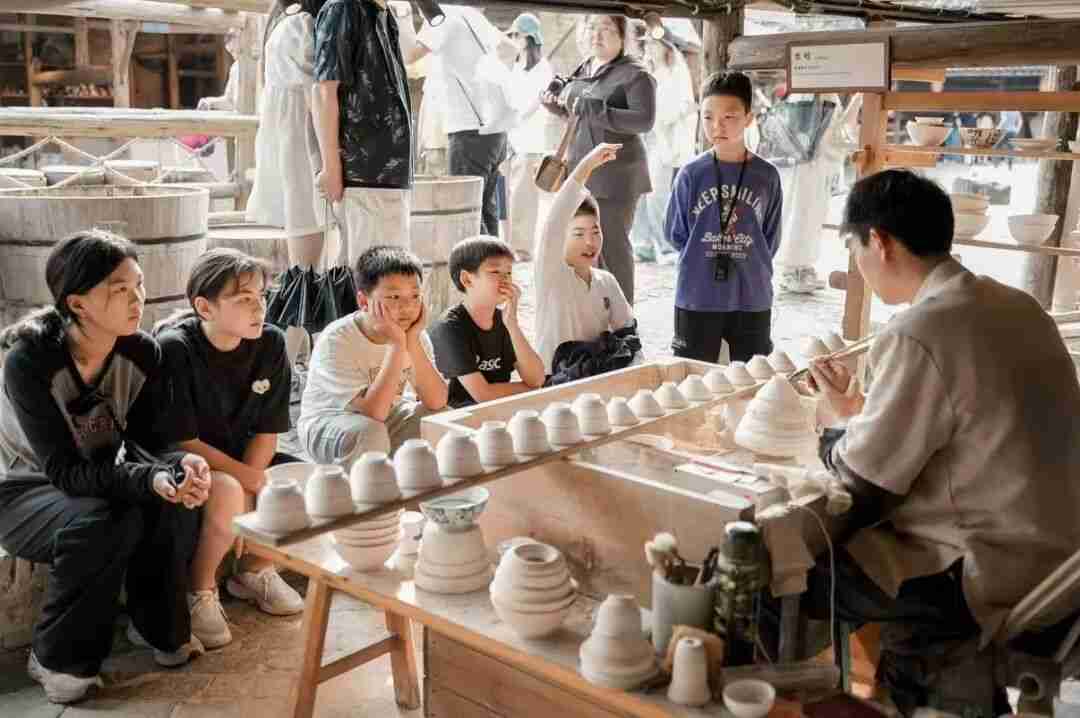
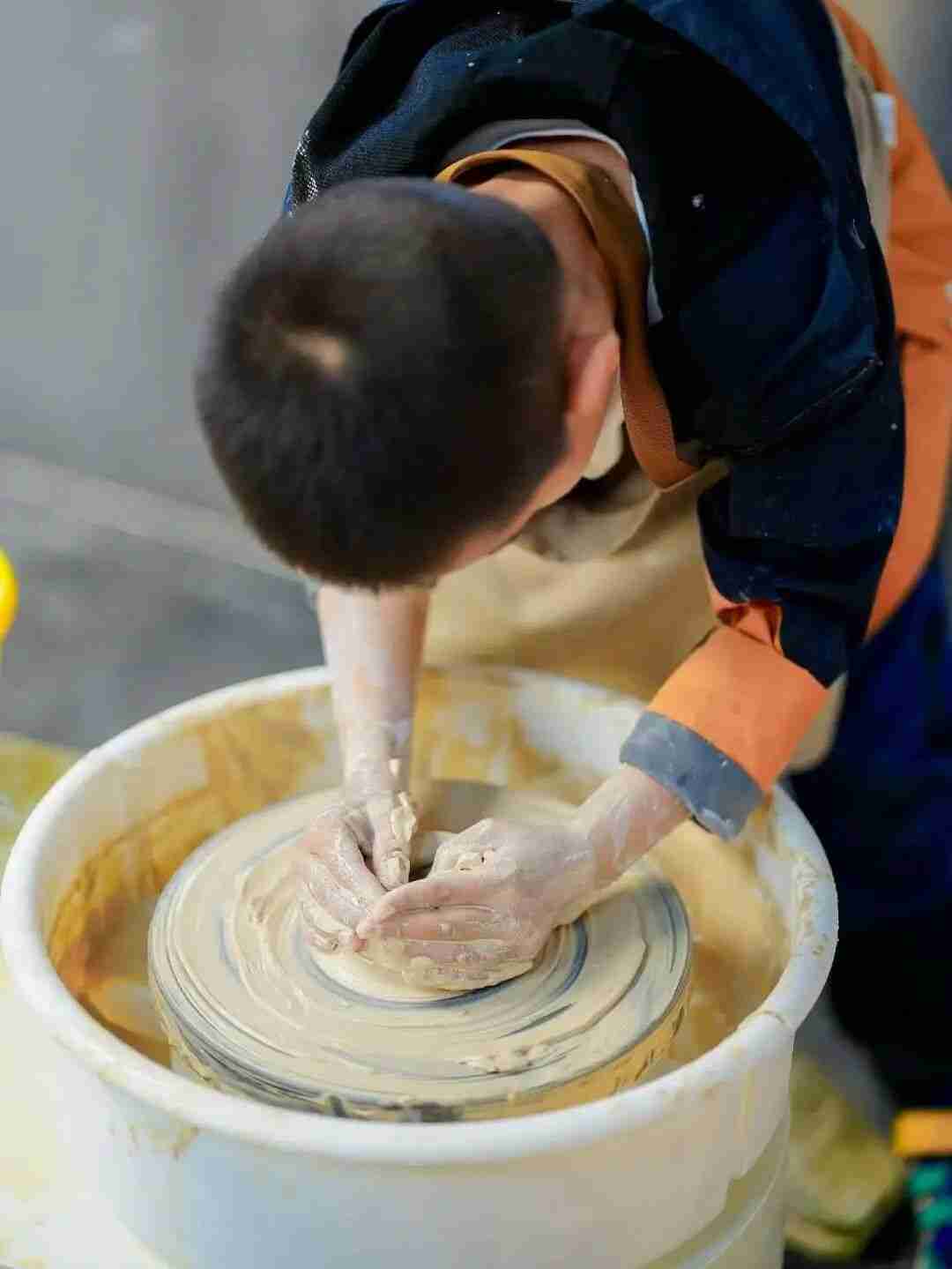
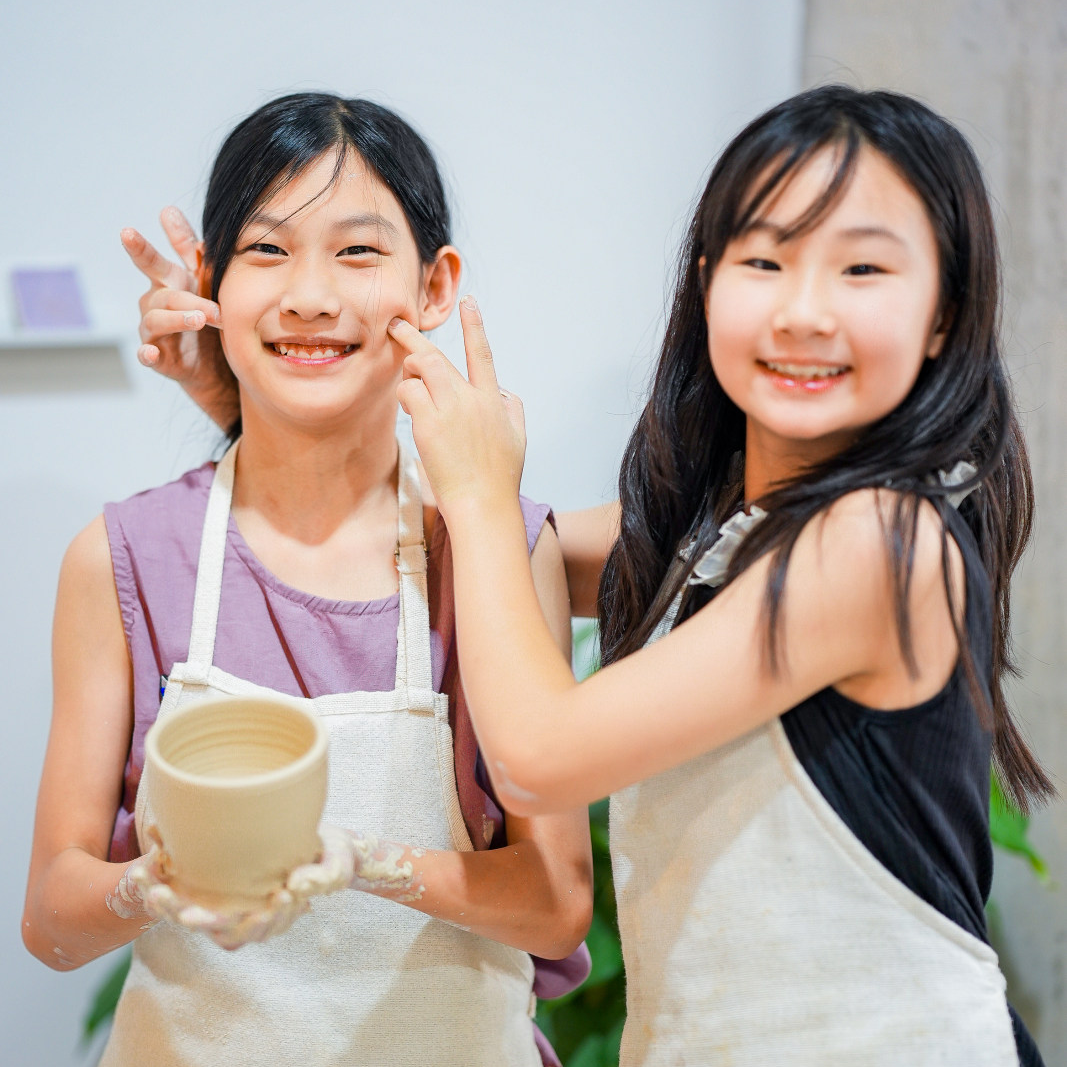
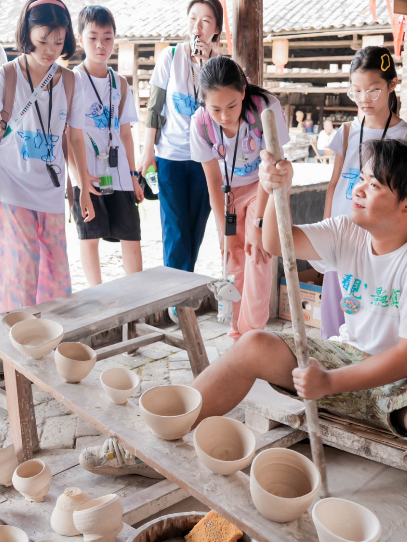
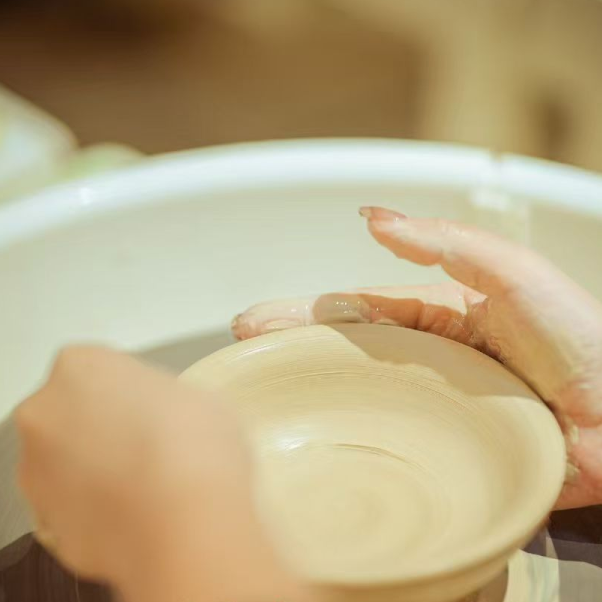
Throwing Experience: After a group demonstration by the instructor, each participant receives a piece of clay to shape a cup or a bowl by hand.As the clay spins, rises, and transforms beneath their hands, children experience the irreplaceable joy of
creating something from nothing.
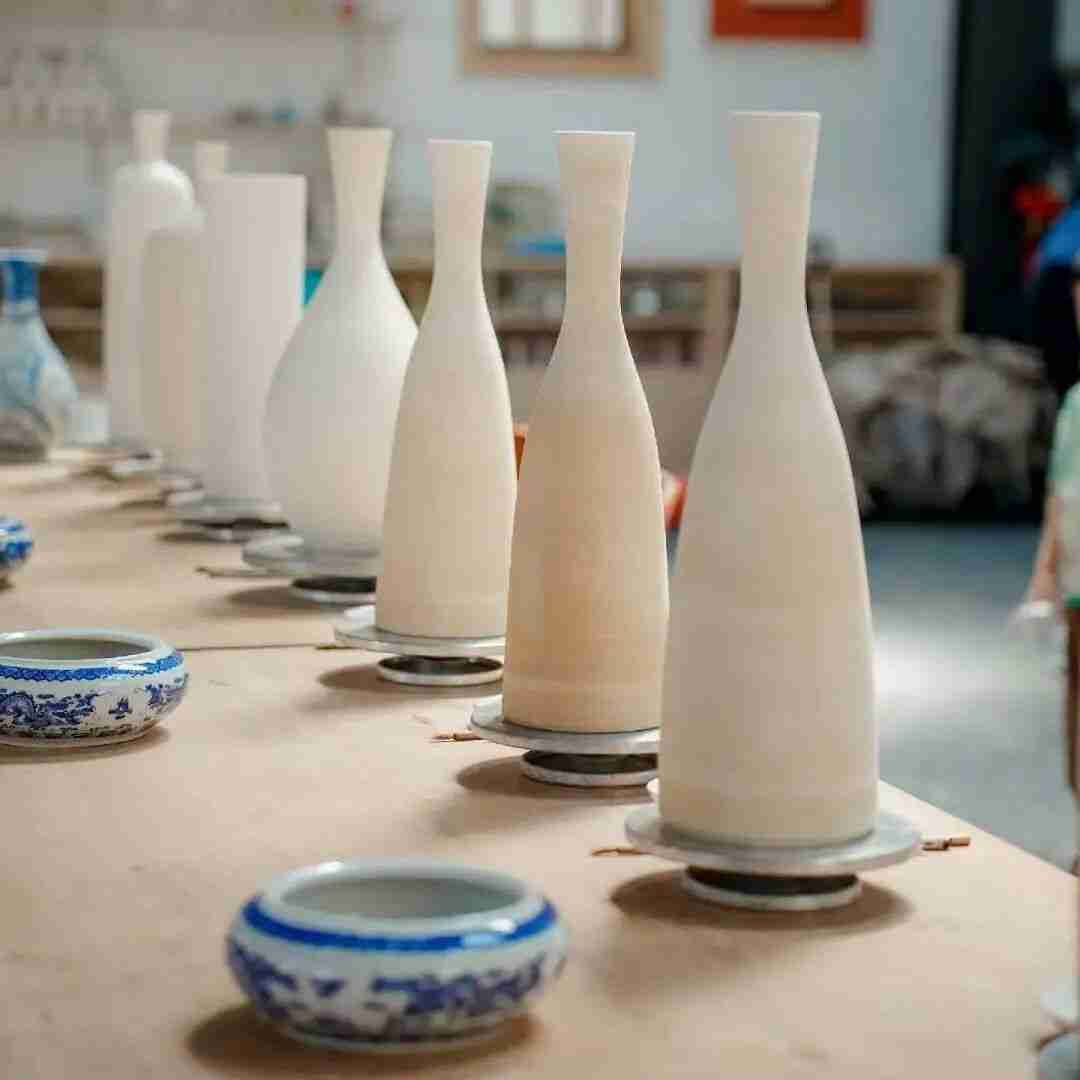
TREE ART Blue-and-White Painting Course: The Secret of Sumali Blue Cobalt
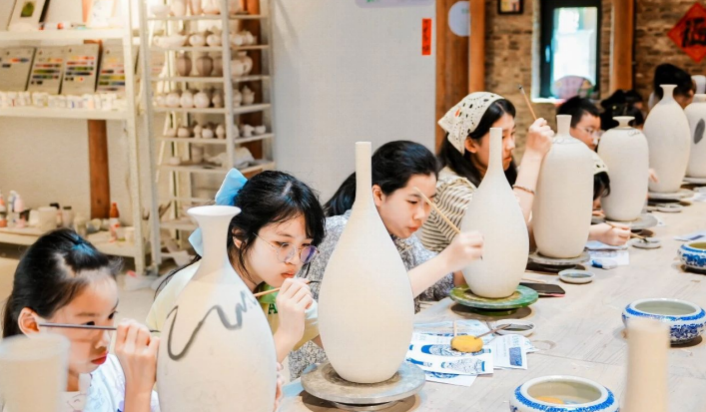
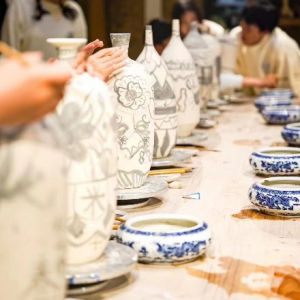
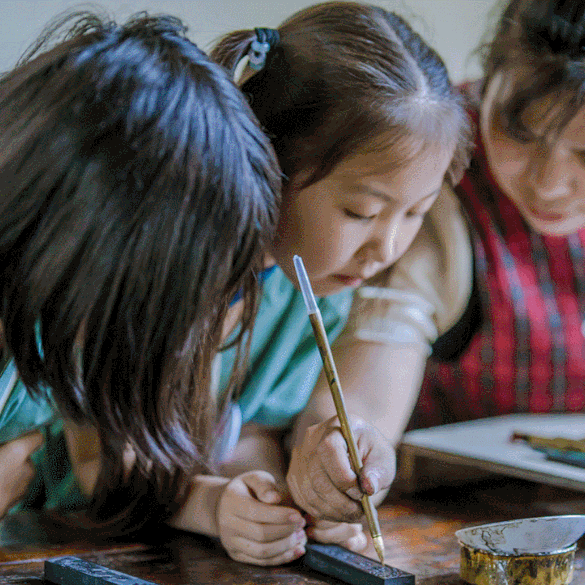
Afternoon: Instead of painting on paper, today we will paint directly onto ceramic bisque .Using the historic blue-cobalt pigment known as Sumaliqing, children will paint stroke by stroke on ceramic surfaces—whether a vase or a plate. Children are free to unleash their imagination—painting a cloud, a fish, or even a story of their own.
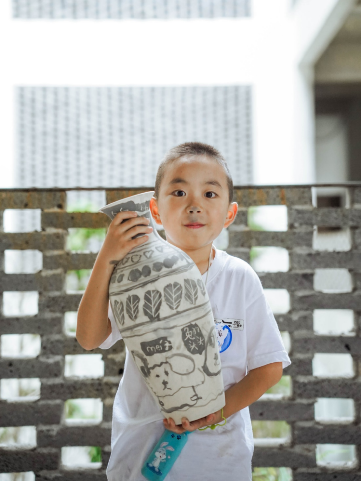
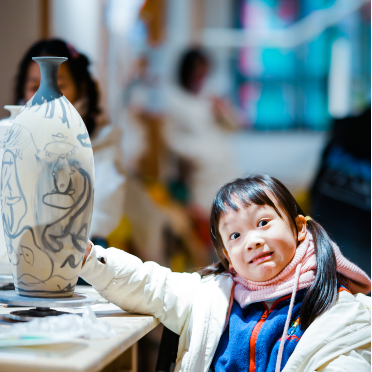
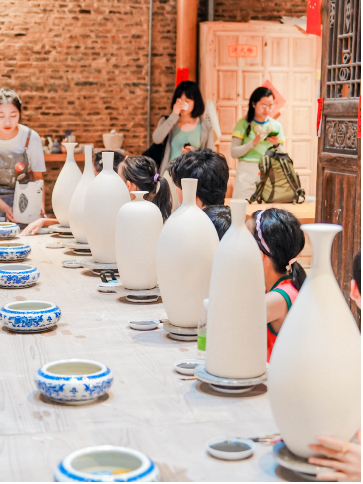
Parents and children create side by side, with big hands and little hands working together to complete their own pieces. Though not every piece may be perfect, each one becomes part of a precious family memory. Each finished piece will be collected for firing, later becoming one of the most meaningful keepsakes of this journey.
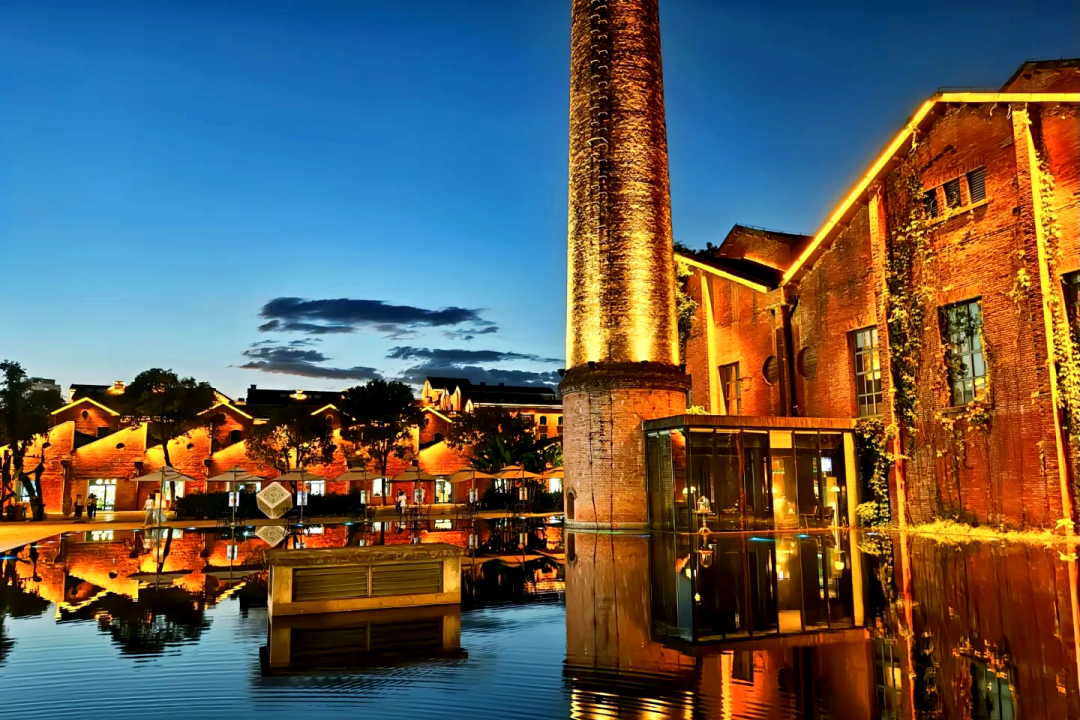
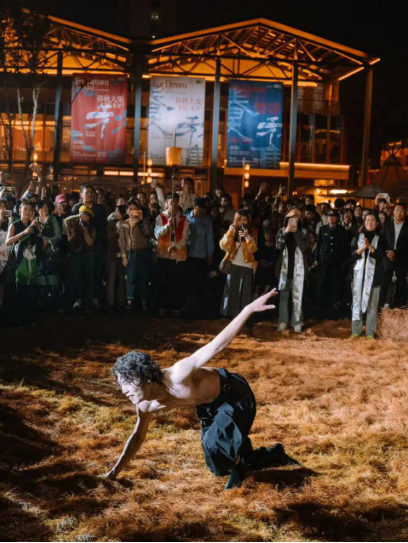
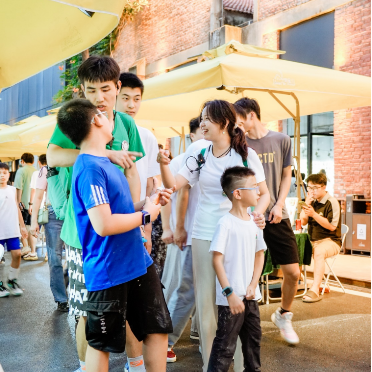
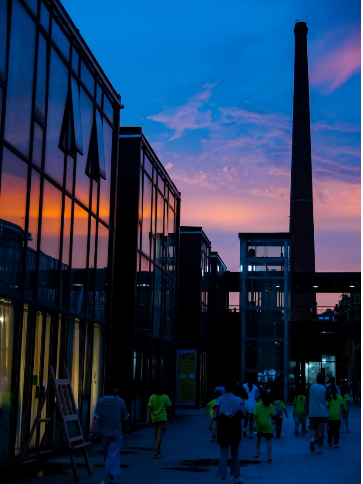
Evening: A nighttime visit to Taoxichuan. Its predecessor was the Universe Porcelain Factory, one of Jingdezhen’s top ten porcelain factories. Transformed under the philosophy of “protecting and utilizing ceramic industrial heritage,” Taoxichuan has ceramics as its eternal theme. The old factory buildings have been reborn as creative studios and art galleries.
Day 3 – A Millennium of Porcelain Craft· Legacy of Ancient Traditions
Morning: Children reconnect with the earth, discovering the simple joy of working with clay—where life itself becomes education.With their bare feet, they step and tread through the clay, feeling its texture and temperature firsthand.
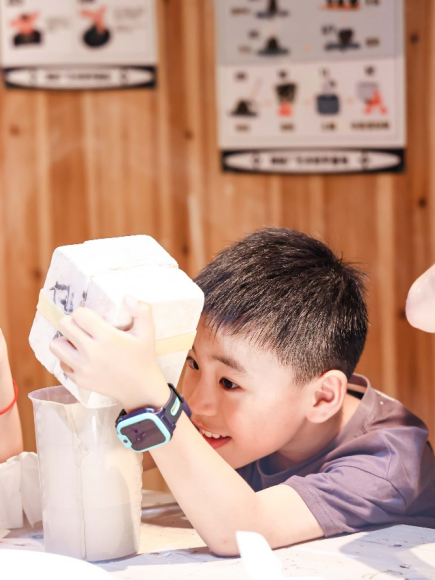
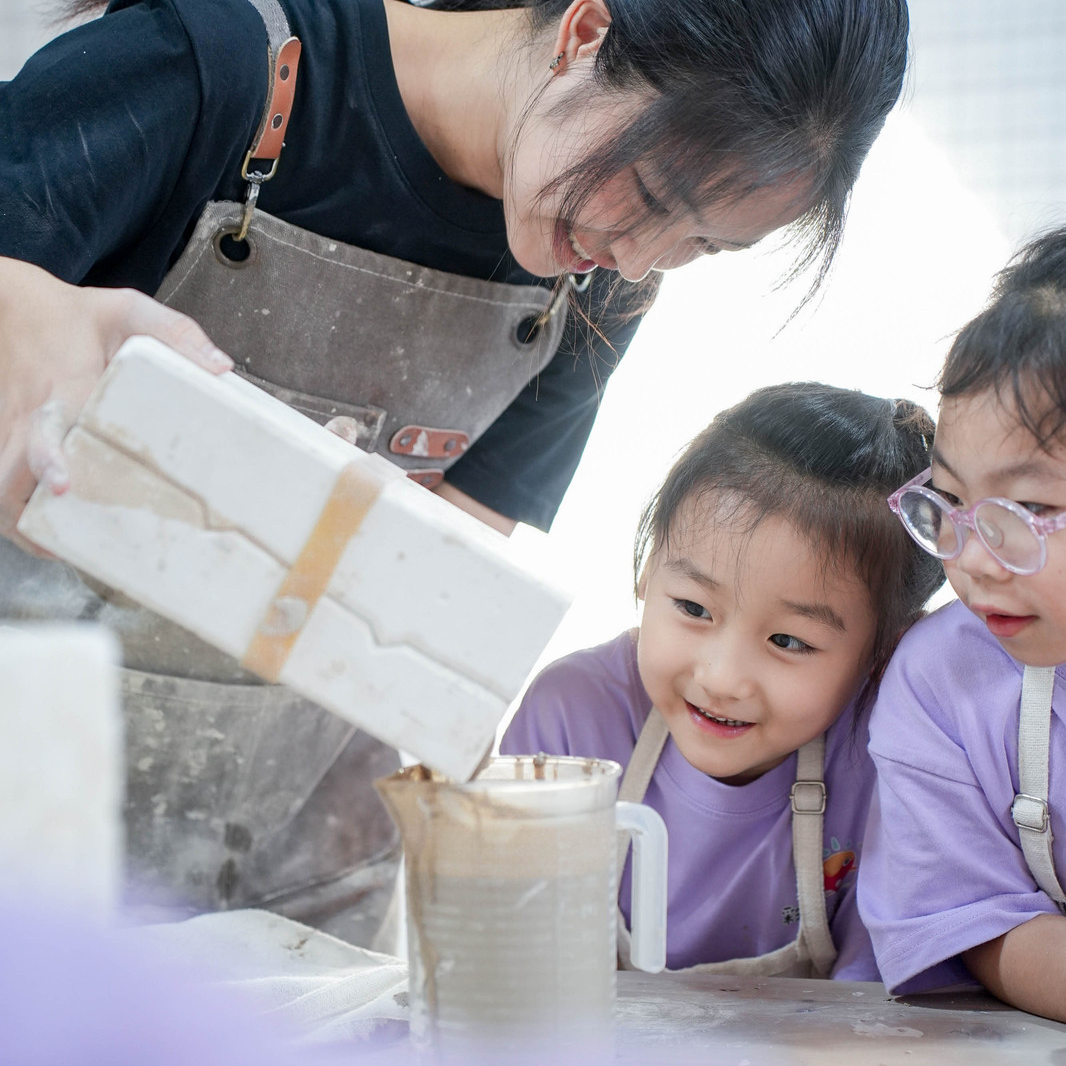
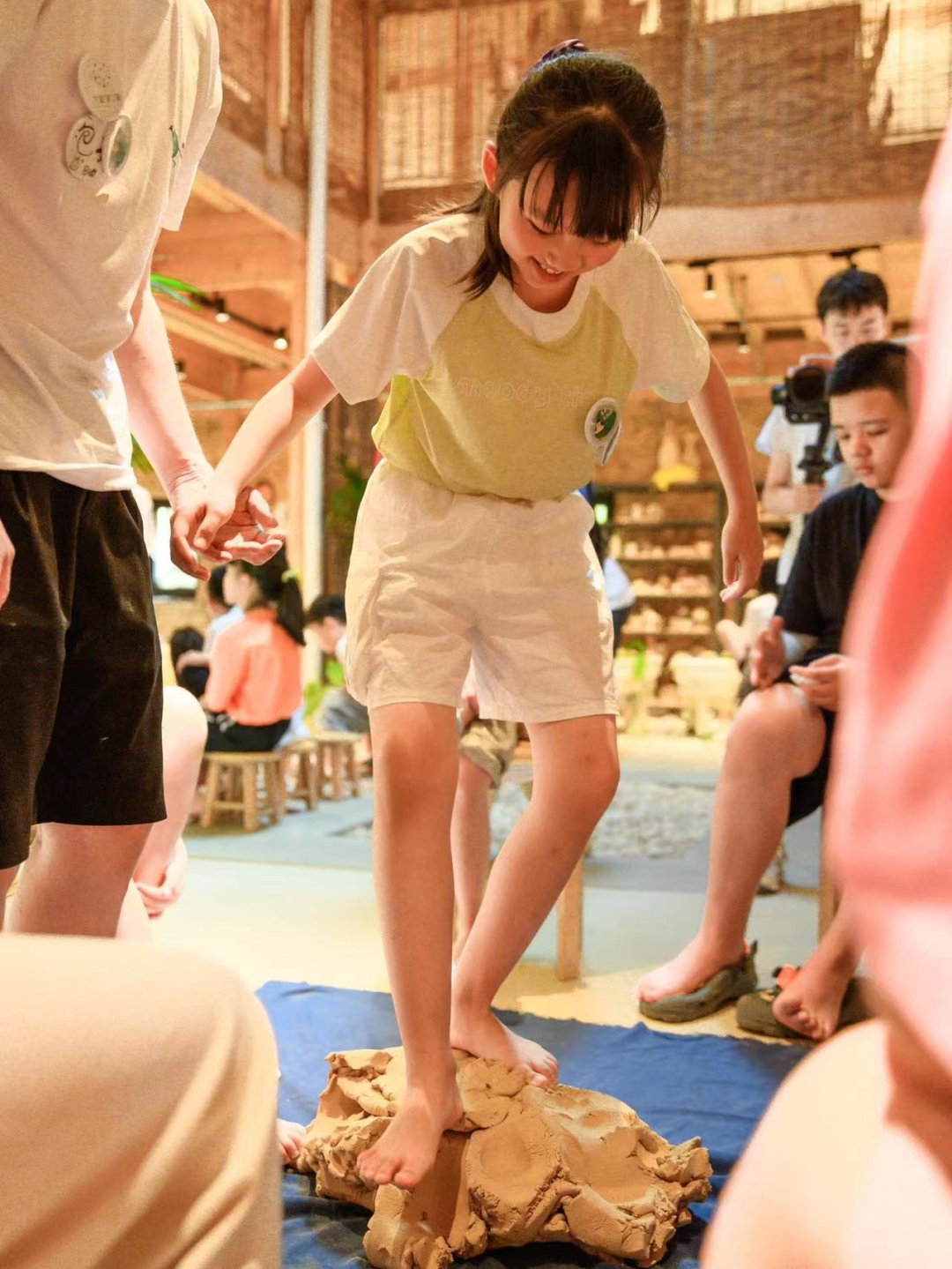
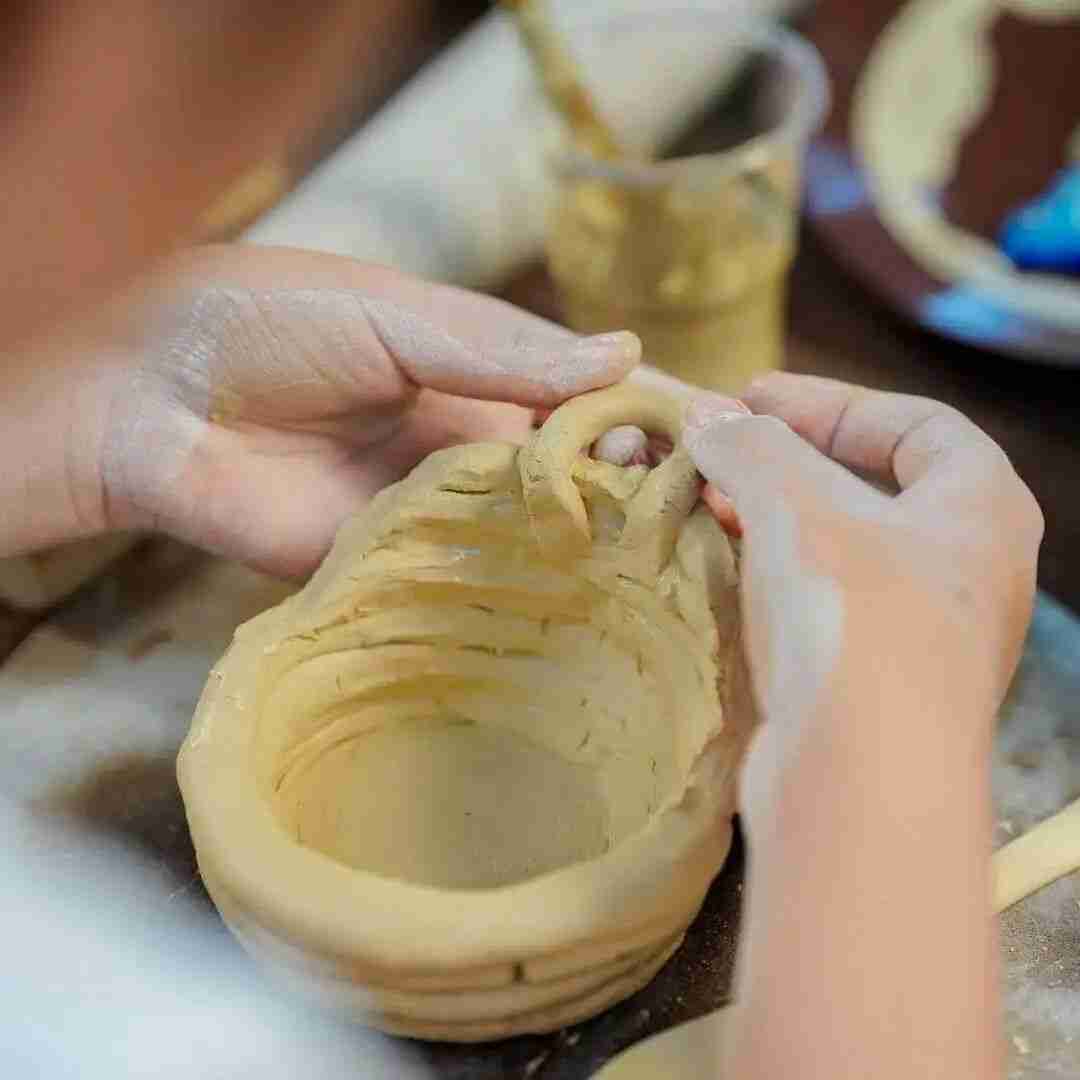
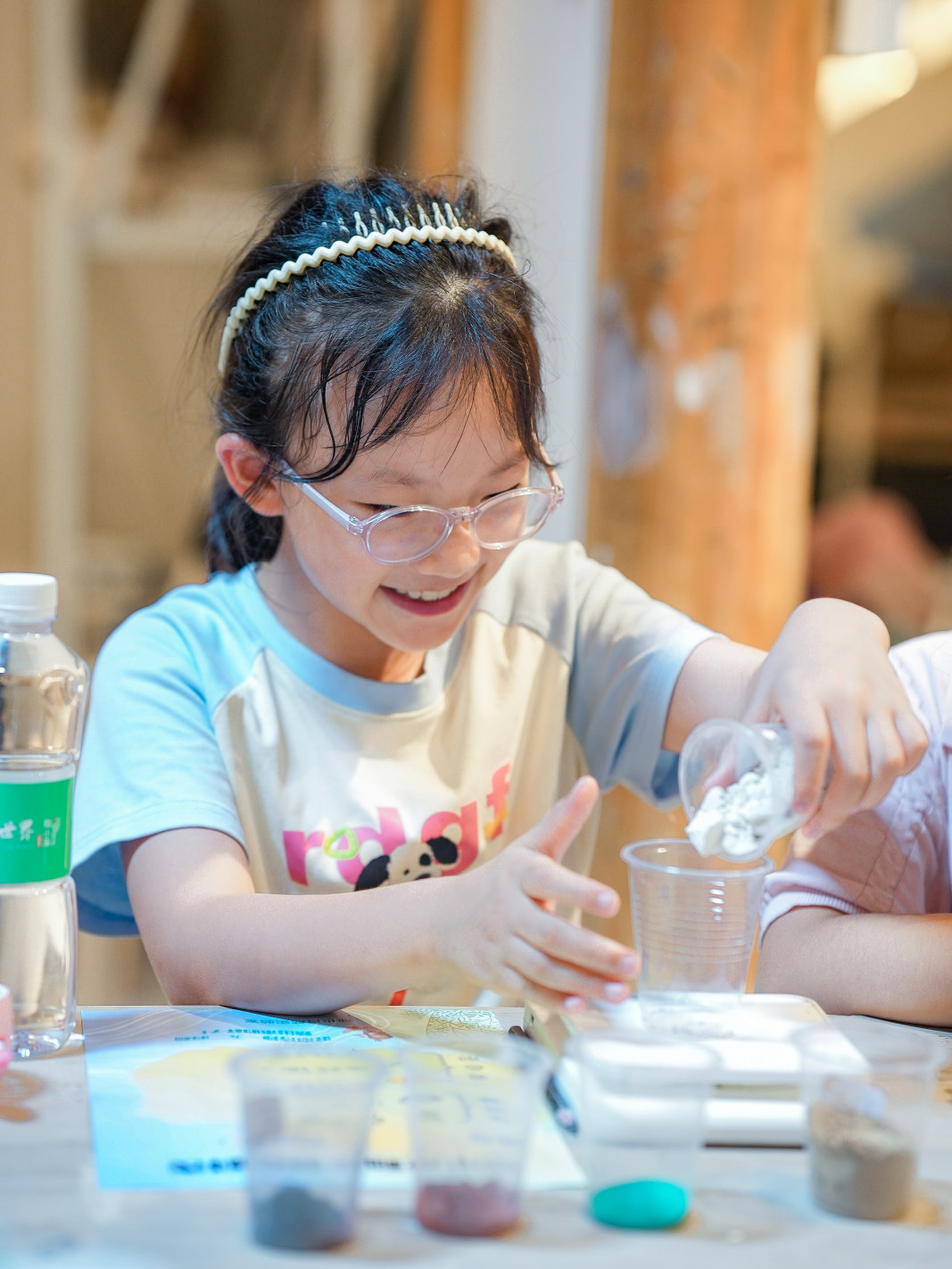
Knowledge begins with experience. What transformation takes place when earth and water come together? Children will learn traditional ceramic-forming techniques, shape a cup and a bowl by hand, and explore a clay mystery box designed for discovery.
TREE ART Ceramic Forming Course: Shaping Beauty from Clay
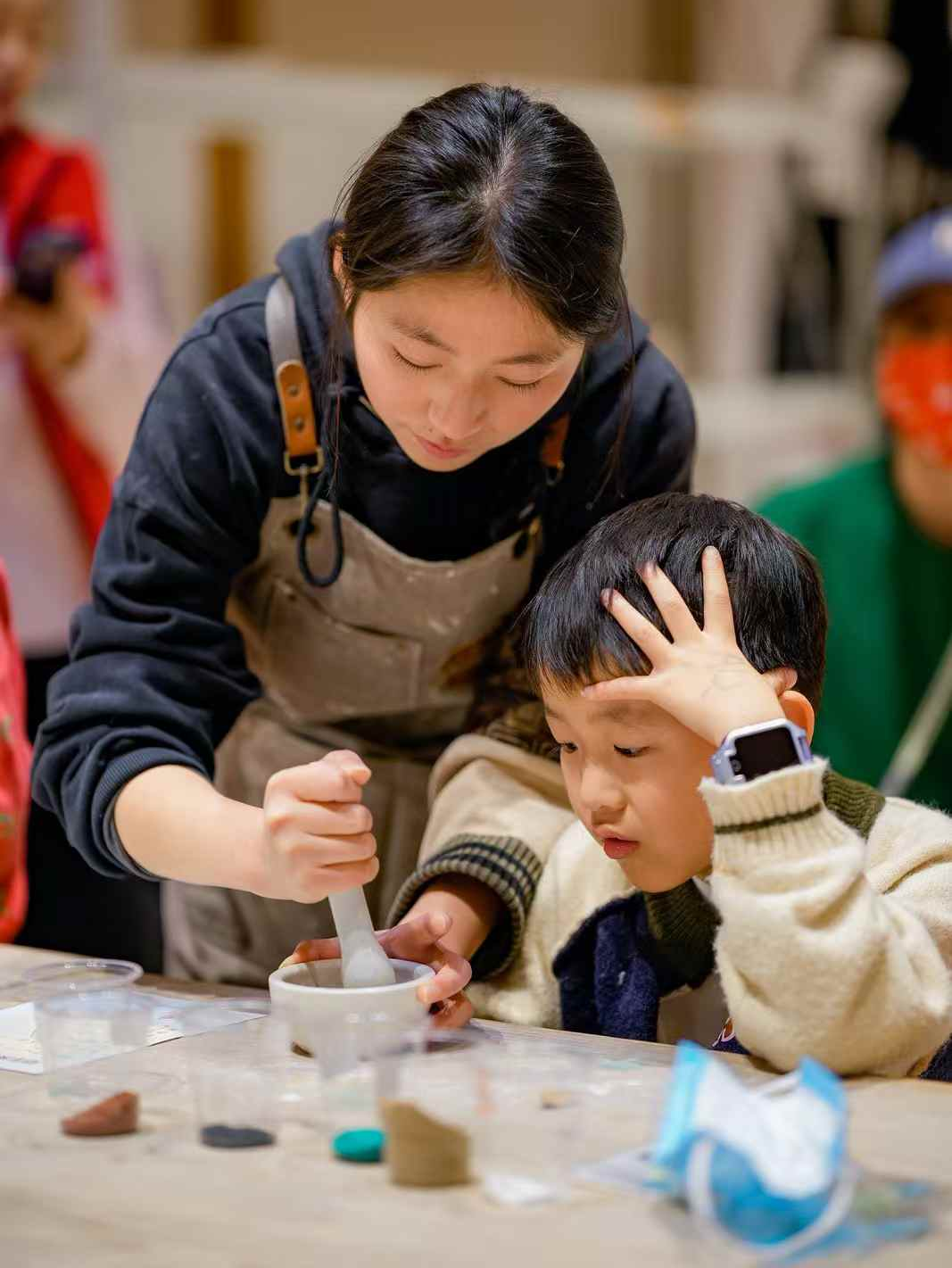
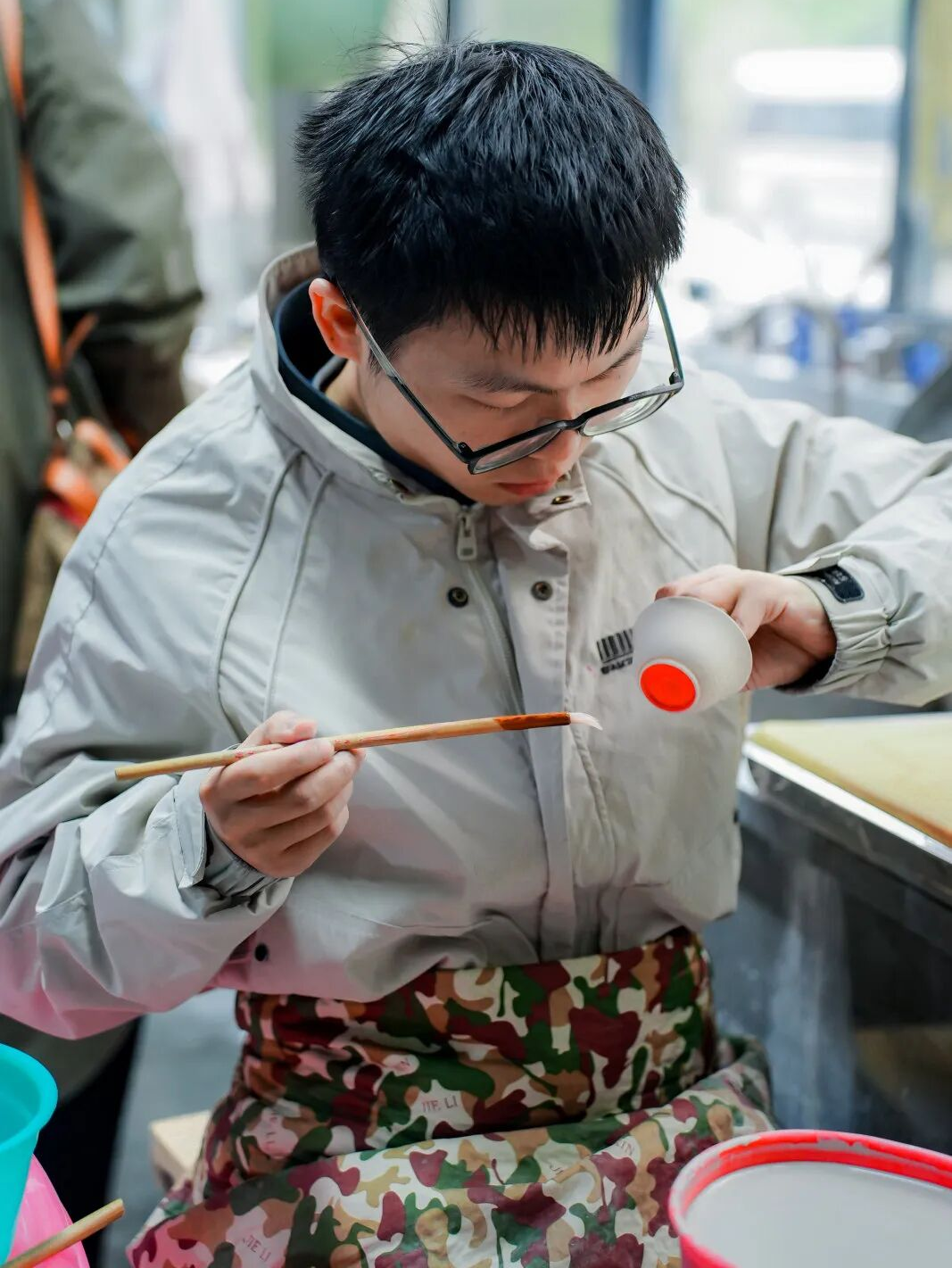
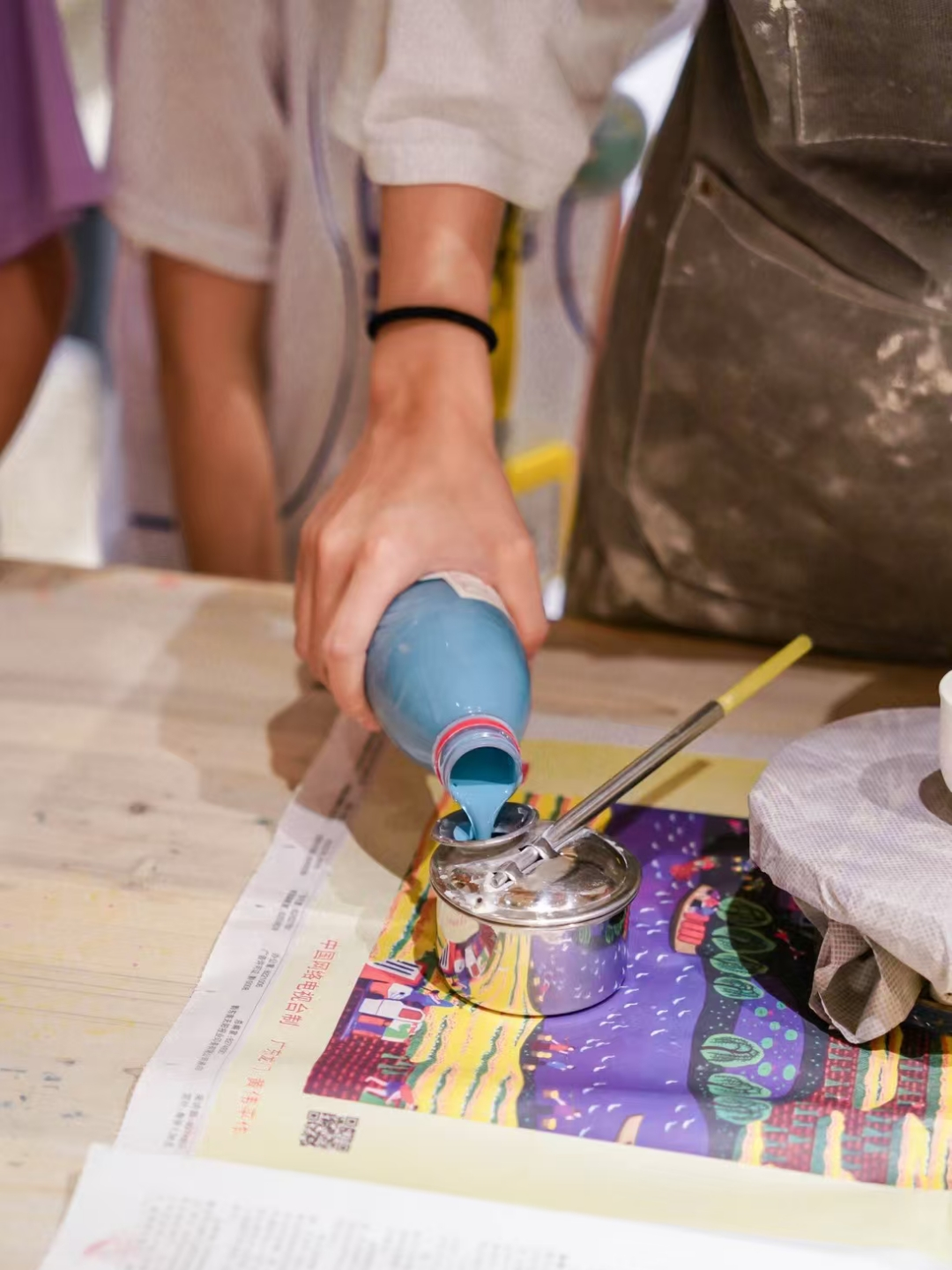
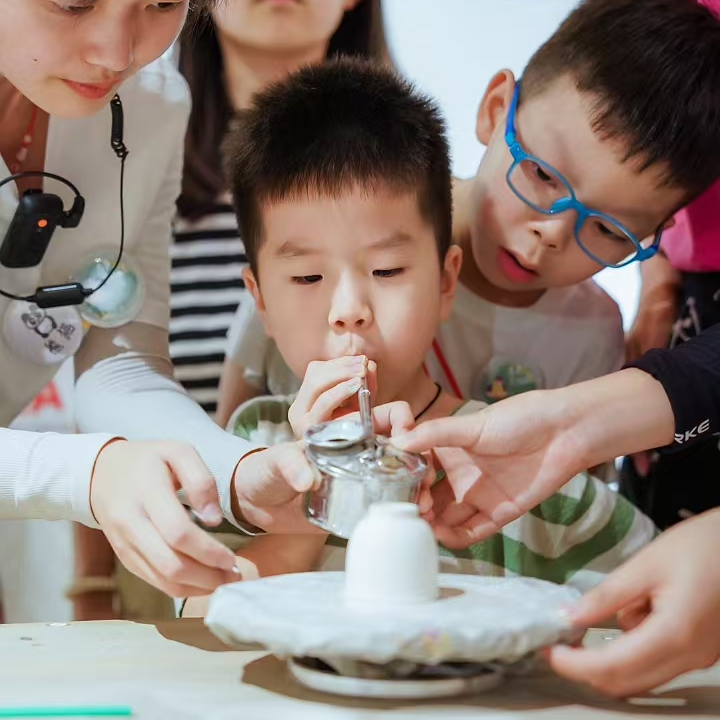
Afternoon:Learn three traditional glazing techniques—blowing, dipping,and pouring glaze—and try each one by hand. Watch the glaze settle evenly across the porcelain surface. As color meets clay, each piece gains a final layer of warmth, texture, and luminous finish.
Day 4 – A Millennium of Kiln Fires · Passed Down Through Generations
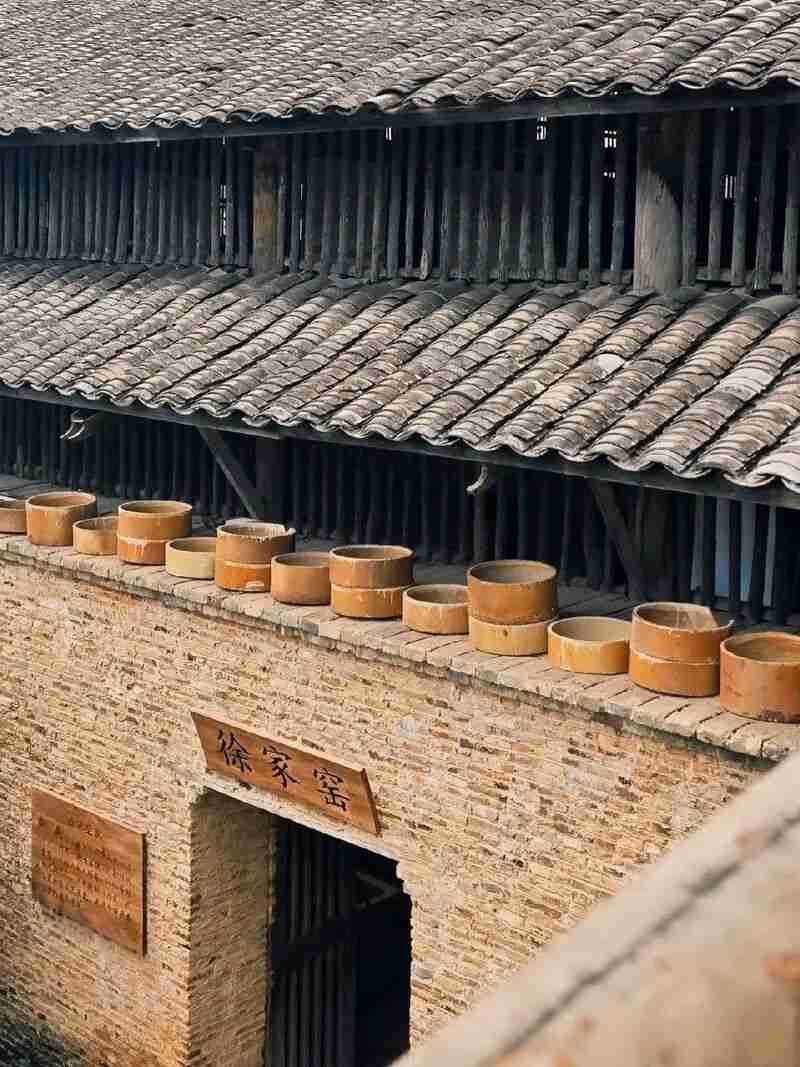
Morning: Visit the Xujiayao Workshop Complex. Here, numerous ancient kiln sites and historic workshops remain preserved. These timeworn relics and fragments of history reflect Jingdezhen’s centuries-long story. They preserve the city’s memory while carrying forward the enduring craft of porcelain making.
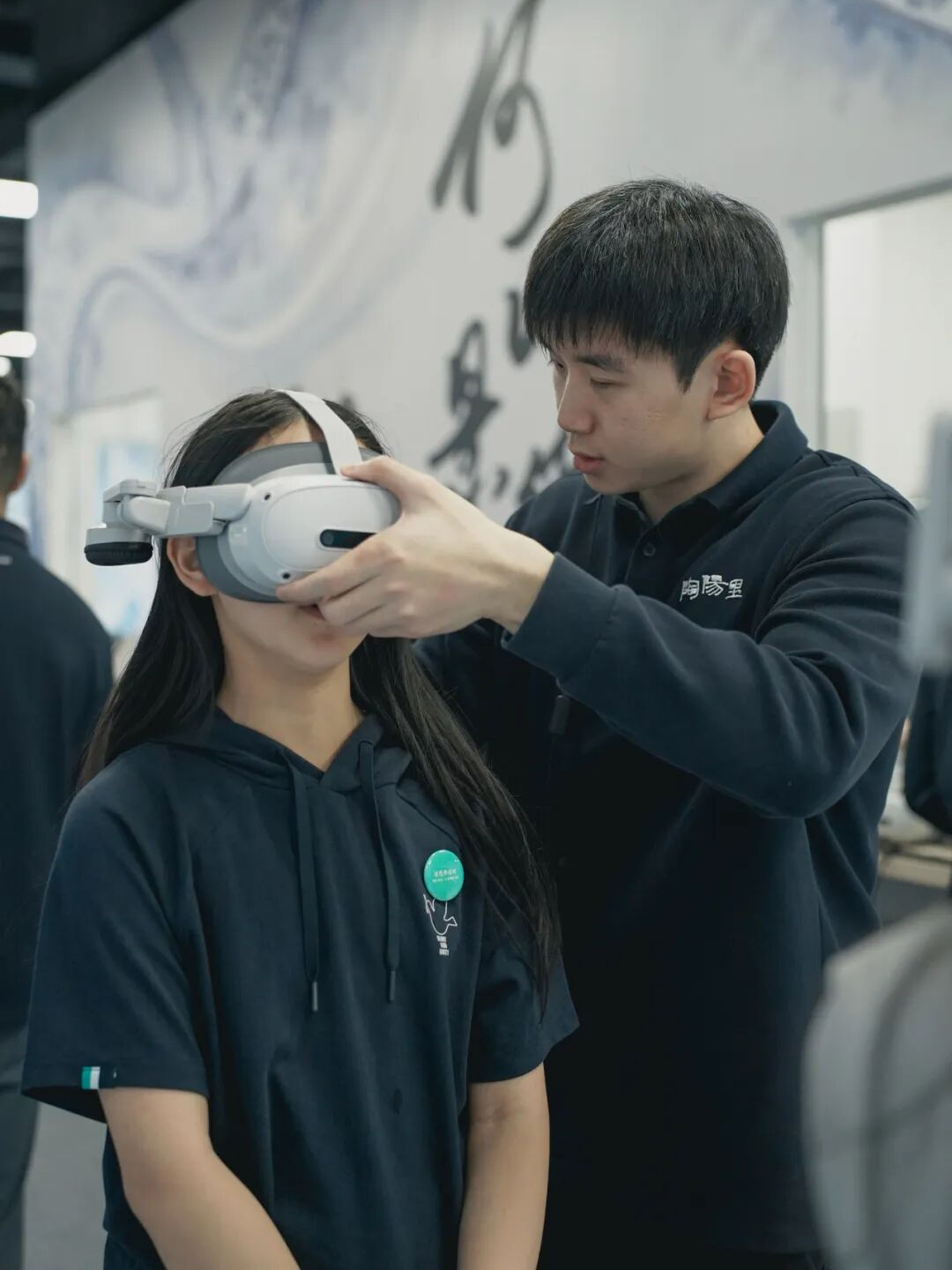
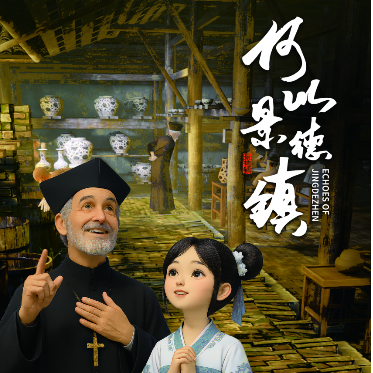
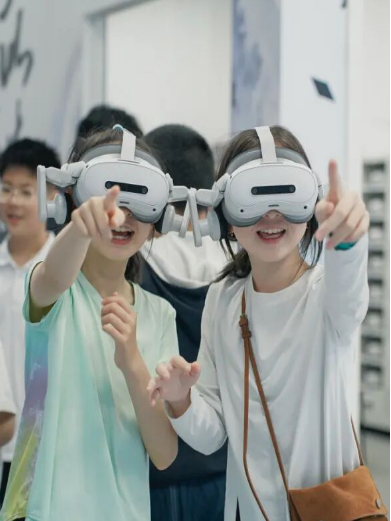
“What Makes Jingdezhen” VR Experience: Centered on virtual reality technology, this immersive experience vividly recreates the development of Jingdezhen’s ceramic culture.
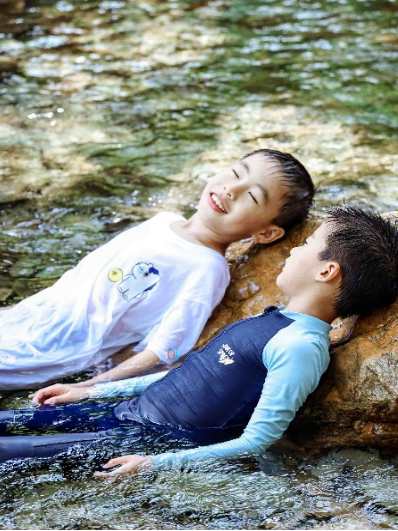
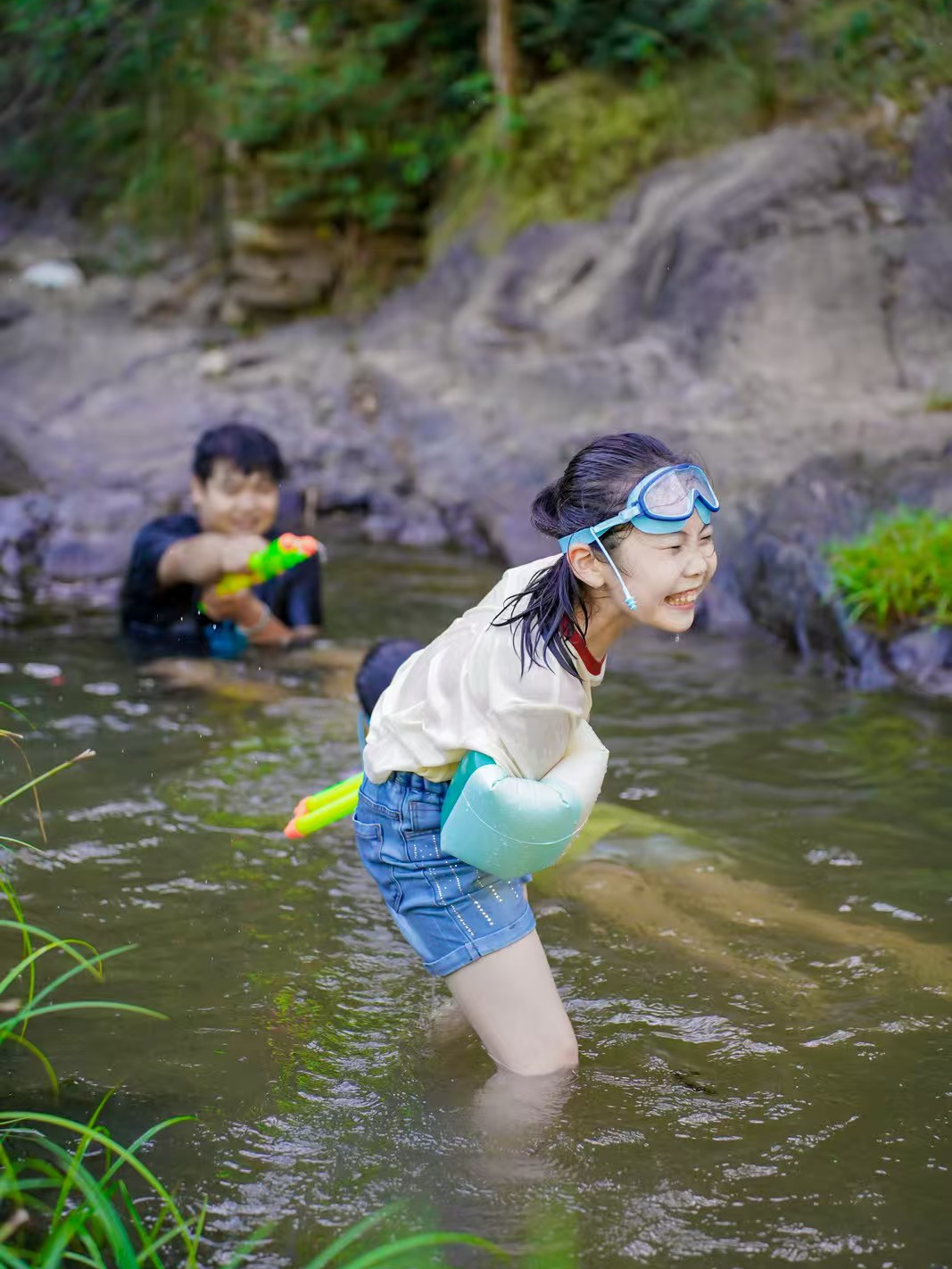
Afternoon: Surrounded by the green hills and clear waters of this thousand-year-old porcelain heritage site, children begin a lively water-play activity. Splash through the cool streams, unwind in nature, and listen as the ancient kiln ruins echo stories of porcelain traditions passed down over centuries.
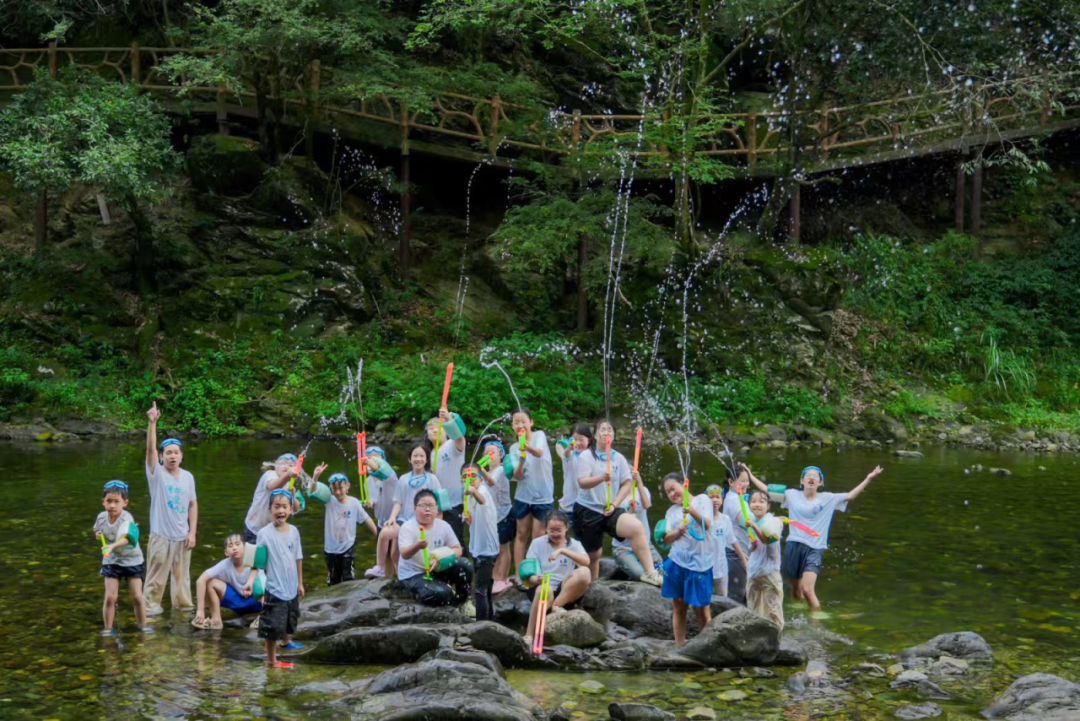
Few things capture the spirit of childhood summer more fully than splashing through mountain streams.In a safe and supervised setting, children can fully embrace the carefree joy of childhood. Getting close to nature, children will head to Xiangchunshan Camp for an energetic outdoor water activity.
TREE ART Pit Firing Course: The Art of Clay and Fire
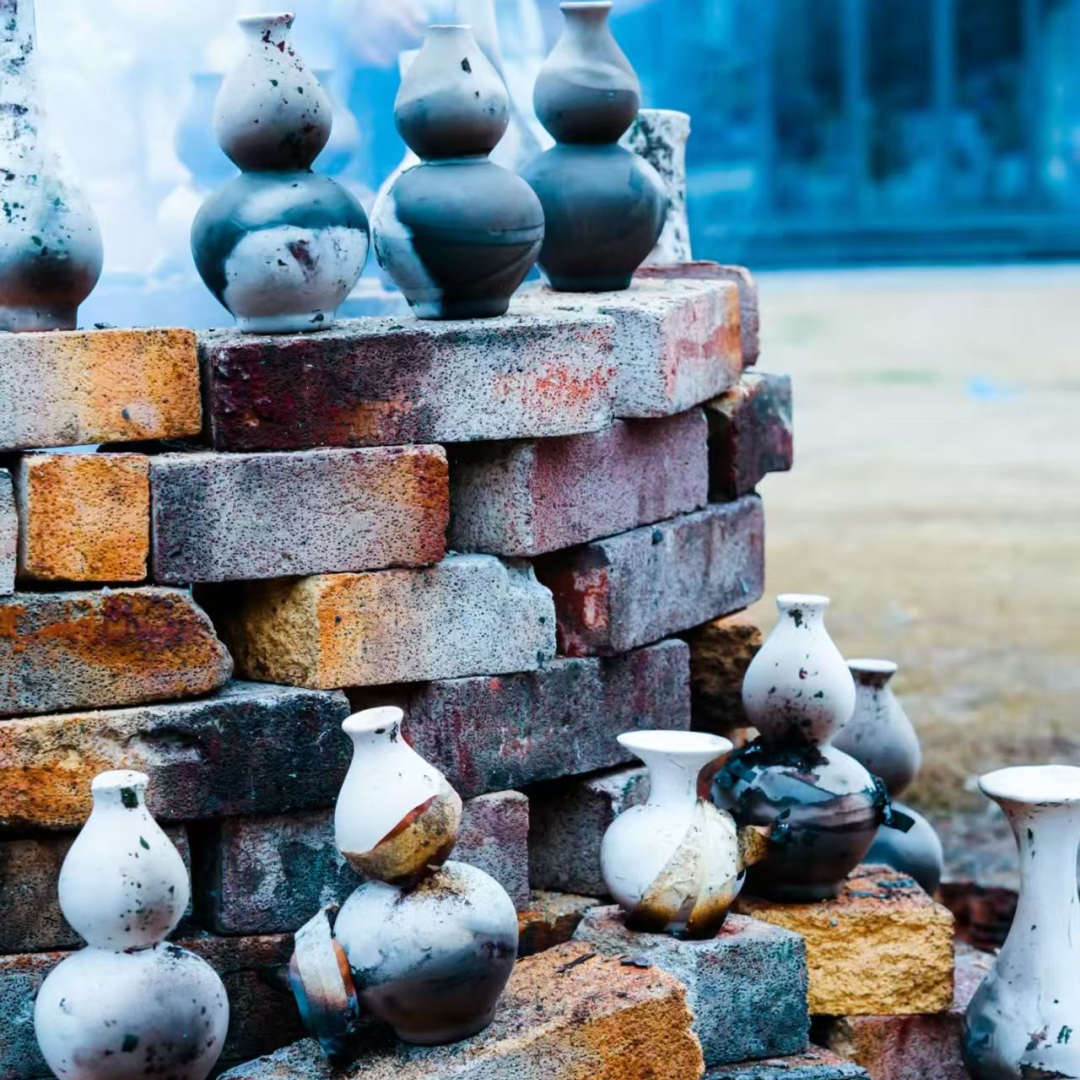
Have you heard the story of Tong Bin, the legendary Kiln God? This marks one of the final stages of ceramic making. As part of the tradition, participants learn about the symbolic blessings once associated with kiln firing. Flames and smoke leave natural patterns across the clay surface. Through pit firing, each piece becomes a visual record of the powerful interaction between fire, smoke, and clay.
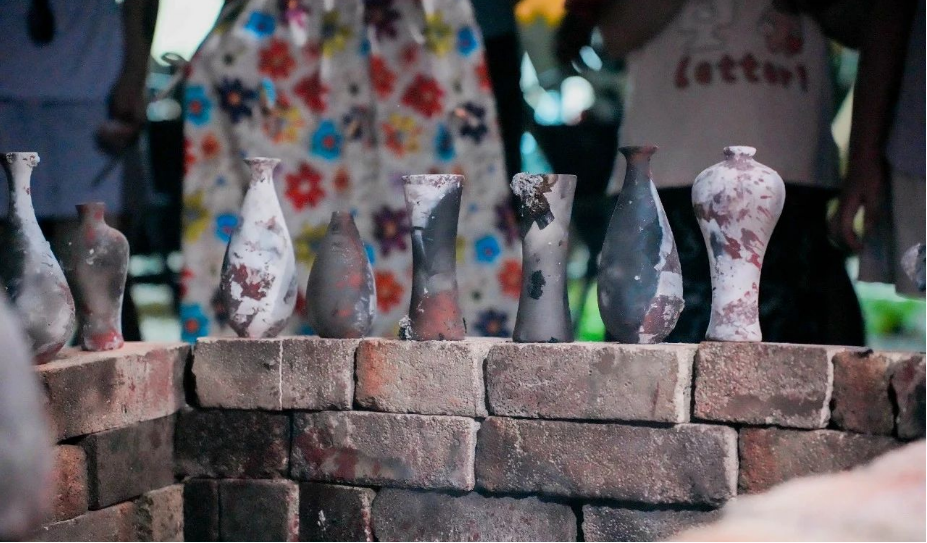
The beauty of ceramic pit firing lies in its unpredictability and sense of discovery. Filled with anticipation, children witness firsthand the “birth” of each ceramic piece. As the flames rise, each piece emerges as something entirely unique.
Expectation and curiosity are the world’s most natural teachers. Through the pit-firing course, children come to understand that effort naturally leads to reward—a lesson learned through experience.
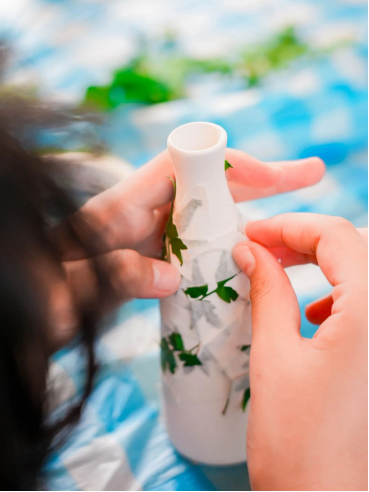
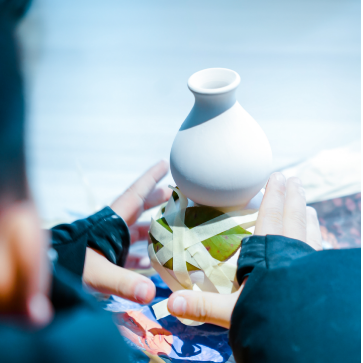
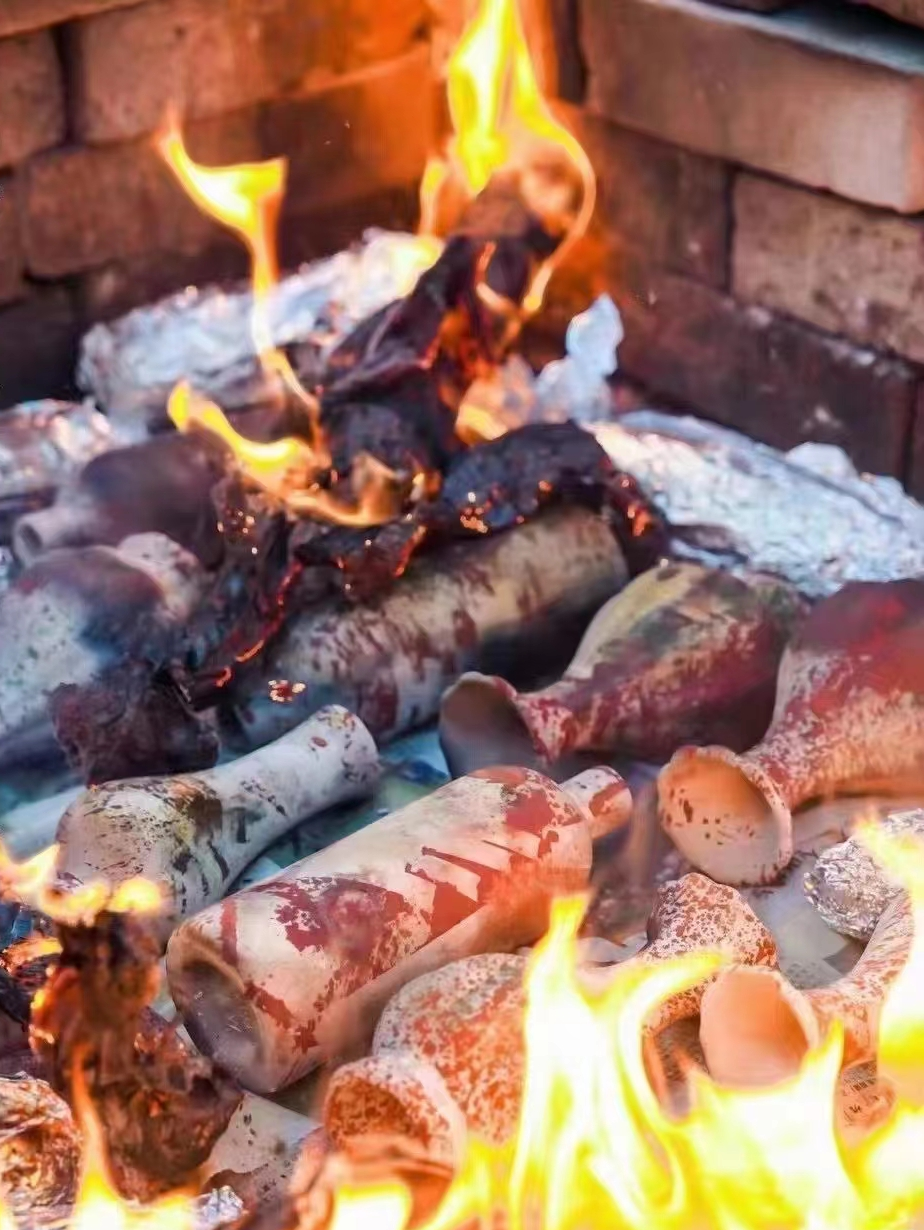
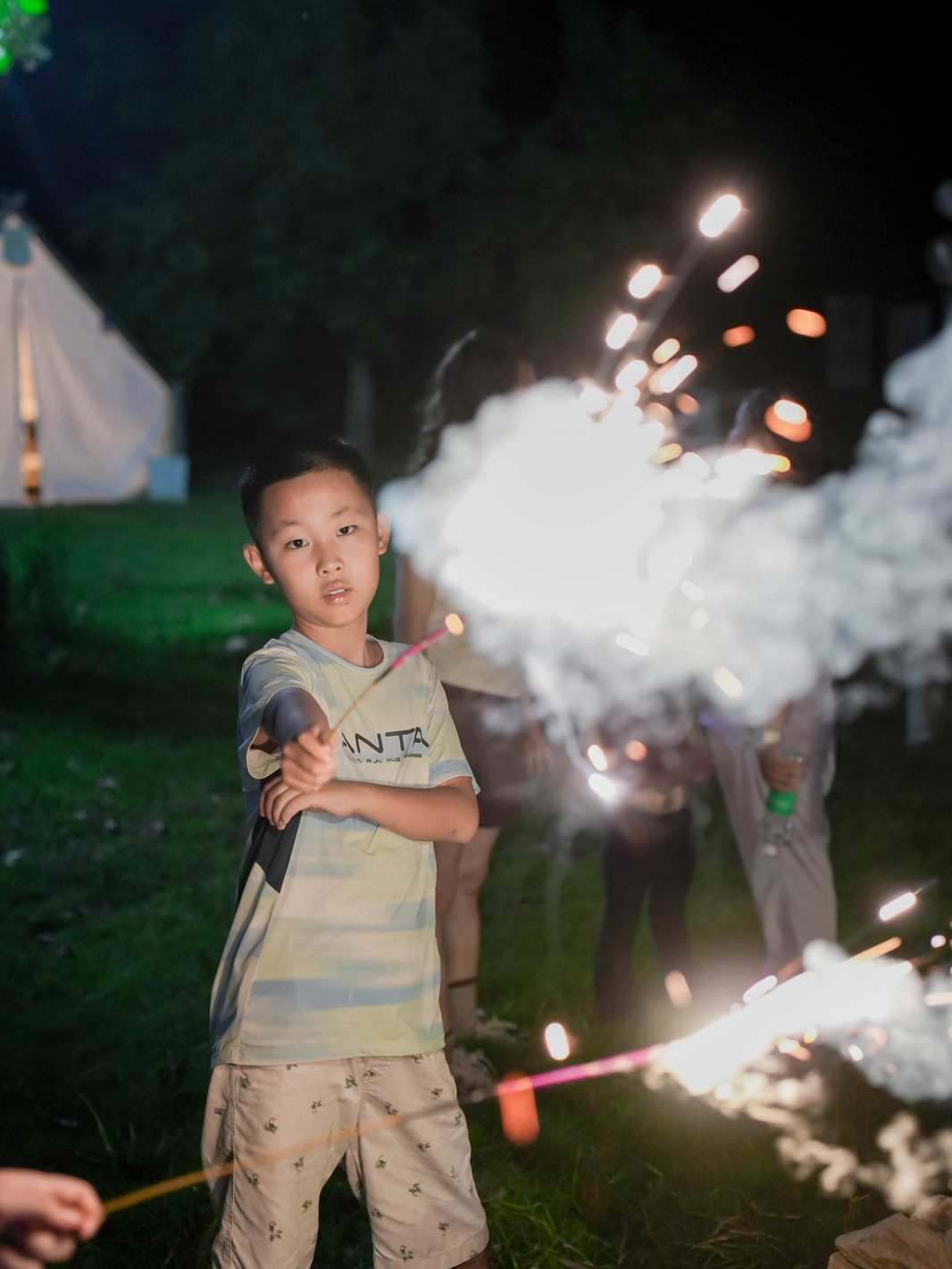
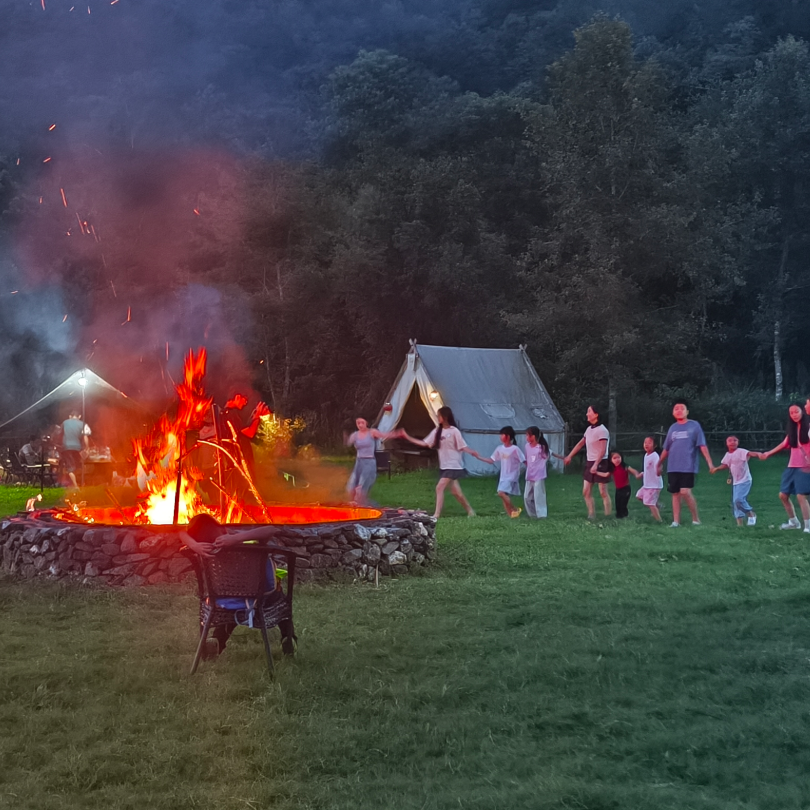
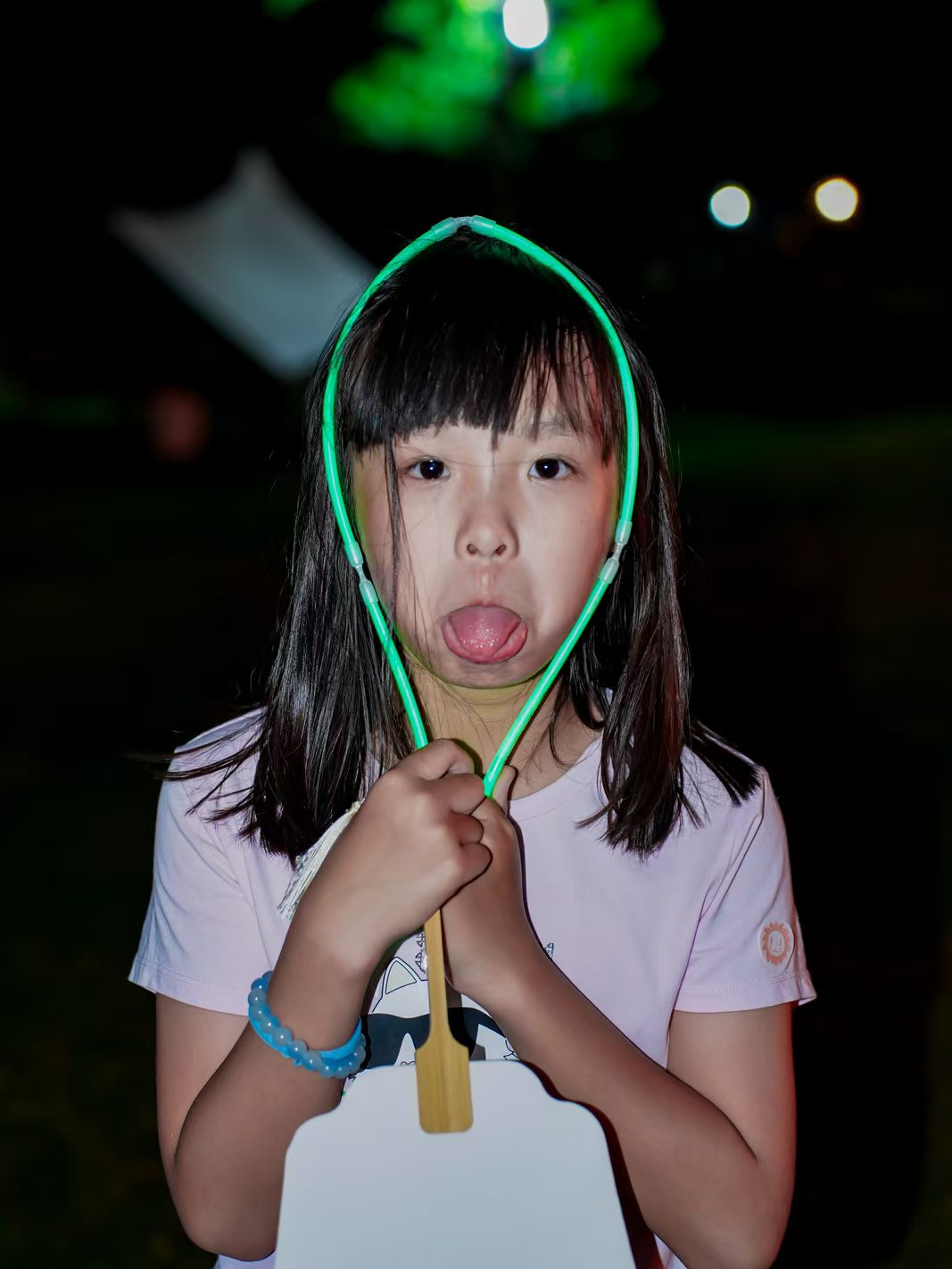
Evening: “A Millennium of Kiln Fire Beneath the Stars” – Study Tour Night. Around the blazing bonfire, participants join hands in celebration, share performances, and take part in the “Taiping Kiln” lighting ceremony—experiencing a kiln-fire tradition passed down through generations.
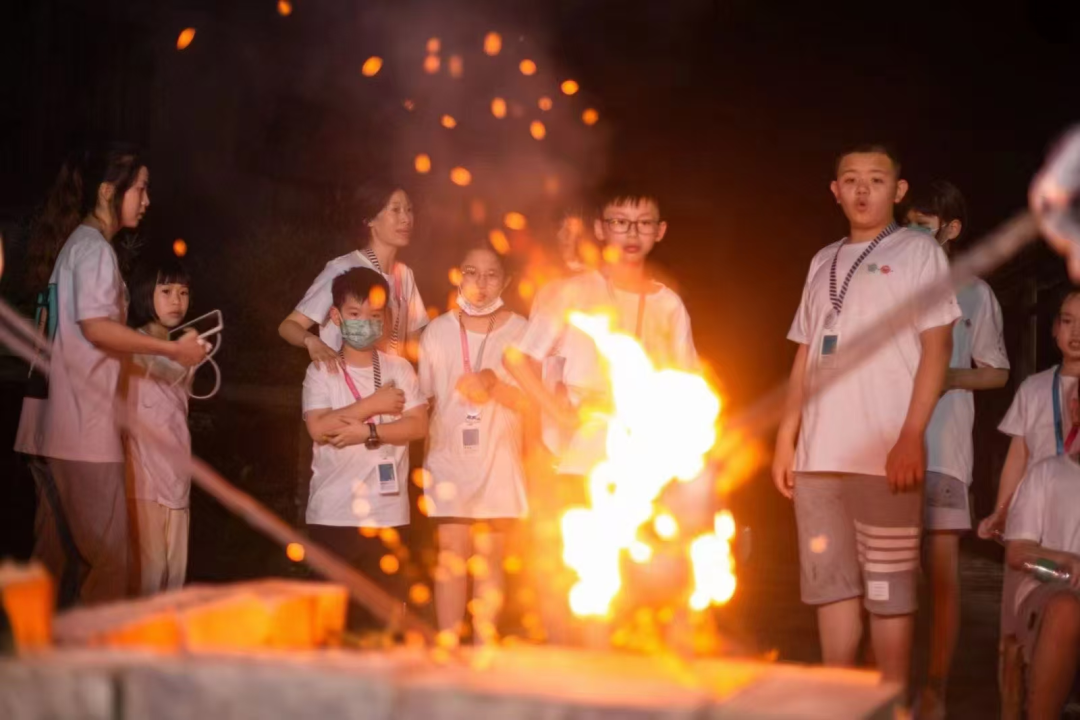
As the bonfire reaches its peak, fireworks and sparkling embers light up the night sky. Like silver blossoms, they glow above the ancient village as laughter echoes through the surrounding hills and forests.
Day 5 – Ancient Village Treasure Hunt • Discovering Cultural Treasures
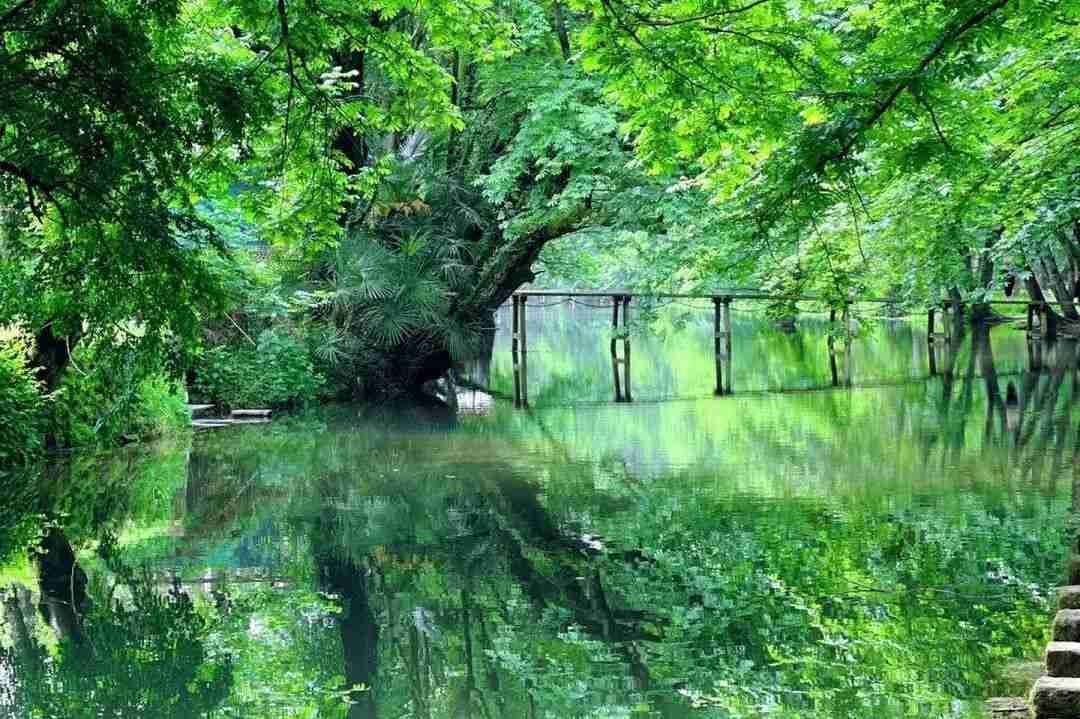
Morning: Step into Xixinan, a remarkably preserved thousand-year-old ancient village.Here, generations have left behind a rich legacy of spiritual and material culture. Following guided clues, children will search throughout the village for traces of its historical past.
Through this engaging exploration, children will gain a deeper appreciation of Hui culture while developing awareness of architecture, landscape, and the curiosity to explore the unfamiliar.
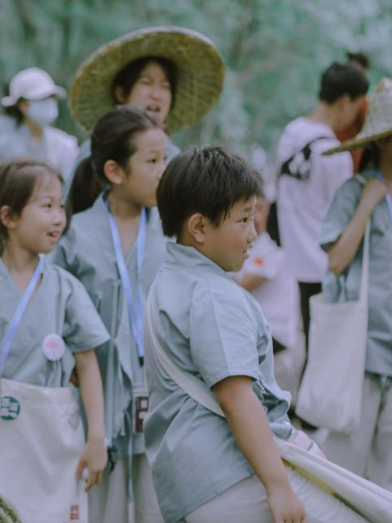
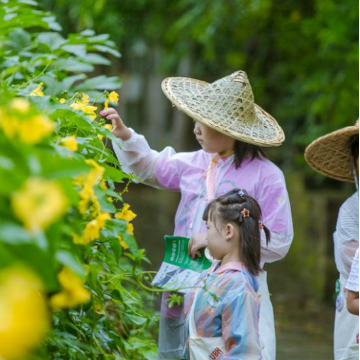
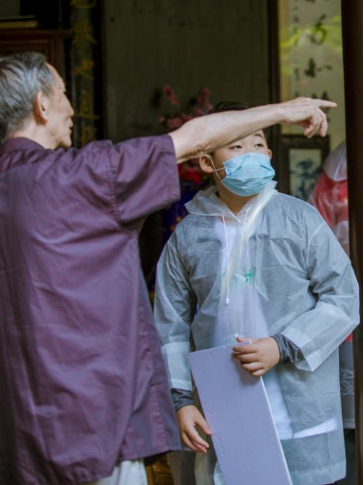
Afternoon:Visit the Lürao Pavilion, first built in the first year of the Yuan Taiding era (1328). This square-shaped pavilion features decorative stone carvings and elegant “dragon brocade” reliefs carved into its structural details. A “come-and-sit” chair is placed by the pond side for rest. Zhu Zhishan once composed a poem, “The Green Winding East Field,” singing the praises of the Green Pavilion’s winding and beautiful scenery.
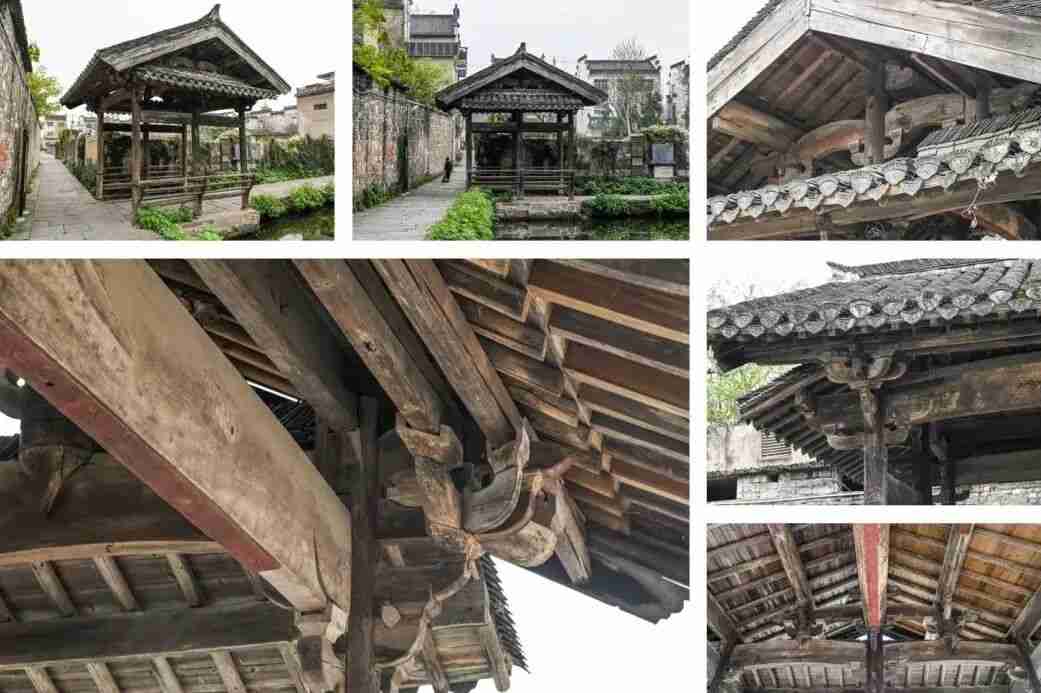
Following in the footsteps of Liu Dunzhen, we explore the traditional and modern evolution of gardens and pavilions at the Old House Pavilion and Green Pavilion, learning about the aesthetic and practical value of pavilions. Using the treasures obtained from the treasure hunt, we complete the construction of a 1:3 scale model of the Lürao Pavilion. Through this hands-on process, children gain a practical understanding of traditional Huizhou architectural elements such as columns, beams, purlins, architraves, bracketing, and mortise-and-tenon structures.
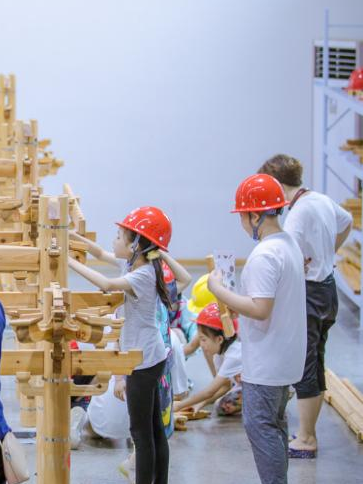
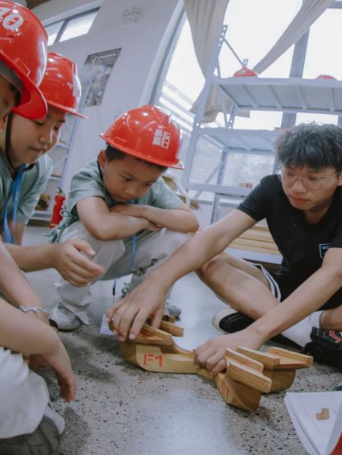
TREE ART Sketching Course: Hui-style Architecture in the Ancient Village
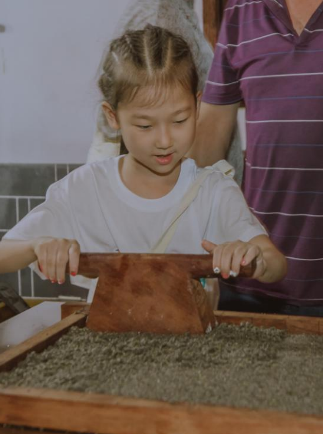
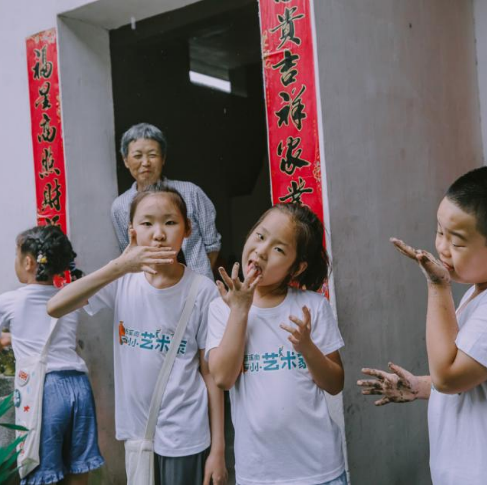
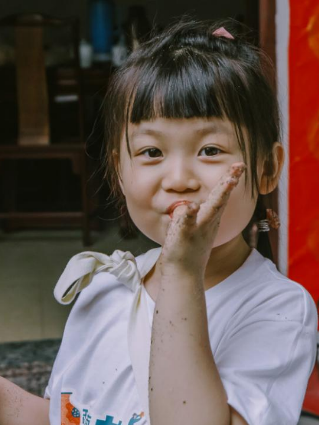
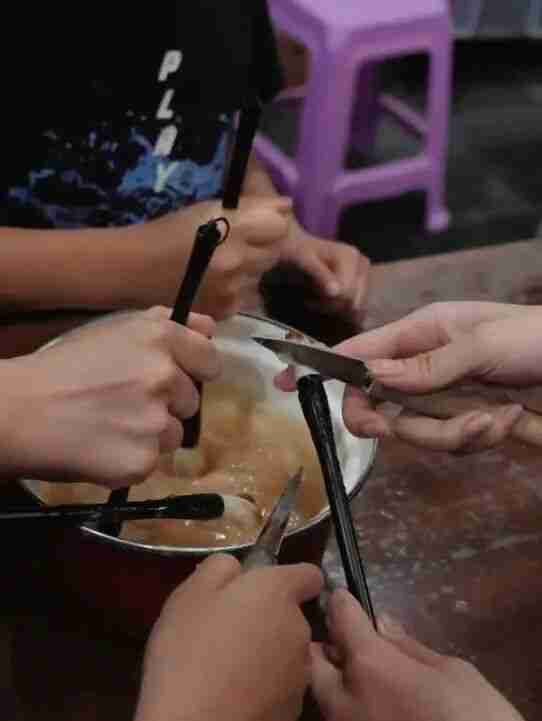
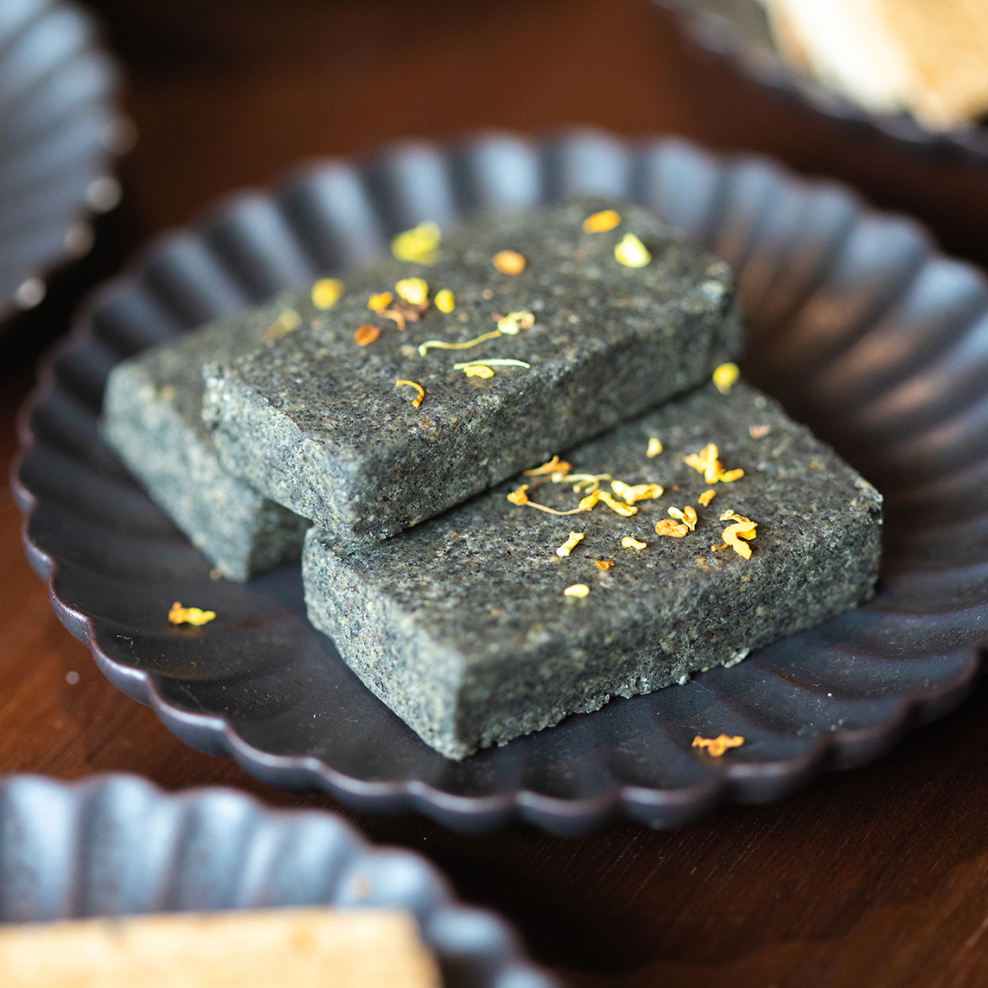
Evening: Hui-style Pastry – Huimo Pastry Making. This is a specialty pastry unique to Huizhou, known as the “Hometown of Chinese Hui Ink,” and “edible Hui ink.” Huimo pastry closely resembles a Hui ink stick in appearance – jet black and glossy. Its texture is flaky, soft, delicate, and subtly sweet.
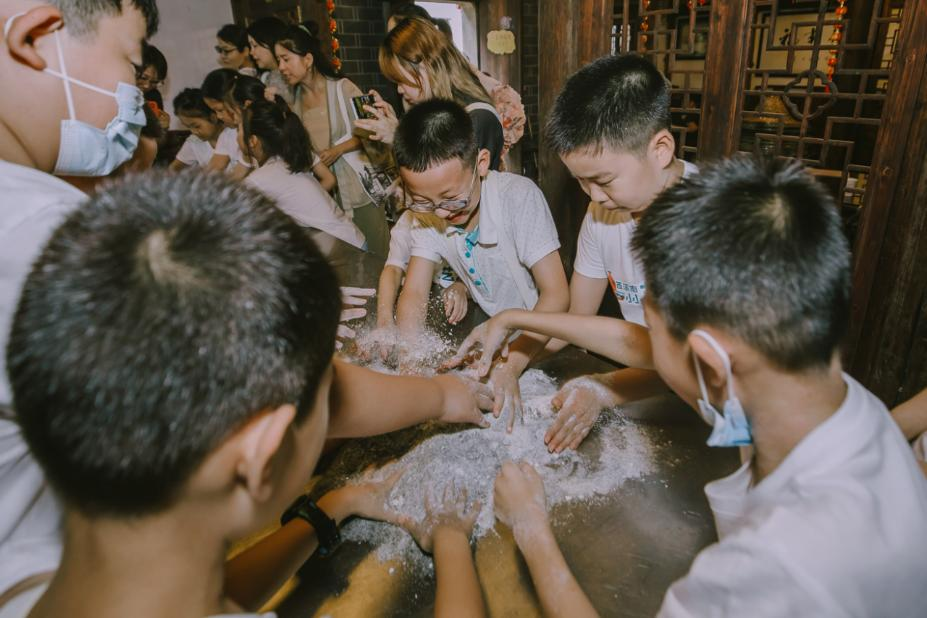
Under the guidance of an experienced master pastry chef, children will try their hands at making Huimo pastry themselves, while learning about the historical stories and local culture behind this famous treat.
Day 6 – Tracing Ink on Ancient Paths · The Enduring Charm of Hui Ink
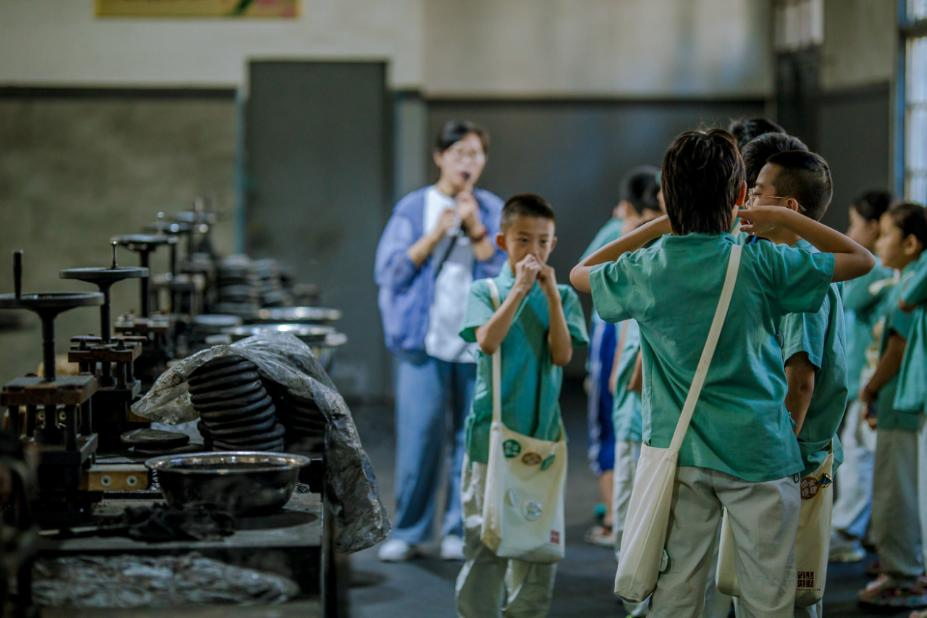
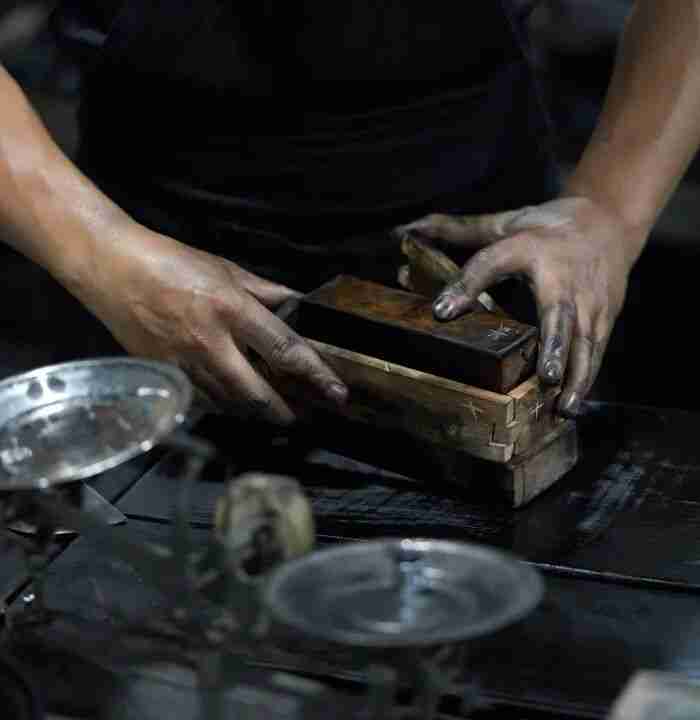
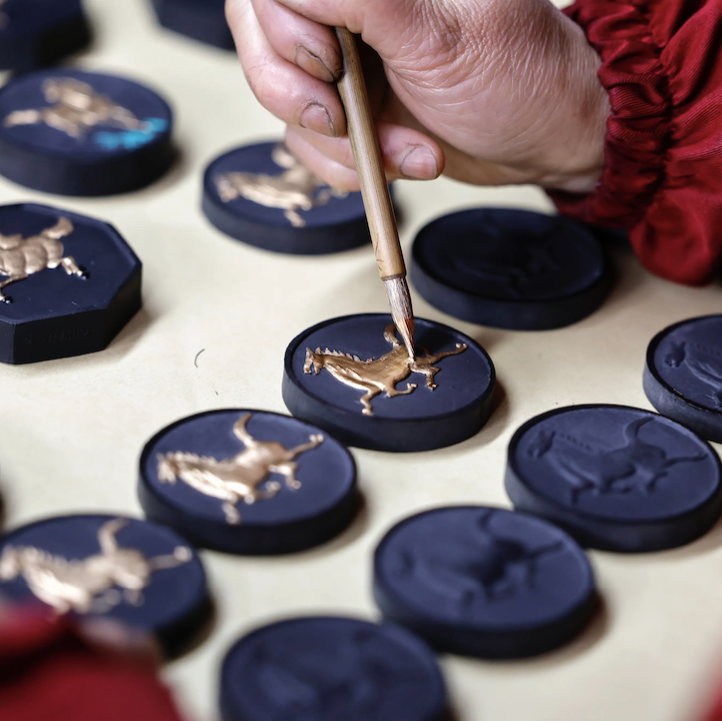
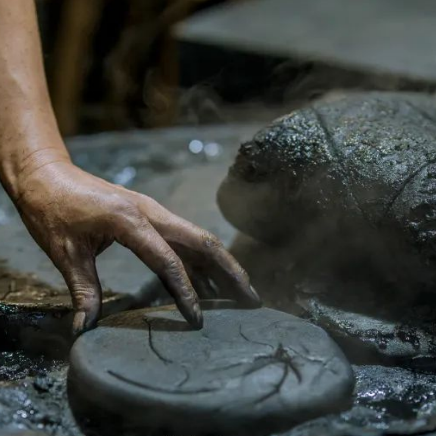
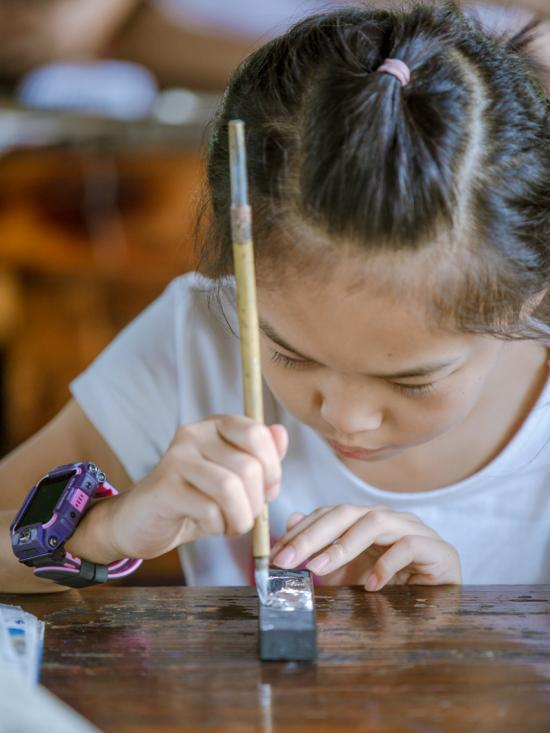
Morning: Hui ink is one of the quintessential representatives of Hui culture. It once shone brilliantly throughout history – when applied to paper, it appears like lacquer and never fades over time, earning the reputation of “deep as lacquer on paper, lasting ten thousand years true to form.” At a century-old ink factory, we will learn the art of ink making alongside master ink craftsmen, gaining insight into the spirit of craftsmanship. Under the guidance of a master gilder, we will be taught hand-over-hand the technique of gilding, creating a custom hand-shaped ink stick and an inkstone.
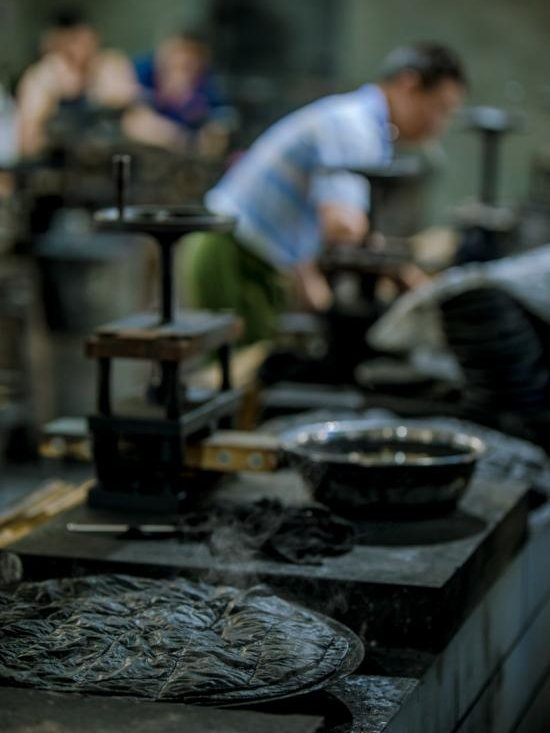
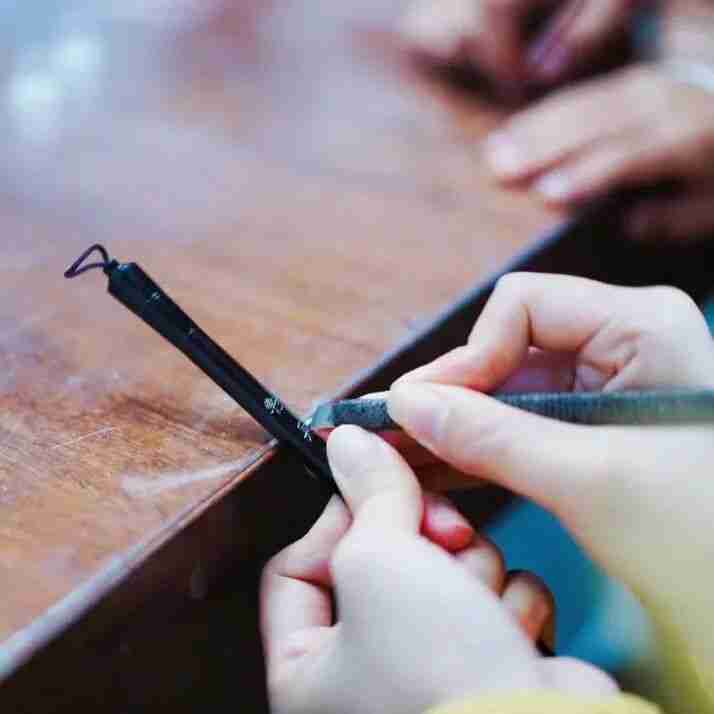
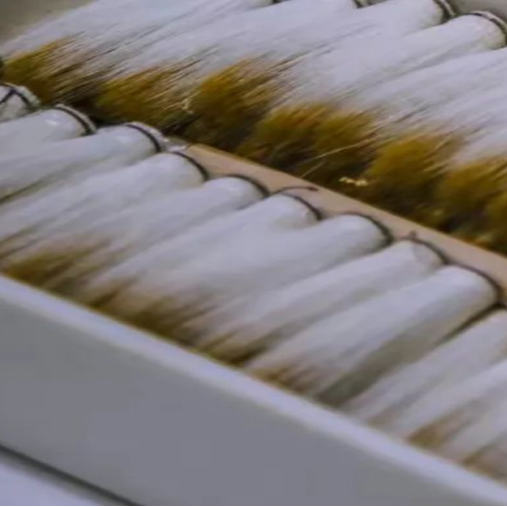
Afternoon: We only see the beautifully painted brushstrokes, but not the hardworking brush makers behind them. The making of a fine writing brush requires the work of many different master craftsmen. Today, we step into a brush workshop to learn the craft firsthand. From brush head to handle, we will participate in each of the over twenty steps, preserving the art of the brush tip through our own hands.
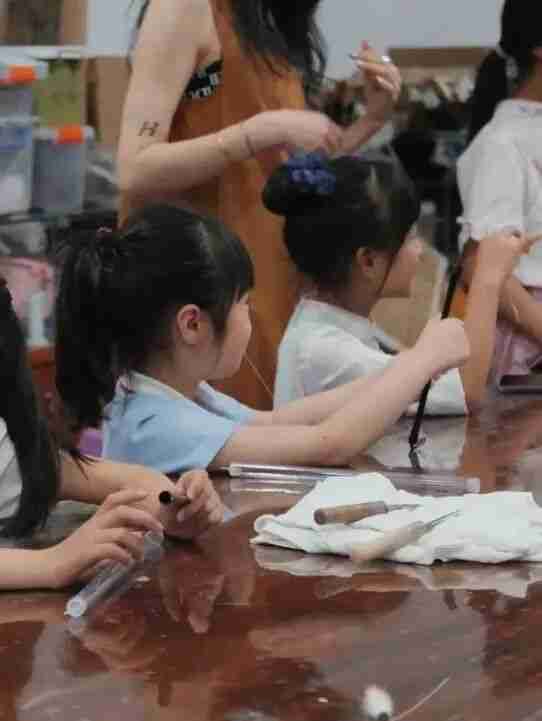
Evening: Legend has it that dragons can command the winds and rain, dispel disasters, and bring good fortune – a symbol of auspiciousness and an ancient totem. Tonight, using bamboo strips, rice paper, and paste, we
will craft the segments of a dragon’s body, painting each dragon scale one by one with our little brushes.
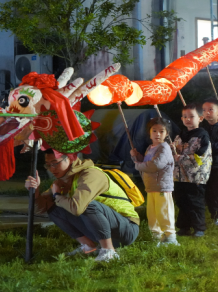
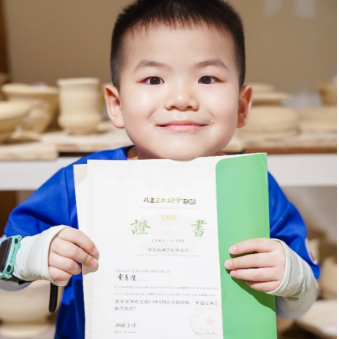
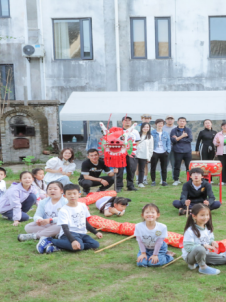
Finally, we hold the closing ceremony. As we reflect on the past and present of Huizhou, we also settle into our hearts the joyful memories of this journey.
Day 7 – Homeward Journey · The Charm of Porcelain Lives On in Dreams
Morning: Pack your luggage and examine each piece you’ve made with your own hands – porcelain pieces, blue-and-white plates, Hui ink sticks, sketchbooks … each one is a tangible memory of this study tour.

Afternoon: A private transfer will take you to Huangshan Tunxi Airportfor your flights back to Singapore via Beijing
✈️CA1552 September 11 Huangshan Tunxi → Beijing Capital T3 16:00–18:15
✈️CA975 September 12 Beijing Capital T3 → Singapore Changi T1 00:25–06:50
JIANG XIWhat Children Take Home — More Than Just Memories
(Jingdezhen & Huizhou)
Thrown pottery pieces (underglaze colorful decoration) ×2
Blue-and-white porcelain piece (large vessel) ×1
Plant-ash glaze piece (tea cup) ×1
Slip-casting piece ×1
Pit-fired flower vase ×1
Hui ink stick ×1
Inkstone ×1
Hui-style writing brush ×1
Hui-style pastry ×1

What Will Children Gain from This Study Tour?
1. Cultural Understanding
A systematic understanding of Chinese ceramic history, Hui-style architecture, and intangible cultural heritage, building a well-rounded perception of Eastern aesthetics.
2. Practical Skills
Ceramic throwing, blue-and-white painting, model construction, Hui ink making – hands-on activities every day, allowing children to “learn by doing.”
3. Aesthetic Appreciation
The beauty of objects, the beauty of space, the beauty of nature, and the beauty of architecture – four dimensions of aesthetic immersion that elevate children’s taste and perception.
4. Social & Emotional Growth
Group interviews, sharing and reflection sessions, and team collaboration – cultivating empathy, communication skills, and a sense of responsibility.
Study Tour Dates: September 5–11, 2026
Closing — To the Future Makers
(Jingdezhen & Huizhou)
When your child holds up
The cup they threw themselves,
the blue-and-white plate they painted,
The sketch they drew in the tea fields,
the Hui ink stick they gilded with
their own hands—
They will understand:
Beauty is not a relic in a distant museum.
It is a life that can be created with their own hands. Patience, focus, passion, creativity…These words no longer need to be explained by adults.
They live in the clay spinning between their palms,
In the cobalt blue flowing from their brush.
China in porcelain. Huizhou in dreams.Between earth and fire, between a child and the world—
We wish to be that bridge.